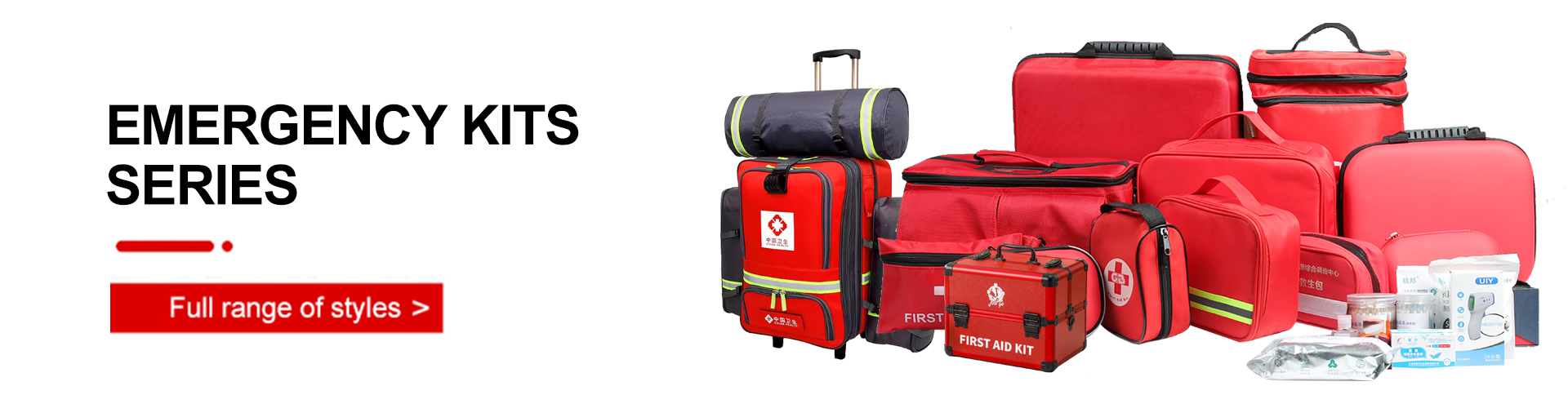
Emergency Relief Supplies: Stay Safe with Our Ultimate Survival Kit
Staying safe during disasters is essential, and our range of Emergency Relief Supplies is here to help. With our high-quality survival tools and equipment, you can face any natural or man-made disaster with confidence. Our products are easy to use, durable, and built to withstand the harshest conditions. Whether you're preparing for a hurricane, earthquake, or other emergency, we have everything you need to stay safe and protected. Shop now for the best in Emergency Relief Supplies!
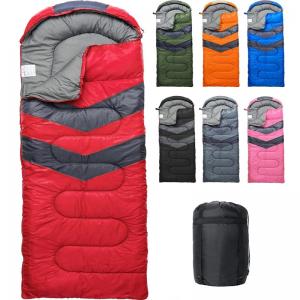
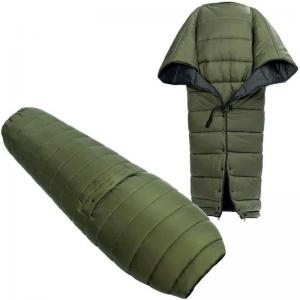
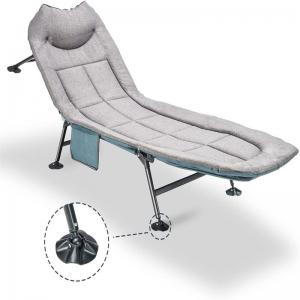
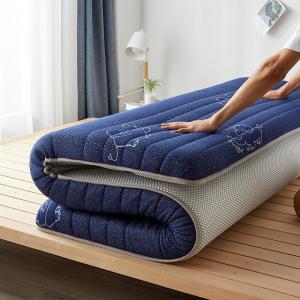
With 20 years of experience supplying bulk institutional and emergency orders, we recommend starting with accommodation site conditions before comparing materials and unit prices. First identify where people will stay: tents, school gyms, temporary shelters, or rooms with existing beds. Then check what is already available, such as bed frames, mattresses or inserts, and what is still needed: thermal coverage, sleep support, bed textiles, mosquito protection or personal hygiene supplies.

Next confirm the number of users or bed spaces, expected service period, cleaning rotation and spare requirements, and whether supplies must be packed separately for different sites. These decisions turn blankets, sleeping bags, bedding, folding beds, inflatable products, mosquito nets and compressed towels into an itemized list that can be quoted, issued and counted.
YRF Supply Advantage: 20 years of manufacturing experience in emergency and institutional textile supplies, serving government procurement, humanitarian projects, wholesalers and channel partners. We run stable production for large bulk orders, with 72-hour emergency production scheduling, full batch traceability and AQL 2.5 inspection for all shipments. All products follow consistent specification, sample and inspection standards, whether ordered individually or in mixed batches.
This page is for government procurement teams, humanitarian projects, wholesalers and distributors. It explains what each category solves, what it does not replace and what must be confirmed before an RFQ. For mixed-category orders, specifications, samples, packing and acceptance references are confirmed by product so buyers can check scope item by item. All custom functions including but not limited to flame retardant, antibacterial treatment, water repellent, stain resistant, special sizes, custom logo or packaging, upgraded zippers or thicker materials are paid customization options; test reports can be provided per request following corresponding standard test methods.
If you already know the required product category, select its category name. If the product route is still unclear, continue to the procurement guide and selection boundaries below.

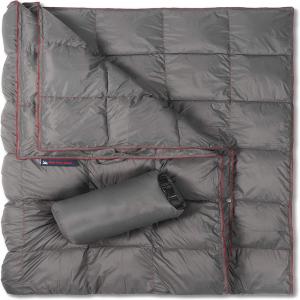
Emergency Relief BlanketsFor open coverage or an additional thermal layer on a bed. |
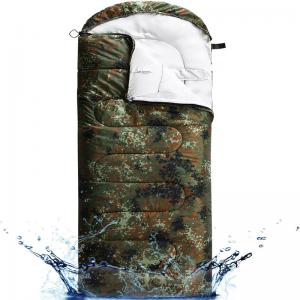
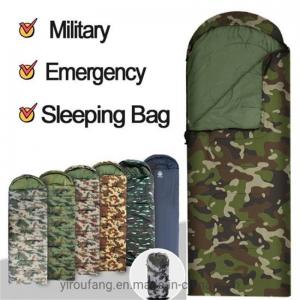
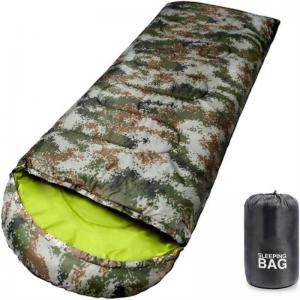
Emergency Sleeping BagsFor an enclosed personal sleep arrangement. |
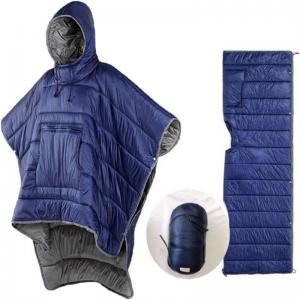
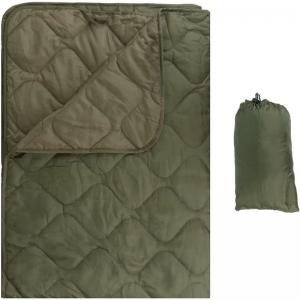
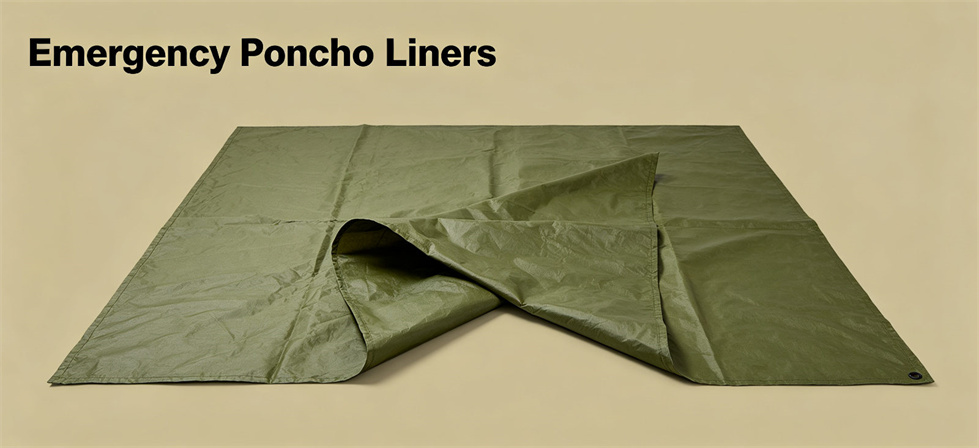
Emergency Poncho LinersFor wearable use or open-flat coverage. |
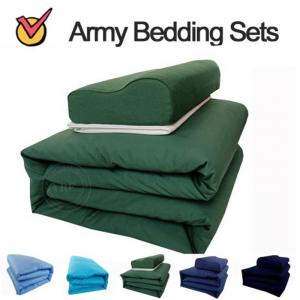
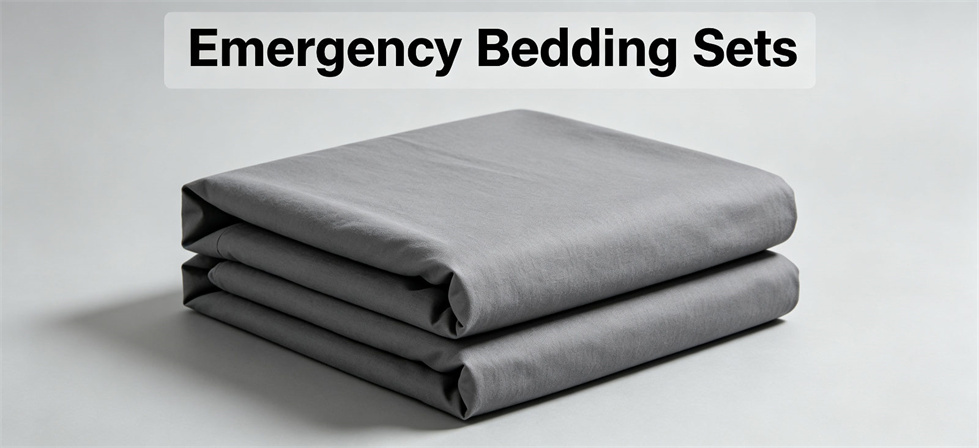
Emergency Bedding SetsFor bed-surface textiles where beds and inserts already exist. |
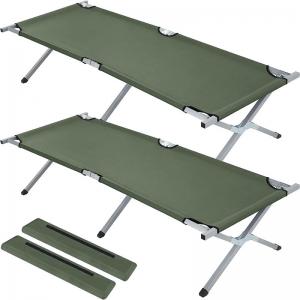
Emergency Folding BedsFor storable, raised bed spaces. |
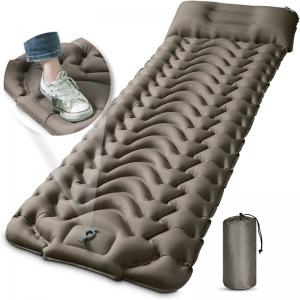
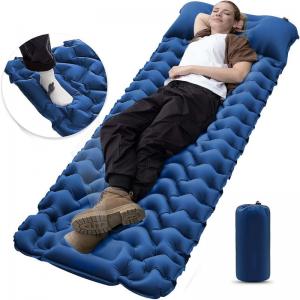
Emergency Inflatable MattressesFor an inflatable sleep-support layer. |
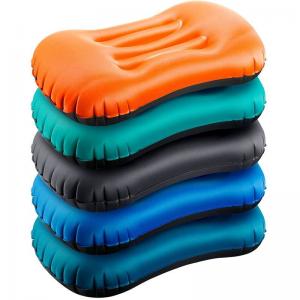
Emergency Inflatable PillowsFor compact personal head support. |
Emergency Mosquito NetsFor a mosquito barrier around a sleeping position. |
Emergency Compressed TowelsFor personal hygiene kits or centralized issue. |
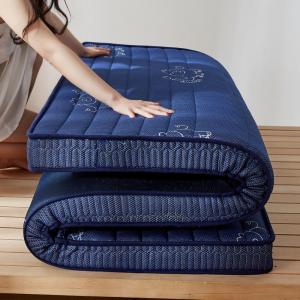
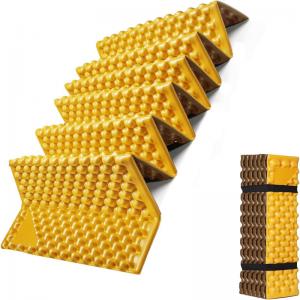
Need a sleep-support layer that can be laid directly without inflation? Enter the Emergency Foam Mattresses category to compare folding or rolling method, deployed dimensions, thickness, recovery, cover, and packing. Do not combine its specification with an inflatable mattress that requires valves and inflation equipment.
Divide the requirement into 4 tasks: thermal coverage, sleep support, existing-bed outfitting, and sleep-environment or personal-hygiene support. One project may include several tasks, but each product category needs its own quantity, specification and packing basis. Use the table to narrow the product route, then check the selection boundaries below.

| Product | When to choose | What to confirm next |
|---|---|---|
| Emergency Relief Blankets | Open coverage or an added bed-cover layer is required | Calculate by user or bed space; confirm environment, size, finished weight or GSM, and edge finish |
| Emergency Sleeping Bags | An enclosed personal sleep item is required | Calculate by user; confirm environment, construction, open dimensions, filling and packed volume |
| Emergency Poncho Liners | A cover that can be worn or opened flat is required | Calculate by user; confirm opening method, attachment structure, fabric and dimensions |
| Emergency Bedding Sets | Mattresses and inserts already exist and bed-surface textiles are required | Calculate by bed space; confirm actual set contents and every insert dimension |
| Emergency Folding Beds | A storable, raised bed space is required | Calculate by bed space; confirm open and stored dimensions, structure, accessories and site conditions |
| Emergency Foam Mattresses | A non-inflatable cushioning layer is required for direct floor placement | Calculate by bed space; confirm deployed and packed dimensions, thickness, foam construction, cover, folding or rolling method, and packing |
| Emergency Inflatable Mattresses | An inflatable sleep-support layer is required | Calculate by bed space; confirm dimensions, inflation method, valve, repair and repacking |
| Emergency Inflatable Pillows | Compact personal head support is required | Calculate by user; confirm inflated dimensions, valve and surface construction |
| Emergency Mosquito Nets | A mosquito barrier is required around a bed space | Calculate by bed space; confirm bed dimensions, hanging points, entry and accessories |
| Emergency Compressed Towels | Personal hygiene items or hygiene-kit components are required | Calculate by user or pack; confirm expanded dimensions, material, combination and packing |
Do not start with a fixed relief kit. Answer these 5 questions first so each category can have its own quantity, specification, packing, and acceptance responsibility:
List tents, schools or gyms, dormitories, and rooms with existing beds separately, together with the bed frames, mattresses, duvet inserts, and pillow inserts already available. This determines whether the project needs open coverage, enclosed sleep, floor support, raised bed spaces, or bed-surface textiles.
Is quantity counted by person, bed space, or issue pack?Blankets, sleeping bags, and pillows normally start from user count; bedding, mattresses, folding beds, and mosquito nets normally start from bed spaces; compressed towels may be allocated by person or hygiene pack. Record spare, replacement, and rotation quantities separately instead of applying one total to every unit of measure. |
Can the site set up, inflate, clean, and repack the products?Folding beds require deployment and circulation space, inflatable mattresses require compatible inflation equipment and valve access, and foam mattresses require adequate packed or rolled storage volume. Repeated-use projects must also assign cleaning, drying, repair, and repacking responsibilities; for inflatable products, confirm spare part ratio (repair patches, valves) per order quantity. |

Is there one receiving point or several distribution sites?Build a separate product, quantity, label language, carton mark, packing list, and receiving batch for each destination. Shared inflators, installation accessories, and repair components must also be allocated by site so the main products do not arrive without their supporting items. |
Is the project for immediate issue, repeated rotation, or long-term stockpile?Immediate issue prioritizes per-person or per-bed allocation and carton splitting. Repeated rotation adds cleaning, repair, and return records. Stockpiles also require warehouse conditions, inspection, rotation, and recovery after opening; confirm expected storage life per product category: vacuum packed textile products (blankets, sleeping bags, bedding) typically store 3-5 years in dry, ventilated conditions away from direct sunlight, while foam mattresses are not recommended for vacuum storage over 12 months to avoid permanent compression deformation. Compression or vacuum packing is used only after suitability is verified for the selected product. |
Start with where people will stay, what the site already has and what is missing. Then check service period, cleaning, maintenance and storage conditions. These are decision routes rather than fixed packages; the same site type may need a different configuration because of user count, floor conditions, space or management capacity.
Compare first: blankets, sleeping bags, poncho liners and compressed towels. Blankets provide quick open coverage and extra bed warmth; sleeping bags create a more complete personal sleep enclosure; poncho liners support wearable or open-flat use; compressed towels fit personal hygiene kits. For the RFQ, provide the user count, day and night conditions, carrying distance, allocation per person, expected service period and spare ratio instead of one unexplained total quantity.
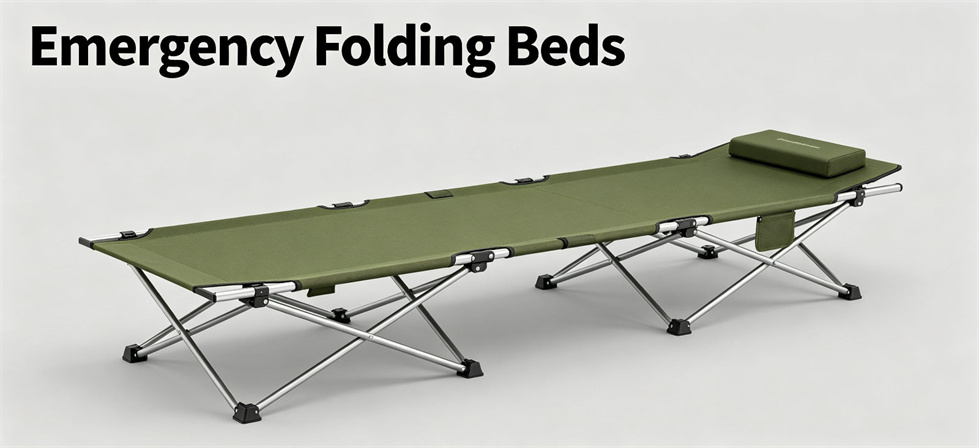
First decide how the floor will be used: compare foam mattresses for a directly laid, non-inflatable support layer; compare inflatable mattresses for an inflated support layer; compare folding beds where raised bed spaces and sufficient circulation space are required. All three routes require floor protection, spacing, circulation, deployment capacity, daytime storage, and cleaning before coverage, sleep, and hygiene items are allocated by user.
Confirm the internal conditions first: folding beds provide a raised structure but require area, height, entrance, and stable ground; foam mattresses can be laid directly but require confirmation of thickness, folding or rolling, and packed volume; inflatable mattresses require inflation equipment, valve access, floor protection, and repacking. "Tent use" alone is not enough to select one route.

Compare first: bedding, blankets, mosquito nets and inflatable pillows. Bedding must fit the mattress, duvet insert and pillow insert; blankets add a cover layer; mosquito nets must match bed spaces and hanging points; inflatable pillows provide head support only. Provide actual dimensions in the RFQ rather than writing only "single bed" or "standard bed." This route also covers correctional facility, military and staff dormitory projects.

Do not apply one configuration automatically: tent sites, indoor halls and shelters with existing beds may require different products. For each location, list user count, site type, available facilities, products, quantities and issue method. Then add label language, carton marks, carton-splitting rules and receiving batches to avoid reopening and reallocating goods after arrival.

If site information is incomplete, first send the user count, bed-space conditions, destination country and target product links. We can prepare a category shortlist and missing-information list before an itemized quotation. Sample policy: Only specification sheets, formal quotations and sample application guides are free. Sample fee is quoted separately based on specific specs and customization requirements; sample fee and freight are prepaid by the buyer, and can be credited to bulk order payment when order meets required quantity and value. Standard sample lead time is 3-7 working days; custom sample lead time confirmed per design difficulty. Buyer-requested third-party testing requires prior confirmation of the standard, items, sample, laboratory, cost, and report requirements, with the related costs paid by the buyer.
an enclosed personal sleep item whose construction and use environment must be confirmed.
Look at what the product covers: a blanket covers the user, a sleeping bag encloses the user's sleep space, and bedding fits or lies on existing mattresses, duvet inserts and pillow inserts. They may be purchased together, but they cannot share one specification. Confirm environment, dimensions, construction, components, material requirements and packing separately.

Decide the support method first: a folding bed creates a raised bed space, a foam mattress is laid directly without inflation, and an inflatable mattress forms a support layer through inflation. Compare floor and circulation conditions, deployed and packed volume, setup or inflation equipment, cleaning and repair, and recovery method separately. They cannot share one set of dimensions, packing, or acceptance criteria.

No. A mosquito net creates a mosquito barrier around a bed space and must match the bed, entry and hanging conditions. It does not provide a complete sheltered space. Confirm bed dimensions, installation accessories and any project-required treatment separately.
No. "Compressed" describes the product form only. If the project requires sterility, a particular material or biodegradability, verify the expanded dimensions, material, packing, labels and required documents for the selected product.

|
Folding bed: focus on the raised structure and deployment and storage space. |
Inflatable mattress: focus on inflation, deflation, valves, maintenance and repacking. |
How should health and safety requirements be confirmed?
Different products, uses and destinations may require different material restrictions, test items or documents. State the required standard, test method and report requirement in the RFQ. We will check the available specifications and documents for the selected product and confirm whether specified laboratory testing is needed before ordering. A blanket statement that "all products comply" cannot replace product-level verification.
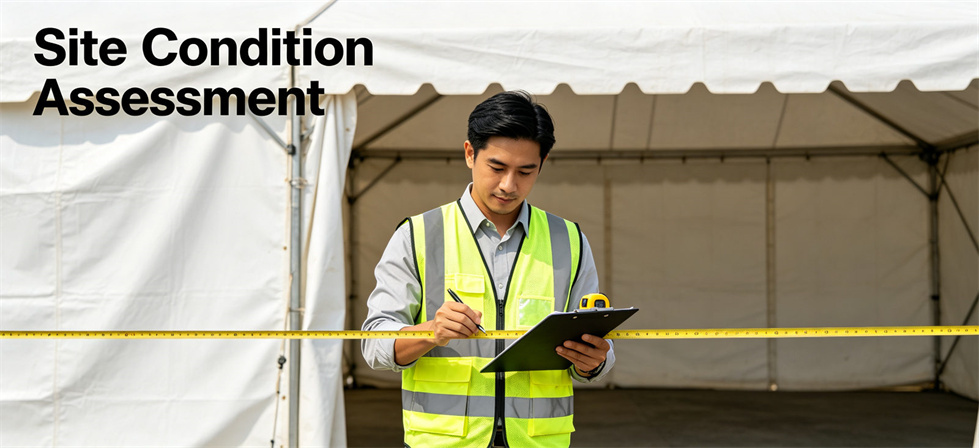
Mixed procurement does not mean calling every product one "accommodation kit." Put different products into one checkable item list. Each line should contain one product, one quantity unit and its confirmation requirements so quotation, packing and receiving use the same basis.
The final list should use one product and one unit of measure per line and identify the applicable site or user group. Keeping only a total number of "accommodation kits" prevents quotation, sample approval, packing, issue and receiving counts from using one consistent basis.

|
Mosquito net: configure by bed space, entry and hanging conditions; it is not a complete shelter. |
Compressed towel: configure by user or hygiene-kit quantity; confirm material and packing separately. |

Continue Planning Temporary Shelter, Sanitation and Water-Treatment Equipment: use the Emergency Survival Gear route when a settlement project also needs tents, sunshade space, portable toilets, shower facilities, wash points or source-water treatment. Accommodation supplies and site equipment may be quoted together, but specifications, quantities, samples, consumables and acceptance references remain separate.
The table above helps select a product route. This checklist turns that selection into information that can be used for quotation, sampling, packing and receiving. Checking the items in sequence makes omissions easier to identify than placing everything in one large table.

Commercial conditions to confirm before quotation: MOQ and lead time are evaluated by product, quantity, configuration, customization, packing, sample approval and current scheduling rather than fixed across all categories. Standard orders take 7-15 days, emergency orders receive production scheduling within 72 hours, final lead time confirmed per contract. We generally quote EXW, FOB or CIF; DDP is evaluated only for selected destinations. L/C payment is not accepted. Buyer-nominated third-party inspection or factory audit is accepted when scope, batch, sampling, timing and report requirements are agreed in advance, with related costs paid by the buyer.
We serve government procurement, humanitarian projects, wholesalers and channel partners. Provide the specific products, parameters, required standards or documents and acceptance requirements. A project or organization name alone cannot replace product specifications and compliance requirements.
Provide the item list, quantity, label language, receiving batch and issue unit for each destination. Confirm carton-splitting rules, carton marks and destination-specific packing lists at quotation stage instead of separating finished goods afterwards.
It depends on the product categories and customization scope. One sample cannot automatically cover different products, constructions, labels, or packing revisions. Only specification sheets, formal quotations and sample application guides are free; sample fee is quoted separately based on specs and customization, sample fee and freight are prepaid by buyer, and can be credited to bulk orders meeting required quantity and value. Standard samples take 3-7 working days; custom sample lead time confirmed per difficulty.
Record the changed product name, specification, colour, labels, packing and applicable sample in a new written confirmation, and state that the earlier confirmed details are no longer valid. The quotation, order confirmation and packing list should use the same approved information.
Customization can be assessed for the selected product and order. Custom functions including special sizes, logo printing, flame retardant, antibacterial treatment and special packaging are paid options. Provide the colour direction, authorized artwork, label language, barcode, unit packing, carton marks and destination-split requirements. The written quotation and approved sample define the final scope.
Before ordering, lock the approved sample, written specification, components, colour, labels, packing and tolerances, and use the same revision across the order documents. Buyer-nominated third-party inspection can be arranged when scope, batch, sampling, schedule and report requirements are agreed in advance, with related costs paid by the buyer.
Provide the destination, selected product, intended use and the exact standard, test item or document name. We will check available specifications and documents for that product and their scope; all performance tests follow corresponding standard methods, third-party reports can be provided for bid use, official certifications coordinated per project with cost borne by buyer. If buyer-specified third-party testing is required, confirm the standard, sample, laboratory, cost and report requirements before testing.
When sufficient information is available, the response will list the matched scope, unit of measure, key specifications, missing information, and sample, packing, destination-split and acceptance items still to confirm. If several product routes are possible, their differences and confirmation conditions will be explained before itemized quotations are prepared. Enquiries receive a response within 24 hours; formal quotation timing depends on the products, quantity, customization, packing, transport and project-document requirements.
Orders use T/T. For customized orders, production is normally arranged after a 50% deposit, and the balance must be paid before shipment. The exact payment stages, beneficiary details, and applicable order scope follow the corresponding written quotation and contract. L/C payment is not accepted.
Not entirely. Immediate-distribution projects normally confirm user count, site, per-person or per-bed configuration, packing and carton split first. Stockpile projects should also state the expected storage period, warehouse conditions, routine inspection, rotation or replenishment plan, and whether goods must be repacked after opening. Vacuum packed textile products (blankets, sleeping bags, bedding) typically store 3-5 years in dry, ventilated conditions away from direct sunlight; foam mattresses are not recommended for vacuum storage over 12 months to avoid permanent compression deformation. Storage and repacking requirements must be confirmed separately by product.
Yes. Split delivery schedules can be arranged per project urgency and site readiness. Confirm batch quantities, delivery dates, destination and document requirements for each batch in the contract; partial shipment fees and trade terms are confirmed per order.
Repair patches, spare valves, manual/electric inflation pumps and other wearing parts can be provided as paid accessories. We recommend 2-5% spare ratio for bulk repeated-use projects; confirm required quantity and type when placing order, they are not included as standard free accessories unless explicitly stated in quotation.
Submit your requirements below, and we will provide complete specification sheets, formal itemized quotation and sample application guide free within 24 hours. If the products are already selected, send the product links, quantity, specification, colour, packing, labels, destination and acceptance requirements. If the product route is not yet selected, first send the user count, site, available bed-space conditions, service period and issue method. We will confirm product scope and missing information before organizing quotation, sample, packing, destination allocation and acceptance items by product.

Get Full Spec Sheet & Quotation YRF Txtile | 20 Years Emergency Relief Manufacturer
direito autoral © Custom Disaster - Relief Bedding: Tents, Sleeping Bags, Blankets Todos os direitos reservados
a equipe profissional para o serviço !