Categorias
Last updated: November 24, 2026 · Emergency kit checklist
An emergency kit checklist turns scattered supplies into a ready kit. Water, food, first aid, lighting and warmth items follow one list, so the kit is packed before the power goes out. This guide covers the 72-hour baseline, family and vehicle layers, and bulk kits for schools, hotels and government buyers, with a checklist that works for every situation.
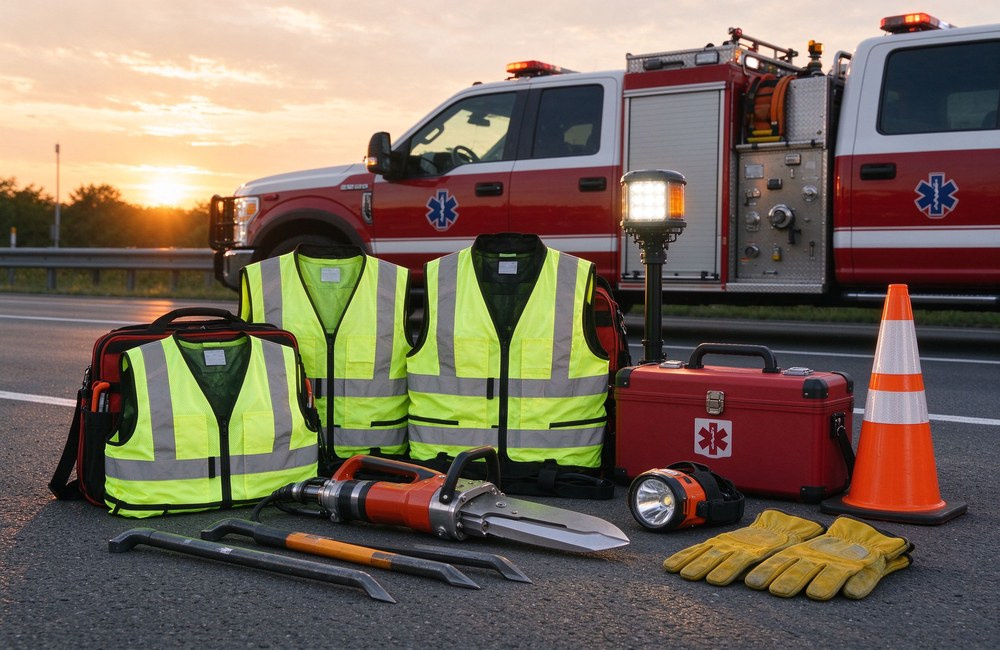
Complete emergency kit family in white background, warning triangles, reflective vests, first aid bags and supplies arranged for the emergency kit checklist
 |

|
A roadside stop, a power outage or a storm alert does not wait for a shopping trip. The emergency kit checklist closes that gap: water, food, first aid, lighting, warmth and documents follow one list, and the kit is packed before the situation arrives. This page gives families, schools, hotels and government buyers a single reference list they can scale.
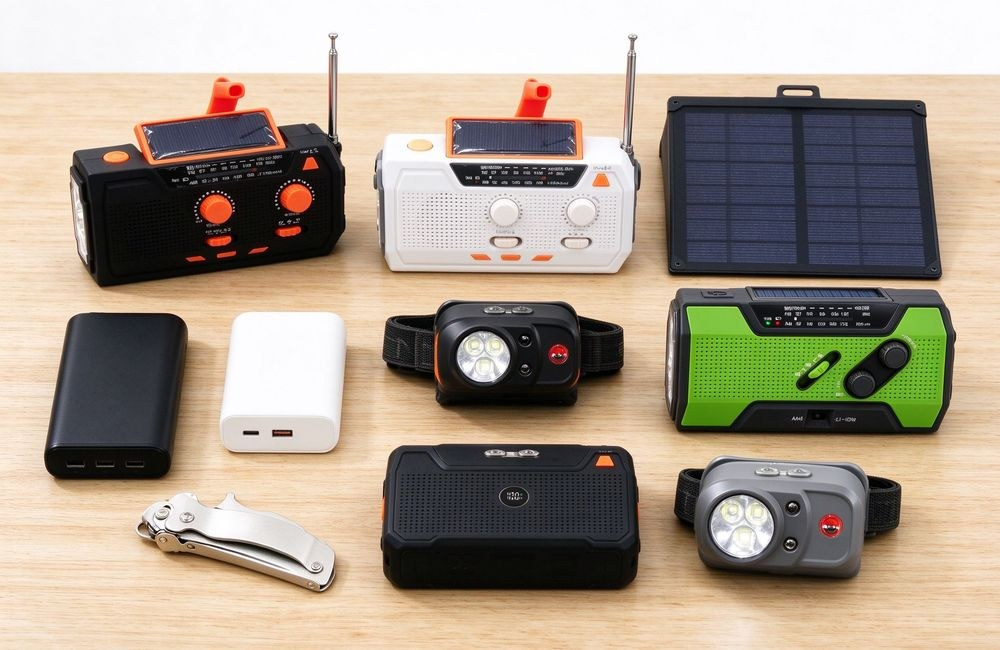
Emergency electronics family on a light table, solar radio, headlamps, power banks and multi-tool arranged for the emergency kit checklist flatlay
The sections follow the real order of packing: the 72-hour baseline, water and food, first aid, tools and lighting, shelter and warmth, documents, the vehicle layer and the bulk order for organizations.
The guide serves one family and a fleet of rooms the same way: start with the baseline, add the layers that match the location, review the list each season, and restock what expired.
By the end you will know what belongs in every kit, how to size a list for people and pets, what to include in a vehicle layer, and how to order bulk emergency kits from a factory with the documents buyers need.
A checklist removes the guesswork from preparedness. The same list that packs a home kitchen drawer packs a school supply room and a hotel lobby stock, because the layers are identical: water, food, first aid, lighting, warmth and documents.
Disasters differ but the kit layers do not. An earthquake kit, a storm kit and a power-outage kit all need water, food and first aid. A universal checklist keeps those layers constant and lets the owner add one hazard-specific layer on top, which is cheaper to maintain than six separate kits.
Organizations gain three things from one standard list: buyers order the same items across sites, staff can check any kit in ten minutes, and budgets stay predictable. This disaster preparedness kit list turns planning into routine.
A school that stocks thirty classrooms and a hotel that stocks two hundred rooms use the same checklist, scaled by people count, so the emergency kit list becomes an operations tool instead of a one-time purchase.
The baseline covers the first three days, when roads may be blocked and shops closed. One gallon of water per person per day, three days of food, and the first aid, lighting and warmth layers below.
The checklist below is the working list; print it and keep it with the kit. It anchors the bulk emergency kit guide used by site buyers.
Water is the heaviest layer and the one people skip. Store one gallon per person per day for three days, add a purification method, and rotate the bottles each season.
Food comes next: three days of no-cook items plus a manual can opener, and warmth items such as blankets and sleeping bags for the climate.
The container matters as much as the contents. A rolling duffel holds the family kit, a waterproof tote fits the vehicle, and labeled plastic bins organize a school room. Keep the checklist taped to the lid so anyone can verify the kit without unpacking it.
Every count on the list multiplies by people and pets. One family of four needs four gallons of water per day and four days of supplies; add a pet layer with food, a leash and a carrier. Write the head count on the lid, because the number changes as families grow.
Module
Core Items
Check Cycle
Reserve
Warning
Triangles, flares, cones
Before every trip
Set per vehicle
Visibility
Vests, helmets, scene lighting
Per stop, per crew
Spare set per truck
Care
First aid bag, rescue blanket
Expiry every season
Refill kit
The table above is the core checklist: baseline layers on the left, quantities per person in the middle, and the organization column on the right. Buyers use the same columns when they order family emergency kits in bulk, so the per-person count stays honest from the cart to the warehouse.
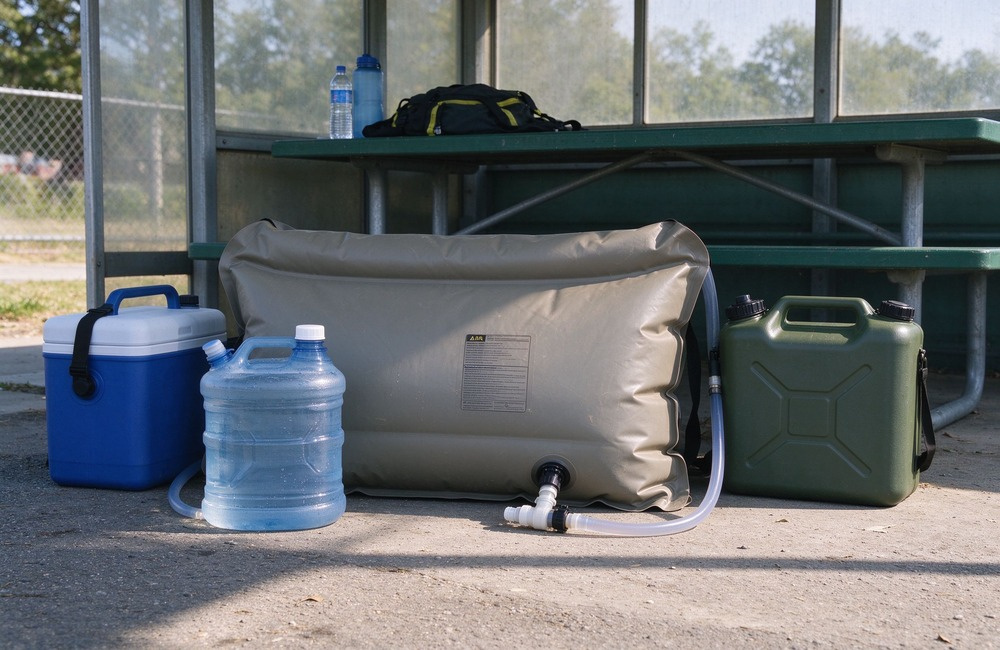
Water and food carry the kit through the first days. The storage plan answers three questions: how much, how it stays safe, and how it rotates. These two layers fail most often in practice, so the checklist treats them as a block, not an afterthought.
Store the one-gallon-per-day baseline in jugs and add a folding water bladder for the bulk reserve. Purification covers the gap: water purification tablets, a filter and a boil plan handle most sources. Label every container with a fill date and rotate the stock twice a year.
Choose food that needs no cooking and no refrigeration: canned goods, dried fruit, nuts, energy bars and shelf-stable meals. Add a manual can opener and eating utensils to the list, and check the expiry dates every season. A well-rotated food layer makes the difference between a stocked kit and a bin of expired cans.
The first aid layer is the one that meets people directly. A complete kit carries bandaging, medication and the paperwork that tells responders what the family needs. The checklist keeps this layer small, organized and current.
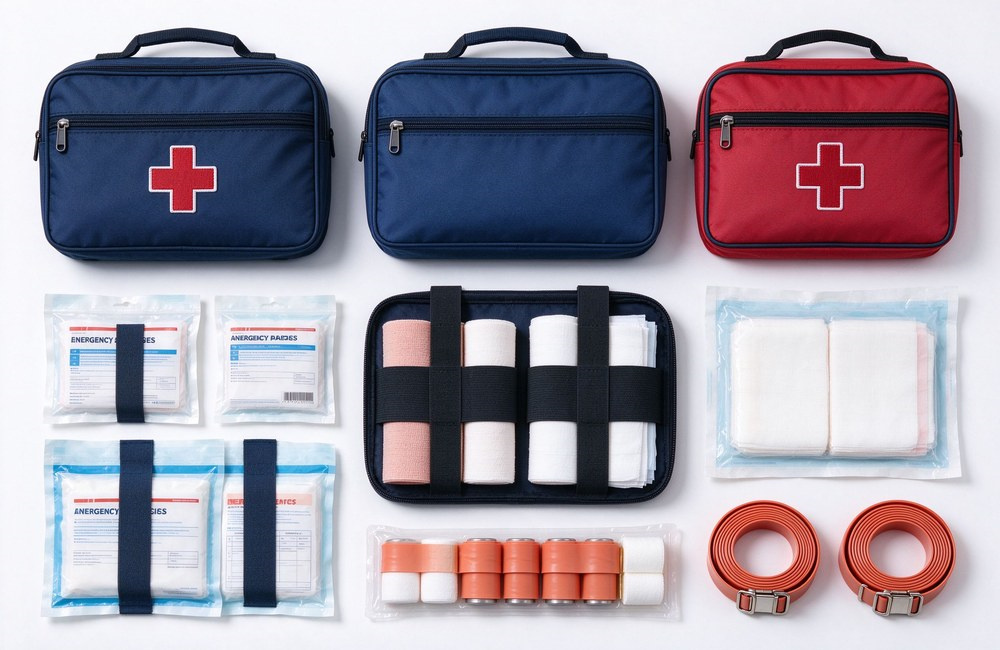
Start with the first aid kit supplies that matter most: adhesive bandages, gauze, trauma dressings, antiseptic wipes, medical tape, scissors, gloves and a thermometer.
Add a first aid manual and a CPR card. Keep the trauma items on top, because the first minute decides how the rest of the care goes.
Set aside seven days of prescription medication in the kit and rotate it with refills. Add a printed medication list with doses, a copy of allergies and the family doctor phone number. The medication layer is paper plus pills, and both expire, so the seasonal review checks them together.
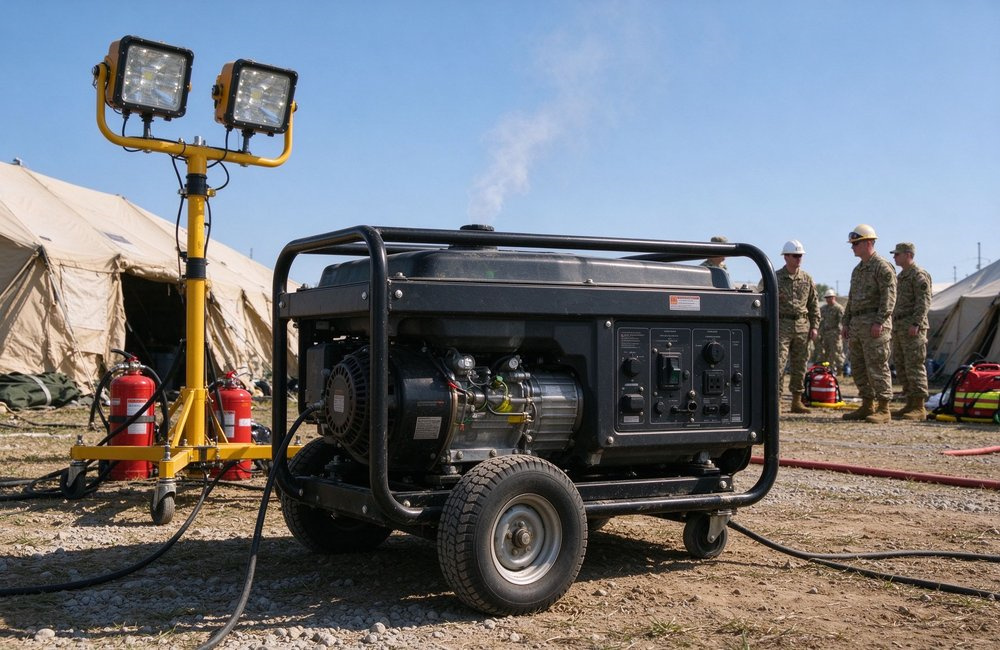
Tools and lighting turn a stocked kit into a working kit. A power outage makes the phone useless without planning, so the checklist carries tools, lights and communication in one layer, tested once a season.
Pack a multi-tool, duct tape, rope, work gloves, a manual can opener, and spare batteries for every device in the kit. Add a wrench and a screwdriver for shutting off utilities, and label the shut-off points on the checklist itself.
Lighting follows a simple rule: one source per person plus one for the room. Flashlights, headlamps and a lantern cover the house, and a crank or solar radio covers news without power. Keep spare batteries with the lights and test them at the seasonal review.
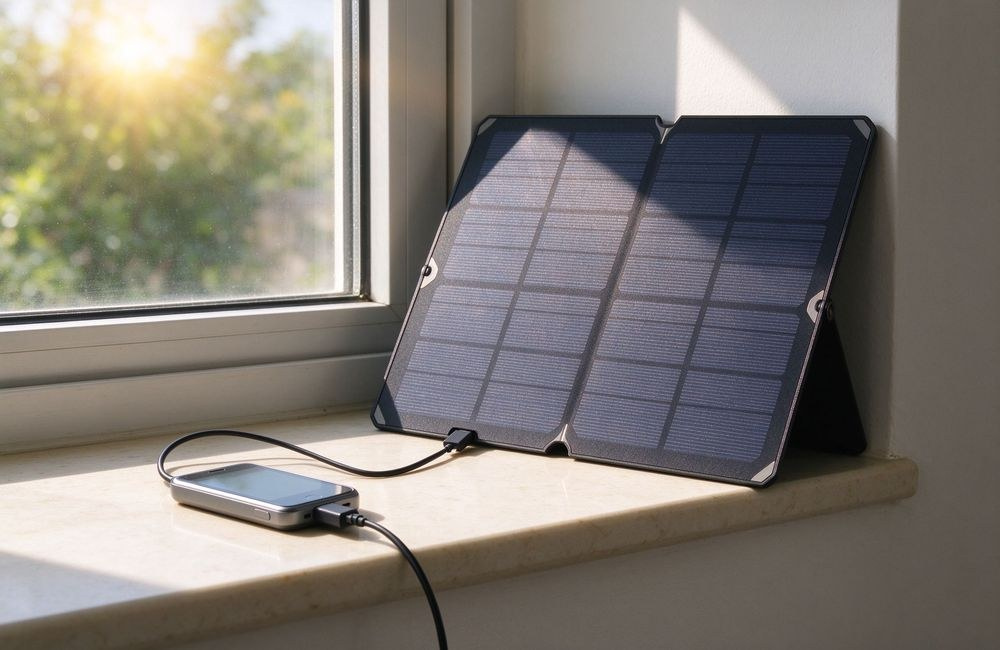
Communication is the layer that connects the kit to the outside. A battery or crank radio receives official alerts, a power bank charges the phone, and a printed contact list works when the phone dies. Practice one call per quarter so the family knows the plan without thinking.
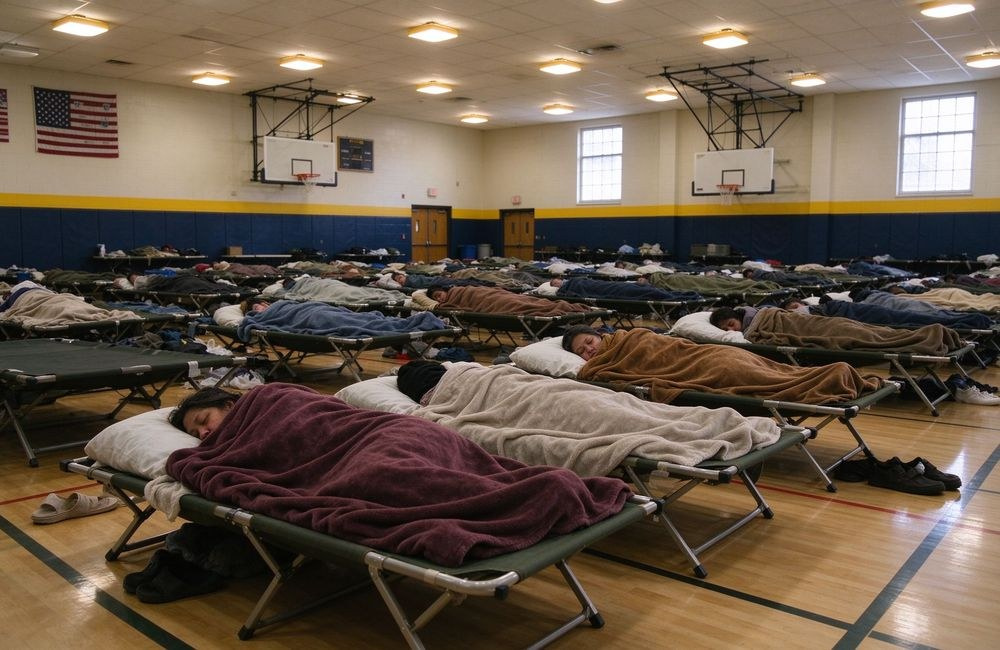
Shelter, warmth and hygiene keep people safe after the first night. This layer covers sleeping, staying warm and staying clean, and it scales the same way for one home or a hundred-room shelter.
Shelter means a dry place to sleep: a tent or tarp for evacuation, sleeping bags or bedding for the home kit, and cots for shelters. Pack one sleeping bag per person plus one spare blanket, and keep the shelter items together so the whole layer moves in one trip.
Warmth covers the climate gap in the kit. Emergency blankets take little space and hold body heat, and space blankets fit in every vehicle kit.
Count one blanket per person, add a spare, and keep the warmth items near the door so they reach the cold hour fast. This is why our 72-hour supplies guide ranks warmth high on the list.
Hygiene keeps the shelter livable: hand sanitizer, soap, wet wipes, toilet paper, garbage bags and a portable toilet kit. Add feminine hygiene items and diapers when the head count needs them. Water for washing comes from the stored water, so the hygiene list and the water list are reviewed together.
Documents are the layer people forget until they need them. A document folder and a family plan turn the kit into a complete response, because the paper travels with the people. The checklist makes the folder a fixed item, not an afterthought.
Copy the essentials into a waterproof folder: ID pages, insurance policies, medical records, passports and a list of emergency contacts. Keep cash in small bills and a USB copy of the folder. The folder lives on top of the kit, because it is the first item people reach for.
A family plan assigns roles before the event: who grabs the kit, who collects the pets, who calls the out-of-town contact. Choose a meeting point inside and outside the home, and agree on one out-of-area number. Review the plan with the seasonal checklist so the roles stay fresh.
The vehicle layer covers the hours spent away from home. A compact kit in every car handles breakdowns, and travel versions cover work bags and school bags. The list stays small so it actually stays in the vehicle.
Keep a vehicle emergency kit in every car: warning triangles, a reflective vest, a first aid kit, a flashlight, jumper cables, a blanket, water and a printed contact card. Check it at each oil change, because the vehicle kit faces heat, cold and vibration that home kits never do.
Travel versions shrink the list: a small pouch with first aid items, a headlamp, an emergency blanket, a power bank and a paper contact card. Workplaces keep the same pouch near exit points. The travel layer follows the same emergency kit checklist, cut to the essentials.
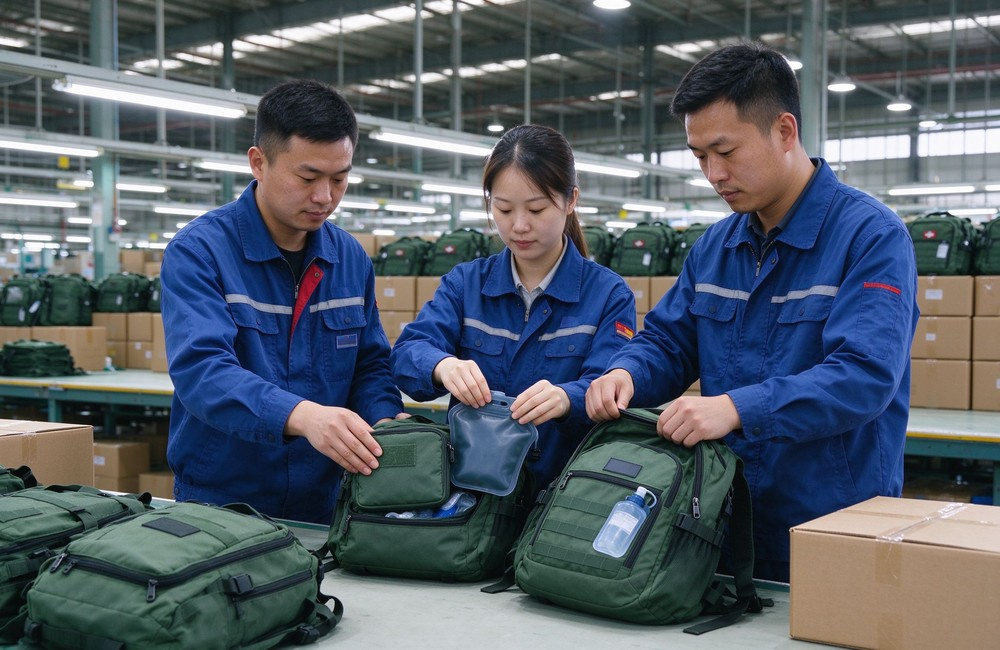
Organizations buy the same checklist at scale. Schools, hotels, government offices and relief agencies order bulk emergency kits with per-person counts, consistent contents and factory documents, so every kit on site matches the printed list.
A school with three hundred students orders kits by classroom and common area; a hotel orders by room count plus the lobby; a government office orders by floor. Each site uses the same per-person baseline, so the bulk order is one list with quantities, not a custom design per site.
When ordering bulk emergency kits, ask the factory for a packing list, material declarations and samples before the full run.
Confirm the kit contents match your emergency kit checklist item by item, request the certificates that apply to your product line, and keep one assembled sample as the receiving reference. This bulk survival kit checklist keeps an emergency kit for groups consistent across sites.
| Site | People | Coverage | Order size |
|---|---|---|---|
| School | 300-1000 | Classroom + common areas | 100-300 kits |
| Hotel | 100-500 rooms | Rooms + lobby stock | 200-600 kits |
| Government | Per floor | Office + exit points | 50-200 kits |
The table above compares the organization volumes: the columns show the site type, the people count, the kit coverage and the typical order size. Buyers use this table to turn their head count into a bulk emergency kit order, and the factory uses the same columns to quote and pack.
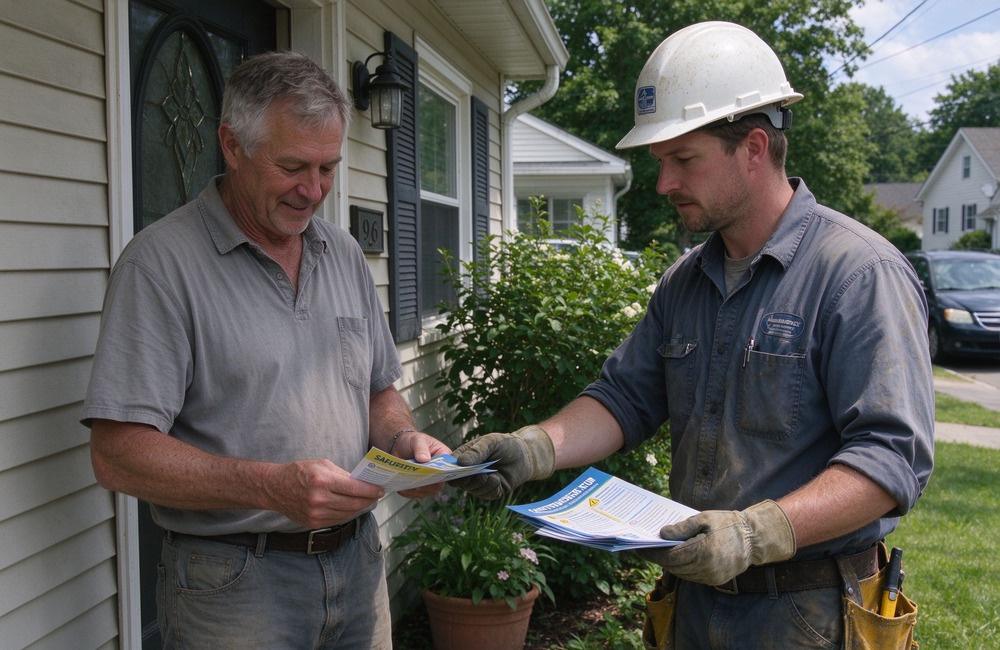
The checklist follows official guidance, so it stays aligned with what responders expect. Bookmark these pages and check them with the seasonal review, because agency guidance updates as risks change.
The NWS general emergency preparedness guidance frames how households and organizations build a ready plan. The Red Cross survival kit supplies checklist lists the essential emergency supplies every kit should hold.
Use these pages together with this Red Cross emergency survival kit supplies checklist when you scale the emergency kit checklist to a whole school, hotel or worksite.
For a hazard-specific layer that pairs with this universal checklist, our home fire emergency kit adds the fire-specific items families need at home, and the same list logic applies: baseline first, hazard layer on top.
A sound emergency kit checklist starts from what actually happens in the first 72 hours. Power, roads and shops can stay down for days after a storm, fire or flood.
Our bulk emergency kit guide and 72-hour supplies guide help organizations close these gaps before an event, not after it.
Schools hold children for hours each day. They need one emergency kit for groups per classroom plus a lobby reserve, with blankets, water and first aid sized by head count.
Hotels stock guest rooms and lobbies. A scaled checklist keeps a consistent kit on every floor, so staff can respond during a power outage or evacuation.
Work sites face site-specific hazards. We supply crew kits with PPE, lights and warmth, packed to the same essential emergency supplies baseline.
Relief agencies buy at volume. They need consistent contents, packing lists and samples, which our bulk survival kit checklist supports for large orders.
A kit that sits for years expires. Review water, food and medication twice a year, and keep the checklist on the lid.
Water is the layer people under-buy. Store one gallon per person per day for three days, plus a purification backup.
People get separated. Use grab-and-go pouches per person, plus a shared home kit, so everyone carries their own essentials.
IDs, insurance and meds matter most after a disaster. Keep a waterproof folder on top of the kit, updated each season.
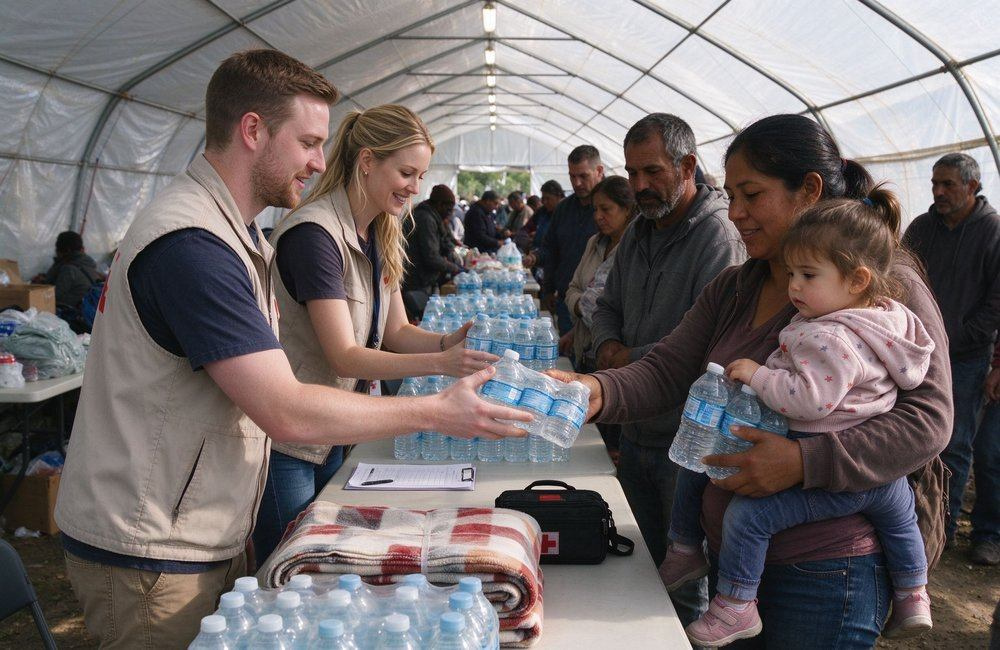
Choose the level by how long you need to cover and how many people you support. The table below matches each kit to its use case.
|
Kit level |
Best for |
Core contents |
Typical buyer |
|
Home grab kit |
One household, 72 hours |
Water, food, first aid, light, warmth |
Families |
|
Vehicle kit |
Commuters and road trips |
Triangles, vest, first aid, blanket, water |
Drivers, fleets |
|
Classroom kit |
Schools and daycares |
Per-child warmth, first aid, contact lists |
Schools |
|
Bulk site kit |
Hotels, factories, offices |
Scaled by floor or room count, OEM branded |
Organizations |
Match the kit level to your head count and hazard, then order the same emergency kit checklist for every site. Use the level column to size water, food, first aid and lighting, so contents stay consistent across your sites.
Beyond the level choice, the 72-hour essentials below apply to every kit:
|
Layer |
Minimum per person |
Check at review |
|
Water |
1 gallon / day, 3 days |
Rotation date |
|
Food |
3 days no-cook |
Expiry |
|
First aid |
1 stocked kit |
Used items restocked |
|
Warmth |
1 blanket + spare |
Dry, clean |
|
Light |
1 flashlight + radio |
Batteries test |
Use this essentials table alongside your emergency kit checklist when you restock water, food, first aid and lighting each season, so nothing is missed at each quarterly review and every site stays ready.
Basic care keeps every layer ready. Follow these four steps each season.
We supply all of the above as essential emergency supplies for wholesale and OEM. Orders over 200 sets can be private-labeled; MOQ and lead time are per contract. This bulk survival kit checklist also scales into an emergency kit for groups at any site size.

Water, food, first aid supplies, lighting, warmth, tools, documents and communication items, sized to the number of people and pets, with a seasonal review for expiry dates.
One gallon per person per day for three days, plus a purification method and a folding bladder for the bulk reserve, rotated twice a year.
Multiply the per-person counts by the head count, add a pet layer for food and a carrier, and write the number on the kit lid so it stays accurate.
Adhesive bandages, gauze, trauma dressings, antiseptic wipes, tape, scissors, gloves and a thermometer, with medication and a printed medical list on top.
Use labeled bins in a cool, dry place near the exit, keep the checklist taped to the lid, and check expiry dates at the seasonal review.
Yes. Bulk orders use the same per-person checklist scaled by room or classroom count, with packing lists, material declarations and samples before the full run.
Warning triangles, a reflective vest, a first aid kit, a flashlight, jumper cables, a blanket, water and a printed contact card, checked at each oil change.
Twice a year: rotate water and food, test lights and radios, check medication expiry, and update the document folder and contact numbers.
ID pages, insurance policies, medical records, passports, cash in small bills and a USB copy of the folder, kept in a waterproof pouch on top.
A packing list, material declarations, applicable certificates and one assembled sample as the receiving reference for the full order.
Label every container with a fill date, swap stored water twice a year, and replace expiring food at the seasonal review before the old stock goes bad.
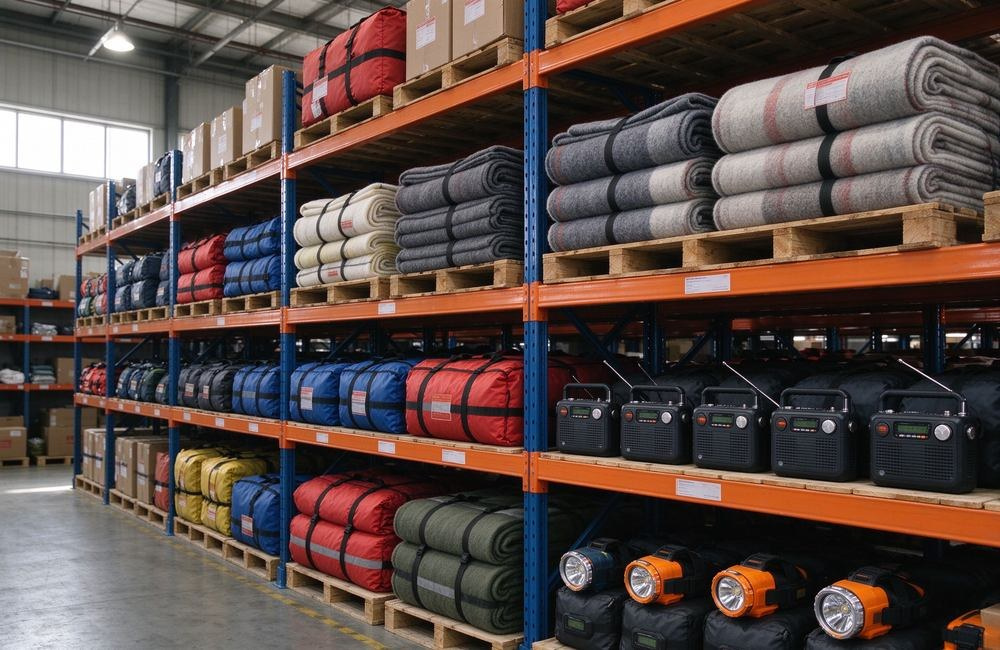
Warehouse shelves loaded with bulk emergency supplies, blankets and kits ready for the annual emergency kit checklist review and restock
Twice a year, run the review: rotate water and food, test lights and radios, check the first aid dates, refresh the document folder and confirm the head count on the lid. A ten-minute review keeps the whole emergency kit checklist honest, and the printed list makes the check faster each time.
Rotation follows the dates on the containers. Swap stored water, replace expiring food, renew medication with refills and test batteries. Organizations restock from the bulk order at the same rhythm, so the warehouse shelf count matches the checklist on every site.
The emergency kit checklist is not a shopping list; it is a decision made in advance. Pack the baseline, add the hazard layer, review the list each season and restock what expired. When the situation arrives, the kit is ready because the list was .
Contact: info@yrftextile.com · YRF Textile, China
This guide supports preparedness planning; always follow local alerts and official guidance.
Links amigáveis :
direito autoral © Custom Disaster - Relief Bedding: Tents, Sleeping Bags, Blankets Todos os direitos reservados
a equipe profissional para o serviço !