Categorias
After 20 years of supplying institutional and relief blankets, we have seen the same sourcing mistakes repeat: a buyer asks for a "polar fleece blanket" without naming the user group, compares two quotes that use different GSM bases, or approves a sample that does not match the bulk construction. This guide walks through the decisions in the order that prevents those mistakes.
Material is the first decision because it sets the price range, the care route, and the expected service life. A refugee camp blanket and a hotel room blanket may both be called fleece, but they use different yarns, weights, and edge treatments.
The most common choice for institutional and relief orders. Anti-pilling polar fleece uses 150D/144F or 150D/288F yarn — the higher filament count gives a softer hand but slightly higher cost. It is durable, quick-drying, and survives repeated industrial washing. Typical GSM range: 180–300 g/m².
Uses finer 75D/144F or 75D/288F yarn for a lighter, softer feel. It is less durable under institutional laundering and pills faster with heavy use. Best for hotel rooms, corporate gifts, or resale where the hand feel matters more than long-term durability. Typical GSM range: 130–200 g/m².
Warmest option for cold-climate relief and military use. A 5% wool content can legally be labelled "wool blend," so always ask for the exact wool percentage. Pure wool is expensive and requires special care; blends (wool/polyester) balance warmth and cost. Typical GSM range: 250–400 g/m².
Used for hospital and institutional bedding where a cotton-like feel is expected. Less common for emergency relief because cotton holds moisture and dries slowly. Typical blend ratio: 65/35 or 50/50 polyester/cotton.
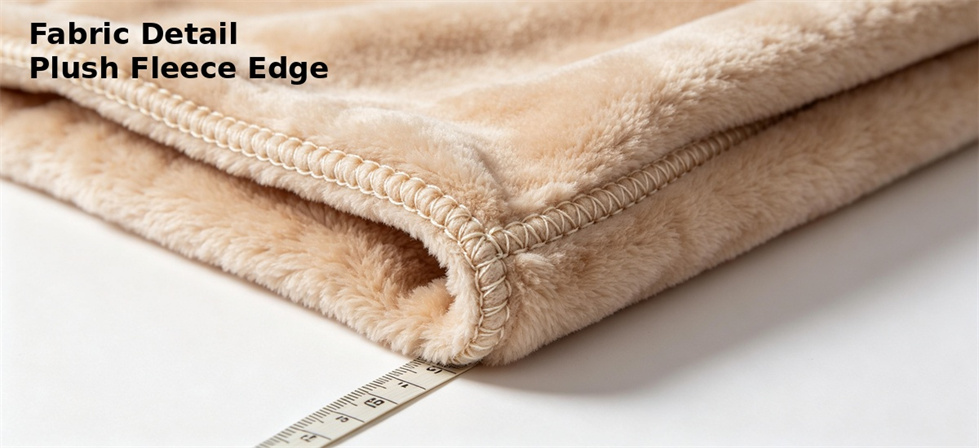
In our experience, relief programmes usually select anti-pilling polar fleece at 200–250 GSM. It balances cost, warmth, and wash durability. Microfleece feels softer in the showroom but shows pilling after 10–15 institutional washes, which leads to complaints from end users. If the blanket will be laundered more than 50 times, spend the extra 5–8% on flat-felled binding and 150D/288F yarn.
GSM (grams per square metre) describes fabric weight, but two suppliers can quote the same GSM and deliver different blankets. The difference comes from whether they measure grey fabric, finished fabric, or the finished blanket including binding.
Industry standard tolerance is ±5% on finished blanket GSM, measured after the fabric has been conditioned at 20±2°C and 65±4% humidity for at least 24 hours. Fabric fresh off the loom can carry 3–8% moisture regain, so the first weighing reads heavier. A 200 GSM blanket can legally range 190–210 GSM. If your tender requires tighter tolerance (±3%), state it explicitly — it may increase cost by 5–8% because the supplier must sort grey fabric more carefully.
| User Group | Common Size | Typical GSM | Notes |
|---|---|---|---|
| Adult relief / institutional | 150 × 200 cm | 200–250 | Most common for government and NGO orders |
| Child relief | 120 × 180 cm | 180–220 | Smaller size reduces cost and shipping volume |
| Hotel / hospitality | 180 × 220 cm | 220–300 | Larger coverage, softer hand feel expected |
| Single bed | 160 × 220 cm | 200–250 | Fits standard single institutional beds |
| Emergency / compact | 130 × 180 cm | 150–200 | Lightweight, high-volume stockpiling |
▶ Recycled polyester disaster relief blankets offer both environmental benefits and cost advantages, but recycled content and performance vary widely across products. Our article *How to Select Recycled Polyester Relief Blankets for Bulk Procurement* provides a selection framework based on environmental standards and real-world usage needs.
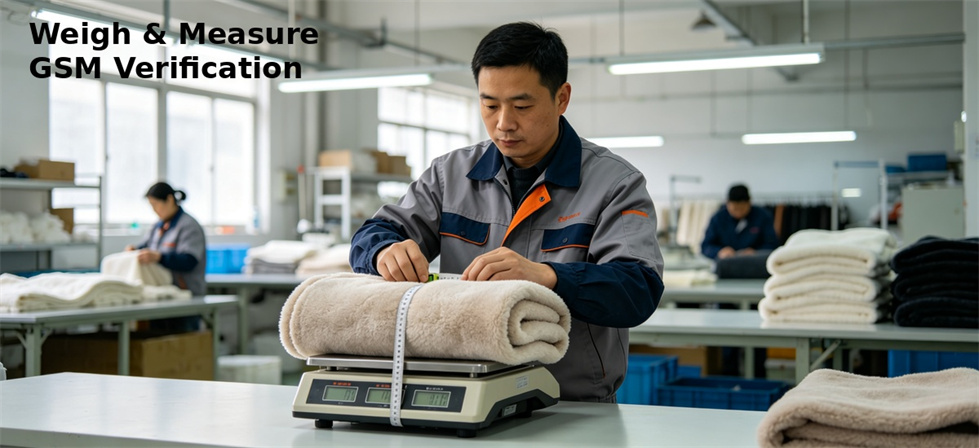
Weigh at least 5 pieces from different cartons, not just the top piece. Measure with a steel tape, not a flexible ruler — fabric can stretch 2–3 cm when pulled. Lay the blanket flat, smooth it without tension, and measure length and width at three points each, recording the minimum.
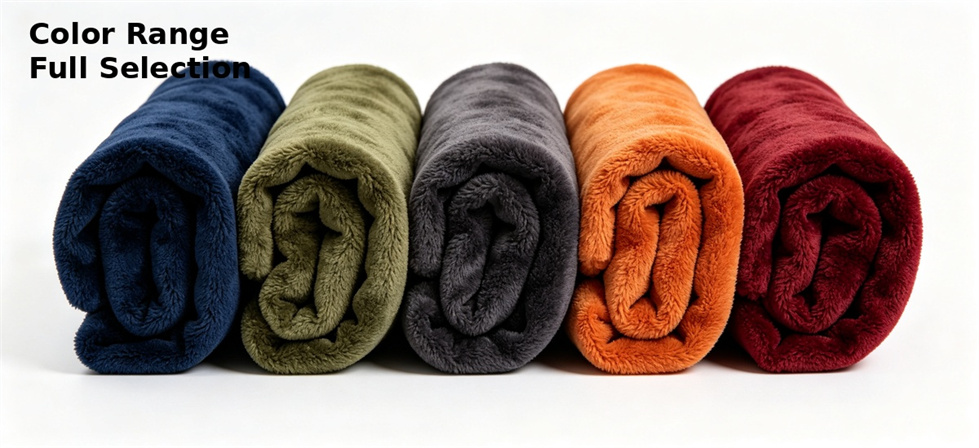
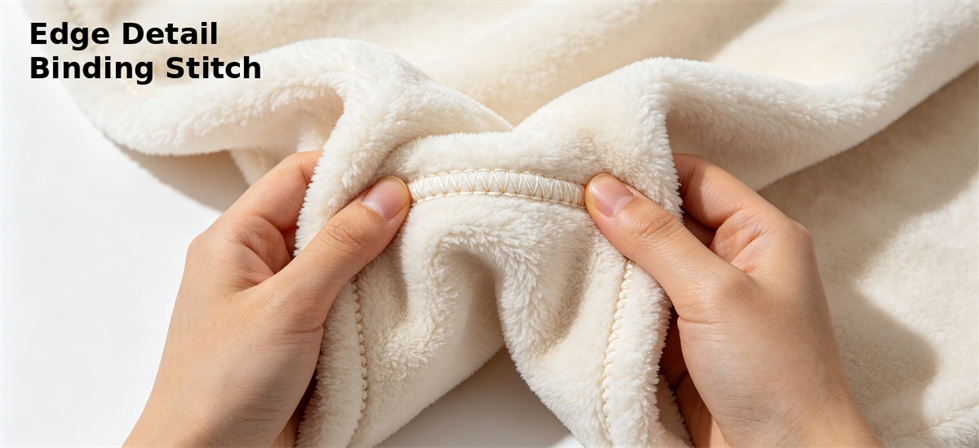
Colour and binding are often treated as afterthoughts, but they affect durability, identification, and reorder consistency.
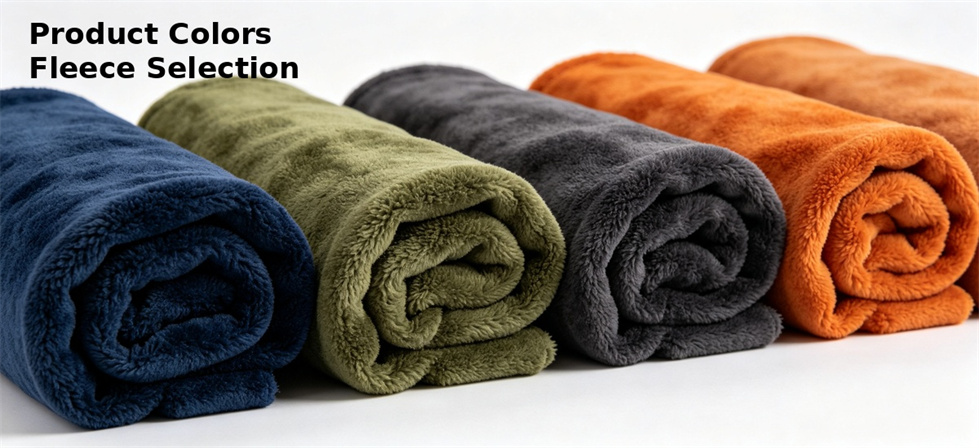
Navy blue, olive green, and dark grey are the most common for institutional and relief orders because they hide stains and survive repeated industrial washing. Bright colours (orange, red) are used for emergency visibility and easy identification in distribution. White is generally avoided for relief use because it shows dirt quickly.
Labels should be in the language of the end user, not Chinese. For export orders, specify English or the destination country language. Include care instructions, fibre content, and country of origin ("Made in China"). Sewn-in labels last longer than printed labels in institutional washing.
The biggest mismatch between expectation and reality comes from care conditions. A blanket that performs well in a home washing machine may fall apart in an institutional laundry.
Institutional laundering typically runs at 60–75°C with alkaline detergent and chlorine bleach. Polyester fleece survives this cycle, but colour fastness to washing should be at least Grade 4 on the ISO 105-C06 scale. Anything below Grade 3–4 shows visible fading after 10–15 washes.
We once had a buyer reject an entire shipment because the blankets faded after the first wash. The supplier had quoted "colour fast" but only tested at 40°C, while the institution washed at 75°C with bleach. Always specify the wash temperature and detergent type in your inquiry, and ask for the test standard number, not just a "pass" result.
A sample is only useful if it matches the intended bulk configuration. A "similar" sample from stock will not reveal dye-lot, finishing, or construction differences.
| Sample Type | Cost Range | Lead Time | Best For |
|---|---|---|---|
| Stock colour sample | USD 30–50 / pc | 3–5 working days | Checking hand feel, weight, standard colours |
| Custom-dyed sample | USD 50–80 / pc | 7–10 working days | Matching specific Pantone colours |
| Custom-labelled sample | USD 50–80 / pc | 7–10 working days | Confirming label artwork and placement |
| Fully custom (grey fabric up) | Quote on request | 20–35 working days | Custom fibre blend, special construction, certification needs |
Sample fees are usually deductible from bulk orders when the order reaches USD 5,000 or 5,000 pieces. Always confirm the sample is made from the same fabric lot and construction as the proposed bulk — a stock "similar" sample will not reveal dye-lot or finishing differences.
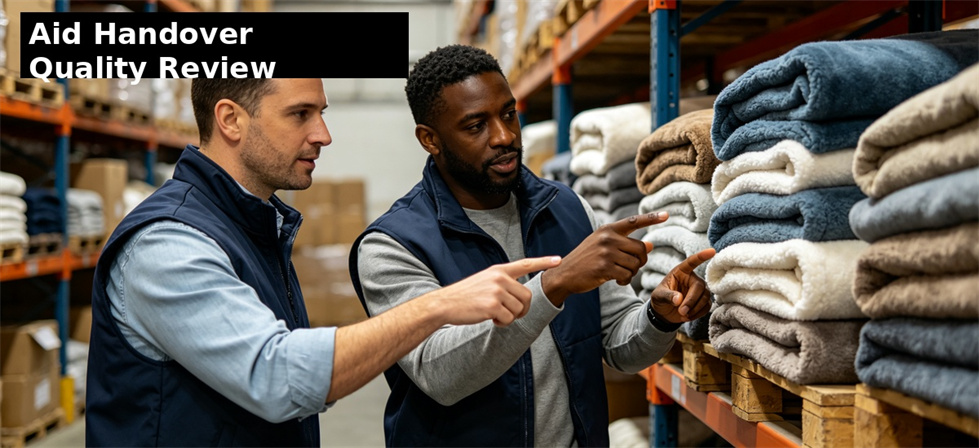
Packing affects landed cost more than most buyers realise. A 15% difference in pieces per carton changes container utilisation, which matters when ordering 50,000 pieces.
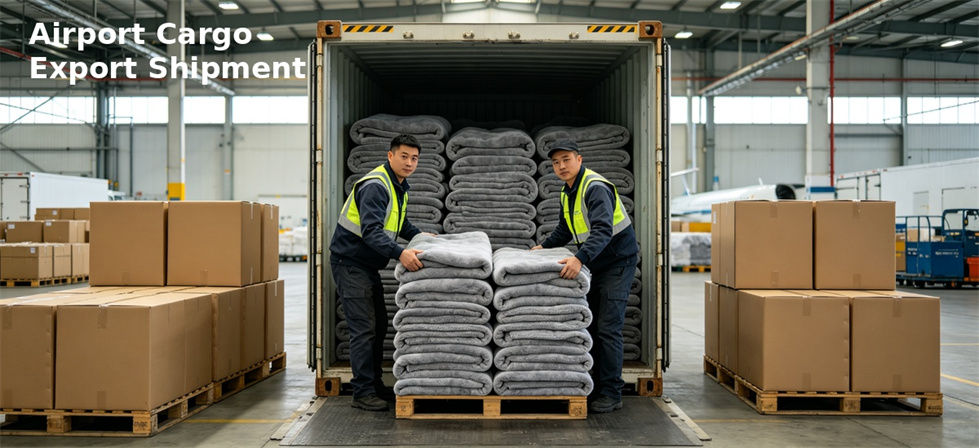
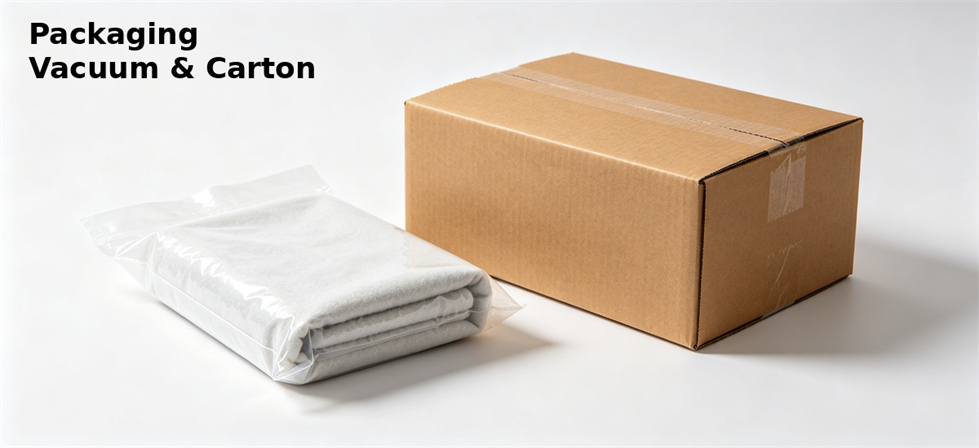
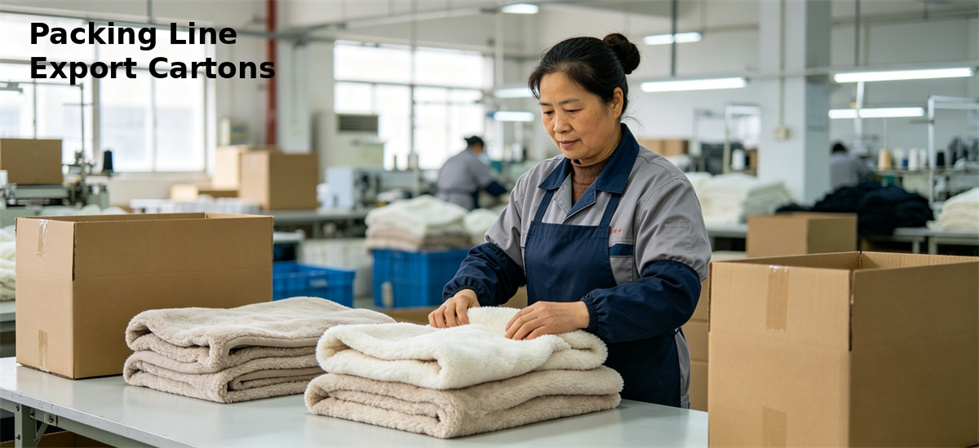
A standard 5-ply export carton for blankets measures approximately 60 × 40 × 40 cm and holds 15–25 kg depending on blanket thickness. Carton bursting strength should be at least 150 psi for sea freight. For government stockpile orders that may sit in warehouse 3–5 years, request 7-ply cartons or add a PE inner liner with desiccant (5g silica gel per carton is standard). Stacking height should not exceed 8 cartons for 5-ply, or 12 for 7-ply.
▶ Over Size Wool Blanket Soft & Thick United Nations Contribute. Click the title link to view oversized dimension options, material standards and quotation for international humanitarian contribution projects.
Always ask for carton dimensions and gross weight alongside unit price. A blanket quoted at FOB Shanghai with 30 pieces per carton has a different landed cost than the same blanket at EXW factory with 20 pieces per carton. The carton difference changes container utilisation by roughly 15%.
A test report is only useful if it applies to your exact product configuration. Before accepting a report, check these four points in order.
Several terms are used differently across suppliers, and a mismatch here is one of the most common sources of quotation confusion.
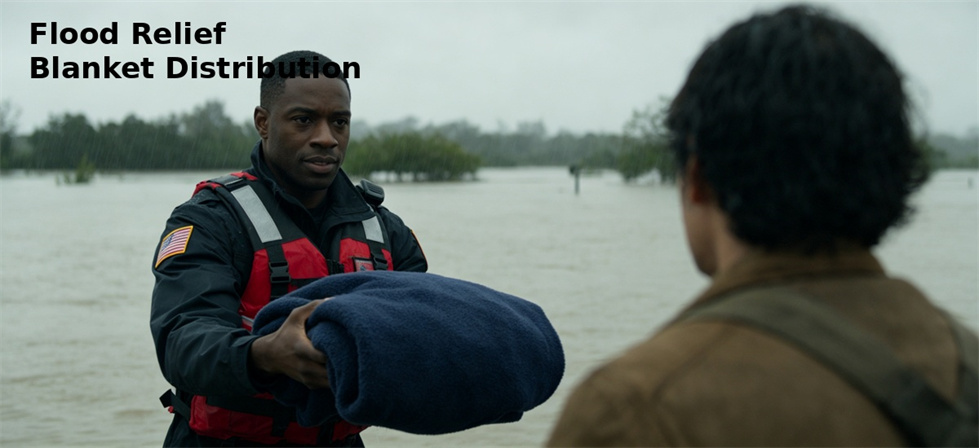
You do not need a laboratory to catch the most common specification gaps. These five checks take less than ten minutes and tell you whether the sample matches the quotation before bulk production.
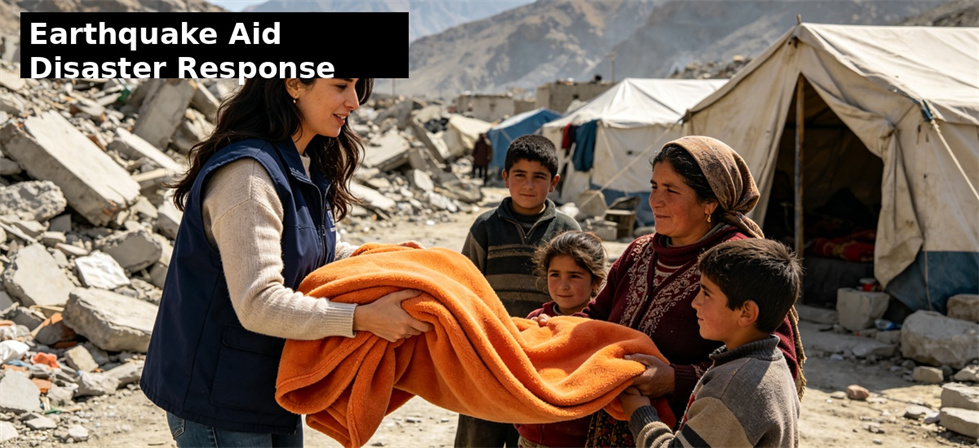
Once the product specifications are clear, the procurement flow follows a straightforward sequence. The most common mistakes happen when steps are skipped or when two suppliers are compared on different bases.
When comparing quotations, look beyond unit price. First check whether each offer answers the same requirement set, then review sample basis, packed volume, document scope, and delivery basis separately. Treat a missing item as a question for the current round rather than filling it with an assumption.
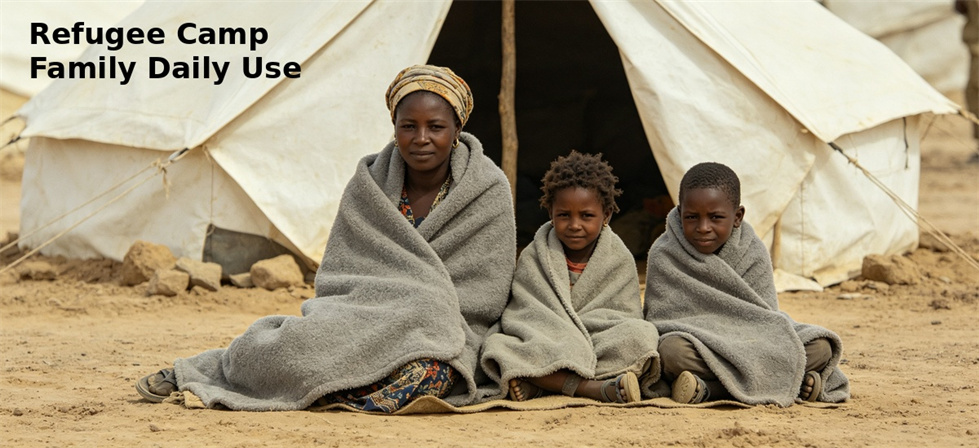
For most relief programmes, 200–250 GSM anti-pilling polar fleece is the standard. It balances warmth, durability, and cost. For cold-climate relief, consider 250–300 GSM or a wool blend. For compact stockpiling, 150–200 GSM reduces shipping volume.
150 × 200 cm is the most common adult size for government and NGO orders. Child relief blankets are typically 120 × 180 cm. Always confirm the bed dimensions at the destination before finalising size.
Confirm both use the same GSM basis (finished blanket, not grey fabric), same size, same binding, same packing, and same delivery term. A lower unit price with fewer pieces per carton can have a higher landed cost.
Industry standard is ±5% on finished blanket GSM, measured after 24 hours of conditioning at 20°C and 65% humidity. If your tender requires ±3%, state it explicitly — it may increase cost by 5–8%.
Yes, when size, colour, hand feel, construction, or care response matters to the decision. Confirm the sample uses the same fabric lot and construction as the proposed bulk — a stock "similar" sample will not reveal dye-lot or finishing differences.
Stock-colour samples cost USD 30–50 per piece and ship in 3–5 working days. Custom-dyed or custom-labelled samples cost USD 50–80 and take 7–10 working days. Fully custom orders from grey fabric take 20–35 days. Sample fees are usually deductible from bulk orders above USD 5,000.
It depends on GSM, size, and packing. A 200 GSM 150×200 cm blanket, 30 pieces per 60×40×40 cm carton, fits approximately 8,000–10,000 pieces in a 20ft container. Vacuum packing increases this by 30–40%.
For institutional use, accept Grade 4 or above for washing (ISO 105-C06) and Grade 4–5 for dry rubbing (ISO 105-X12). Below Grade 3–4, blankets will visibly fade or stain bedding after 10–15 washes.
No. A test report only applies to the exact product configuration tested. A report for a 200 GSM navy blanket does not cover your 250 GSM olive blanket. Request product-specific reports for each order.
Polar fleece uses 150D yarn and is more durable for institutional washing. Microfleece uses finer 75D yarn for a softer hand but pills faster with heavy use. They are not interchangeable at the same GSM.
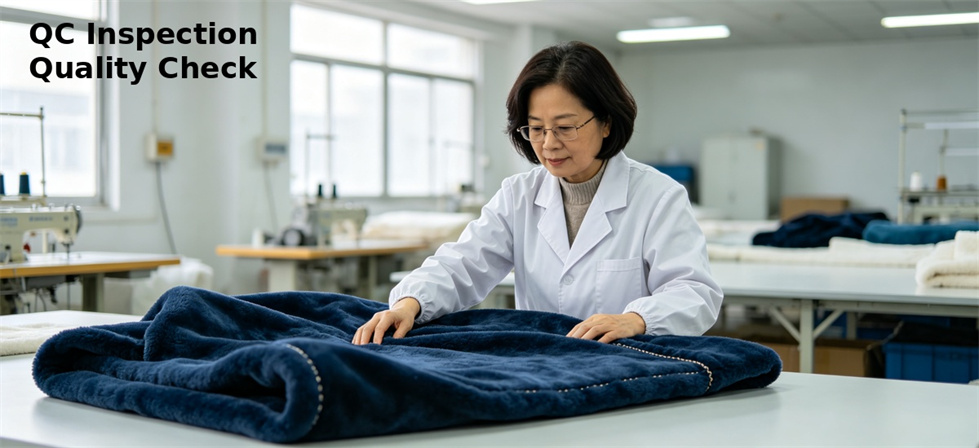
Wash the sample with a white cotton cloth at 60°C. If the cloth picks up visible colour, fastness is below Grade 3. Also rub the dry surface 20 times with white cotton — significant transfer means rubbing fastness is below Grade 3.
For stockpiles stored 3–5 years, use 7-ply cartons with PE inner liner and 5g silica gel desiccant per carton. Bulk packing (20–50 pieces per carton) is standard; individual polybags add cost but protect from dust during long storage.
At minimum: commercial invoice, packing list, bill of lading, and certificate of origin. If the project requires compliance, request test reports (colour fastness, pilling, shrinkage) and material safety data sheets. Only request documents that serve a stated purpose.
▶ Whether it's large-scale procurement for government emergency reserves, long-term supply for prison accommodation, or specialized material support for military camps, we support large-volume wholesale supply of emergency relief blankets, strictly following project technical standards for each scenario to guarantee stable supply capacity. For more institutional bulk purchasing details, see our article *Emergency Disaster Relief Blankets | For Government Stockpiles, Correctional Facility Blankets & Military Camps – Bulk Wholesale Supply*.
✅ Factory video link (YouTube): https://x.c1ns.cn/zVNIU
✅ Facebook homepage: https://a.c1ns.cn/SjJla
Links amigáveis :
direito autoral © Custom Disaster - Relief Bedding: Tents, Sleeping Bags, Blankets Todos os direitos reservados
a equipe profissional para o serviço !