Categorias
Last Updated: October 12, 2026
When a landslide hits, rescue teams can't wait for supplies to arrive. They need rugged, reliable equipment that works in mud, rain, and darkness. This guide covers exactly what bulk landslide emergency kit supplies rescue teams need—real specs, real prices, and the procurement mistakes that leave teams with useless gear.
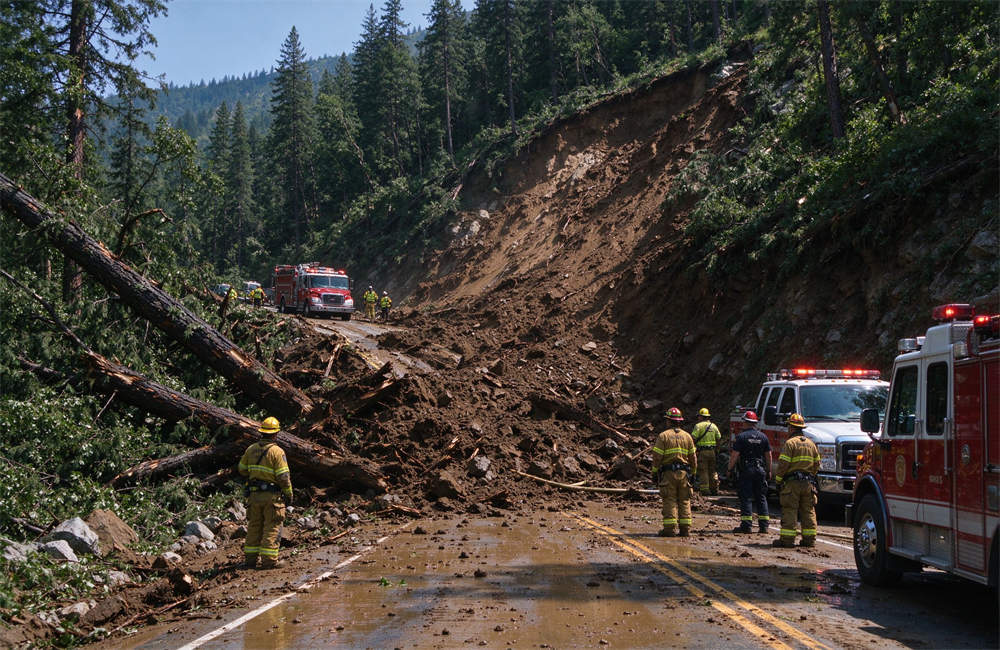
Devastating landslide covering a mountain road, with rescue vehicles and emergency workers on site.
We are a leading landslide rescue equipment wholesale supplier from China, specializing in field camp supplies and rescue team gear for disaster relief operations worldwide. From gasoline chainsaws and pneumatic jackhammers to portable generators and lighting towers, we supply everything your team needs to respond quickly and safely.
We also supply rescue rope and safety harness for high-angle rescue operations, plus first aid kit and reflective vest for scene safety. We also supply rain poncho and for immediate danger situations, plus emergency blanket for cold weather deployments. Our rain poncho is waterproof and lightweight, perfect for keeping your team dry during rainy conditions.
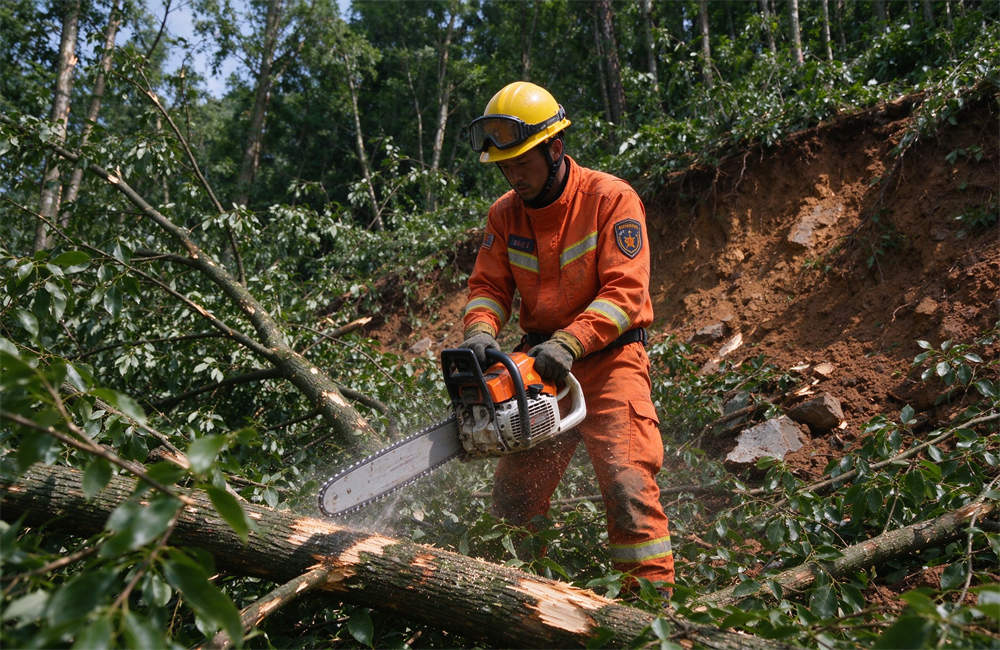
Rescue worker using gasoline chainsaw to clear fallen trees after landslide.
Landslides don't just happen in remote mountains. They happen on highway embankments, after heavy rain, during construction, and even in suburban neighborhoods. When a landslide blocks a road or buries a building, rescue teams need equipment that's rugged, portable, and ready to use right away. That's why having the right landslide preparedness supplies on hand is so critical—you can't wait for supplies to arrive from across the country when people are trapped.
Many people don't realize that landslides can happen anywhere it rains heavily. In recent years, landslides have hit urban areas, suburban neighborhoods, and even highway cuts that were thought to be stable. Having your own emergency kit ready means you can respond within hours, not days.
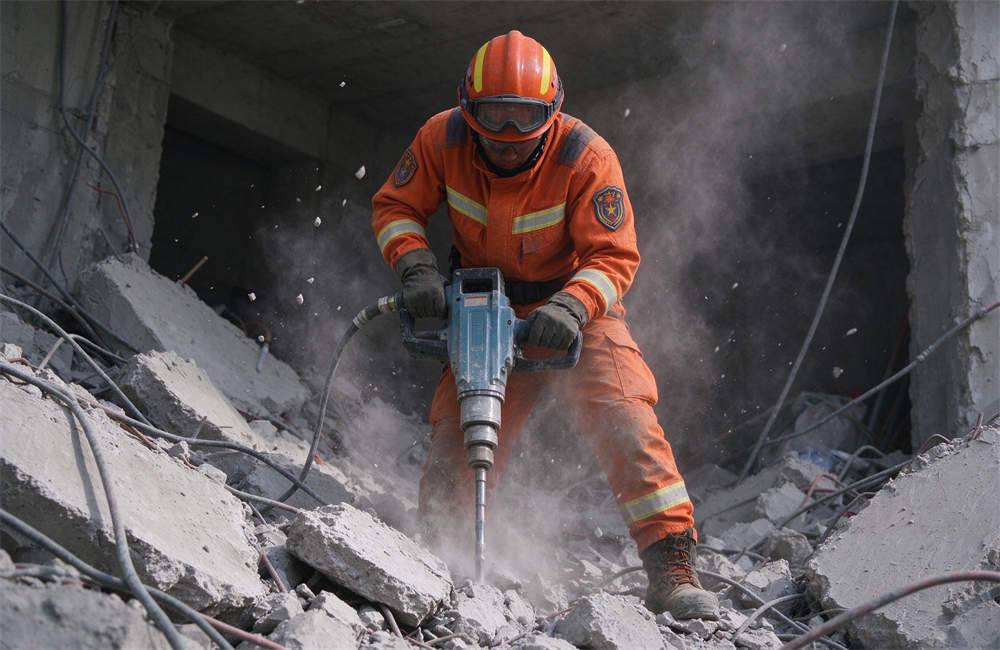
Rescue worker using pneumatic jackhammer to break up concrete rubble.
Landslide rescue is not like building a fire line. The ground is still moving, rocks are still falling, and visibility is zero in thick mud and rain. Crews hike in with shovels and probes, digging through debris to find people who are trapped. One slip on a muddy slope, one falling rock, and a crew member is injured.
The International Labour Organization says head injuries and hand injuries are the top two causes of on-the-job injury for landslide rescue workers. That is why every team needs proper landslide emergency kit gear: helmets that stop falling rock, gloves that stop cuts from broken glass and rebar, and headlamps that work in pouring rain.
The World Health Organization notes that landslide debris carries waterborne bacteria, so cuts on crew members' hands get infected fast—this is why puncture-resistant gloves are not just a comfort item, they are infection control.
Our China factory supplies bulk search and rescue gear to mountain rescue teams, road maintenance crews, mining operations, and disaster relief NGOs worldwide. Every helmet and glove is tested to EN standards, and we ship mixed pallets to any port.
Gasoline chainsaws are one of the most essential tools for landslide cleanup operations. When fallen trees block access roads, you can't wait for a tree service to show up—your rescue team needs to clear the way themselves. Our chainsaws are 2-stroke, easy to start even in cold weather, and come with a spare chain and oil bottle. Always wear proper PPE when using them: safety helmet, goggles, gloves, and steel-toe boots.
Pneumatic jackhammers are another must-have for built-up area landslides. When concrete slabs and asphalt rubble need to be broken up, manually with shovels is too slow. Our jackhammers are 15kg, balanced, and comfortable to hold for long shifts. Pair them with a small portable air compressor and you have a complete breaking setup that can clear rubble fast.
After a landslide, fallen trees and branches block access roads and rescue paths. Our gasoline chainsaws are 2-stroke, easy to start, and powerful enough to cut through 30cm+ diameter tree trunks. They come with a carrying case, extra chain, and oil bottle. This is one of the most essential tools for landslide cleanup operations—you can't manually clear large fallen trees with just shovels and axes.
For breaking up concrete and asphalt rubble, our pneumatic jackhammers are the way to go. They're 15kg, powerful enough to break through 20cm thick concrete slabs. When paired with a small air compressor, they make short work of rubble that would take hours to break by hand. This is the heavy-duty equipment you need when you're dealing with built-up areas hit by landslides, not just natural terrain.
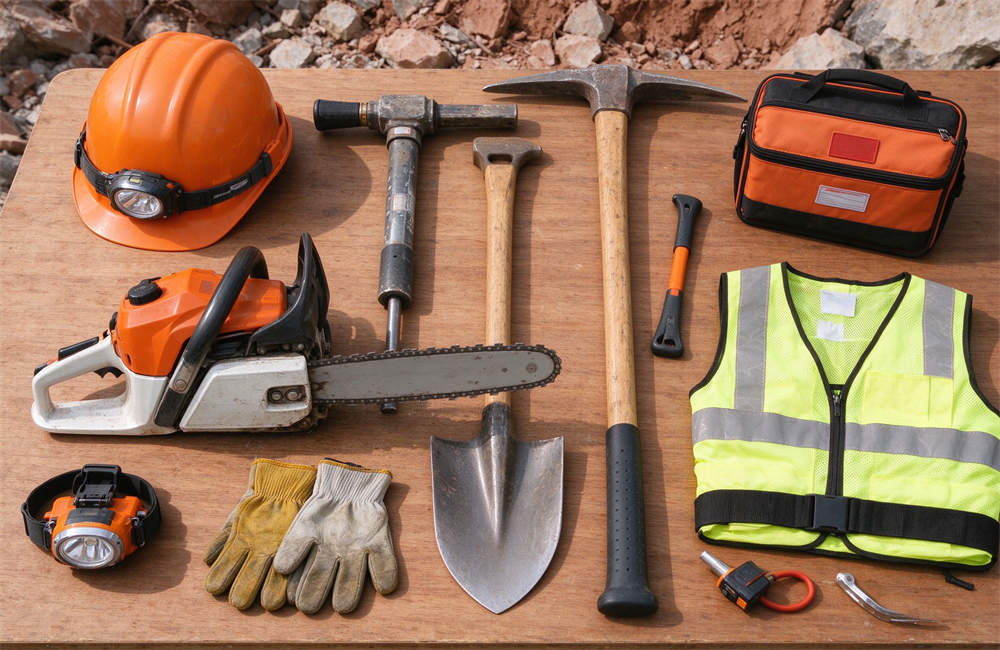
Landslide rescue tools flat lay: chainsaw, jackhammer, shovel, helmet, headlamp, gloves, vest, first aid kit.
A complete mudslide equipment kit covers five categories: head protection (safety helmets), hand protection (rescue gloves), lighting (headlamps), first aid, and scene safety (reflective vests and tape). Everything is waterproof, mud-proof, and works when wet. Most teams under-buy gloves and helmets, and over-buy generic office first aid kits that are useless in the field.
Based on our experience supplying hundreds of rescue teams and relief organizations, this table shows the recommended configuration for different team sizes and deployment durations. Use it as a starting point and adjust based on your actual mission requirements and local conditions.
Here's a quick budget reference to help you plan your procurement. The basic tier covers the minimum essentials for a small team, the standard tier is what most medium-sized relief organizations choose, and the premium tier is for large-scale operations supporting hundreds of evacuees.
Based on our experience supplying hundreds of rescue teams and relief organizations, this table shows the recommended configuration for different team sizes and deployment durations. Use it as a starting point and adjust based on your actual mission requirements.
Here's a quick budget reference to help you plan your procurement. The basic tier covers the minimum essentials, the standard tier is what most medium-sized relief organizations choose, and the premium tier is for large-scale operations.
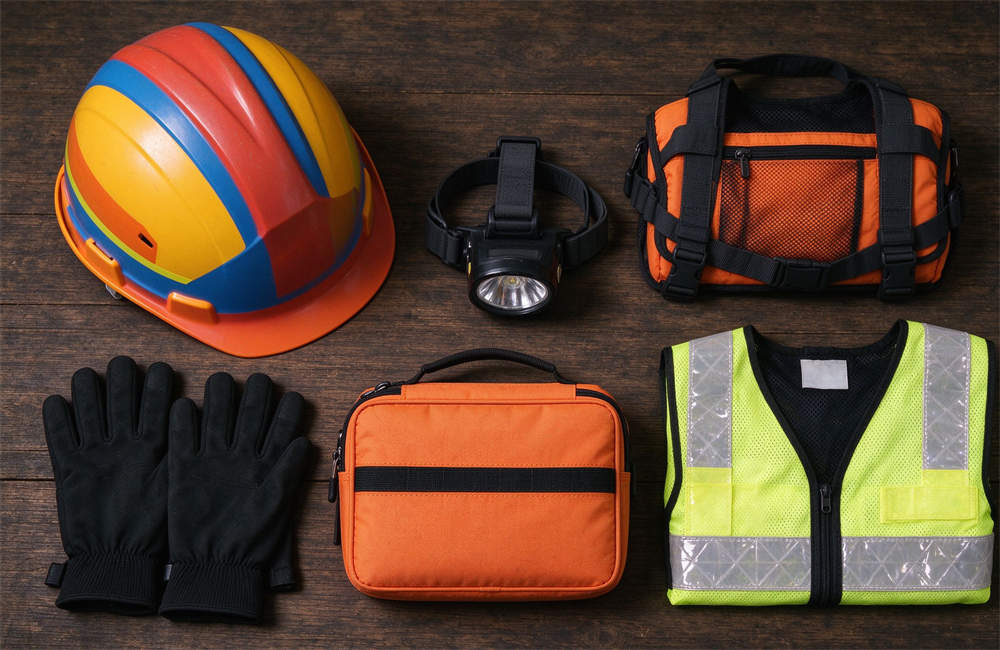
A complete mudslide equipment kit covers head, hand, lighting, first aid, and scene safety—all waterproof and mud-proof.
Category
What to buy
Qty for 20-person team
Why it matters
Head protection
EN397 safety helmet (4 colors)
20 units
Stop falling rock and debris
Hand protection
Puncture-resistant rescue glove
40 pairs
Stop cuts from glass and rebar
Lighting
IPX5 LED headlamp
25 units
Light in dark, muddy trenches
First aid
Field trauma kit
5 units
Treat cuts and broken bones on site
Scene safety
Class 2 reflective vest
25 units
Visibility in rain and mud
Most teams under-buy gloves and helmets, and over-buy generic first aid kits. A standard office first aid kit is useless in a landslide—you need trauma dressings for broken bones, not band-aids for paper cuts.
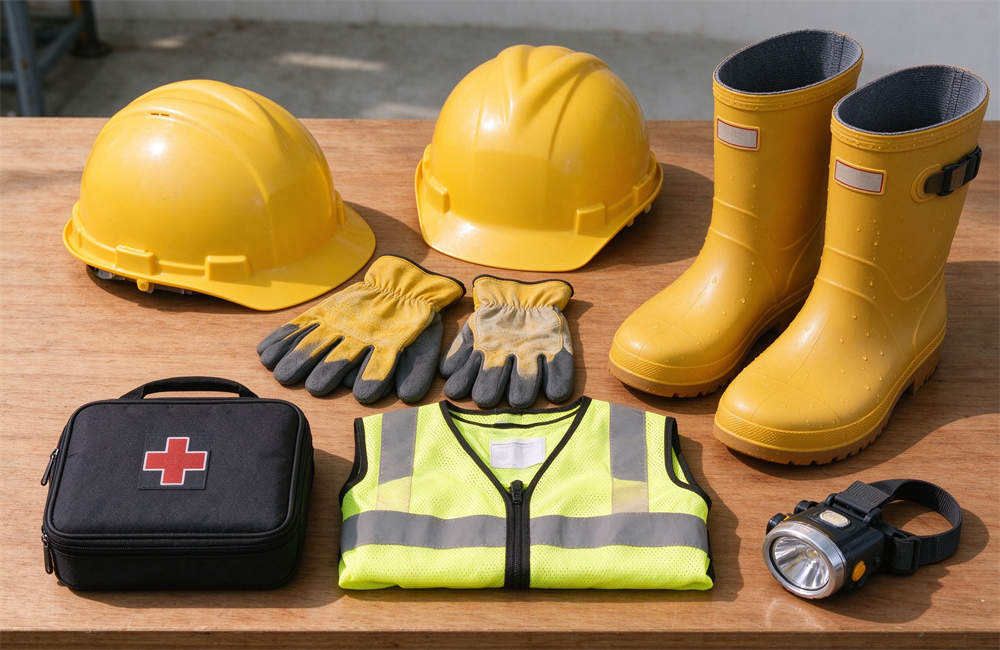
Personal protective equipment flat lay: helmet, gloves, rain boots, vest, first aid kit, headlamp.
The single most important piece of landslide gear is the safety helmet. A falling rock from 10 meters up hits with enough force to crack a skull. Cheap helmets are made of thin recycled plastic that cracks on impact; our helmets are EN397 certified, made of high-density polyethylene, and tested to withstand a 5kg steel ball dropped from 3 meters.
We supply helmets in four colors: white for team leads, yellow for general crew, orange for searchers, and red for medical. Color coding lets you tell who is who from 20 meters away, in heavy rain and mud. Every helmet has an adjustable chin strap, so it stays on even when a crew member is crawling through a muddy trench.
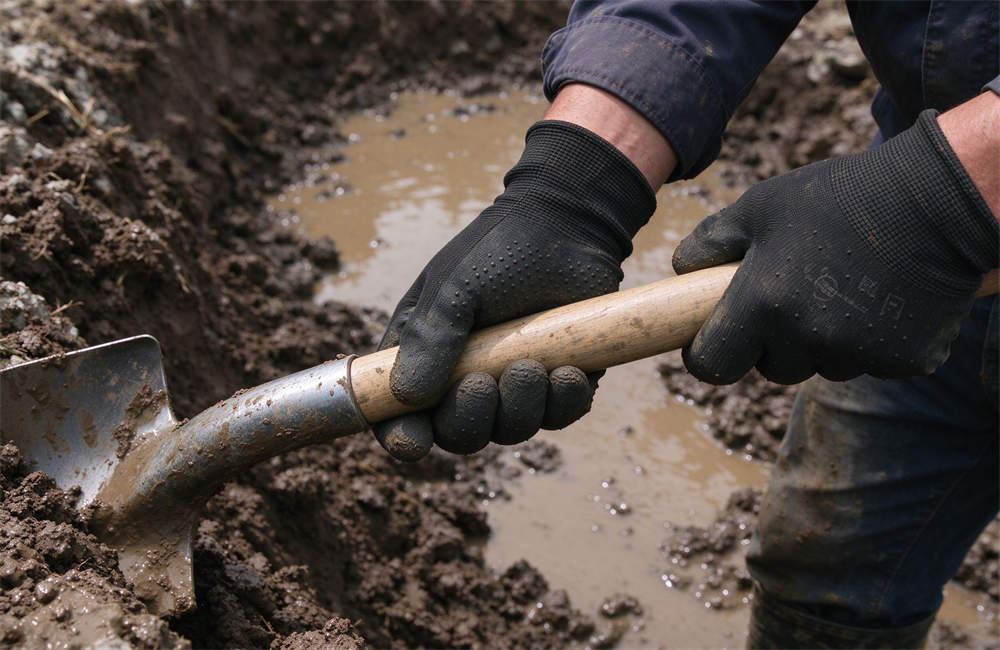
Puncture-resistant work gloves on a bright wooden table, well-lit natural daylight, showing the padded palm grip design.
Landslide debris is full of broken glass, rebar, sharp rock, and nails. A standard work glove tears after 10 minutes of digging, and the crew ends up with cuts on every finger. Our rescue gloves are puncture-resistant, with a kevlar layer on the palm, so glass and nails do not go through.
The gloves are waterproof on the back, so crew hands stay dry even when they are digging through mud and water. The palm is reinforced leather, so they hold up to shovels and pry bars. We supply them in sizes S to XXL, so every crew member gets a pair that fits.
When you buy bulk rescue gloves, buy two pairs per crew member. Gloves get soaked, muddy, and torn during a long operation, so having a spare pair means you do not send a crew member out with bare hands. Cheap gloves save $2 a pair, but a single glass cut means a crew member is out for a week with an infection.
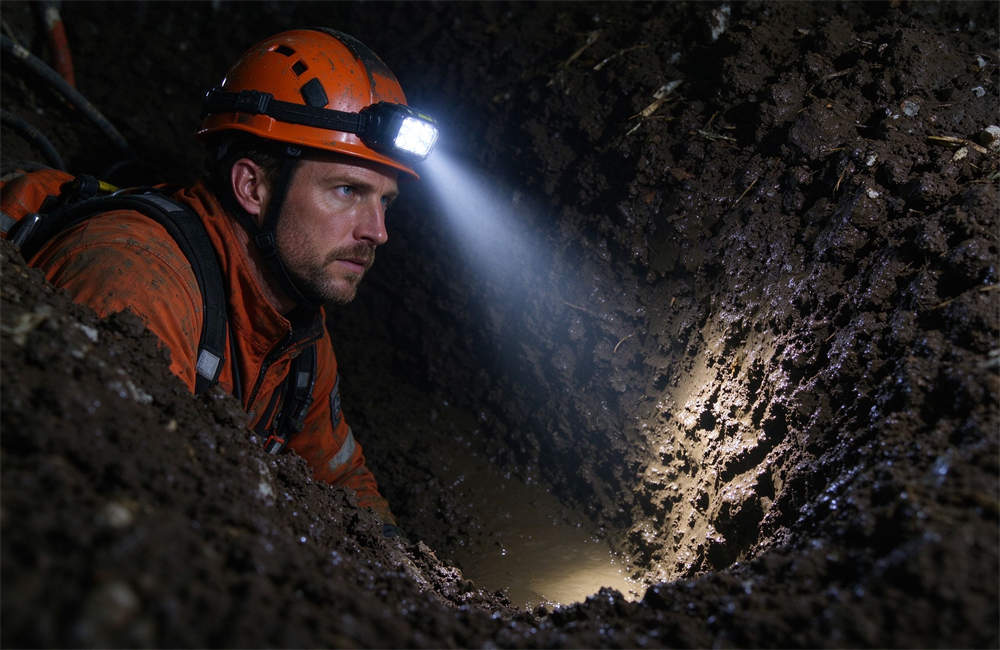
IPX5 waterproof headlamps clip onto the helmet front—both hands free for shoveling in dark trenches.
Our headlamps are IPX5 waterproof, so they work in pouring rain and mud. They run for 20 hours on a charge, have a red light mode that does not ruin night vision, and have a beam distance of 50 meters. We supply a helmet clip with every headlamp, so it clicks onto the front of the EN397 helmet, no drilling needed.
Cheap headlamps die after 2 hours, and the beam is so dim you can only see your feet. Ours have a 3W LED, bright enough to see a broken branch 20 meters away. We recommend one headlamp per crew member, plus 5 spares for equipment failures.
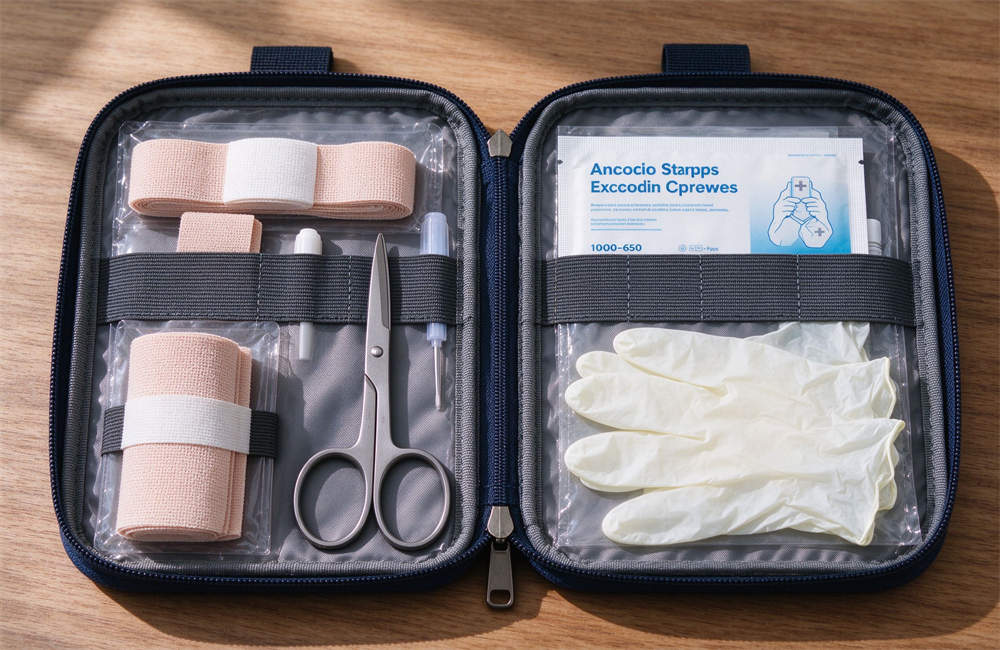
Open emergency first aid kit showing bandages, scissors, wipes, and gloves included.
A landslide rescue scene is full of sharp debris, and crew members get cuts, sprains, and broken bones. A standard office first aid kit with band-aids and pain relievers is useless. Our field trauma kits are stocked with gauze, trauma dressings, triangular bandages, and splints—all dry, no liquid ointments that expire.
Every kit is sealed in a hard plastic waterproof case, so it survives being dropped in mud, rained on, or carried in a truck bed. The case is bright orange, so you can find it in a muddy ditch. We recommend one trauma kit per 4 crew members, so someone with medical training is never more than 2 minutes away.
We also supply emergency rescue whistles, which are loud enough to be heard over rain and wind. Crews clip them to their helmet straps, so if they get trapped under debris, they can signal for help. A whistle carries further than yelling, and it does not waste your voice.
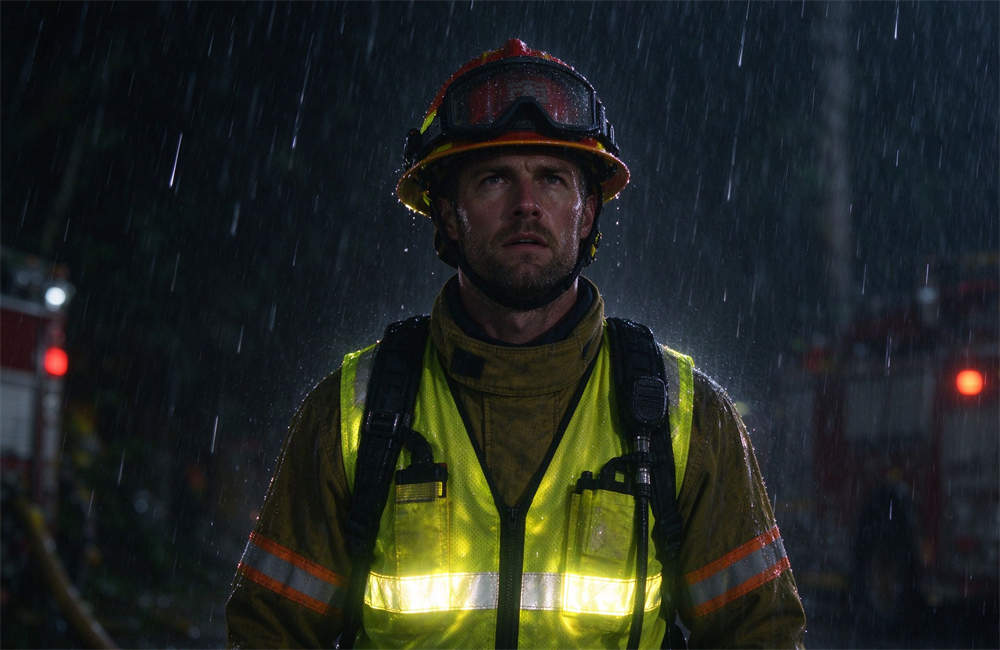
Class 2 reflective vests are visible from 200 meters in heavy rain—truck drivers see crews on muddy access roads.
Landslide scenes are chaotic: heavy rain, limited visibility, multiple agencies, and trucks driving up muddy access roads. Crews need to be visible, so drivers do not run them over. Our Class 2 reflective vests meet visibility standards, so they are visible from 200 meters in heavy rain.
The vests have two pockets for radios and notebooks, and adjustable side straps so they fit over muddy turnout gear. We also supply red and white barrier tape, 500m per roll, which marks off the slide area, so civilians do not walk into an unstable slope.
For field notes, crew leaders can use waterproof notebooks and pens, which we recommend sourcing locally along with other paper consumables. Paper notepads get soggy and unreadable in heavy rain; a waterproof notebook keeps search areas and victim counts legible.
In rainy conditions, a good rain poncho is essential. It keeps your team dry without restricting movement, and it packs down small enough to fit in any kit. Our ponchos are 210D polyester with taped seams, so they actually keep water out—unlike cheap thin ones that tear after one use.
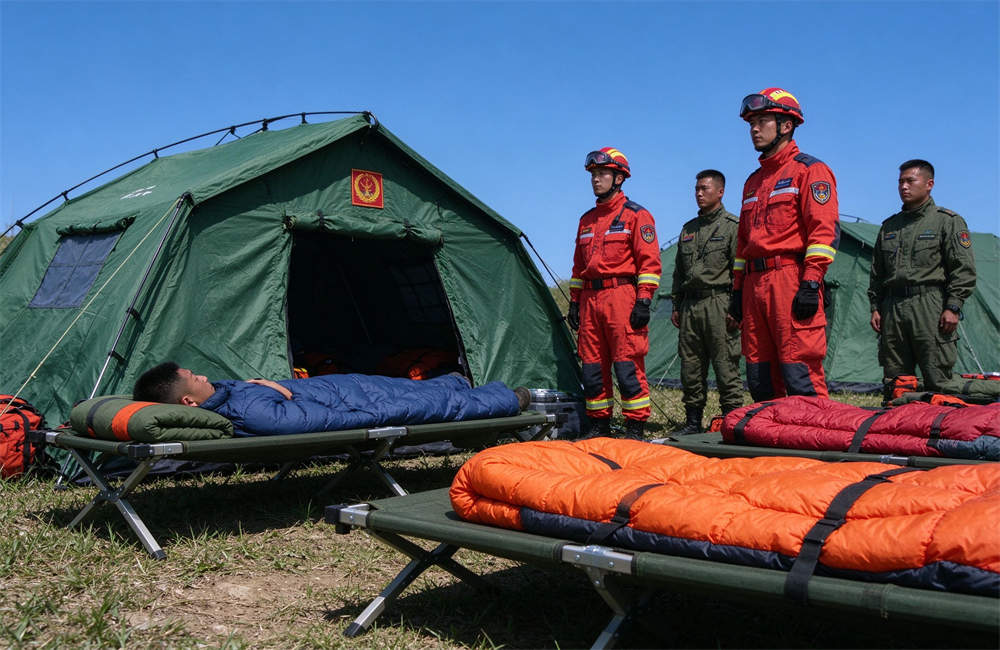
Base camps with rugged tents, folding cots, and 5°C rated sleeping bags keep crews operational for 2-3 days.
Landslide operations rarely finish in one shift. Crews work 12-hour rotations for 2-3 days, digging through debris in rain and mud. They need a base camp at the foot of the slide, where they can eat, sleep, and rotate—this is where our textile products matter, because a tired crew with no warm place to rest makes mistakes.
We supply rugged emergency tents that set up in 10 minutes and house 4-6 crew members, with a rainfly that holds up in mountain storms. For crew rest, we supply folding cots that set up in 10 seconds and emergency sleeping bags rated for 5°C mountain nights. The sleeping bags pack down small, so crews can carry them on the hike in, and they keep a dry crew warm even when the ground is mud.
For very short shifts, we also supply aluminum emergency blankets, which fold to the size of a candy bar and reflect 90% of body heat. These are for quick breaks during digging, not for overnight sleep—when a crew member is going to rest for 6 hours, a proper sleeping bag and cot are the right choice. We also supply foldable ponchos, so crew members stay dry while digging in the rain.
Do not rely on heavy wool blankets for landslide work—they get heavy and soggy when wet, and they are too bulky to carry on a long hike in. Sleeping bags and cots are lighter, warmer, and packable, which is what a moving rescue team actually needs.
For high-angle rescue operations where you need to light up large areas, our mobile lighting tower is the best choice. It can reach up to 6 meters high, illuminating an entire rescue zone. This is essential for night operations where visibility is critical—you can't see what you're doing if you're working in the dark with just headlamps. Pair it with our portable generator and you have a complete lighting setup that works anywhere, even when there's no grid power.
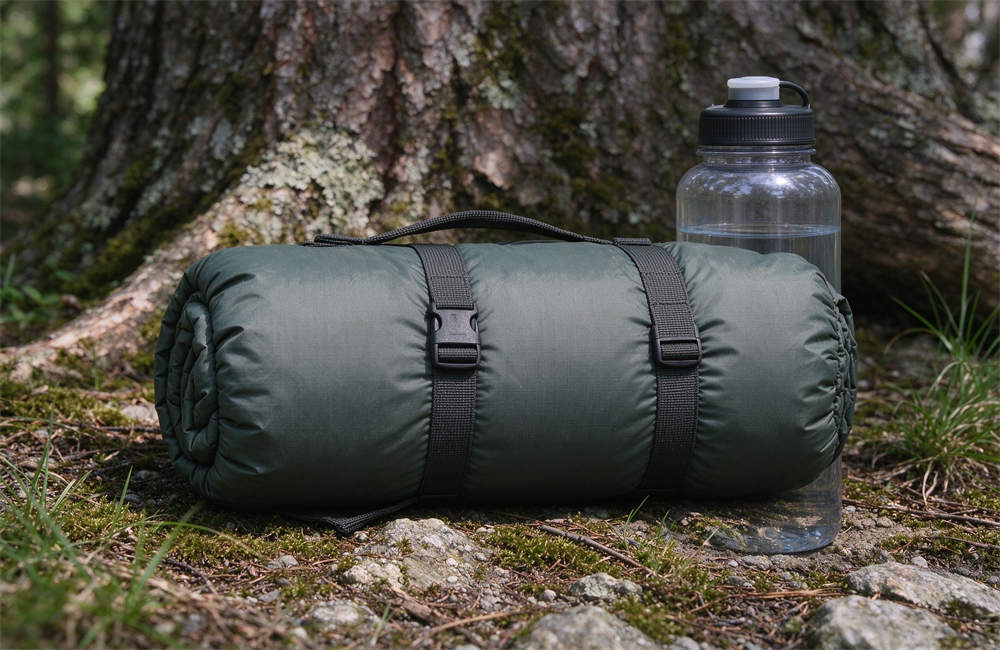
Bulk 5C rated sleeping bags pack down small enough for a long hike in—wool blankets get heavy and soggy when wet.
When a landslide cuts off power to the area, your rescue camp needs its own power source. Our portable generator range from 1kW to 5kW—enough to power lighting towers, charge radios, and run small equipment. They're compact enough to transport in a pickup truck and quiet enough to run overnight without disturbing the team.
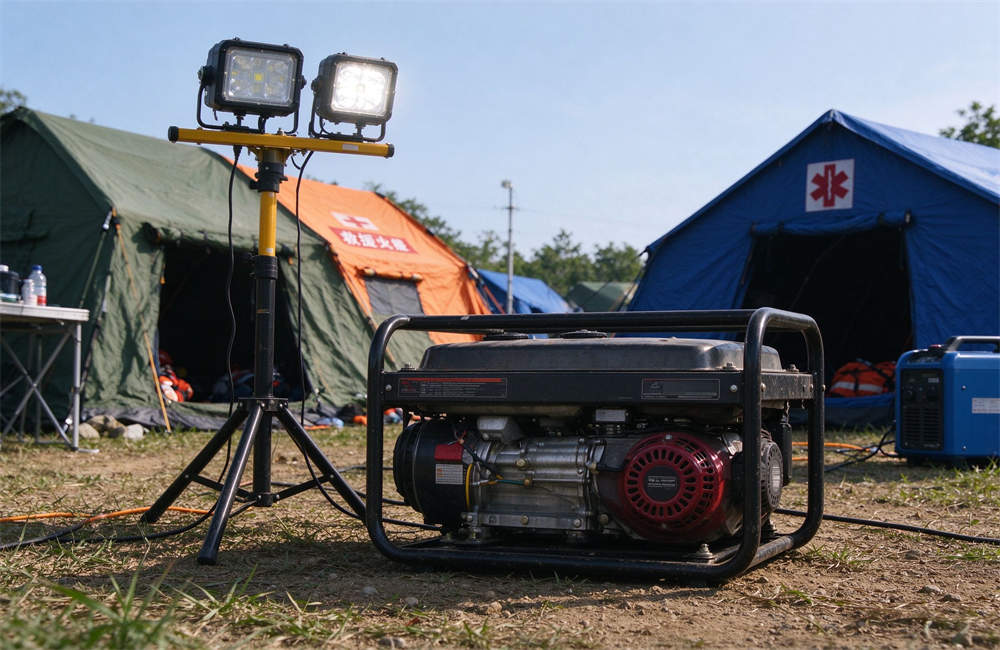
Portable generator running at a rescue camp, powering the lighting tower.
Night rescue operations need bright, reliable lighting. Our temporary lighting tower comes with 4x 100W LED floodlights, providing enough light for a full search and rescue zone. They mount on a tripod stand and run on either AC power or the portable generator. Bright, even illumination means your team can work safely after dark without straining their eyes.
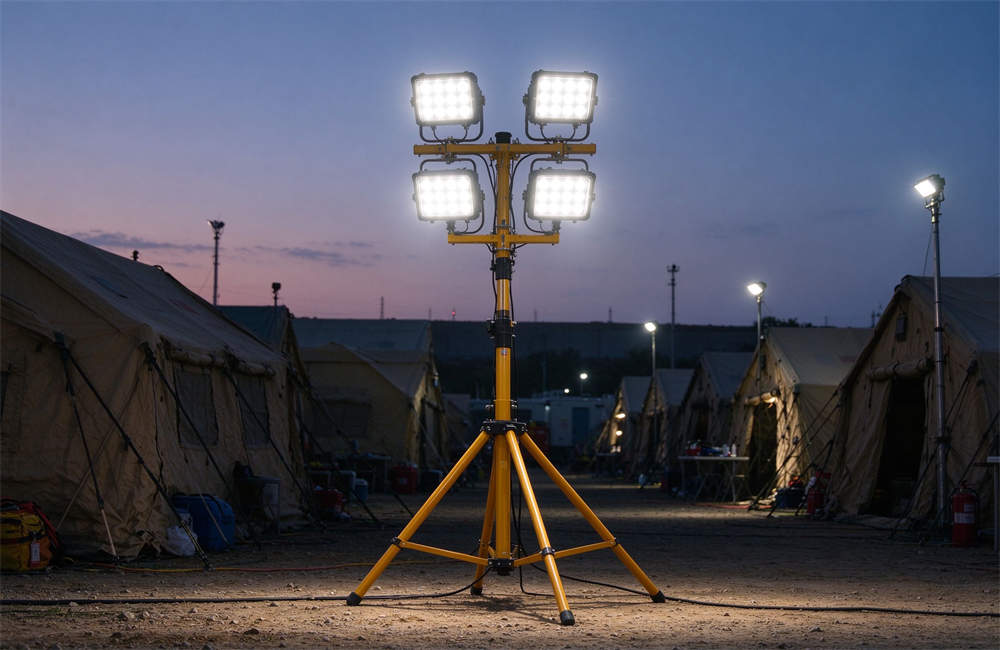
Temporary lighting tower with 4 LED floodlights, illuminating the rescue camp at dusk.
For overnight stays, our wilderness tent is waterproof, wind-resistant, and quick to set up. They come in 4-person, 8-person, and 12-person sizes. Each tent includes a rainfly, ground sheet, and aluminum poles—everything you need to set up a dry shelter in minutes. When combined with folding camp cot and emergency wool blanket, your team can rest properly between shifts.
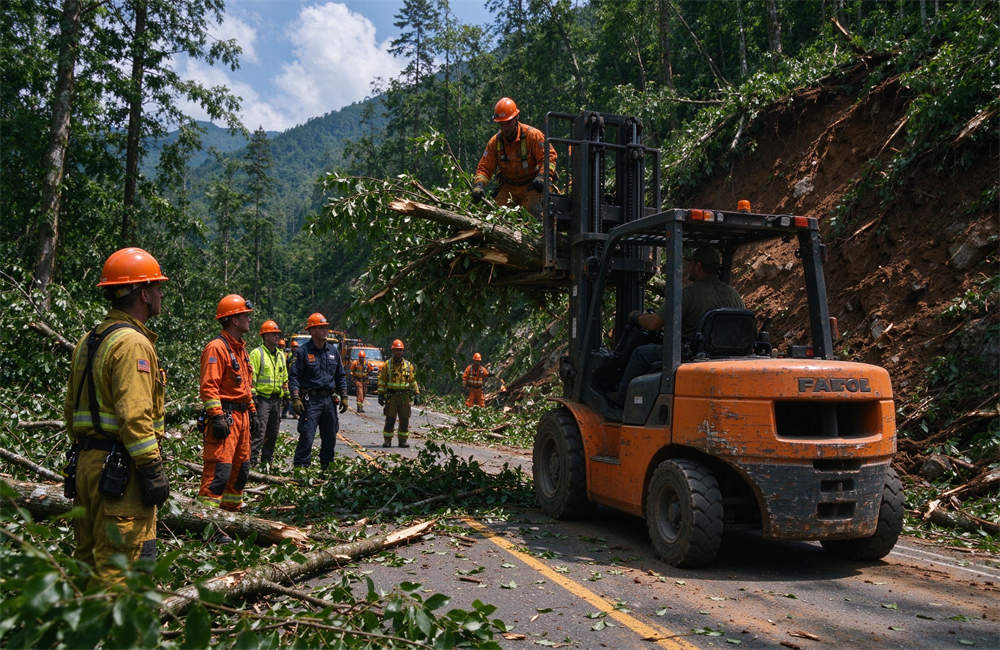
Forklift clearing fallen trees and debris from a mountain road after landslide.
Mining operations and road maintenance crews face landslide risk every rainy season, not just after a major disaster. Open-pit mines have steep walls that can slide after heavy rain, and mountain highways can wash out without warning. For these teams, we recommend a permanent stock of helmets, gloves, and headlamps at every worksite, not just a single warehouse kit.
Road crews working on mountain highways need the same gear, plus high-visibility trim that meets highway work zone standards. Our vests have extra reflective tape on the shoulders, so passing trucks can see crew members even in fog and rain. The World Meteorological Organization recommends that mountain road crews check weather forecasts daily during rainy season, and stage gear before storms hit.
Mining operations also need heat-resistant gloves for hot rock handling, in addition to the puncture gloves for landslide debris. We supply both types, so crews are covered for rock falls and routine mining work.
Seventh, not training staff. Buying the gear is only half the job. If rescue teams don't know how to use the equipment properly, it's useless. We provide basic training videos with every bulk order, and we recommend regular drills with your team to make sure everyone knows how to operate the pumps, set up the camp, and use the rescue tools correctly.
Eighth, buying cheap imitation gear. There are many cheap copies of popular rescue tools on the market. They look the same but break after a few uses. Always ask for product specifications and certification documents before ordering. Our products are tested to international standards, and we provide detailed QC reports with every shipment.
Sixth, not training staff. Buying the gear is only half the job. If your team doesn't know how to use the chainsaw safely, or how to set up the generator properly, the equipment is useless. We provide basic training videos with every bulk order, and we recommend regular drills with your team to make sure everyone knows how to operate the equipment correctly.
Seventh, buying cheap imitation tools. There are many cheap copies of popular chainsaws and jackhammers on the market. They look the same but break after a few uses. Always ask for product specifications and certification documents before ordering. Our tools are tested to international standards, and we provide detailed QC reports with every shipment.
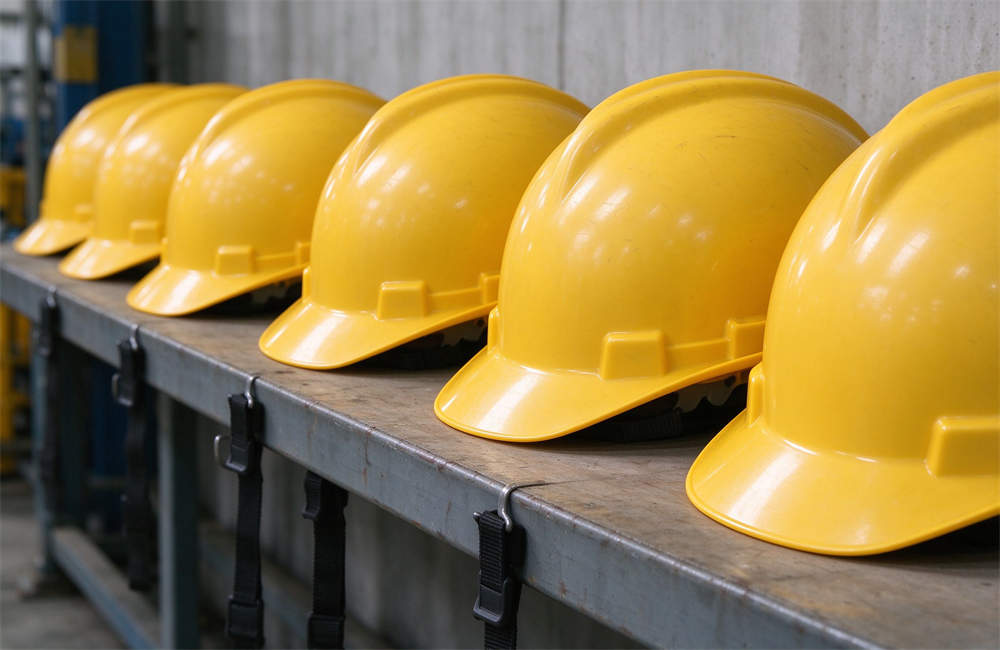
Wrong way: all helmets the same color means you cannot tell team leads from volunteers in heavy rain.
First, buying cheap helmets that crack on impact. You save $5 per helmet, but when a rock hits, the crew member gets a skull fracture. Always buy EN397 certified helmets, and test one by dropping a steel ball on it before you buy 200. Second, buying cheap gloves that tear after 10 minutes. You save $2 a pair, but a glass cut means a week off with infection.
Third, waiting until the landslide happens to order. After a major slide, every supplier in the region is out of helmets and gloves, and lead times stretch to 6 weeks. Order in the off-season, when stock is available and prices are 20% lower. Fourth, buying office first aid kits instead of trauma kits. Office kits have band-aids; you need trauma dressings for broken bones.
Another mistake is not color-coding helmets. If all helmets are the same color, you cannot tell who is the team lead, who is a searcher, and who is a volunteer. Color coding lets you organize the scene from 20 meters away, in heavy rain.
The basic tier is what most small NGOs start with. It covers the essentials: rescue tools, basic shelter supplies, and medical kits. It's enough for a 20-person team on a 3-day deployment, but you'll need to add more if you're supporting a larger operation. The standard tier is what most medium-sized relief organizations choose. It includes all the basic supplies plus water storage, communication equipment, and additional shelter supplies for up to 100 evacuees.
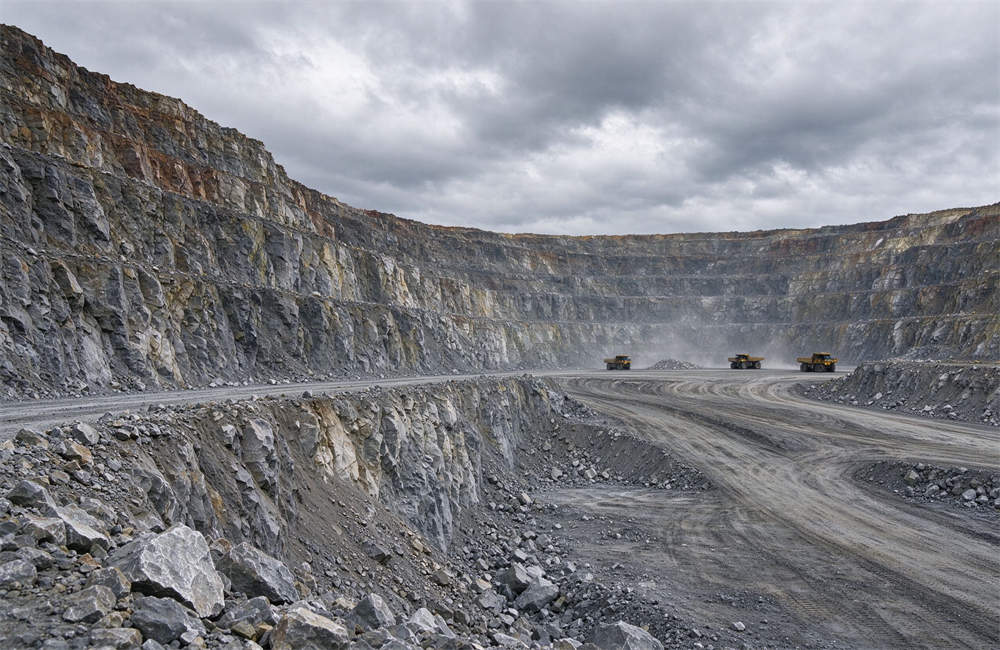
Open-pit mines have steep walls that can slide after heavy rain—permanent PPE stock at every worksite is essential.
The premium tier is for large-scale operations. It includes everything in the standard tier plus additional rescue tools, heavier-duty water storage, and bulk shelter supplies for up to 500 evacuees. This is what government agencies and large international NGOs typically order for major disaster response operations.
The basic tier is what most small NGOs start with. It covers the essentials: personal protective equipment, basic hand tools, and first aid kits. It's enough for a 20-person team on a 3-day deployment, but you'll need to add more if you're supporting a larger operation. The standard tier is what most medium-sized relief organizations choose. It includes all the basic supplies plus a gasoline chainsaw, a portable generator, and additional shelter supplies for up to 100 evacuees.
The premium tier is for large-scale operations. It includes everything in the standard tier plus a pneumatic jackhammer, a lighting tower, and bulk shelter supplies for up to 500 evacuees. This is what government agencies and large international NGOs typically order for major disaster response operations. All tiers can be customized to your specific needs—just tell us what you need and we'll build a kit that fits.
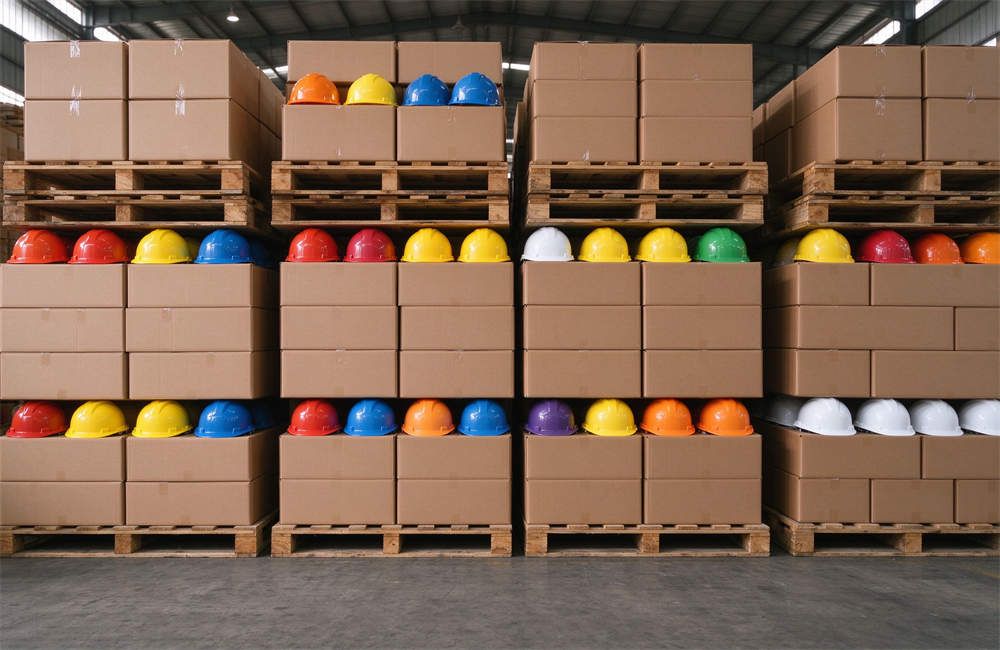
Mixed pallet orders of 500+ units qualify for bulk discounts and free ocean freight to major ports.
This budget covers a 20-person mountain rescue team. Prices are FOB China, based on mixed pallet orders of 500+ units. For smaller orders, unit prices run 15-25% higher. We recommend ordering 20% extra gloves and helmets, to cover units that get lost or damaged during operations.
|
Item |
Unit cost (FOB China) |
Qty for 20-person team |
Subtotal |
|
EN397 safety helmet (4 colors) |
$6-$12 |
20 units |
$120-$240 |
|
Puncture-resistant rescue glove |
$3.50-$7.00 |
40 pairs |
$140-$280 |
|
IPX5 LED headlamp |
$4.50-$8.00 |
25 units |
$112.50-$200 |
|
Field trauma kit |
$12-$22 |
5 units |
$60-$110 |
|
Class 2 reflective vest |
$3.00-$6.00 |
25 units |
$75-$150 |
|
Team camp (multi-day operations) |
|||
|
4-6 person emergency tent |
$35-$65 |
5 tents |
$175-$325 |
|
Folding cot |
$12-$22 |
20 units |
$240-$440 |
|
5°C rated sleeping bag |
$8-$15 |
25 units |
$200-$375 |
|
Bulk pallet discount (500+ units mixed) |
15% off total + free ocean freight to major ports |
||
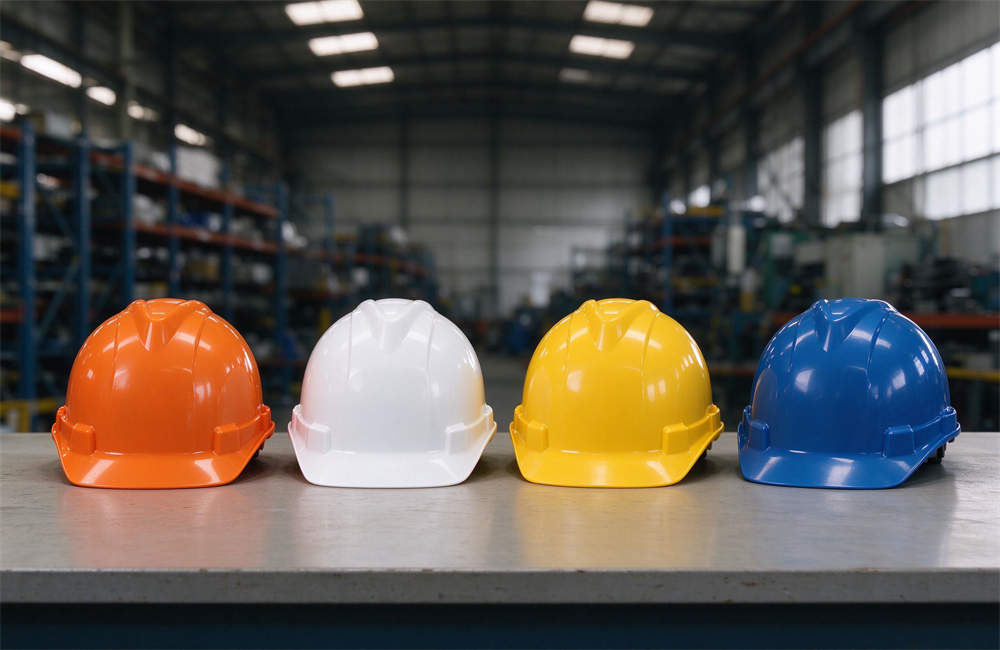
We supply helmets in four colors: white for leads, yellow for crew, orange for searchers, red for medical.
PPE and scene safety per team: $507.50-$980. Team camp (5 tents + 20 cots + 25 sleeping bags): $615-$1,140. For a 10-team mountain rescue network, multiply by 10, and the bulk discount kicks in. We also offer annual replenishment contracts, where we send you a quote every year to replace expired helmets and gloves.
Lead times: 7-15 days for standard stock items, 25-35 days for custom logo orders. MOQ is 500 units on mixed pallets—this means you can put rescue tools, blankets, water tanks, and medical kits all on one pallet. We ship EXW or FOB from our factory in China, and we can work with your freight forwarder or arrange CIF shipping directly to your nearest port.
Certifications we can provide: CE, ISO9001, EN397 (hard hats), EN1869 (fire blankets), RoHS. We cannot provide UL or FEMA certification—these require additional third-party testing that most small-to-medium bulk buyers don't need. If your project requires UL certification, you will need to arrange that separately with a local testing lab.
For repeat orders, we maintain your previous specifications in our system, so you don't have to re-send product details every time. We also provide a detailed QC report with every order, including photos of finished products, batch numbers, and packaging details.
Lead times: 7-15 days for standard stock items, 25-35 days for custom logo orders. MOQ is 500 units on mixed pallets—this means you can put chainsaws, generators, tents, and blankets all on one pallet. We ship EXW or FOB from our factory in China, and we can work with your freight forwarder or arrange CIF shipping directly to your nearest port.
Certifications we can provide: CE, ISO9001, EN397 (hard hats), EN1869 (fire blankets), RoHS. We cannot provide UL or FEMA certification—these require additional third-party testing that most bulk buyers don't need. If your project requires UL certification, you will need to arrange that separately with a local testing lab.
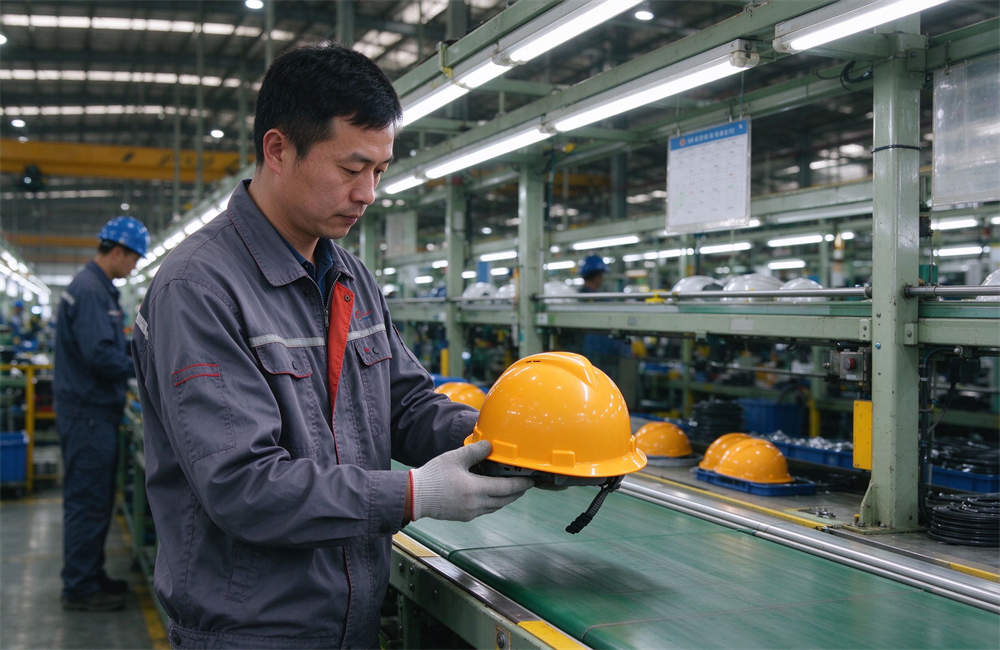
Every helmet impact-tested with a 5kg steel ball from 3 meters before shipment—EN397 certified.
When you source bulk landslide rescue gear from our China factory, every order goes through three QC checks: incoming material inspection, mid-production check, and final impact test for helmets. We test every helmet by dropping a 5kg steel ball from 3 meters (no cracks), and every glove by poking it with a 3mm nail (no puncture) before shipment. We provide CE, EN397, ISO9001, and RoHS documentation, so customs clearance is smooth.
Our order process is simple: send us your list and target quantity, we send back a proforma invoice with pricing and lead time, you confirm and pay the deposit, we produce and QC, you pay the balance, we ship by sea or air. Lead time for standard stock items is 7-15 days; custom color and logo orders take 25-35 days. We can ship to any port worldwide.
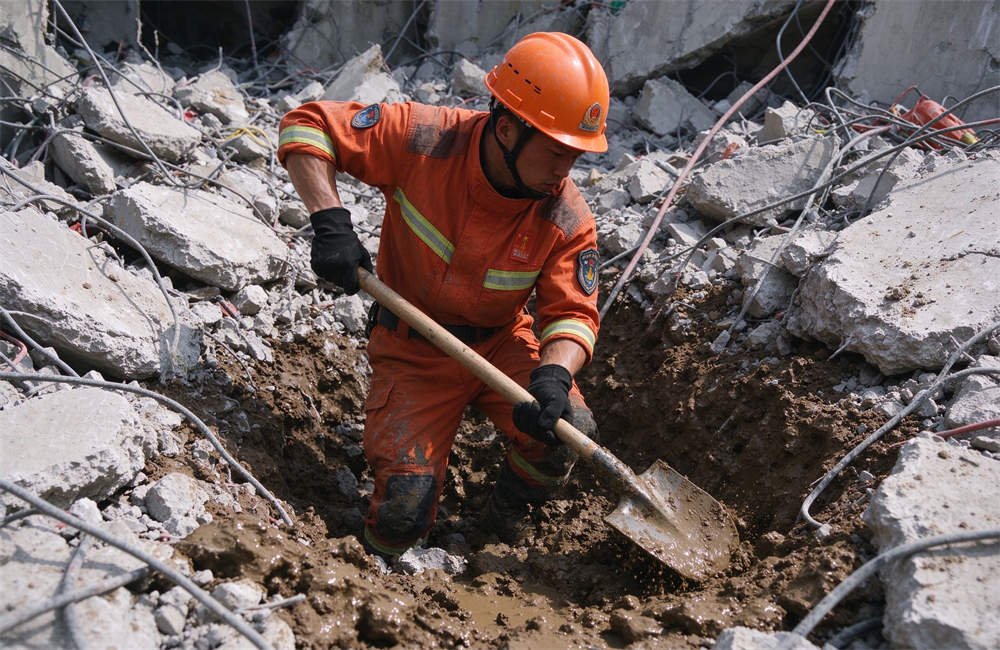
Tell us how many crew members you have, what terrain you operate in, and what gear you already stock, and we will send you a customized list with pricing, lead time, and free sample availability. We work with mountain rescue teams, road maintenance crews, mining operations, and disaster relief NGOs worldwide.
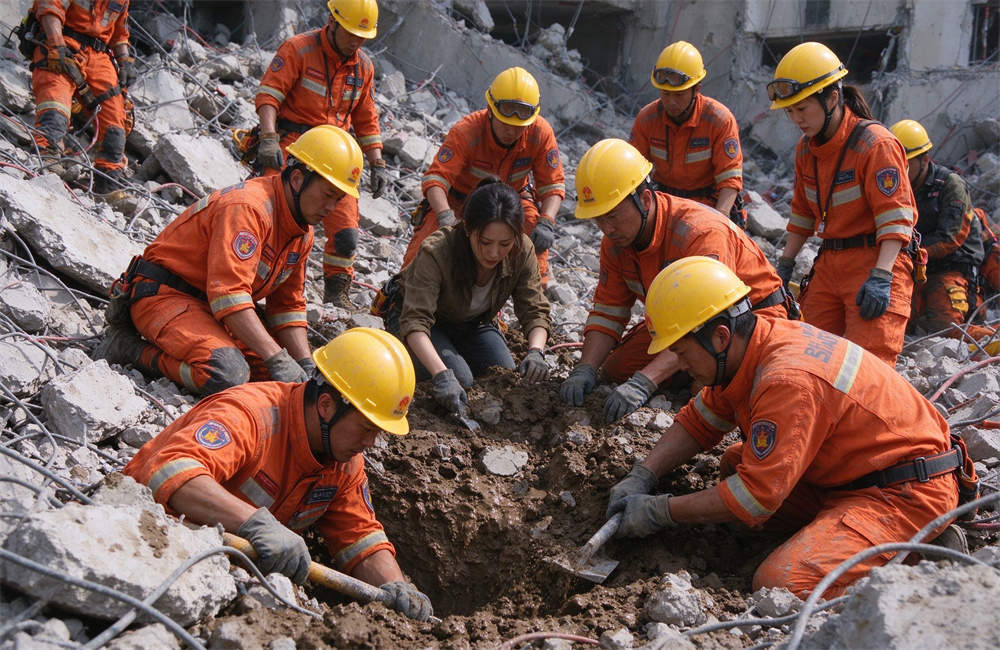
Western rescue team in orange uniforms digging through rubble, diverse group of men and women working together.
One per crew member, plus 5 spares for volunteers and mutual aid crews. Color-code them: white for leads, yellow for crew, orange for searchers, red for medical. This lets you organize the scene from 20 meters away.
5 years on the shelf. After 5 years, the plastic becomes brittle, and a falling rock will crack it. Replace all helmets every 5 years, and retire any helmet that has taken an impact—even if it looks fine, the inner suspension is cracked.
Our gloves have a kevlar palm layer, which stops broken glass and nails from going through. Standard work gloves tear after 10 minutes of digging through debris; our gloves last a full operation. Buy two pairs per crew member, because gloves get soaked and muddy.
Yes, we print team logos on the front of helmets, in one or two colors. Minimum order for logo printing is 100 helmets, and it adds 10 days to lead time. Logo-printed helmets stay with your team during mutual aid calls.
We recommend a quarterly gear check: inspect helmets for cracks, test headlamps for battery life, check glove palms for wear, and make sure trauma kit supplies are not expired. Gear that fails inspection gets replaced before the next operation.
Our standard MOQ is 500 units per product for mixed pallet orders. For smaller team orders, we can work with 50 units per item with slightly higher unit pricing. Many mountain rescue teams start with a 50-unit pilot order, test the gear through one season, then scale up.
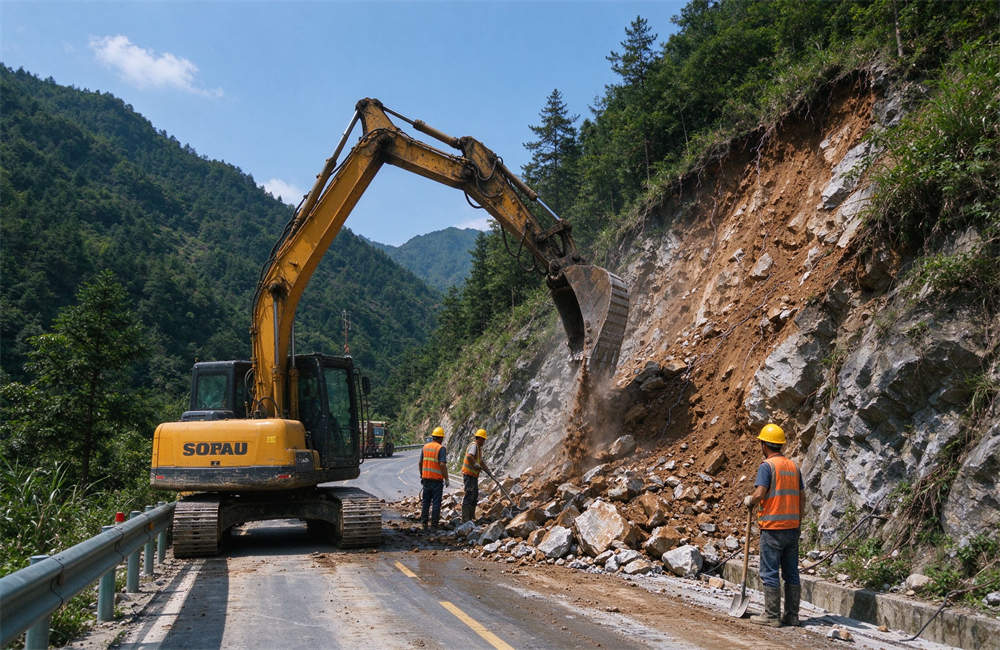
Order in the off-season when stock is available and prices are 20% lower—be ready before the next heavy rain.
 |
 |
Links amigáveis :
direito autoral © Custom Disaster - Relief Bedding: Tents, Sleeping Bags, Blankets Todos os direitos reservados
a equipe profissional para o serviço !