Categorias
Use the comparison brief before asking for a final price. Give every supplier the same intended use, quantity range, destination, receiving route and required confirmation fields. This does not force identical offers. It makes each difference clear before the buyer compares commercial terms for blanket procurement.

For each reply, separate the proposed configuration, the size or weight basis, the packing route and the document scope. If any of those fields is open, ask for a revised line. A lower figure may reflect a smaller scope, a different option or an unanswered question rather than a lower cost for the same delivery from a blanket manufacturer.

Institutional buyers should not choose an emergency relief blanket supplier from a price list or a general catalogue alone. The most reliable approach is to ask every candidate to respond to the same project brief, then compare the physical configuration, packing plan, documents and delivery handover on the same basis.
This guide is for public reserve teams, relief organisations and B2B distribution buyers. We have made blankets for these customers for 20 years, so we will walk you through what actually matters, and what we do to make sure orders go smoothly.
Note: Full business rules (sample fees, test cost, lead time, payment terms) are all listed in the bulk selection guide, we don't repeat them here to avoid duplicate content across the site.
Begin with the job the institutional blankets must support after delivery. A reserve project may need clear repeat-order identification and a warehouse handover. An immediate issue project may need destination sorting and simple unit presentation. The same product name does not make these the same purchasing decision.

For wholesale blankets, write down the intended user group, approximate quantity, destination, timing, storage or issue route and receiving party. Then list the fields that must stay comparable: construction description, finished-size method, weight basis, packing and required documents. This gives suppliers one current brief instead of several assumptions collected from emails, so each candidate quotes against the same bulk blanket sourcing requirements.
Keep the brief practical. If destination groups will receive different labels or packing, show that as a project requirement. If those decisions are still open, say so. Suppliers can then return a main offer and a clearly identified alternative, instead of burying assumptions inside one total figure, which is essential for reliable blanket procurement planning.
▶ Wool, polyester, raschel fleece, cotton and rPET — the five mainstream blanket materials — each have their own strengths and weaknesses. Our article *Blanket Material Comparison: Wool, Polyester, Raschel, Cotton, and rPET* conducts a comprehensive comparison across thermal performance, durability, cost and applicable scenarios to help you choose the right material.
Compare the response before comparing the price. Put every supplier answer beside the same requested field and mark it confirmed, proposed, unavailable or still open. A product name without a construction description, or a price without a stated packing route, should not be treated as a completed quotation.

For example, two blanket supplier candidates may both answer a reserve request for institutional blankets. One may include a defined unit presentation and outer-carton identification; another may leave them open. Ask both to show what is included, optional and still subject to confirmation. The buyer can then decide whether the difference is useful, rather than discovering it during receiving.
Keep alternatives on separate lines when evaluating institutional blankets. A change in construction, label treatment or packing can alter who must approve the sample, how a warehouse identifies the cartons and which documents must be checked. Recording the consequence beside the alternative prevents a team from assembling one apparent offer from several incompatible replies, a common risk in blanket manufacturer evaluation.
This comparison table helps buyers evaluate each supplier on the same basis. Use it alongside your specification checklist to ensure every quote covers configuration, packing, documents and delivery for bulk blankets.
Comparison field
What the buyer should request
Decision use
Configuration
Material, size, weight basis, edge finish and colour
Ensures consistent comparison
Current-order support
Sample reference, packing method and document scope
Links quotation to acceptance
Delivery response
Destination handling, marks and timing confirmation
Makes the logistics handoff clear
Exception route
Who records and resolves visible differences
Clear process for any issues
These are the key factors we recommend buyers consider when selecting a long term supplier, based on 20 years of production experience:

Different projects have different priority requirements. We recommend focusing on these points based on your organization type:
A catalogue, company introduction or general report may help with early screening of a blanket manufacturer. It does not by itself describe the blanket that will be supplied for the current project. Keep broad background information separate from the records that identify the requested configuration, sample reference, packing proposal and required document scope.
When a document is relevant, ask which configuration it covers, what it is intended to support and whether it can be matched to the current order. If the answer is not clear, keep the point open in the comparison sheet. This is clearer than treating a general document as approval for every option in relief blanket procurement.
This distinction also helps internal reviewers. A procurement team can keep general supplier information for screening, while the current-order folder holds only the references needed for quotation, sample review and receiving of bulk blankets. The two layers answer different questions and should not be merged simply because both describe blankets, especially when wholesale blankets are involved.
▶ Wool Blanket cold winter warmth and comfort‑Rescue Equipment. Click the title link to review winter‑oriented technical parameters, weight grades and delivery schedule for cold‑region rescue supply orders.
These are the standard quality control steps we follow in our production, which we recommend buyers confirm with any supplier. A blanket material selection guide can help buyers understand which fabric construction fits their use case before confirming QC steps.
Standard practice: For large orders, live video calls or third party inspections are a normal part of international procurement. Most professional suppliers are happy to arrange this for buyers.
Review a sample of bulk blankets in the way the product will be handled after arrival. A warehouse colleague may check folding and identification. A distribution colleague may check unit presentation. A technical reviewer may check agreed measurement points. Record those observations against one named sample rather than relying on a general note that the sample looked acceptable. Use a blanket sample checklist to keep records consistent.

The sample record can cover visible construction, face and reverse appearance, edge finish, size method, weight basis, colour reference, label wording and packing presentation. Keep it with the quotation. It gives procurement, production and receiving teams a shared reference without turning photos or memory into the final standard.
A sample review is especially useful when different people will approve the order and receive the shipment from a blanket supplier. Ask each reviewer to record the field they can actually assess. This exposes a gap early: a warehouse team may need a clearer carton identifier, while a technical reviewer may need a clearer measurement note.
If the sample prompts a change, update the quotation line and packing reference together. A changed label, fold or edge finish can affect more than appearance. It can change how the item is identified, packed or checked after arrival. The sample should therefore lead to one written update, not separate informal comments, which is a key part of reliable blanket procurement.
To compare quotations accurately, we recommend standardizing these factors across all suppliers:
These are the standard steps we follow to ensure production matches approved samples, which we recommend all buyers use:

Packing of wholesale blankets changes how a project is received, stored and issued. Confirm the unit presentation, outer-carton identification, destination separation and any label requirement for the selected configuration. These are operational choices, not automatic promises that can be copied from an earlier order. Buyers should know how to verify blanket packing and labeling before shipment.

If folding, label wording or a destination split changes, reopen the packing confirmation before production or shipment planning. A useful packing reply explains the proposed method and the points that still require project approval. That prevents a warehouse team from receiving a familiar blanket in an unfamiliar handling format.
Consider the trade-off before choosing a packing route. Extra unit separation may make issue work clearer, while a simpler presentation may make warehouse handling easier. The right decision depends on the project route. Record the reason for the choice so a later buyer does not assume it was a universal product requirement for institutional blanket procurement.
Agree a short receiving route before the order moves forward with your blanket supplier. Name the person who checks shipment identity, the person who compares visible product and packing with the approved reference, and the person who receives an exception record. The goal is not an oversized inspection plan; it is a clear process when something does not match. A blanket inspection checklist helps standardize this.

The receiving route can cover quantity, outer-carton identification, visible condition, agreed measurement points, sample comparison and exception handling. It should also say which observations can be made at receipt and which questions need a document or project review. This avoids asking warehouse staff to make technical decisions from appearance alone.
Plan the exception route at the same time. A receiving team needs a simple way to set aside a carton with questions, retain the relevant label or photo, notify the project owner and wait for a written decision. This protects both the project schedule and the supplier relationship by keeping a visible issue from becoming an informal argument during bulk blanket sourcing.
Choose the response that makes the current project easiest to control, not simply the reply with the strongest general wording. A useful supplier response separates confirmed details from options, returns requested fields in a readable format, and identifies what sample, packing or document reference is needed next.
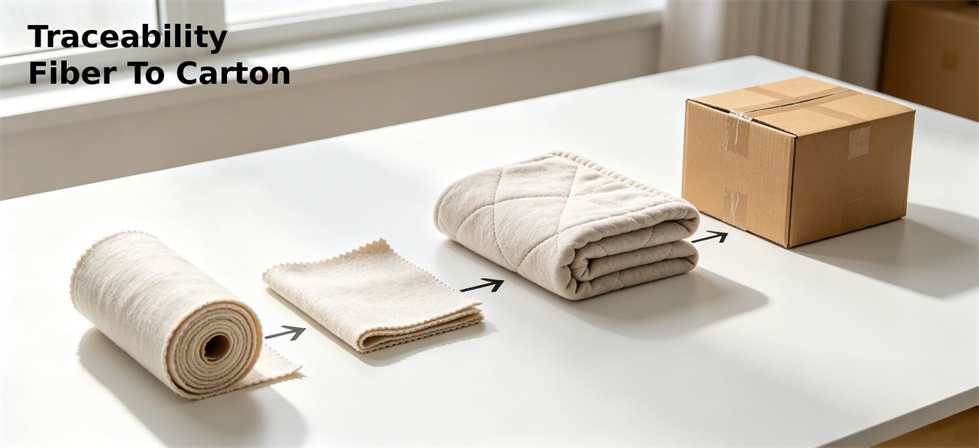
That approach reduces follow-up work for the buyer. It also makes repeat ordering safer because the team can trace a critical choice from the first brief to the quotation, approved sample, packing confirmation and receiving record for institutional blanket procurement. Clear documentation provides that traceability from brief to delivery.
A useful comparison question is: could a colleague understand the selected offer without calling the supplier again? If the answer is no, the reply may still be too general. Ask for the missing line before selection, while the buyer can still compare options on equal terms for bulk blankets.
Give the comparison three clear owners. Procurement checks whether each reply covers the brief. The sample reviewer confirms the observable reference. The receiving owner checks whether identification and packing can be used at arrival. Their responsibilities overlap, but they should not collapse into one informal approval.
For each open or alternative field, record who must respond next and what they need to return: a clarified quotation line, a sample note, a packing proposal or a receiving instruction. This turns a status label into a practical handoff and prevents unanswered points from being overlooked after a selection meeting. This three-owner model is especially valuable for teams managing multiple relief blankets orders.
Add a simple status beside every supplier answer: confirmed, proposed, unavailable or pending. This makes missing information clear at a glance. It also distinguishes a workable alternative from a field that has not yet been answered.
Use the status column during comparison meetings and again before approval. If a field changes from proposed to confirmed, note the document, sample or written message that supports the change. The record then shows why a team moved forward instead of relying on recollection later, which is especially useful for blanket manufacturer performance reviews. This status tracking from your blanket manufacturer supports accurate reorder checklist preparation for future purchases.
A mismatch does not automatically mean a supplier is unsuitable for institutional blanket procurement. It may show that a quotation an older brief, a sample has different wording or a document relates to another configuration. Align on one version and ask for one corrected comparison line before the next approval using your specification checklist.
Identify which reference will govern the decision: the current specification, the named sample, the approved packing record or another written project record. Then record the outcome. This provides a clear reference for both sides and prevents later misunderstanding in institutional blanket procurement.
Close the selection with a short note that another colleague can use without attending the comparison for blanket procurement. State the selected response, configuration reference, unresolved points, governing sample or packing record, and next steps.
A good decision note does not claim that one supplier is right for every future destination or product. It records why the response fits this project and what must still be confirmed before placing an order. The next step can then be a specific request for a revised quotation, sample review, packing plan or document-scope clarification. Knowing how to control blanket specification changes on repeat orders helps keep future orders consistent.
Before handing the note to the next owner, check that every open field has an action and a person responsible for blanket procurement of bulk blankets. This is a small step, but it ensures the project moves smoothly after supplier selection. Teams should also know how to control blanket changes on repeat orders to prevent specification drift.

Compare enough supplier candidates to receive complete responses to the same brief. Adding more names does not improve the decision when each reply uses different assumptions. Stop when the team can compare configuration, packing, document scope, commercial terms and exception handling on one basis.
A catalogue is good for first screening of a blanket manufacturer,, but your actual order needs a written spec, approved sample, packing plan and clear document list. Those are the things that connect a general product to the actual goods you receive.
Check who issued the report, what item or construction it covers, when it was issued and whether it can be matched to the requested configuration. A report may be useful for its stated item without covering every option. Keep an unmatched point open until it is clarified in writing.
Photos can support an early appearance discussion, but they cannot replace a physical sample and written specification for approval. Use the sample to record visible construction, edge finish, folding and label placement. Keep that record with the quotation and packing confirmation.
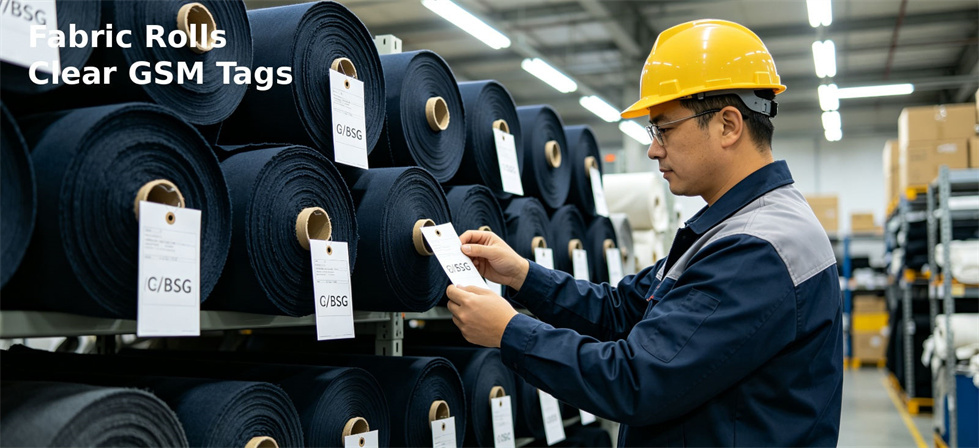
Ask suppliers to show GSM and finished-item weight separately and explain the basis for each. When finished weight matters, it should be linked to the selected dimensions and construction. This avoids comparing a fabric-weight figure from one reply with a finished-item figure from another blanket supplier.
Discuss the intended packing route during the RFQ, then confirm actual packing for the selected configuration and folding method. The final record should cover unit presentation, outer-carton identification and any destination split. Historical carton figures are not an automatic basis for a new order.
Compare commercial terms only after the physical and operating scope is aligned across all suppliers. Check configuration, quantity basis, destination assumptions, packing scope, documents and included services. A price becomes meaningful when the buyer can see what is included, excluded or still open.
What makes a blanket supplier response incomplete?
A response is incomplete when a critical field is absent, conditional without explanation or not tied to the current project. Common open points include construction, weight basis, packing, document scope, destination marks and receiving method. Mark the field pending instead of silently assuming it will be supplied.
What should be retained for repeat blanket orders?
Keep the approved sample reference, configuration version, packing record, document-scope note and any exception history. At the next RFQ, compare the new brief with those records and state what changed. 'Same as last order' is a starting reference, not a complete new specification. A blanket reorder checklist helps ensure nothing is missed.

Ask to see production process documentation, request samples from different batches, and discuss their in-line QC procedures. Professional suppliers can show consistent quality across production runs, whether they operate their own factory or work with long term partner facilities.
We recommend verifying all specification details are identical: GSM, packing standard, included documents, and delivery terms. Price differences usually reflect differences in included scope, so reviewing line items helps you compare accurately.
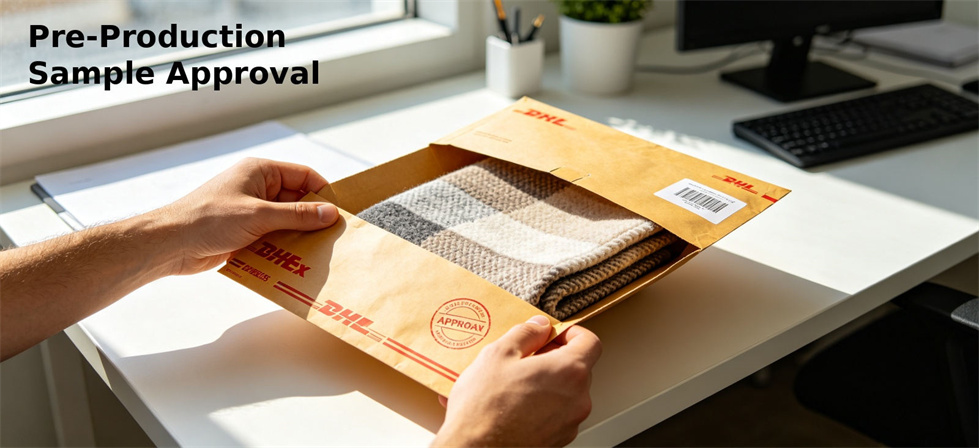
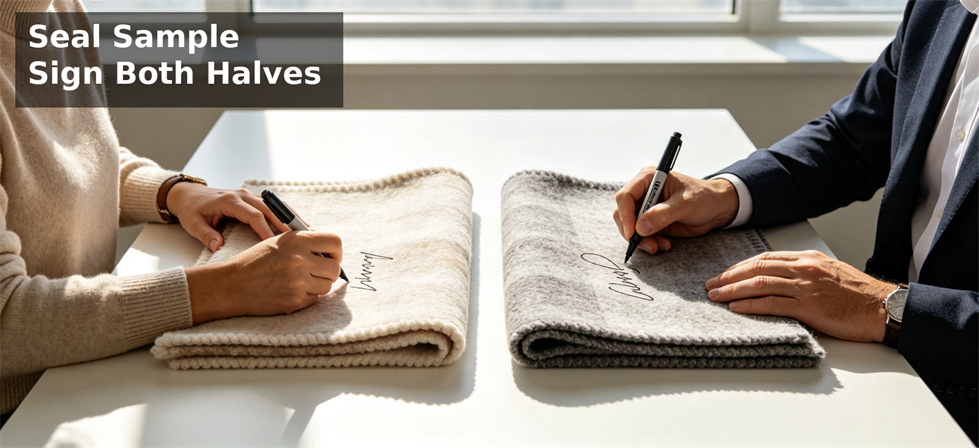
Standard industry practice includes: 1) Pre-production sample approval from bulk fabric before full production starts; 2) Mid-production quality checks; 3) Sealed reference samples kept by both supplier and buyer. These steps ensure consistent production quality.
Professional suppliers have a clear process: document the difference with photos and count, compare against the sealed reference sample, then work together on a solution such as price adjustment or replacement for affected units. Clear communication from both sides resolves most concerns quickly.
How to calculate blanket quantities for relief projects?
To calculate wholesale blankets quantities for relief projects, estimate the number of affected households or individuals, multiply by the units per person or per family, and add a reserve margin of 10-15% for distribution loss and replacement. Consider seasonal needs and storage capacity when finalizing bulk blankets order volumes.
How government stockpiles should plan blanket specifications?
Government stockpiles planning institutional blankets should define core specifications (GSM, material blend, size), establish approved supplier lists through tender, maintain batch traceability records, and rotate stock on a scheduled basis. A written blanket specification checklist ensures consistency across annual purchases.
How to store and rotate emergency blanket stockpiles?
Store emergency blankets in dry, ventilated warehouses on pallets, away from direct sunlight and moisture. Implement a first-in-first-out rotation system, inspect stock annually for damage or degradation, and update inventory records after each deployment. Proper storage extends the usable life of wholesale blankets in government and NGO stockpiles.
How buyers can verify recycled content before ordering blankets?
Buyers verifying recycled content in bulk blankets should request third-party test reports (such as SGS) that confirm the recycled material percentage, ask for material traceability documentation from the blanket manufacturer, and verify claims against physical sample testing. Do not rely solely on supplier declarations where recycled content is a procurement requirement.
▶ Addressing common pain points in institutional procurement such as substandard specs and delayed lead times, we provide large-volume wholesale supply of emergency relief blankets for government stockpiles, prisons and military camps, ensuring delivery quality through strict project technical standards and stable production capacity. For core points on institutional bulk purchasing, check our article *Emergency Disaster Relief Blankets | For Government Stockpiles, Correctional Facility Blankets & Military Camps – Bulk Wholesale Supply*.

✅ Factory video link (YouTube): https://x.c1ns.cn/zVNIU
✅ Facebook homepage: https://a.c1ns.cn/SjJla
|
Access our full product document |
Quick real‑time chat for urgent project questions |
 |
 |
|
Get full‑range product specs & package solutions in PDF |
Connect with us for instant project support |
Links amigáveis :
direito autoral © Custom Disaster - Relief Bedding: Tents, Sleeping Bags, Blankets Todos os direitos reservados
a equipe profissional para o serviço !