Categorias
1
30-Second Sleeping Bag Selection Checklist
2
Bulk Sleeping Bag Procurement Common Mistakes
3
Emergency Sleeping Bag Size and Construction Check
4
Sleeping Bag Filling and Shell Material Comparison
5
Wholesale Sleeping Bag Packing and Logistics Planning
6
Sleeping Bag Supplier Sample Verification Process
7
Sleeping Bag Decision Order Matters Most
8
Sleeping Bag Define User Range First
9
Sleeping Bag Shell Lining Filling Guide
10
Sleeping Bag Water Resistance vs Waterproof
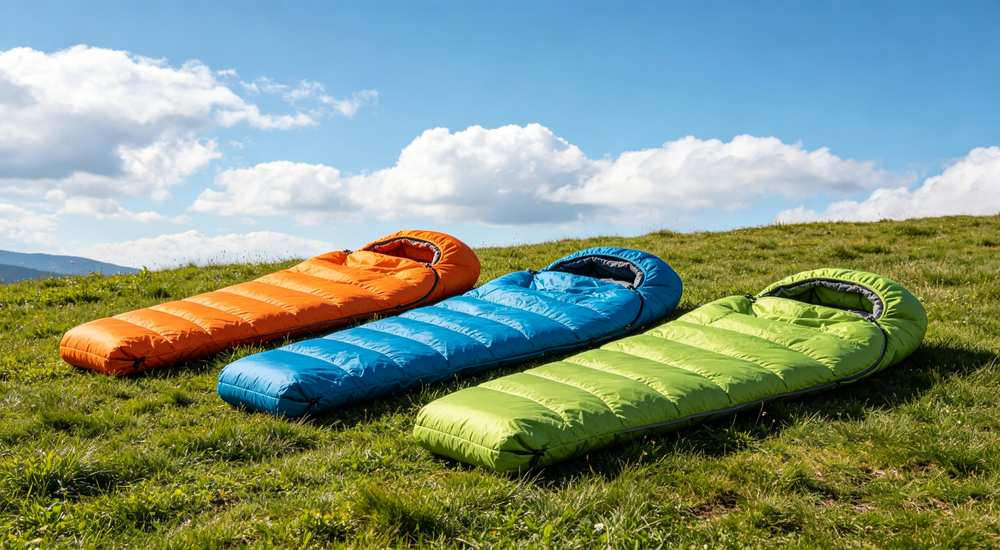
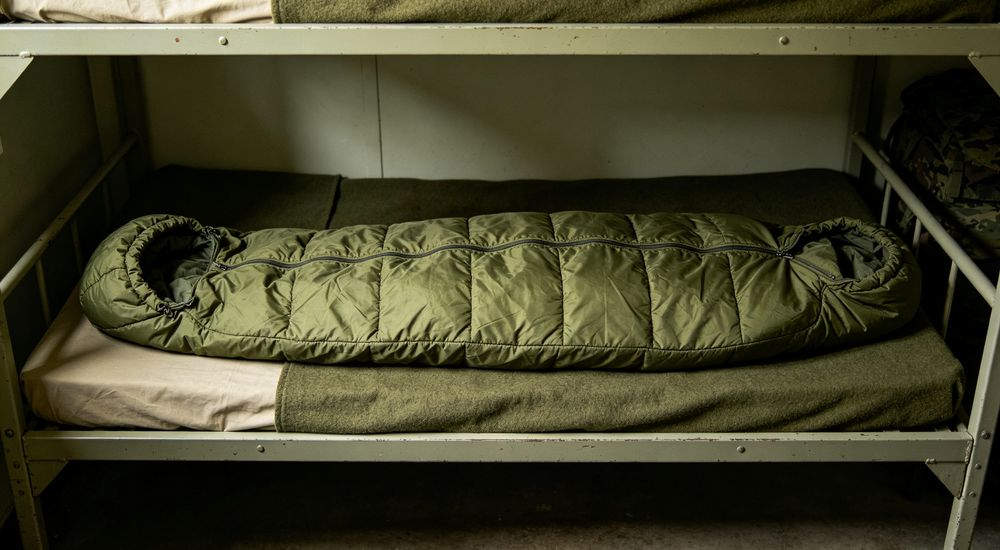
Most buyers start by asking about fabric or filling weight. That is the wrong first question for emergency sleeping bag procurement. The right starting point is defining who will use the bag, where, and for how many nights. Only then do materials and price become meaningful comparisons. First define whether you need a single sleeping bag, a connectable sleeping bag, or a zip together sleeping bag system. A zip together sleeping bag design lets two bags connect for family use, plus the users, setting, expected conditions, sleeping space, transport, and sleeping bag storage. Size, construction, materials, and packing become comparable only after those conditions are clear.
Direct answer: Choose in this order: users and setting, environmental and temperature boundaries, size and construction, material layers and sleeping bag care, packing and storage, then sample and document checks. One isolated number cannot identify the right institutional sleeping bag, including military sleeping bag contracts. A military sleeping bag requires reinforced seams and 240T+ fabric, plus refugee sleeping bag distributions.
|
Define the users and setting first |
Read temperature information with its conditions |
|
Check usable size and construction |
Compare materials by layer |
|
Check packed size and project packing |
Finish with a sample and matching documents |
|
The Order of Decisions Matters More Than Reading Every Specification |
Define the User Range Before Asking for One Size |
|
Why Should the Sleeping Platform Be Defined with Size? |
How Should Buyers Read Size Numbers? |
|
How Do Shape, Top Opening, and Zipper Change Use? |
Understand Shell, Lining, and Filling Separately |
|
Why Are Fill Weight and Finished Weight Different? |
Keep Temperature Information with the Use Conditions |
|
Water Resistance and Waterproofing Are Different Claims |
Check Cleaning Conditions Before Planning Reuse |
|
Compare Storage and Packing After Product Fit |
What Should the Final Sample Answer? |
|
When Should Budget Enter the Comparison? |
How Does the First Check Change Between a Hall and a Tent? |
|
What Changes Between One Night and Repeated Use? |
How Should Buyers Decide Between the Final Two Options? |
|
Frequently Asked Questions |
Where Should the First Screening Stop? |
|
Keep a Screening Result That Ordinary Buyers Can Read |
|
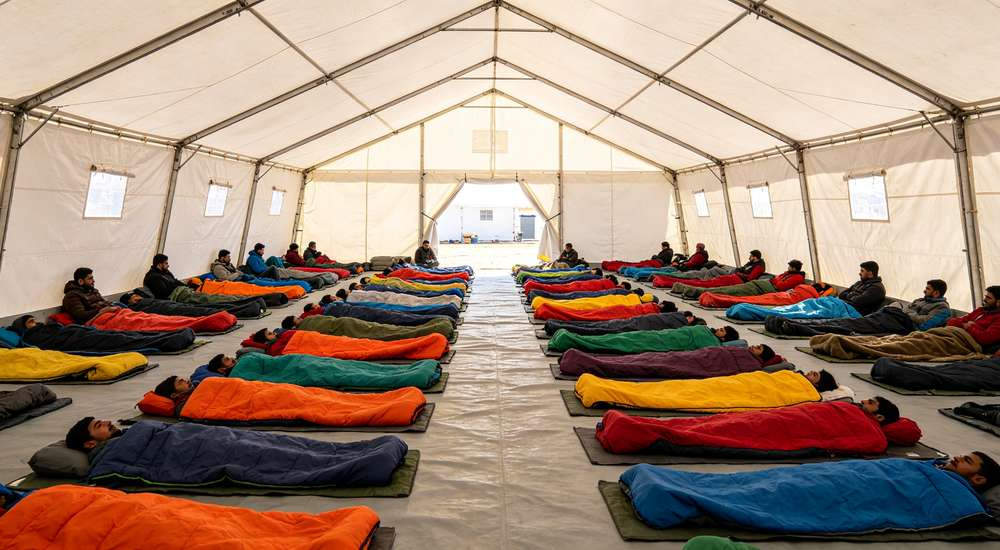
Indoor temporary accommodation, semi-open sites, field standby, and rescue camps face different wind, moisture, ground, and use durations, especially when pairing a left zip sleeping bag with a right zip sleeping bag. User size, heavy clothing, and sleeping-space limits also change the required internal room.
Give the sleeping bag sleeping bag sourcing supplier the location, indoor or outdoor setting, season, user count, and expected duration. This produces a narrower and more useful setup choice than asking for the “best” bag.
Warmth is affected by wind, moisture, ground insulation, clothing, user differences, construction, and test method. A temperature statement should identify the setup and conditions behind it.
A sleeping bag does not replace a ground mat. For cold floors or ground, plan insulation underneath and avoid choosing from an isolated temperature number.
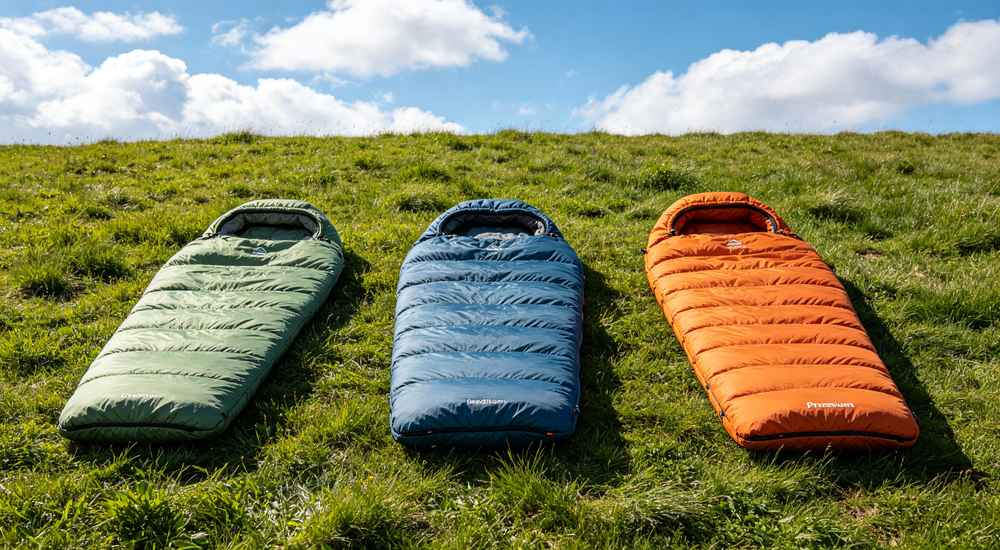
Before reading any specification sheet, confirm these five points in order. Skipping any of them leads to over-specification, wasted budget, or bags that fail in actual use. This sleeping bag buying guide applies whether you source a single sleeping bag for trial or a bulk sleeping bag order for institutional deployment.
1. User and environment first. Adult or child? Indoor shelter or outdoor tent? One night or six months? These answers determine everything else.
2. Temperature range. This sleeping bag temperature rating explained simply: match filling weight to the coldest expected night, not the average. 200-300g/m² covers 10-15°C; 400-500g/m² covers 5-10°C; 600g+ covers 0-5°C.
3. Size and shape. Envelope shape for institutional use; mummy shape only for cold outdoor use. Use a sleeping bag size chart to confirm lay-flat dimensions, not packed size.
4. Material and durability. 190T polyester for single-use; 240T+ for repeated use. Among sleeping bag filling types, hollow conjugated fiber is the standard filling for emergency and refugee sleeping bag orders.
5. Sample before bulk. Never place a wholesale sleeping bag order without testing a pre-production sample in actual conditions. Verify size, weight, zipper, and seam strength.

Review opened length and width as well as shoulder, foot, and opening space when closed. Envelope bags usually provide more room and some can open as covers. Close-fitting shapes reduce internal volume but may not suit every user or bed.
Hoods, collars, two-way sleeping bag zippers, connection options, and removable liners should answer a real project need. Extra features without a defined use add allocation and replacement complexity.
When comparing emergency sleeping bag options for institutional procurement, the following table summarizes the core specifications to help your team evaluate different configurations and select the most suitable products for your specific needs.
When evaluating sleeping bag quality control and BSCI sleeping bag certification, buyers should request factory audit reports and third-party test results to ensure consistent product standards.
The table below summarizes the main differences between single-use and repeated-use emergency sleeping bags, including sleeping bag temperature rating, filling weight, and expected service life. Use this as a quick reference before requesting detailed quotes from a sleeping bag manufacturer.
|
Confirm first |
Why it matters |
Supplier should return |
|
Users and setting |
Sets space, shape, and shell needs |
Suitable options and use limits |
|
Environment and temperature |
Guides insulation and ground protection |
Rating basis, setup, conditions |
|
Opened and packed size |
Affects use, transport, and storage |
Product, packed, and carton data |
|
Care and reuse |
Sets maintenance method |
Care instructions and sample result |
A useful specification separates shell, sleeping bag lining, and insulation. The shell addresses wind, light moisture, and abrasion. The lining affects contact and cleaning.
Insulation affects loft, weight, and the warmth way. The same material name can perform differently with another density, thickness, or construction.
If water repellency, flame resistance, antibacterial treatment, or another performance is required, bind it to the selected setup and applicable document. Do not treat a feature name as a guarantee for every model.
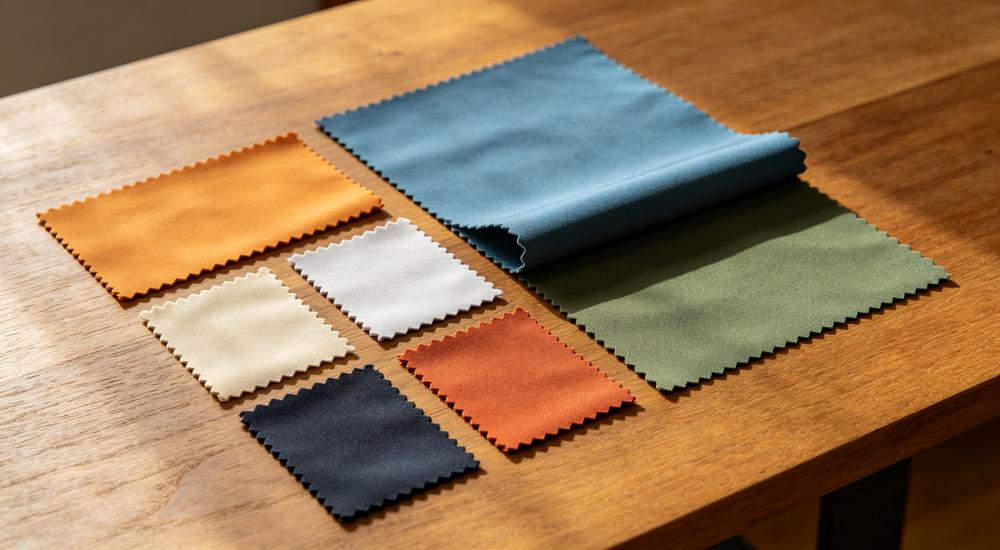
Shell fabric determines durability and water resistance. Polyester taffeta (190T-210T) is the standard for emergency and institutional use, balancing cost with tear strength. For heavy-use refugee camp sleeping bags, choose 240T polyester or 300D oxford fabric. This extends service life from 6 months to 18-24 months. Water-repellent coatings (PU 1000mm-2000mm) withstand light rain and damp ground. Fully waterproof (5000mm+) is needed for outdoor tent use in wet climates.
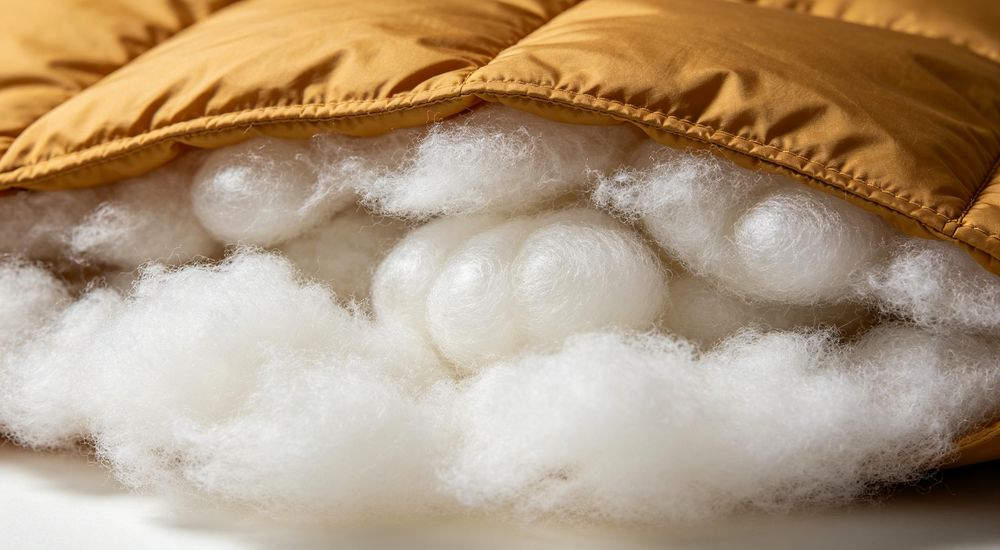
Lining affects skin comfort and breathability. Polyester pongee or brushed lining reduces friction during sleep, important for users staying in bags for 8-10 hours nightly. Filling is the core thermal layer: hollow conjugated polyester fiber (200-400g/m²) covers 5°C-15°C use; 500-800g/m² handles 0°C-5°C; above 800g/m² is needed for sub-zero conditions. Always confirm filling weight per square meter, not total bag weight, since shell and lining add 150-250g.
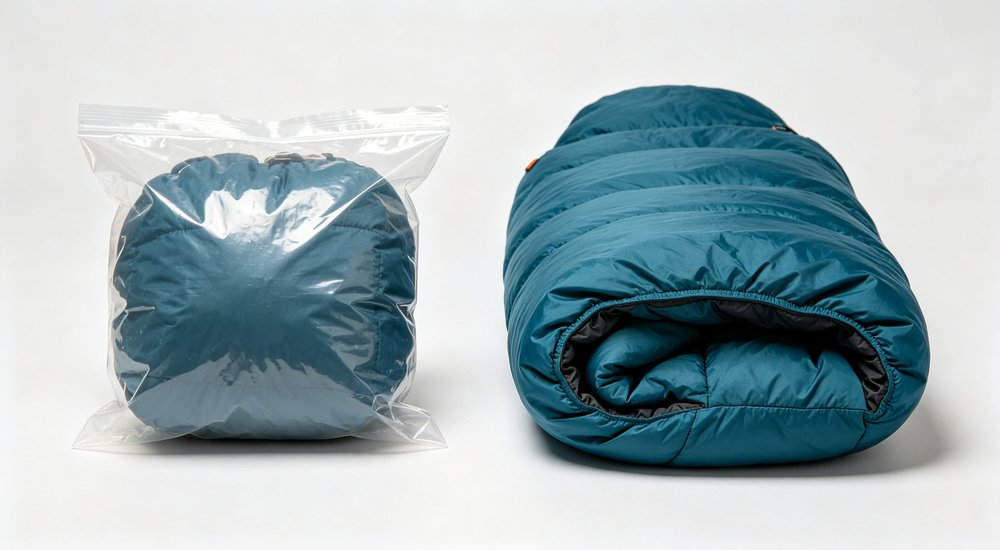
An individual storage bag keeps components together, but buyers should also review packed sleeping bag dimensions, unit weight, quantity per carton, carton dimensions, and marking. Smaller packing does not automatically mean better warmth or suitability for long compressed storage.
Ask the supplier to reconfirm carton data for the selected size and filling. Packing figures from another setup should not be copied into the final order.
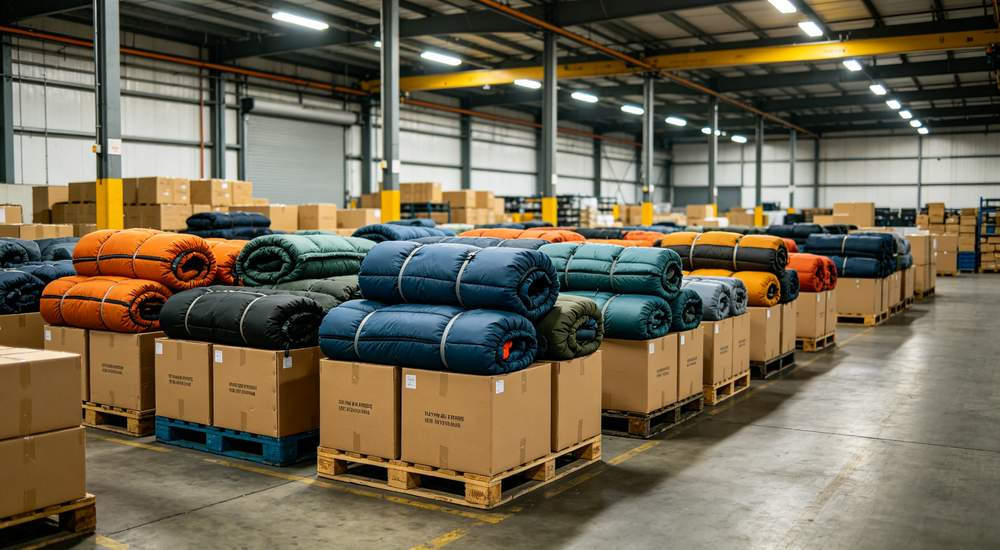
A standard envelope sleeping bag measures 220×75cm. It packs to 35×18×18cm and weighs 1.2-1.8kg depending on filling. A 40HQ container holds approximately 8,000-12,000 units in standard export cartons (6-8 pieces per carton, carton size 60×40×40cm). For emergency airdrops, vacuum compression reduces volume by 40-50% but may affect filling loft after long-term storage — always test recovery after 30, 60, and 90 days of compression.
Project packing matters for distribution: individual polybags with size/weight labels speed up camp allocation. For refugee camp sleeping bag distributions, pre-labeled cartons by size (adult/child) and temperature zone reduce sorting time from hours to minutes. Always confirm packing list format matches the buyer's warehouse system, including HS codes and country of origin labels.

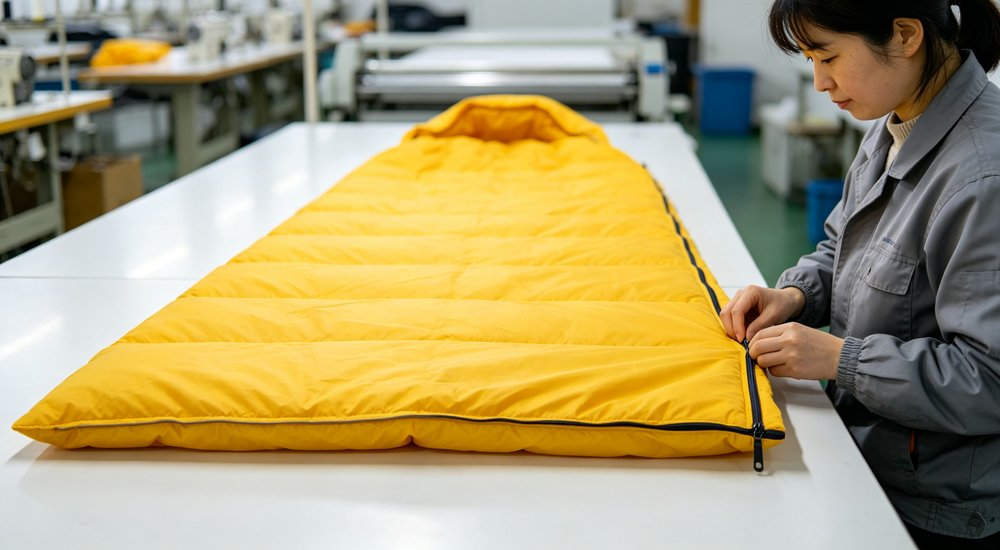
Check usable space, zipper movement, hood or collar, filling distribution, seams, odor, care, and repacking effort. Confirm that the sample label matches the materials, size, and construction in the quotation.
Your inquiry should state setting, users, environmental conditions, size way, construction, performance, packing, and marking. The supplier should return the matching setup, sample basis, packing data, and applicable documents.
Use this sleeping bag sample checklist. A pre-production sample (PPS) must confirm five points before bulk production.
Keep the signed sample for comparison against bulk production Keep the signed sample for comparison against bulk production — any deviation beyond 5% in size or 10% in weight should trigger a corrective action plan.
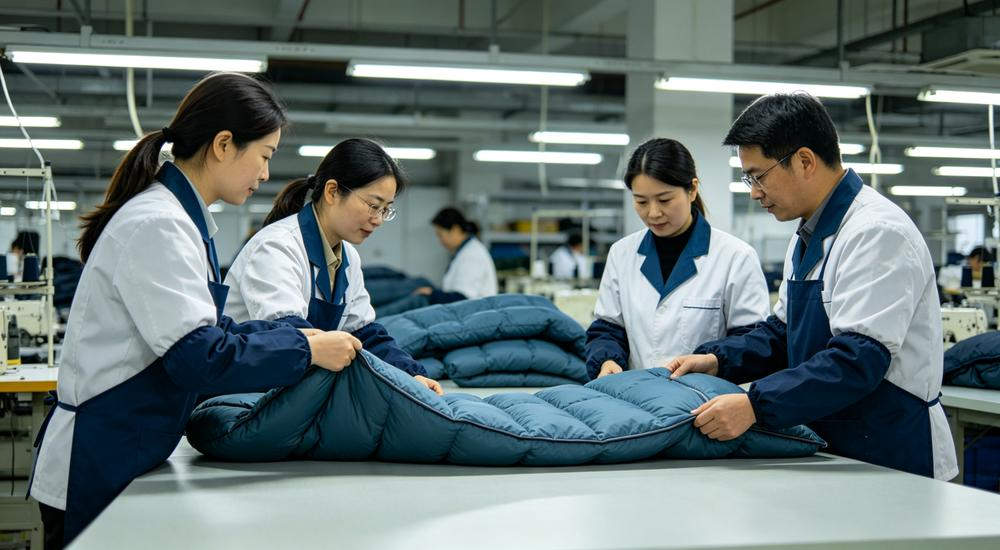
Request these documents before bulk order. A complete document package reduces quality disputes by 60%.
For institutional tenders First, material test report covering fabric weight and filling composition. Second, zipper quality certificate. Third, color swatch card signed by both parties. Fourth, packing list with carton dimensions. Fifth, production schedule with inspection dates at 10%, 50%, and 100% completion. For institutional tenders, additional documents may include BSCI audit report, ISO 9001 certificate, and previous delivery performance records.
First define users, setting, and sleeping platform. Second check dimensions, shape, and opening against the people and bed space. Third compare materials, filling, weight, and temperature information.
Handle the storage bag, cartons, colour, labels, cleaning, and samples last. This order removes unsuitable products before one attractive material name or temperature figure controls the decision.
Buyers do not need specialist textile knowledge. For every specification, ask what problem it solves, where it applies, and what happens when it is mismatched.
Buyers often start with fabric or filling weight, but the correct order is: (1) define users and environment, (2) set temperature range, (3) choose size and shape, (4) select materials, (5) confirm packing, (6) request sample. Starting with materials leads to over-specification — a 1000g filling bag is wasted in 15°C conditions, and a waterproof shell adds unnecessary cost for indoor shelter use.
This order also prevents budget distortion. When temperature and size are fixed first, material choices become constrained to realistic options. For example: a 10°C adult envelope bag for indoor shelter use narrows shell to 190T polyester, filling to 250-300g/m² hollow fiber, and lining to standard pongee — a clear spec that three suppliers can quote accurately within 5% price variance.
Record height, body range, normal night clothing, workwear, and whether children, larger users, or people with limited movement are included. A mixed group should not automatically receive one universal size.
An institution can keep a small number of clear sizes instead of customising for every person. The main users should be able to enter, turn, sit up, and leave without taking excessive bed or aisle space.
Test with representative users in realistic clothing. An empty bag can look wide on a table while restricting shoulders, knees, or feet after use.
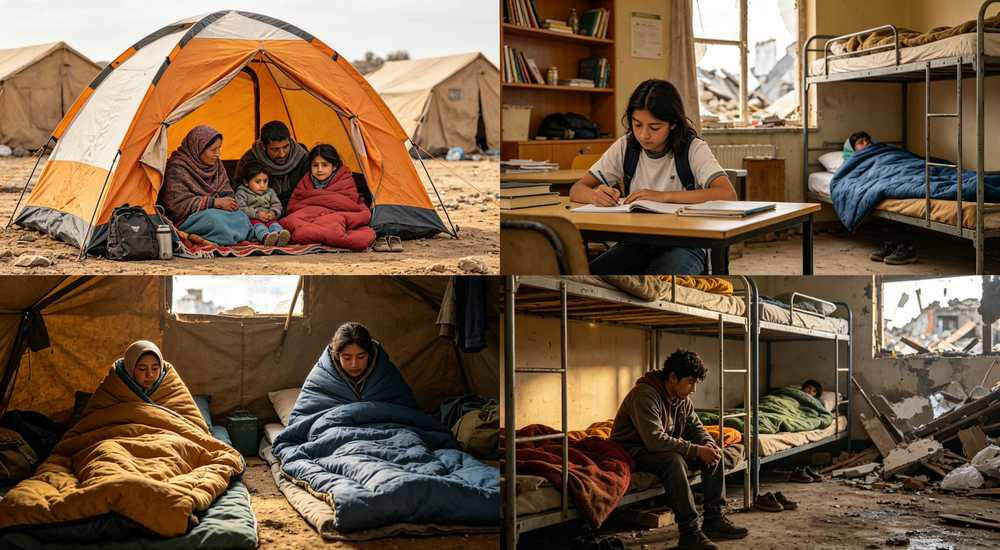
Concrete floors, mats, mattresses, folding cots, and bunks change usable width, heat loss below the user, moisture, and zipper access. User height alone does not determine a suitable size.
A sleeping bag surrounds the user but does not replace a mattress, insulation mat, or moisture barrier. Adding filling may not solve heat loss into a cold floor.
Place the sample on the actual platform. Check bed overhang, zipper clearance, sitting up, leaving, neighbouring positions, and aisle space.
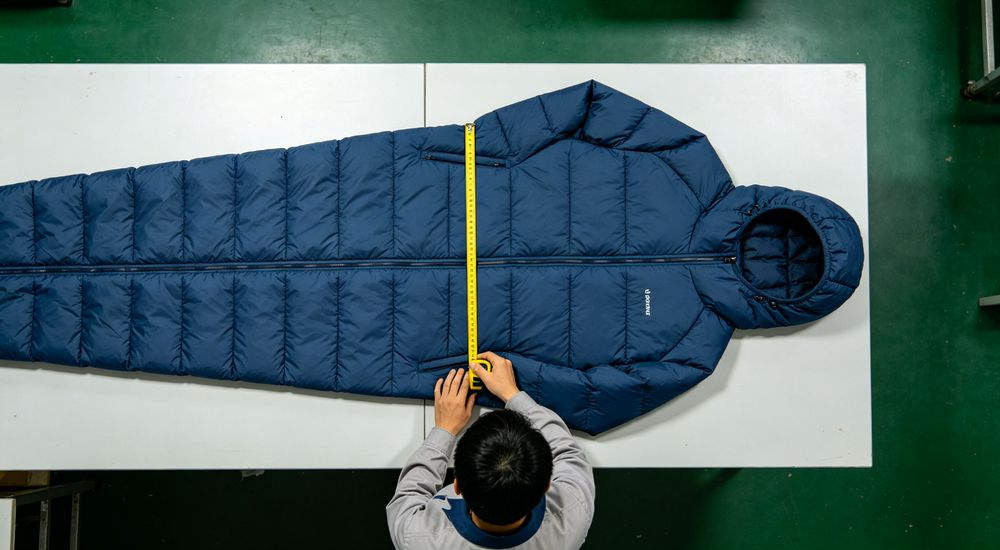
Current size directions include several examples. These cover 180×75 cm regular single, 190×75 cm thicker, 200×75 cm longer, and 220×150 cm wider two-person options. These are setup examples, not one universal product size.
Length should fit height and head-to-foot allowance. Width should account for shoulders, knees, clothing, and sleeping platform. Longer, thicker, and wider directions solve different problems.
Request open dimensions, usable closed space, finished net weight, and packed dimensions. Each figure should identify the materials and filling it covers.
An envelope shape usually offers more movement room, and some options open flat. A hooded or narrower shape reduces unused space and deserves comparison in cold, draughty, or head-coverage conditions.
A wide top opening improves entry but can admit more cold air. Left or right zipper access should match walls, bed frames, and aisles. Two-way, connection, and flat-opening functions need separate checks.
No shape is always better. Indoor short stays may prioritise entry, exposed settings may reduce openings, and duty users may need movement in work clothing.
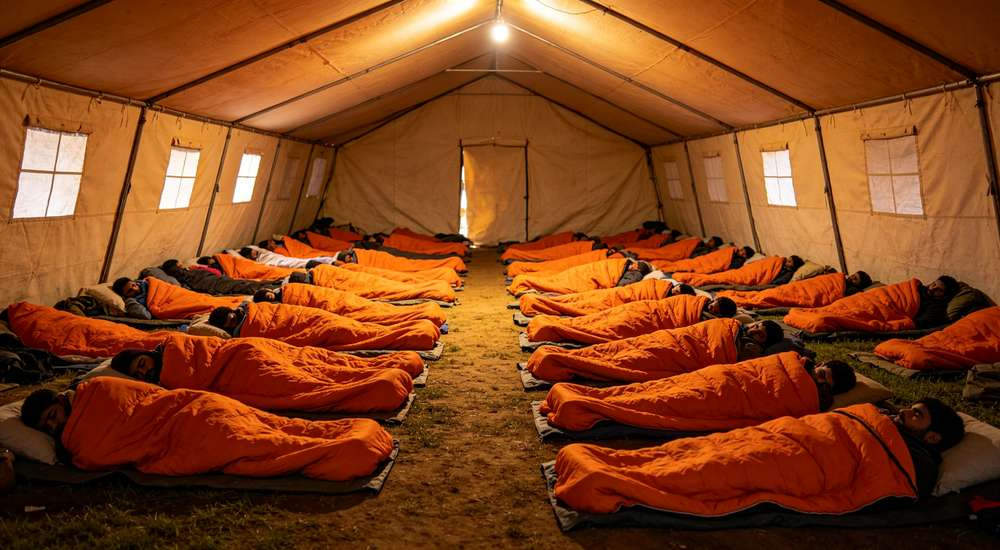
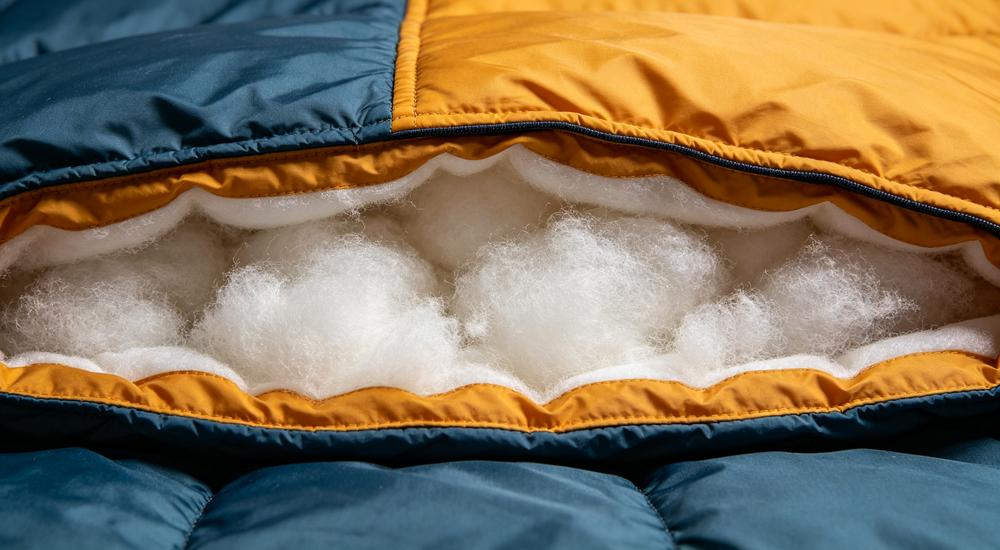
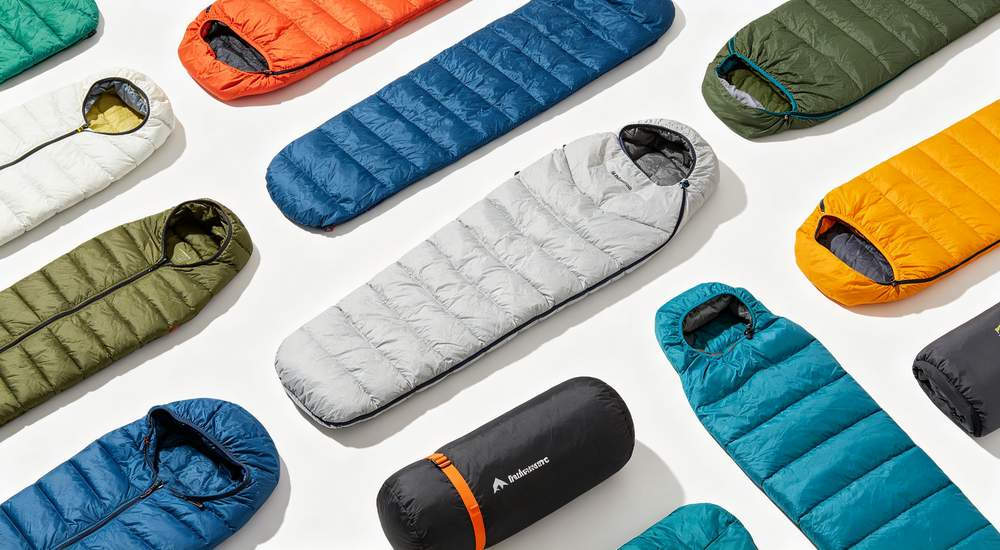
Current options can include a 170T polyester sleeping bag fabric shell, polyester lining, and hollow polyester fiber or feather-touch fiber filling. These are selectable combinations, not a claim that every bag includes all directions.
The shell faces abrasion and light surface moisture. The lining touches the user, while the filling provides most insulation. The same polyester name can still cover different fabric construction, thickness, finishing, and product structure.
Keep each layer connected to the dimensions, filling, weight, and intended use. One material word does not describe the whole sleeping bag.
Fill weight describes the insulation material. Finished net weight also includes shell, lining, zipper, seams, hood, and other construction. The numbers answer different buying questions.
More filling is not automatically warmer because dimensions, shape, opening, distribution, and environment also matter. Greater finished weight adds handling pressure without proving a temperature range.
Compare filling type and amount after aligning dimensions and structure. Use complete product net weight and packed volume when assessing carrying and packing.
Winter, cold-weather, and thick are not fixed temperature levels. Wind, moisture, ground insulation, clothing, user differences, sleeping platform, and shelter also affect use.
Temperature information should identify the dimensions, materials, filling, and construction it covers. Do not transfer another option's figure or estimate a range from hand feel.
Provide the lowest night conditions, indoor or tent use, heating, normal clothing, and insulation below the user. When matching information is unavailable, keep temperature as a comparison question rather than a promise.
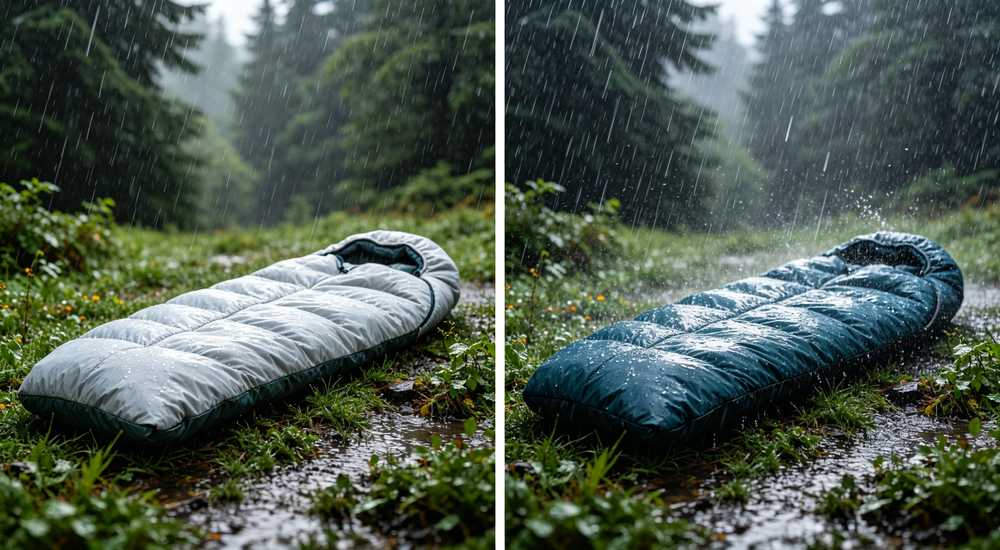
A water-resistant shell can manage light surface moisture, dew, or brief droplets. It does not show that the entire bag can remain in sustained rain and does not replace a tent or waterproof sleeping bag groundsheet.
For damp settings, explain shelter, ground contact, ventilation, and drying conditions. Moisture protection, a mat, and overhead cover remain separate decisions.
Ask which fabric carries the treatment, what area it covers, and which conditions apply. Do not expand water resistance into full waterproofing without relevant construction or information.

Washable does not mean every machine, water temperature, detergent, or dryer is suitable. Shell, lining, filling, removable parts, and zipper can have different care requirements.
Limited drying space can make an overly thick or difficult-to-open option impractical. Flat opening helps airing, but filling still needs full drying and a check for clumping.
Contamination that cannot be removed, severe damage, open seams, clumped filling, or a failed zipper can make further use unsuitable. Understand the care limits before selection.
Institutional buyers must confirm washability before ordering. Follow this sleeping bag cleaning guide: standard polyester sleeping bags can be machine-washed at 30°C-40°C with mild detergent, but high filling density (above 600g/m²) requires industrial-size machines. Tumble dry on low heat for 40-60 minutes, then air-dry 24 hours to fully restore loft. Never dry-clean — solvents break down hollow fiber crimp and reduce warmth by 30-40% after one cycle.
For refugee camp distributions in East Africa, emergency shelter use after earthquakes in Turkey, and school evacuation programs in Southeast Asia, where laundry facilities are limited, consider removable liners or surface-cleanable coatings. Bags used in disease-prevention programs may need to withstand bleach dilution (1:100) — confirm with the supplier whether the shell fabric and zipper tape tolerate chlorine. Document cleaning instructions in the local language on each bag's label, not just on the carton.
Meet user, environment, and platform needs first. Then compare unit packed dimensions, finished net weight, pieces per carton, carton dimensions, and gross weight. The smallest package is not automatically the best product.
Packing data must belong to the current dimensions and filling. Do not estimate thick, long, or two-person options from a light product's figures.
Repack the sample into its storage bag. Check excessive force and stress on fabric or closures. Buyers need a normal packed result rather than only an extreme compression figure.
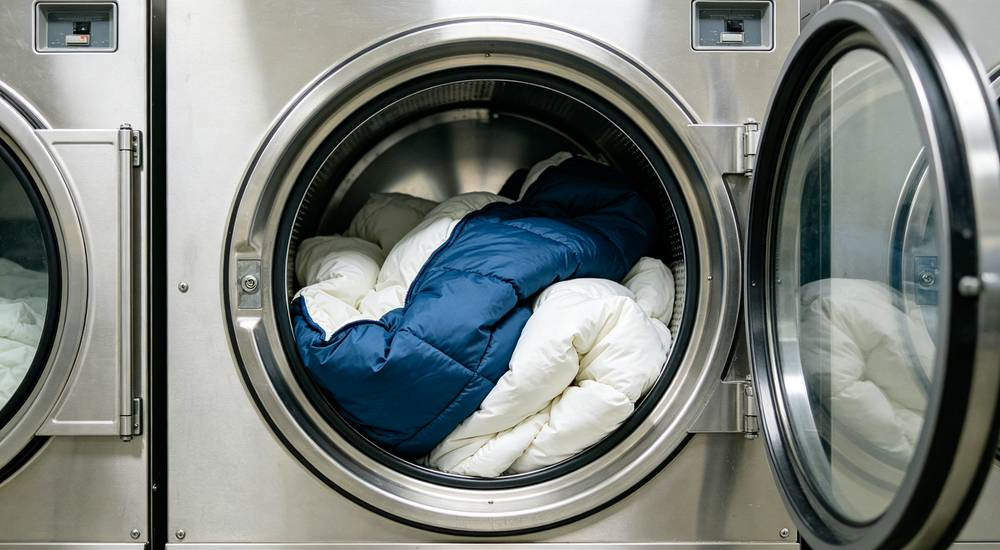
Use the sample to check dimensions, entry, turning, sitting up, exit, top opening, zipper, seams, filling distribution, odour, storage bag, and repacking. Test it on the actual cot or mat.
Hand feel does not show a temperature range or hidden materials. Temperature, material, and other performance points still need product information for the same setup.
Match the sample to the quoted materials, dimensions, filling, weight, and packing. Resolve any difference before choosing whichever number looks more attractive.
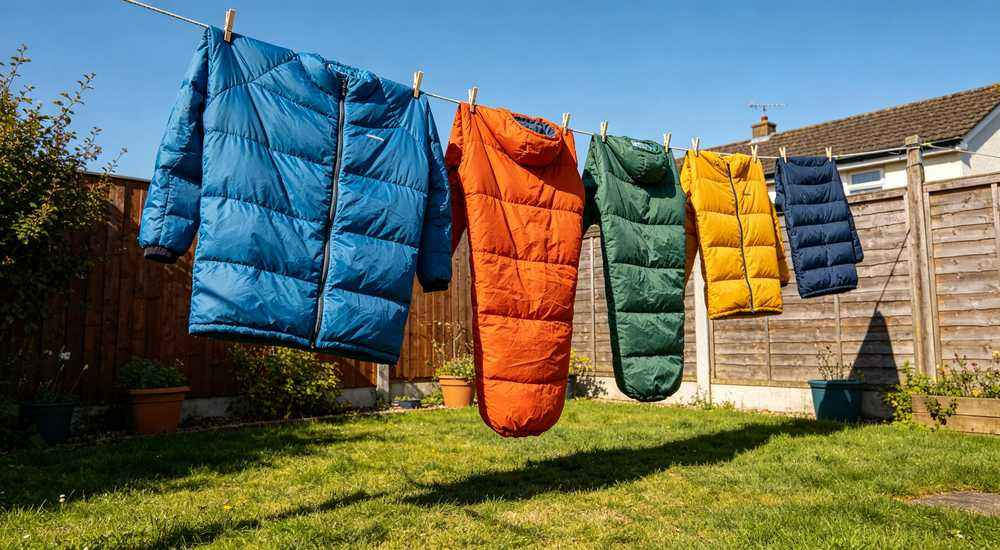
Budget matters after the product fits the users, environment, dimensions, and sleeping platform. A lower sleeping bag price does not save the project when size is wrong, temperature information covers another setup, or packing remains unclear.
Start with one suitable base option. Then compare how changes to materials, filling, storage, or accessories affect the quotation. Keep each alternative separate so the buyer can see where the difference comes from.
Remove unneeded hoods, connection, two-way zippers, or complex customisation. Do not remove the parts that solve bed fit, warmth, cleaning, or repeated-use needs only to reduce the quoted price.
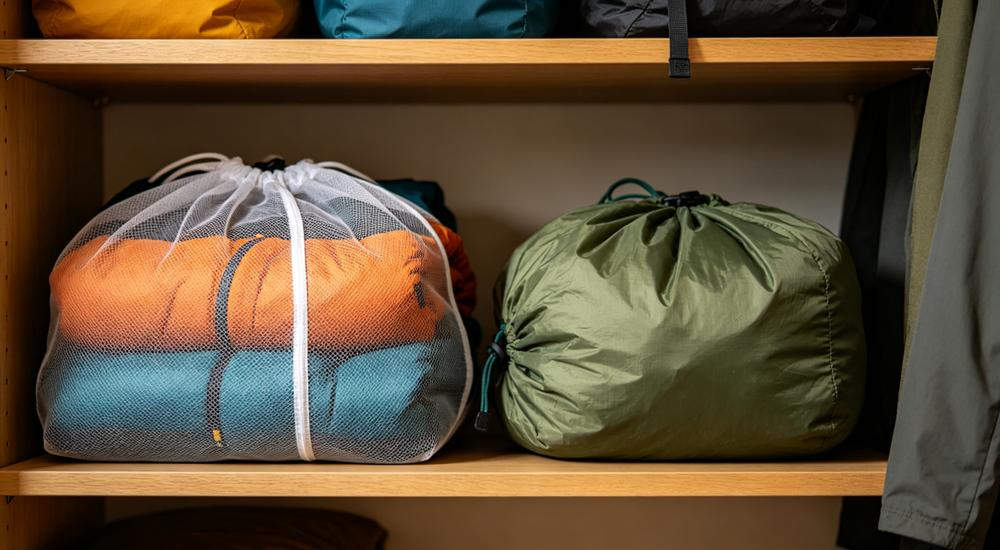
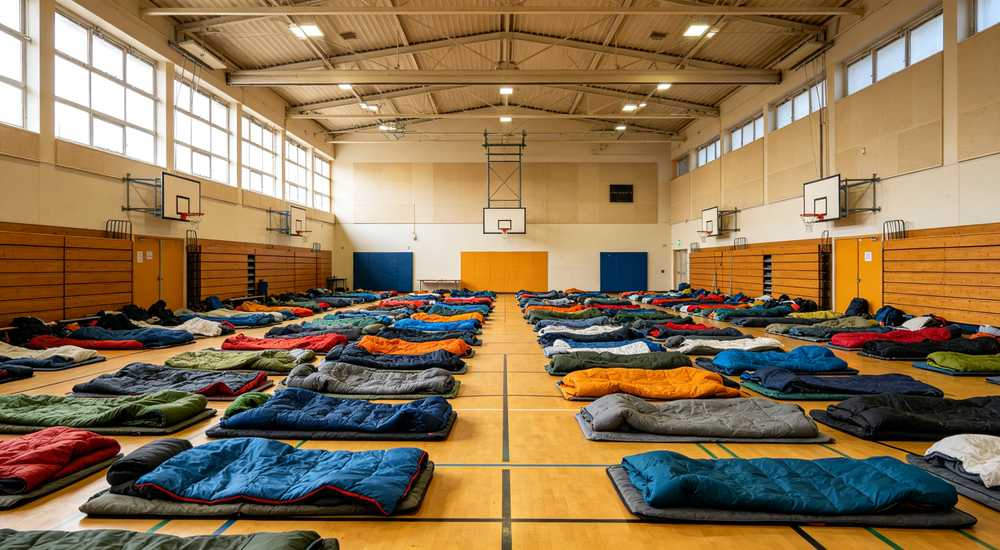
For an indoor hall, start with floor support, insulation, sleeping-space dimensions, and aisles. Then check whether filling suits an unheated area or positions near doors. Easy entry and cot fit may be the first priorities.
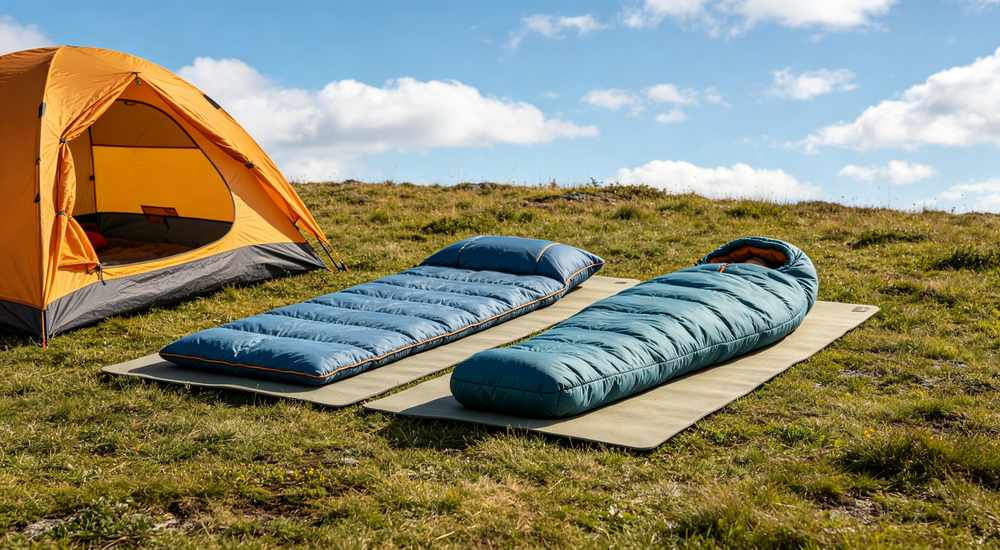
For a tent, start with wind, ground moisture, lowest night conditions, top opening, and insulation below the user. A water-resistant shell still does not replace overhead shelter or a waterproof groundsheet.
Both settings use sleeping bags but may not use the same setup. Keep common conditions consistent and change only the opening, filling, or supporting mat that solves a real difference.
One short stay first requires quick opening, suitable dimensions, understandable use, and normal repacking. Repeated use adds more zipper, seam, lining, cleaning, drying, and repacking cycles.
Continuous accommodation also makes mattress support, moisture, lining contact, and movement room more noticeable. A brief sample check should still reproduce the real sleeping platform and normal clothing.
State the expected duration and user rotation. Select a setup the site can clean and dry. Do not promise one service life without support for the exact materials and care conditions.
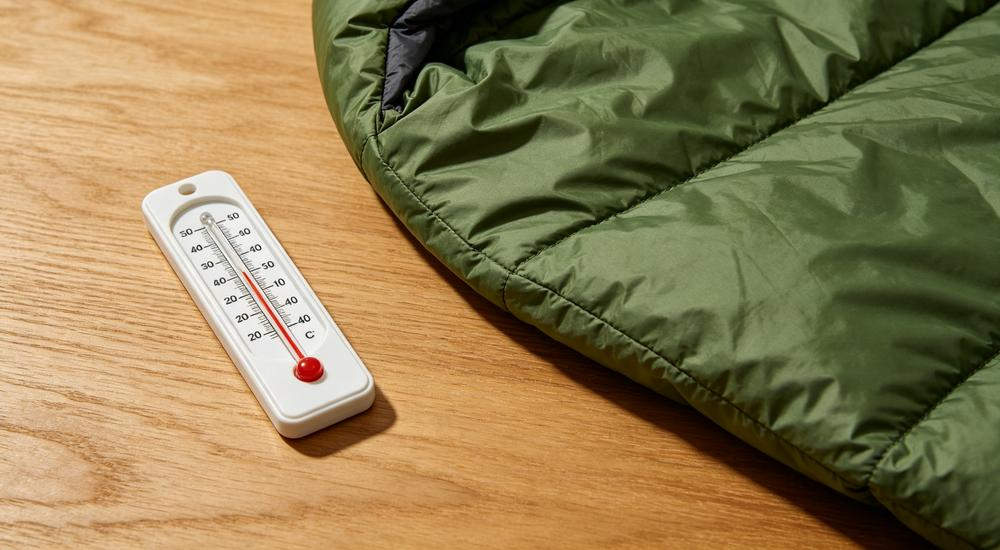
Place both options in one short comparison: users, environment, sleeping platform, dimensions, shape, materials, filling, temperature information, storage, and cleaning. Remove descriptions that do not change the decision.
Test both samples with the same users, clothing, and bed space. Record entry, turning, sitting up, leaving, and repacking, together with the differences that affect the project.
Finish with one plain reason, such as easy entry for a hall or a smaller top opening for a tent. A clear reason is more useful than saying one product is simply better.
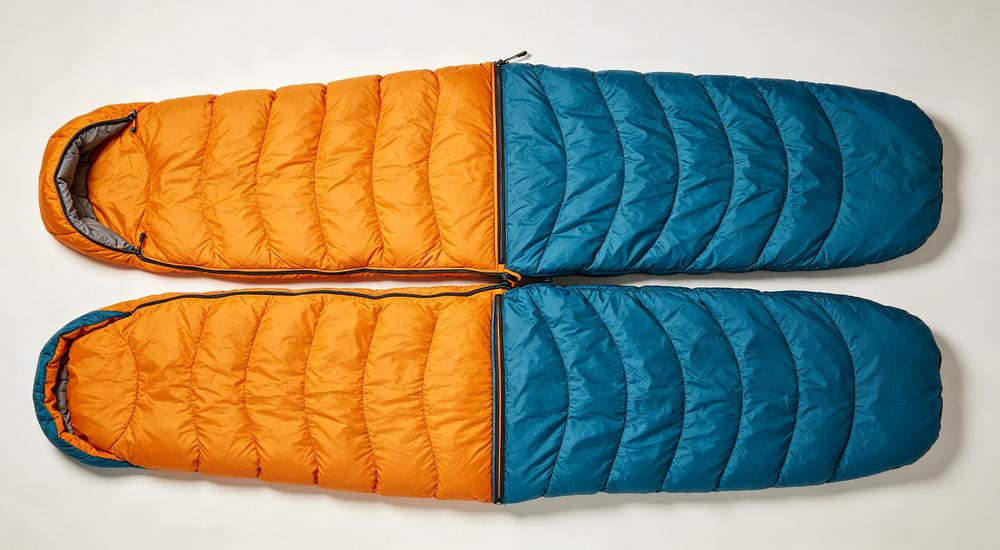
The first screening does not select the final product on paper. It removes clearly unsuitable options and leaves a small group worth sampling.
Confirm the users, sleeping location, platform, night conditions and basic size way first. When an option clearly fails one condition, there is no reason to compare colour, packing or promotional names.
Once an option covers the basic conditions, stop adding general questions. Check usable interior space, filling and weight definitions, water-resistance limits, zipper operation and packing on the matching sample.
Too many early questions produce long supplier replies that are difficult to compare. They can also hide the few conditions that decide whether the sleeping bag fits the project.
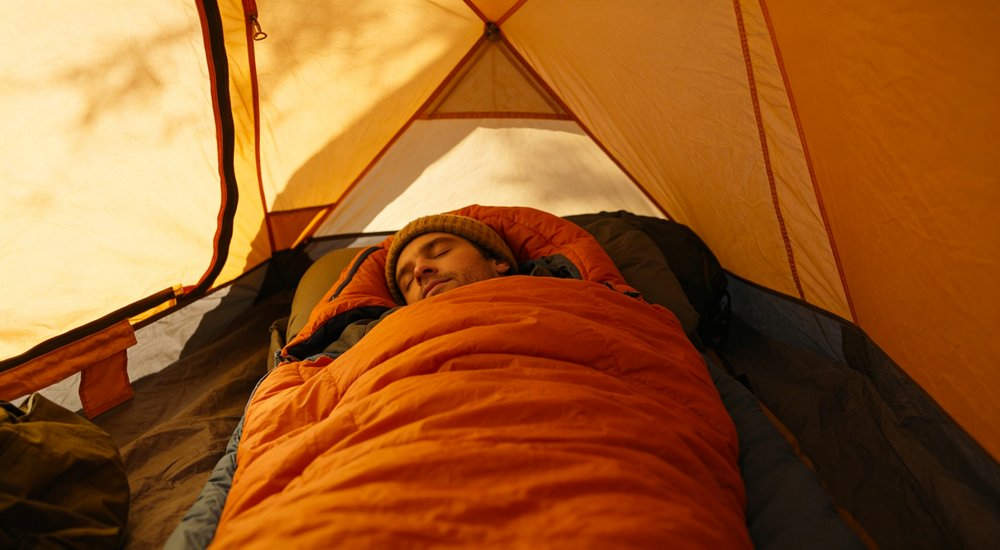
Record three things for each option: the basic conditions it meets, the important question still unanswered, and the action that will answer it.
For example, the size way may appear suitable, while the temperature information still needs to match the offered setup. The sample should also confirm turning and zipper use while the user wears the expected clothing.
Do not let a total score hide a hard failure. Small advantages cannot make up for a bag that the main users cannot enter normally or whose environmental limit remains unclear.
A plain reason to retain or remove an option is easier to review than a complicated scoring sheet.
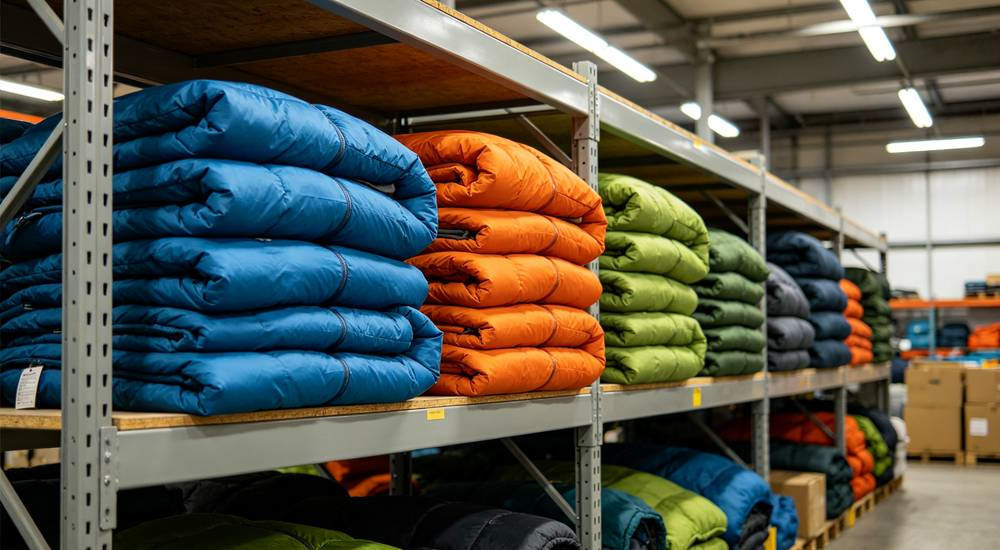
Start with users, setting, and environmental conditions. Then review temperature information and material layers for the same setup. A fabric name alone does not show warmth, while a temperature figure without shelter, ground, clothing, and construction can mislead selection.
Ask for shell, lining, filling, dimensions, opening, and the applicable temperature basis together. This order is suitable for comparing institutional options. It prevents one isolated number from replacing the complete decision and keeps materials connected to the conditions they must handle.
No. Filling type, amount, loft, distribution, dimensions, shape, opening, wind, moisture, ground insulation, and user clothing all affect warmth. More filling also increases packed volume and transport weight.
Compare fill only after aligning size and construction, then review temperature information for that setup. Finished weight is not the same as fill weight because it includes shell, lining, zipper, and accessories. The heaviest bag may be unnecessary indoors and still unsuitable for a cold floor or wide opening.
Sample comparison should also use the same sleeping platform, clothing, and environmental conditions.
Match size to the user range, night clothing, shoulder and foot room, opening position, and the available cot or floor space. Do not rely on total length alone. Request open dimensions, usable closed space, finished weight, and packed size.
Then test representative users on the actual sleeping platform. A longer bag can solve height without solving shoulder width, while an overly wide bag can extend beyond a cot or reduce aisle space. Select the smallest way that remains usable for the intended group.
Neither shape is universally better. Envelope construction usually offers more movement room and may open flat. A closer-fitting or hooded shape reduces unused internal space and may suit colder or draughtier conditions.
Compare the expected environment, user body range, clothing, bed space, top opening, and entry needs. Indoor short stays may prioritise easy movement, while exposed sites may prioritise a smaller opening. Shape does not replace verified filling, temperature information, or insulation below the user.
Finally, verify entry, turning, and the top opening on the actual sleeping position.
Usually not as a substitute for rain shelter. Water resistance can manage light droplets, dew, or brief surface contact. Sustained rain, wet ground, and standing water still require overhead protection and a waterproof ground layer.
Ask which shell receives the treatment and what conditions it covers. Drying and ventilation also matter after moisture exposure. A water-resistant fabric way suits incidental moisture.
It does not mean the entire sleeping bag is waterproof in exposed rain.
After moisture exposure, also inspect the lining, filling, and seams for any change.
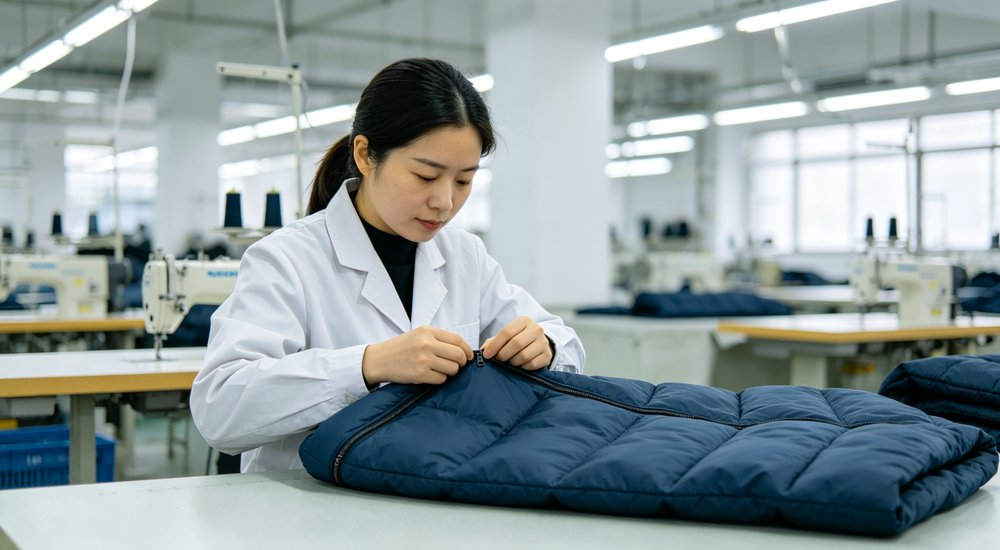
Only when paired use is a real project need. Check intended users, privacy, sleeping-space width, left and right zipper compatibility, dimensions, and the complete connection. Single bags are usually clearer for independent beds and rotating users.
A zip-together function can suit defined family or care arrangements. It is unsuitable when the site cannot maintain compatible directions or later quantities. Test one genuine pair in both single and connected states before adding the feature to the whole project.
Later replenishment must keep zipper directions and pairing identification consistent. Mixed left and right zippers in replenishment orders break existing pairing systems.
Review sleeping bag care instructions, filling fixation, removable parts, zipper protection, drying conditions, and restrictions. Then perform a realistic cleaning and drying trial on the sample. Washable does not mean every machine, temperature, detergent, or dryer is acceptable.
After drying, check clumping, filling distribution, seams, zipper, shape, and repacking effort. The cleaning method should match the selected shell, lining, and filling. Choose a setup the available site resources can actually clean and dry rather than relying on a general washable label.
Record the cleaning result against the current sample, materials, and exact care method.
Packed size affects storage space, vehicle loading, carrying, and carton quantities. Compare open dimensions, normal packed dimensions, finished net weight, pieces per carton, carton size, and gross weight together. Confirm whether the selected materials permit the intended sleeping bag storage method.
The smallest package is not automatically best because excessive compression can make repacking difficult or conflict with care guidance. Packing figures from another size or filling option should not be used to calculate the current product.
The sample should also confirm that ordinary users can repack it without excessive force.
Provide the setting, user count and range, night conditions, shelter, sleeping platform, normal clothing, duration, size way, construction needs, packing, labels, quantity, and destination. Clear inputs let suppliers return comparable configurations instead of unrelated catalogue options. If information is missing, identify it as a question rather than allowing an assumption to become a product claim.
A request containing only sleeping bag and quantity is insufficient because it leaves dimensions, filling, temperature basis, and packing open to different interpretations.
Supplier replies should map every field back to the specific sleeping bag being offered.
Check sample dimensions, material layers, filling, weight basis, zipper, seams, hood or collar, opening, care method, storage bag, and repacking. Test the product with representative users on the intended cot, mattress, mat, or floor position. Then match the sample with the quotation, product description, temperature information, and packing data.
Hand feel does not show a temperature range or identify hidden material. When the sample and documents describe different configurations, clarify the product before the order rather than selecting whichever figure appears more attractive.
For bulk sleeping bags orders, OEM sleeping bag custom sleeping bag or OEM sleeping bag productions, and wholesale sleeping bags pricing from a China manufacturer, contact our team to receive comparable configurations and China sleeping bag factory-direct quotes.
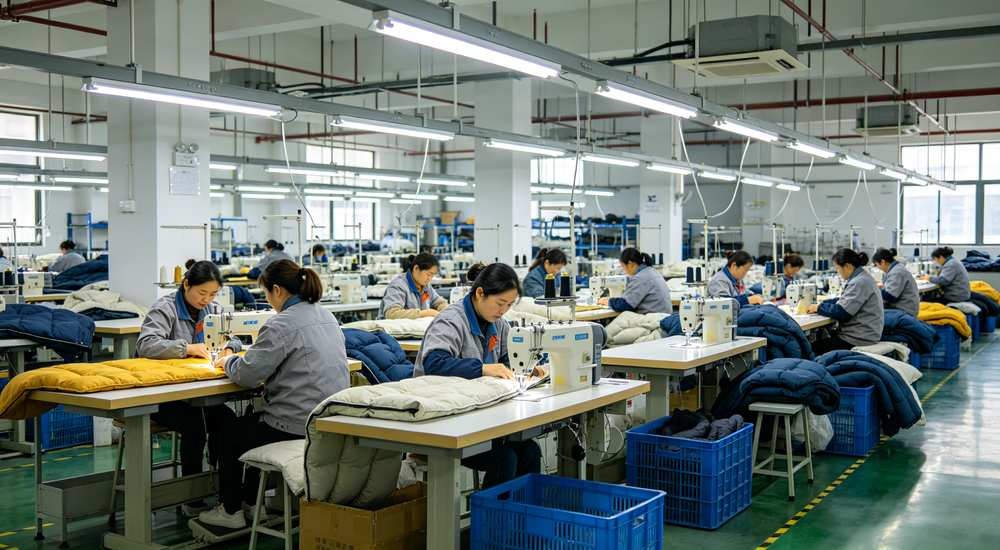
11. What is the difference between OEM and ODM sleeping bag production?
OEM production uses the buyer's design and specifications, while ODM production uses the supplier's existing design with buyer customization. For institutional and emergency projects, OEM suits buyers who already have approved specifications, while ODM works well when the supplier has a proven model that only needs logo or color changes. Confirm which model applies before sampling, because it affects tooling costs, revision cycles, and intellectual property terms.
12. Can suppliers provide private label sleeping bags with custom branding?
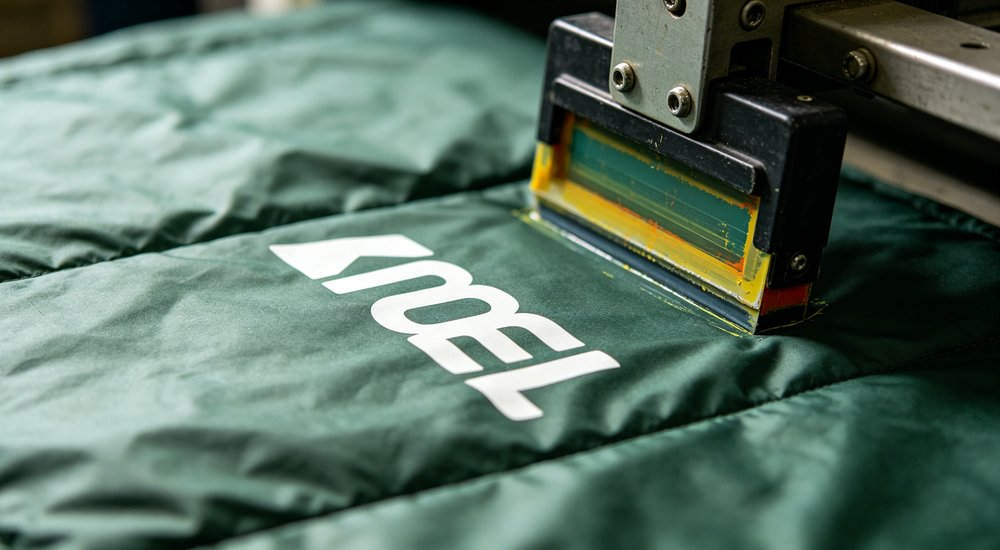
Most wholesale sleeping bag suppliers offer private label options, including woven labels, printed logos, hang tags, and custom packaging. The key is to confirm branding method early: woven labels cost more but last through repeated washing, while screen printing works well on shell fabric but may fade after heavy institutional use. Ask for a branded sample before mass production, and keep artwork files in vector format to avoid printing quality issues.
13. What certifications should buyers look for in sleeping bag suppliers?
Relevant certifications include ISO 9001 for quality management, BSCI or Sedex for social compliance, and OEKO-TEX for fabric safety when the product contacts skin. For government sleeping bag procurement or humanitarian orders, also check whether the supplier can provide test reports for flammability, tear strength, and color fastness. Certifications alone do not guarantee product quality, but they show that the factory has documented processes and is willing to be audited.
14. What is a typical minimum order quantity for bulk sleeping bag orders?
Minimum order quantities vary by model and factory, but common ranges are 500 to 1,000 pieces per color for standard models, and 1,000 to 2,000 pieces for custom colors or custom fills. Buyers should ask whether the MOQ is per model, per color, or per order, because these three are not the same. A lower MOQ may sound attractive, but it can mean higher unit price, longer lead time, or limited material choices. For emergency replenishment, also confirm whether repeat orders have a lower MOQ than first orders.
15. What information is needed to get an accurate sleeping bag quotation?
A complete quotation request should include user type, quantity, size range, temperature expectation, shell and lining material, filling type and weight, zipper direction, packing requirement, destination port, and any certification needs. Requests that only say "sleeping bag, 5,000 pieces" will return wide price ranges because suppliers must guess the missing specifications. The more complete the initial request, the easier it is to compare quotes on the same basis and avoid costly revisions later.
16. How long does sleeping bag production and delivery usually take?
Standard production lead time is 25 to 40 days after sample approval and deposit, depending on order quantity and material availability. Sea freight adds another 20 to 45 days depending on destination. For emergency orders, ask whether the supplier has stock materials or finished models that can ship faster, and confirm whether air freight is available for urgent small quantities. Always build buffer time for sample approval, inspection, and possible customs delays, especially for disaster relief sleeping bag projects with fixed delivery deadlines.
17. What export experience should sleeping bag suppliers have?
Look for suppliers who have exported to your destination region before, because they understand local labeling requirements, import documentation, and common testing standards. A supplier with experience in Africa, Southeast Asia, or the Middle East will know which packing methods survive long transport and which temperature ranges suit local climates. Ask for past shipment records or references, and confirm whether the factory can handle EXW, FOB, or CIF terms depending on your logistics arrangement.
18. How can buyers verify sleeping bag durability before placing a bulk order?
Durability verification should include zipper cycle testing, seam strength testing, fabric tear testing, and actual washing tests on the pre-production sample. For institutional buyers, also run a field trial with representative users for at least one week to check zipper smoothness, filling shift, and fabric pilling. A supplier who cannot provide test reports or allow independent inspection may be hiding quality issues. The sample approval stage is the last chance to catch durability problems before mass production begins.
For bulk sleeping bags orders, OEM sleeping bag custom sleeping bag or OEM sleeping bag productions, and wholesale sleeping bags pricing from a China manufacturer, contact our team to receive comparable configurations and China sleeping bag factory-direct quotes.
Durability verification should include zipper cycle testing, seam strength testing, fabric tear testing, and actual washing tests on the pre-production sample. For institutional buyers, also run a field trial with representative users for at least one week to check zipper smoothness, filling shift, and fabric pilling. A supplier who cannot provide test reports or allow independent inspection may be hiding quality issues. The sample approval stage is the last chance to catch durability problems before mass production begins.
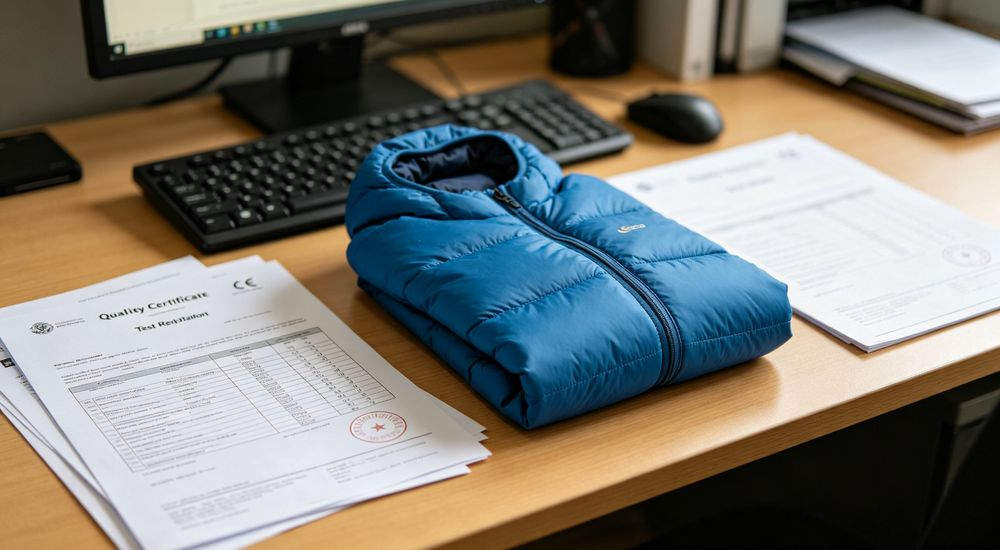
Selecting the right sleeping bag manufacturer and product setup requires careful evaluation of user needs, environmental conditions, and quality standards. A reliable China sleeping bag factory can provide custom sleeping bags, OEM sleeping bag services, and private label sleeping bags to meet your specific requirements.
Before placing bulk sleeping bags orders, buyers should verify sleeping bag quality control processes, BSCI sleeping bag certification, sleeping bag MOQ terms, and sleeping bag delivery schedules. Requesting a sleeping bag sample is the most reliable way to evaluate actual product quality, sleeping bag temperature rating, and sleeping bag durability before committing to large-volume procurement.
By working with an experienced sleeping bag supplier that understands institutional and emergency requirements, buyers can ensure consistent product quality, competitive wholesale sleeping bags pricing, and reliable long-term supply for their projects.
 |

|
Links amigáveis :
direito autoral © Custom Disaster - Relief Bedding: Tents, Sleeping Bags, Blankets Todos os direitos reservados
a equipe profissional para o serviço !