Material verification fails when a buyer asks only one question: What is this blanket made of? The commercial answer may use a fibre name, the label may show a percentage, the quotation may use a blend description and a test may cover a different sample. Verification means proving that these statements refer to the same identified product and do not contradict one another.
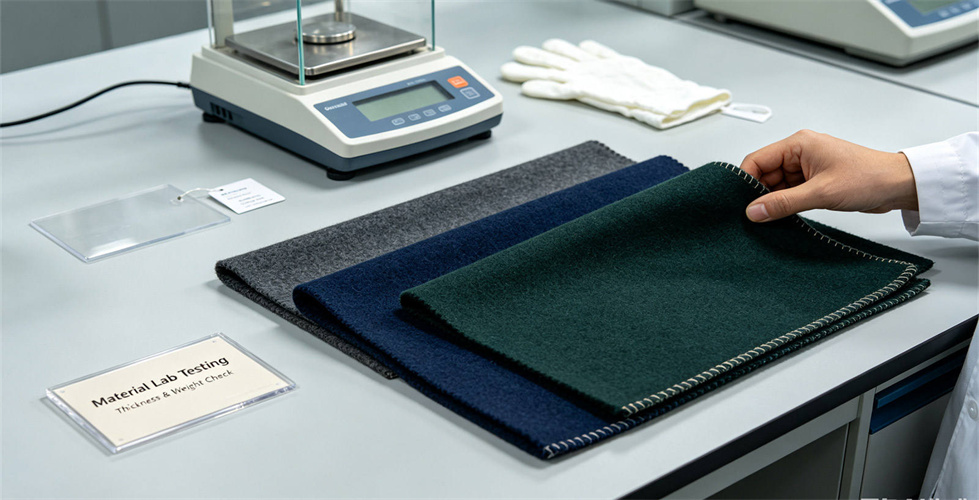
Material disputes usually start when the quotation, sample, label, and supporting document use wording that appears similar but does not describe the same product or composition. If a buyer needs to know how to verify emergency blanket materials, the safer answer is not to judge from surface texture alone. Use photos for visible screening, then confirm the final material statement through samples, BOM, specification sheets, labels, required test reports, and inspection records.
To verify emergency blanket materials before bulk procurement, start with the visible product line, but do not treat pile surface, color, pattern, or a label close-up as proof of fiber ratio, GSM, finished size, performance, packing data, or bulk consistency.
A photo can help screen product options. A sample and written document set should approve the order.
Material verification should connect at least four carriers: quotation specification, approved sample identity, product label, and applicable document. An institutional blanket product line may require a defined blend, finished dimensions, and piece-weight range. Those values can support RFQ and sampling work only after they are matched to the current product record; they cannot be inferred from another blanket or extended automatically to another batch.
Different buyers require different depth from the same material statement. A reserve buyer needs wording that remains stable through storage records and rotation orders. An NGO project may need the statement to match tender, customs, label, and donor-document fields. A distributor may focus on repeat-order consistency and private-label accuracy. Start with one approved composition sentence, then map it to the records each buyer will actually use. This avoids collecting many documents that still fail to describe the ordered blanket in the same way.
Split the statement into fibre type, percentage basis, component scope and product identity. A phrase such as wool blend does not state a ratio; recycled fibre does not name the polymer; a label percentage may apply only to a textile component. Ask for the exact wording intended for quotation, specification and label before deciding which evidence can support it.
More documents do not create certainty when they describe different products. Put quotation, specification, BOM when applicable, label artwork, sample ID and test record side by side. Compare product name, composition, percentage, colour or construction, holder and date. One unresolved mismatch should remain visible until corrected; it should not be hidden by choosing the most convenient document.
A quotation says wool-synthetic blend, the sample label adds a percentage and the bulk label uses a different percentage. Do not average the values or select the latest file. Stop label approval, identify the intended construction, trace the material record for the active sample and issue one consistent documented wording across commercial and production documents. Then define how bulk receiving will verify identity.
Use the table to trace one final material statement across every carrier. Any mismatch in fibre name, percentage, product identity, or covered order stays open until one approved wording controls production and receiving.
| Decision field | What closes the decision |
|---|---|
| Claim wording | Exact fibre, percentage basis, component scope |
| Product identity | Code, sample, construction, colour |
| Supporting records | Specification, BOM/label/test as applicable |
| Bulk control | Consistent wording and receiving check |
We can respond field by field on material name, ratio, construction, label wording, and required documents, with substitutions declared separately. For recycled material, base fibre type, recycled content, source, and certification scope are four different conclusions.
Use a contradiction route when material records disagree. First copy each statement exactly rather than correcting it during comparison. Then identify whether the difference concerns fibre name, blend percentage, recycled input, component scope, treatment, or product identity. Next decide which approved source should control the order and which files must be revised. Finally, check the corrected wording in quotation, specification, label, carton text, inspection material, and commercial documents. A supplier response is complete only when it explains both the final wording and the reason the other versions no longer apply.
Before requesting a quotation or sample, compare emergency relief blankets by visible product details, then confirm final values through the project specification and approved sample.
A material name is useful only when the quotation, approved sample, label wording, BOM or specification sheet, and receiving record point to the same product identity. Compare candidate blanket product lines by the material statement each supplier can repeat in production and commercial documents. Surface appearance may help shortlist options, but material approval belongs to matched written records and the identified sample.
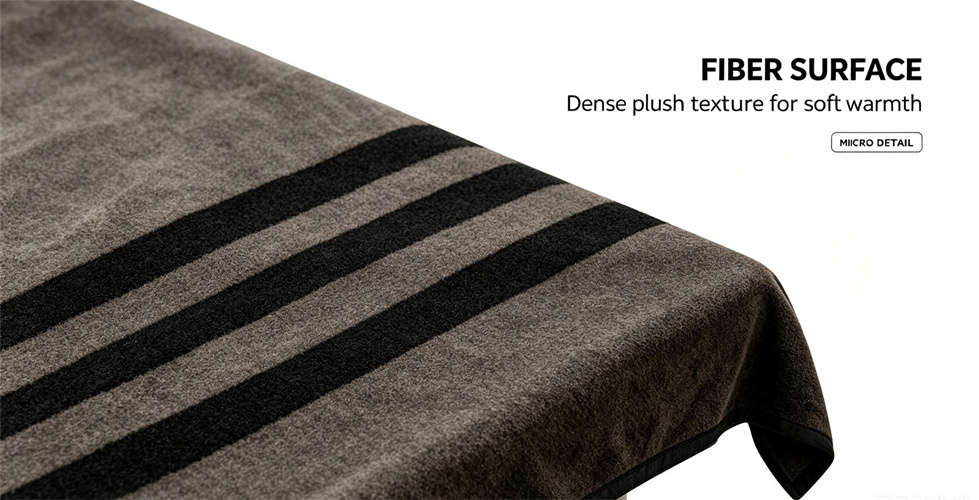
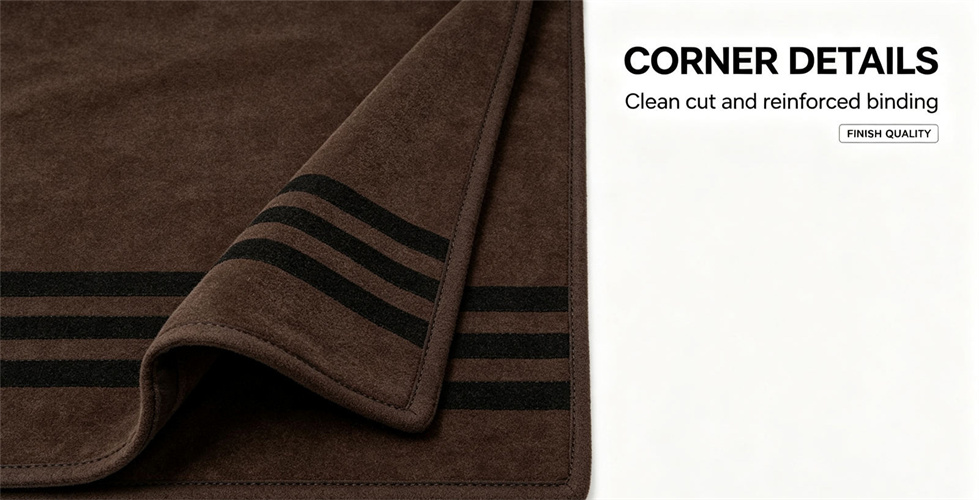
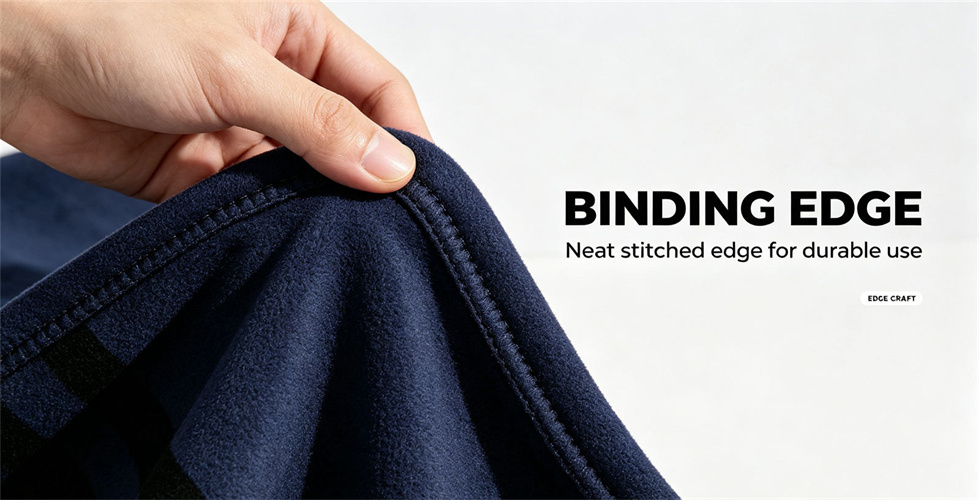
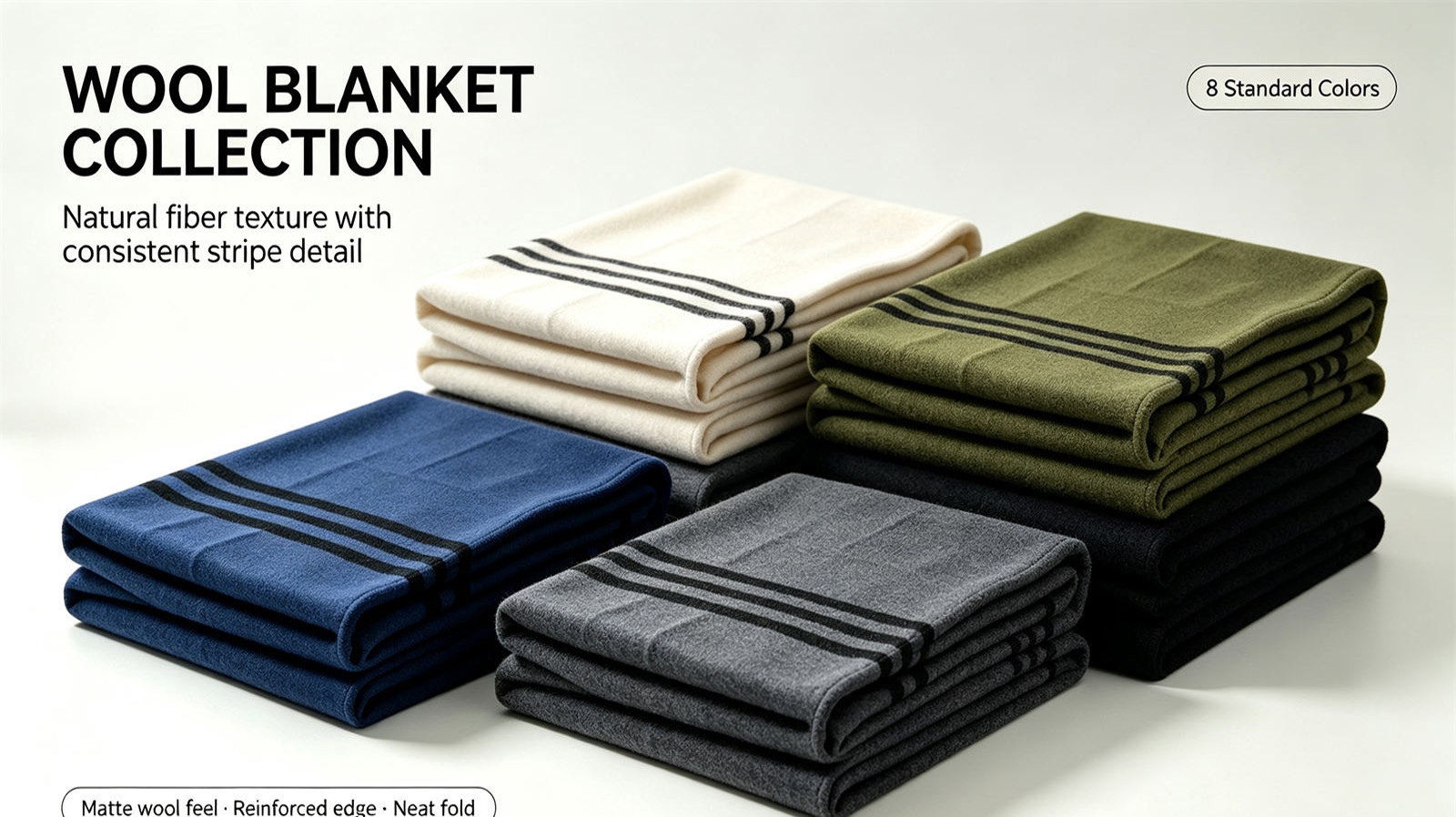
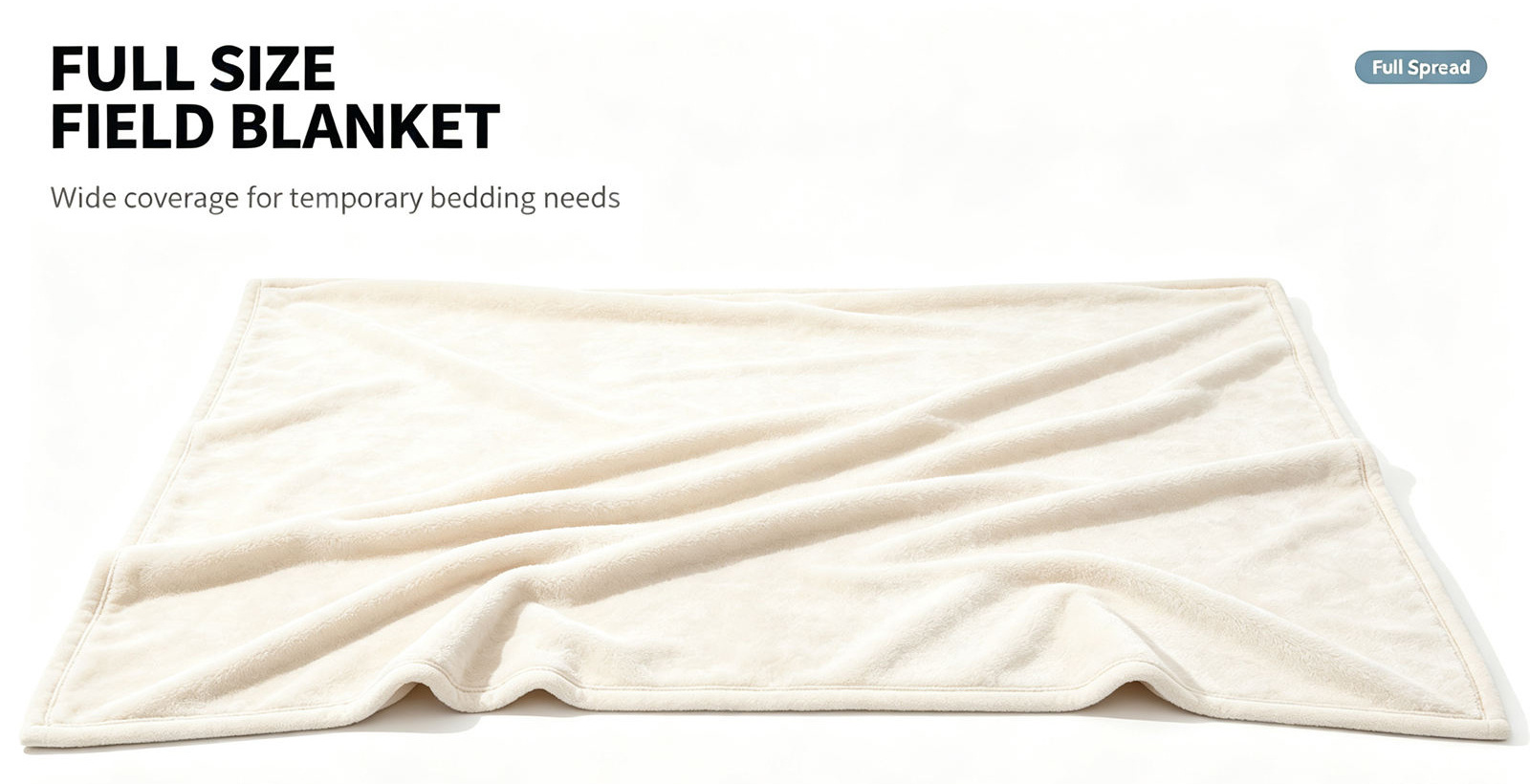
For material review, photos can show the surface, edge, fold, and label position, but the fibre name and blend ratio must come from the approved material wording and product documents. For a wool-blend option, buyers should verify the material statement, weight field, label wording, and sample approval record instead of relying on the photo alone.
This option can be considered when buyers review wool emergency blankets options or flannel and wool-blend blanket options. Material proportion, testing, packing, and order data remain project-confirmation items.
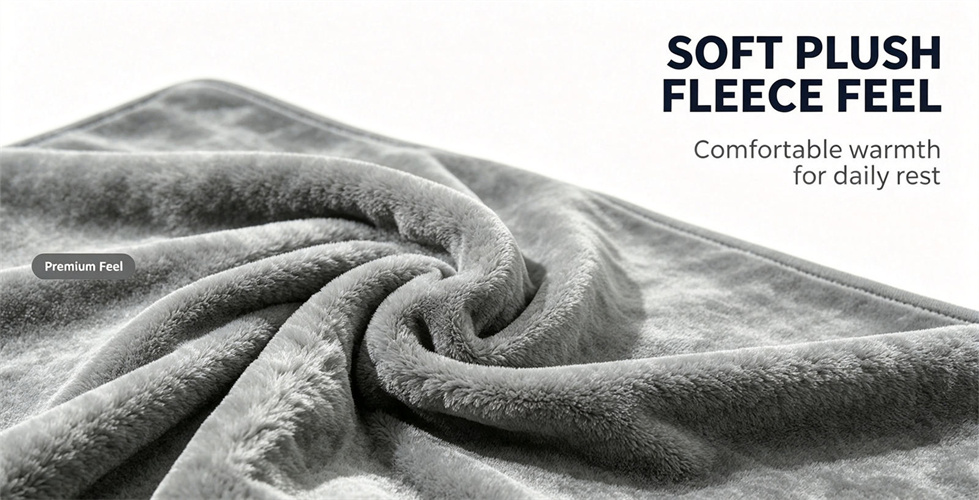
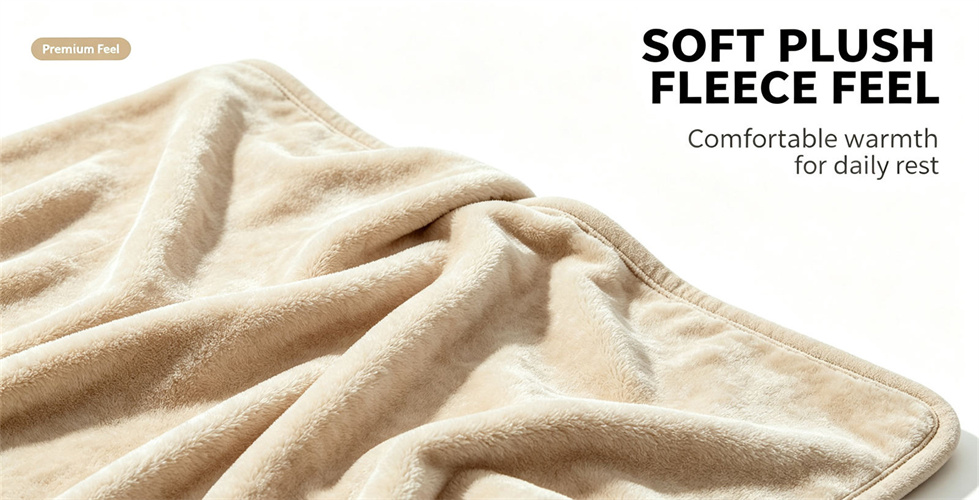
Photos can show patterned thick pile, floral or geometric pattern alignment, edge treatment, folding form, and draped presentation. They cannot prove fiber composition, GSM, pile specification, washing result, or packing data without supporting documents.
When documents conflict, compare product name, SKU or sample ID, holder, covered material, validity, and order or batch connection. Named certification, medical-textile evidence, and performance claims without matching proof must remain document requirements rather than product facts.
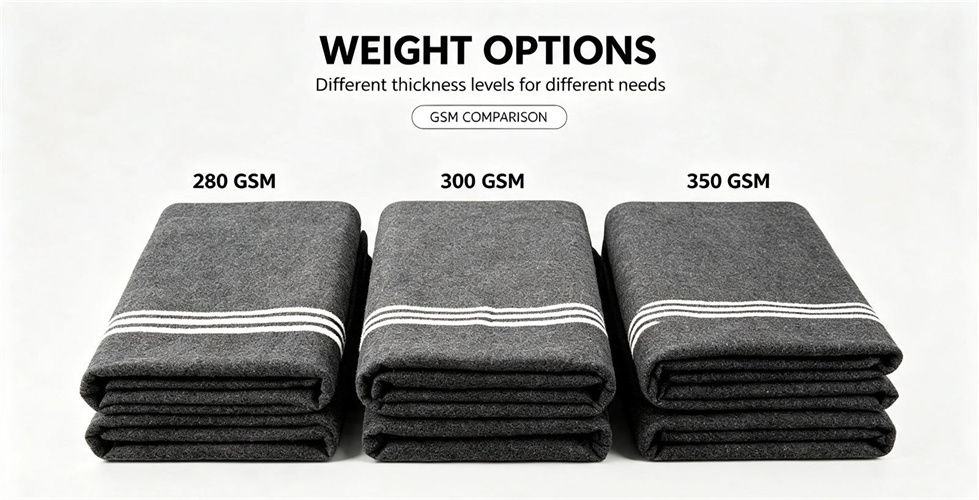
A controlled material verification process keeps the photo, sample, specification, quotation, and receiving record aligned. Buyers who already use a sample approval checklist can use the same logic for emergency blanket material checks.
| Step | Buyer action | Supplier confirmation |
|---|---|---|
| 1. Photo screening | Mark visible material option, pile appearance, color, edge, pattern, label, and folding details. | Confirm which visible features match available blanket options. |
| 2. Material option selection | Choose whether the project should compare plush, flannel option, wool-blend option, or raschel option. | State which item path can move to sample and specification review. |
| 3. Sample request | Request a physical sample when handfeel, surface appearance, edge detail, or label placement affects approval. | Clarify what the sample represents and what still needs written confirmation. |
| 4. BOM and specification check | Confirm product name, material statement, weight or GSM field, size field, color, edge method, and packing fields. | Prepare quotation and production reference based on confirmed wording only. |
| 5. Label and document review | Review label artwork, material wording, packing list fields, and required test or inspection documents if the project asks for them. | Confirm which documents can be provided and which items remain project-specific. |
| 6. Bulk release | Approve the sample and written scope before production starts. | Use the approved record to guide production, inspection, packing, and shipment documents. |
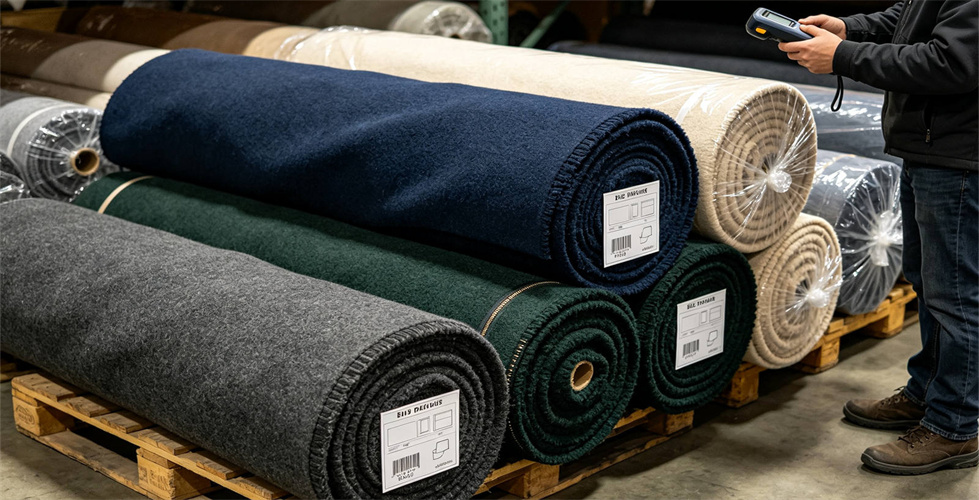
YRF can support material and document review with specification, sample, label, inspection, certification, and export-document coordination. Its certification and government/NGO project capabilities can strengthen a project response when the relevant certificate and wording are matched to the blanket and order. Flame-retardant or mould prevention capability should likewise be translated into the exact treatment, test or document required by the project, rather than left as a catalogue adjective. The practical result is a material statement that stays consistent from inquiry through receiving and can be reused safely for the next order.
Material suitability should also be separated from material identity. Polyester, blends, fleece, wool blends, recycled inputs, flame-retardant treatment, and mould prevention treatment may each answer different storage, climate, handling, or project-document needs. The material name alone does not select the blanket. Map the buyer's environment and lifecycle to measurable requirements, then ask which construction, treatment, test, or certification supports them. This preserves useful material choice while preventing a familiar fibre name from becoming an unsupported claim about warmth, safety, storage life, wash performance, or institutional suitability.
Send the competing material statements, sample or product identity, label draft, and the documents expected to support the final wording.
They should agree and connect to the quotation, purchase order, and any applicable test evidence. Resolve product or document revision conflicts before production.
Should a label photo be treated as final proof?
No. A label photo can show placement and draft wording, but the approved label file, material statement, language requirement, and carton mark should be confirmed in writing.
How does material verification differ from product photo review?
After reviewing product photo evidence for blanket procurement, confirm the material option through the approved sample, BOM, and written specification before releasing the bulk order.
How can bulk material labeling consistency be sampled?
Check agreed samples of product labels, inner packing, cartons, packing lists, and batch records for the same product name and composition wording.
Does a small change in blend ratio require renewed approval?
Review it against the order requirements. If it can affect labeling, price, use requirements, or document scope, approve it in writing before production.
Can a plush surface prove the exact fiber composition?
No. A plush surface can show surface appearance, but fiber composition must come from the approved material statement, BOM, sample record, or test report when required.
Should flannel, wool-blend, and raschel options use one material approval record?
No. Buyers can compare them with the same verification fields, but the selected option needs its own confirmed material statement, sample record, GSM or weight field, test scope, and packing data.
What should be checked before writing GSM into the order?
Check the specification sheet, sample weighing method, buyer acceptance criteria, and inspection record. A photo cannot prove the weight or GSM field.
Is a verbal material statement from the supplier sufficient?
It may support early discussion, but it does not replace a written specification, identified approval sample, and documents required by the project.
Does recycled polyester wording prove ordinary polyester composition?
No. Polymer identity, recycled-content claims, and the scope of supporting evidence are separate questions and cannot substitute for one another.
Continue with the overview, product option, application plan, and closely related procurement guide for this decision.
Compare blanket product lines, application routes and related procurement resources.
 |
 |
Emergency Relief Reserve Blanket for Institutional Stockpiles and Bulk DistributionReview product specifications, configuration options and order confirmation points. |
Blankets for Emergency Shelters and Temporary Accommodation DistributionReview selection, packing and supply planning for this procurement scenario. |
✅ Official website: https://x.c1ns.cn/F9rNV
✅ Catalog download link: https://x.c1ns.cn/aVHtI
✅ Factory video link (YouTube): https://x.c1ns.cn/zVNIU
✅ Facebook homepage: https://a.c1ns.cn/SjJla
✅ Email: info@33ljy.com
✅ WhatsApp: +8613702995607
direito autoral © Custom Disaster - Relief Bedding: Tents, Sleeping Bags, Blankets Todos os direitos reservados
a equipe profissional para o serviço !