The phrase machine washable answers almost none of the questions an institution needs to ask. It does not identify the machine, load, chemistry, temperature, drying method, number of cycles, measurement method or acceptable change. Wash-care verification begins by converting the facility's real process into a reproducible evaluation, not by collecting a stronger adjective.
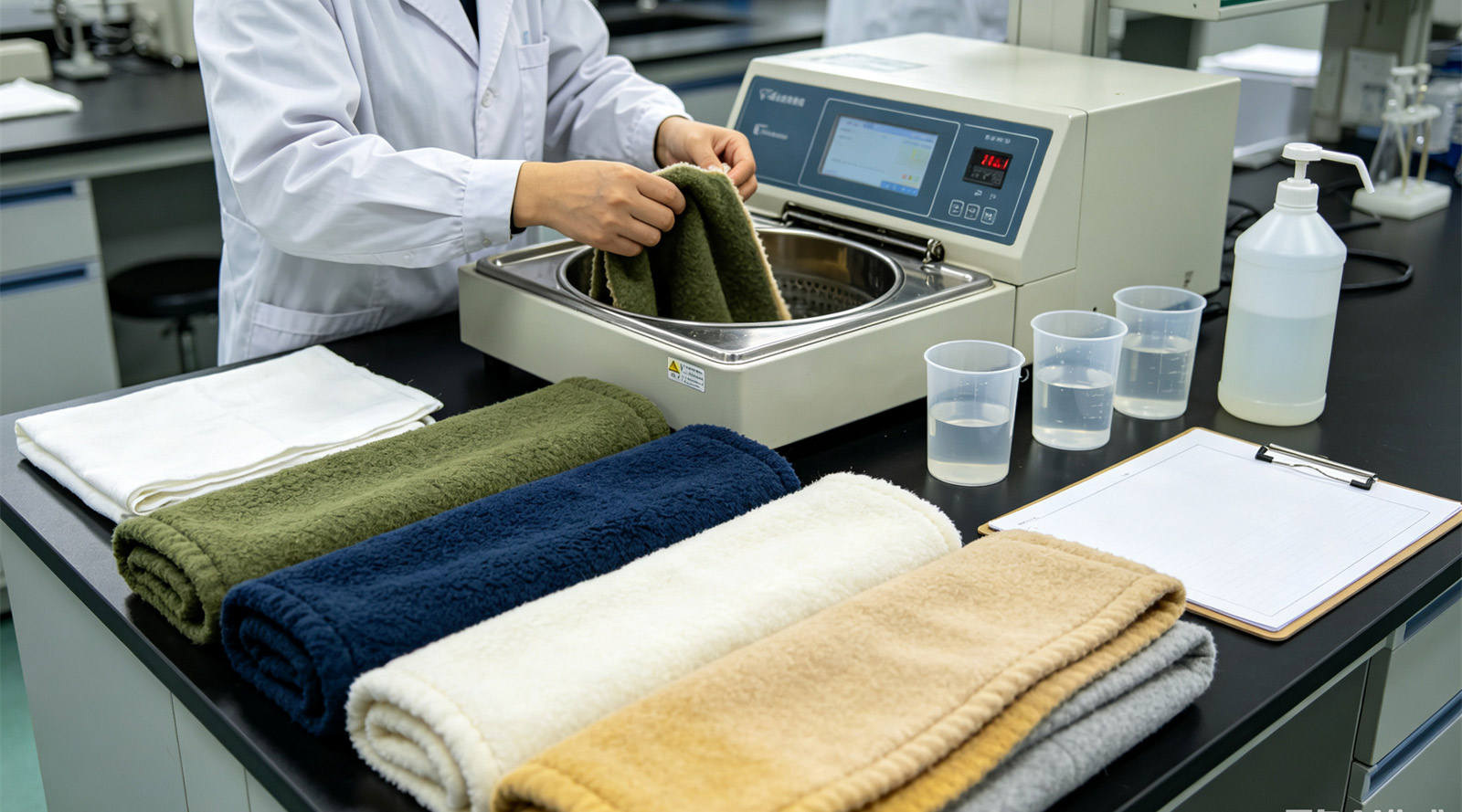
A before-and-after wash result is useful only when both measurements belong to the same identified sample and the complete care cycle can be repeated. A wash-care requirement is reliable only when the facility process, product identity, evaluation method, result, and acceptance limit are connected. Fibre composition or a generic care label alone cannot prove repeated-wash durability.
Ask each supplier to confirm the exact blanket, care method, test conditions, acceptance limits, packing, MOQ, and delivery conditions before comparing offers.
Identify the sample and record pre-condition, equipment category, load, wash and dry settings supplied by the facility, chemistry where relevant, cycles, conditioning and measurement points. Define the acceptance fields before testing: dimensions, shade, surface, edge, seams and label condition. Otherwise the team may select only the observations that support a preferred conclusion.
Use the same measurement points before and after conditioning. A common calculation is (after - before) / before x 100% for each dimension. The sign and acceptance limit must be agreed in advance. Do not combine length and width into one vague result. Record appearance changes separately because acceptable dimensions do not guarantee acceptable surface or edge condition.
Do not immediately blame the fibre. Check sample identity, load, chemistry, machine setting, drying, conditioning and measurement method. If a difference is repeatable under the intended process, decide whether to change product, process or acceptance limit. Record the chosen route and require re-evaluation after relevant material, construction or care-process changes.
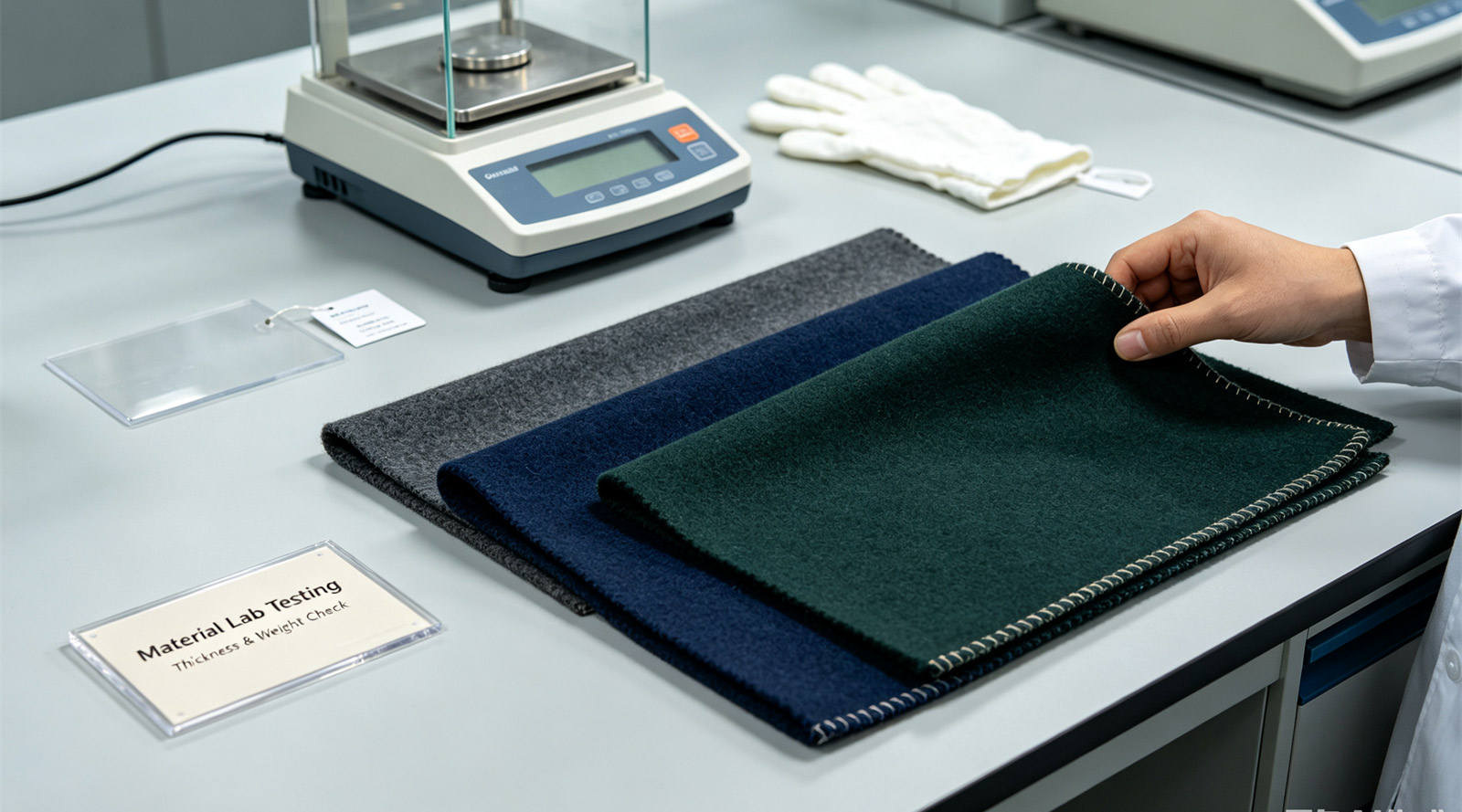
Use the table as a measurement record, not a general durability claim. Keep the sample identity, method, checkpoints, calculation, acceptance limit, and retest reason together.
| Decision field | What closes the decision |
|---|---|
| Method | Product ID, equipment, load, chemistry, wash/dry settings |
| Measurement | Fixed points, conditioning, before/after values |
| Appearance | Shade, surface, edge, seams, label |
| Decision | Limit, reviewer, exception and recheck trigger |
Define the care method before defining cycle count: equipment, program, chemistry, temperature, drying, cycles, and sample identity. Dimensional change may be calculated as (before − after) ÷ before × 100%. Record shade, surface, edge, seam, and label condition at each review point.
Wash-care verification is a lifecycle, not a one-time laboratory-style event. The first identified sample establishes the method and starting measurements. Bulk receiving checks that the delivered product and care label match that identity. In-use reviews record whether the actual facility process differs from the approved route. Replenishment compares the new sample, construction, label, and method with the retained record. A result becomes more valuable when it helps the next operational decision, not when it is presented as a permanent durability claim.
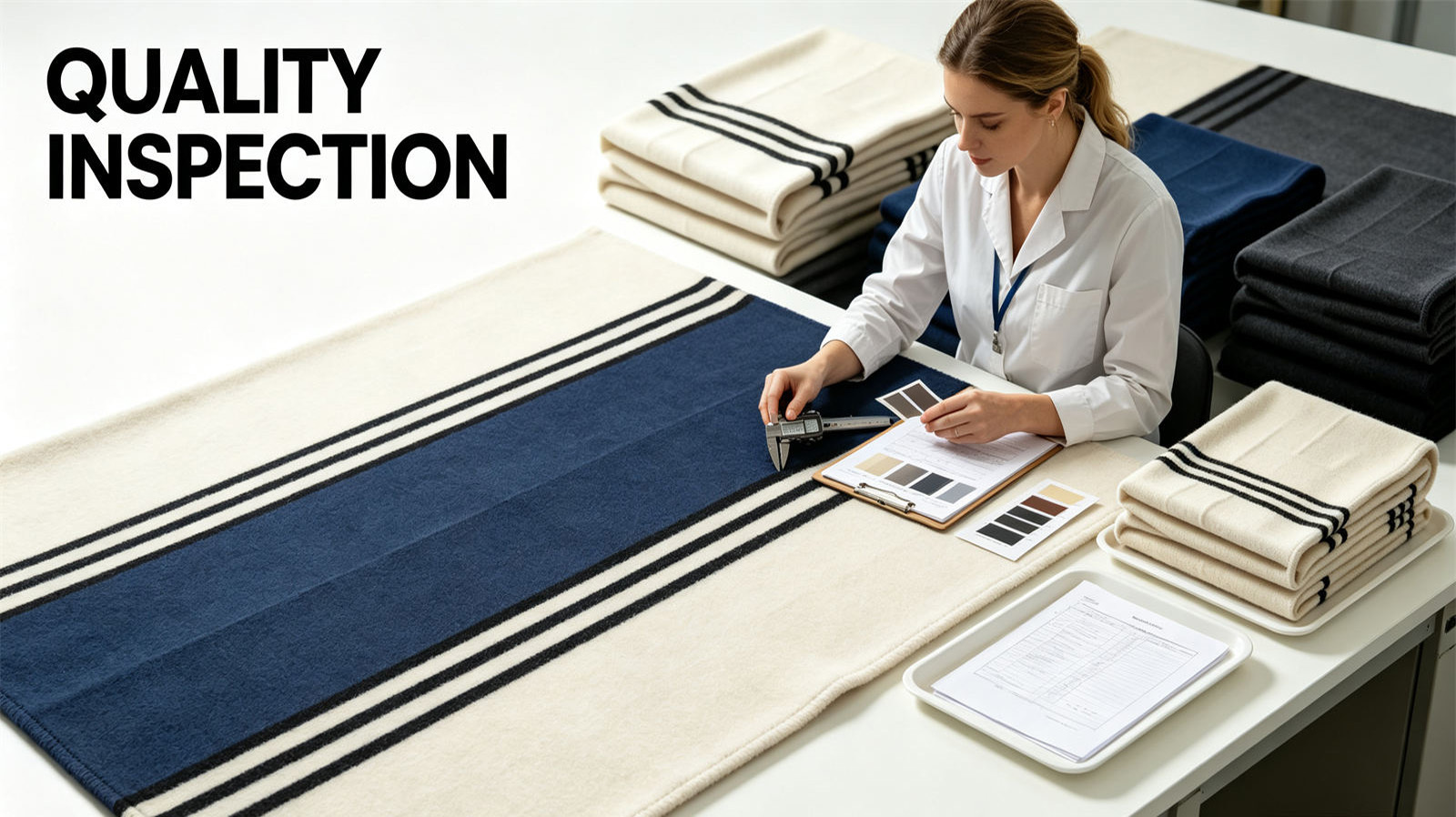
Capture the real care process. Document whether care is on-site or outsourced, the equipment type, sorting rules, detergents or chemistry, wash and dry conditions, finishing, inspection, and rejection route. Do not invent a universal institutional wash cycle.
Identify the exact product under review. Record composition, dimensions, construction, edge finish, colour, label version, and sample or batch ID. Results from a different blanket or an unspecified sample should not be transferred to the active order.
Separate instructions, compatibility, and durability. A care label states instructions. A compatibility review considers whether those instructions fit the facility process. A durability claim requires a defined evaluation and evidence. Keep these three decisions distinct.
We can provide an identified sample, specification, care-label revision, and before/after images, then connect the result to the active product and order. Historical results apply only when product, method, cycles, and acceptance limits match.
Set observable acceptance criteria. Before evaluation, define which changes will be measured or inspected: dimensions, shade, surface, edge condition, seam or label condition, and any agreed performance field. Also define the method and acceptable limit.
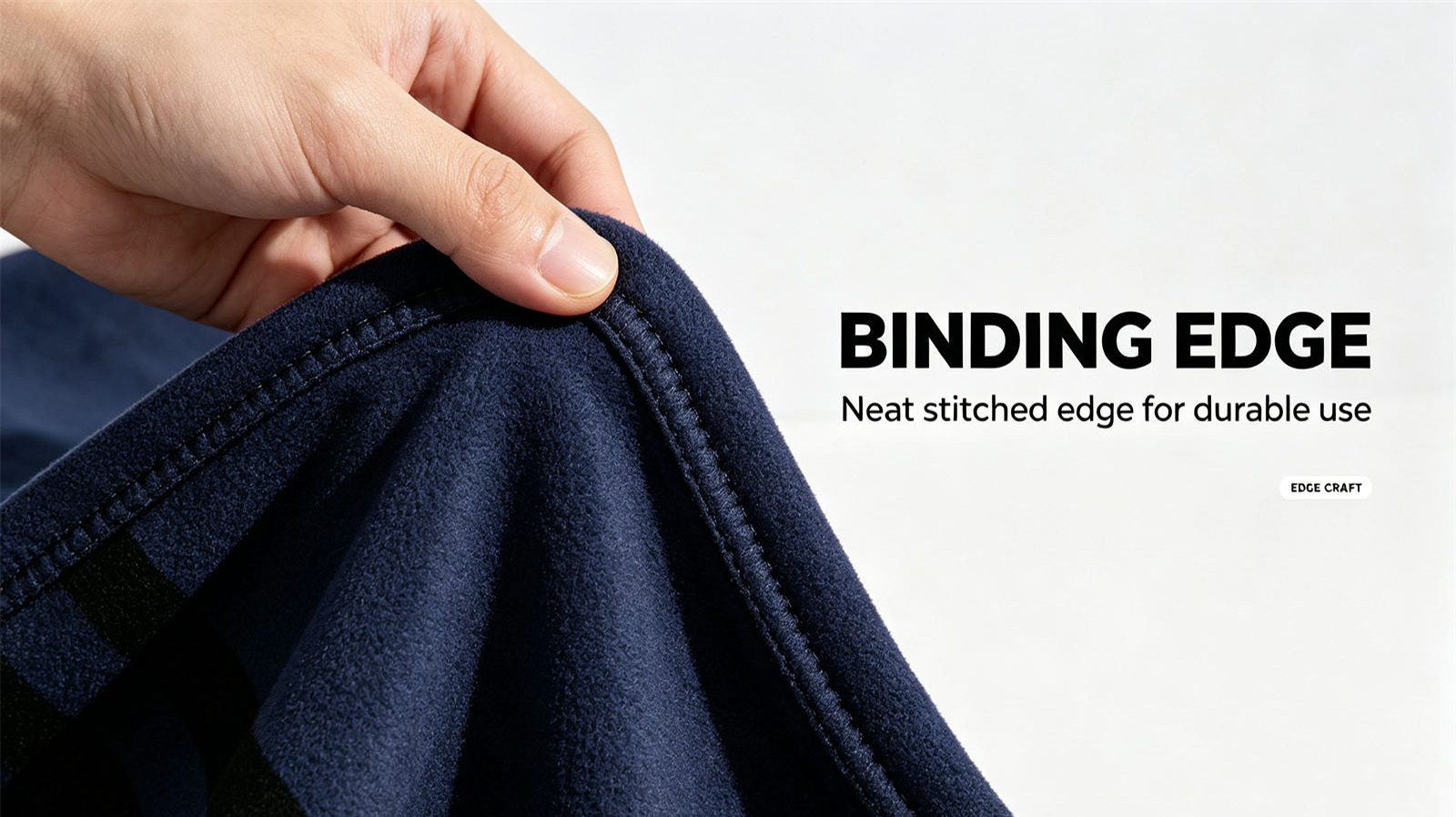
Run and record a controlled sample evaluation. Use an identified sample and record the procedure, number of cycles when applicable, measurements before and after, photographs, exceptions, reviewer, and decision. One informal wash is not evidence for an unlimited durability claim.
Convert the result into purchase language. State the approved product, applicable care method, inspection fields, acceptance limit, evidence to accompany the order, and the change-control rule. Avoid unsupported phrases such as industrial washable or hospital grade.
High-temperature disinfection, isolation-area use, antibacterial performance, and fixed wash life are evidence-specific requirements. The purchase specification should name the method, product identity, cycle conditions, acceptance limits, and report scope. A supplier should claim compliance only when the applicable document covers the current blanket.
Recheck after any material or process change. Re-evaluate when composition, construction, colour, label, supplier process, or the facility laundry route changes. Repeat-order history does not automatically validate a changed product.
Compare supplier answers on one wash-care sheet. Ask each supplier to distinguish stated care instructions, product-specific evaluation, third-party testing when applicable, and fields that remain unverified. Record the exact product and method beside every result. This prevents a general statement or a result from another construction from being treated as proof for the selected blanket.
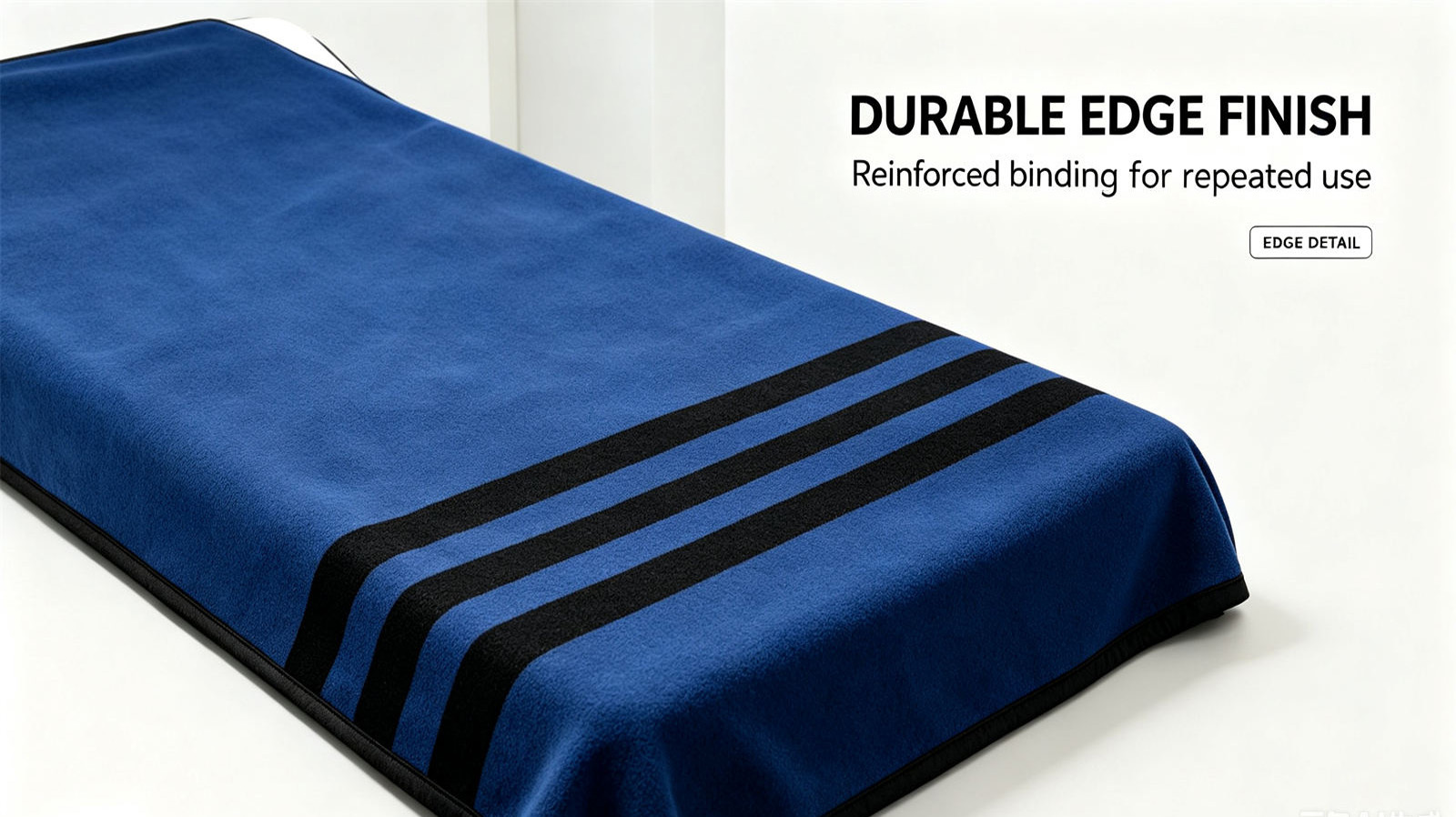
Build an exception and rejection route. Define who reviews shrinkage, colour change, surface change, edge damage, label loss, or other agreed defects. Which result requires re-evaluation. And which result blocks acceptance. The route should also state how replacement stock or a corrected batch will be reassessed.
Write a testable care requirement. Avoid broad phrases such as suitable for institutional laundry. State the identified blanket, intended care route, equipment category, wash and dry conditions supplied by the facility, number of cycles if a repeated-cycle claim is required, conditioning period, measurement method, observable defects, and acceptance limit. If any condition is not yet known, keep it as an RFQ question rather than allowing a supplier to guess.
Distinguish dimensional change from appearance change. A blanket can remain within an agreed dimension limit while showing unacceptable shade, surface, edge, seam, or label change. The reverse can also occur. Record each field separately. Measure at defined points and under consistent conditioning. Use photographs for appearance comparison, but retain measurements and reviewer notes because images alone do not establish scale, method, or acceptance.
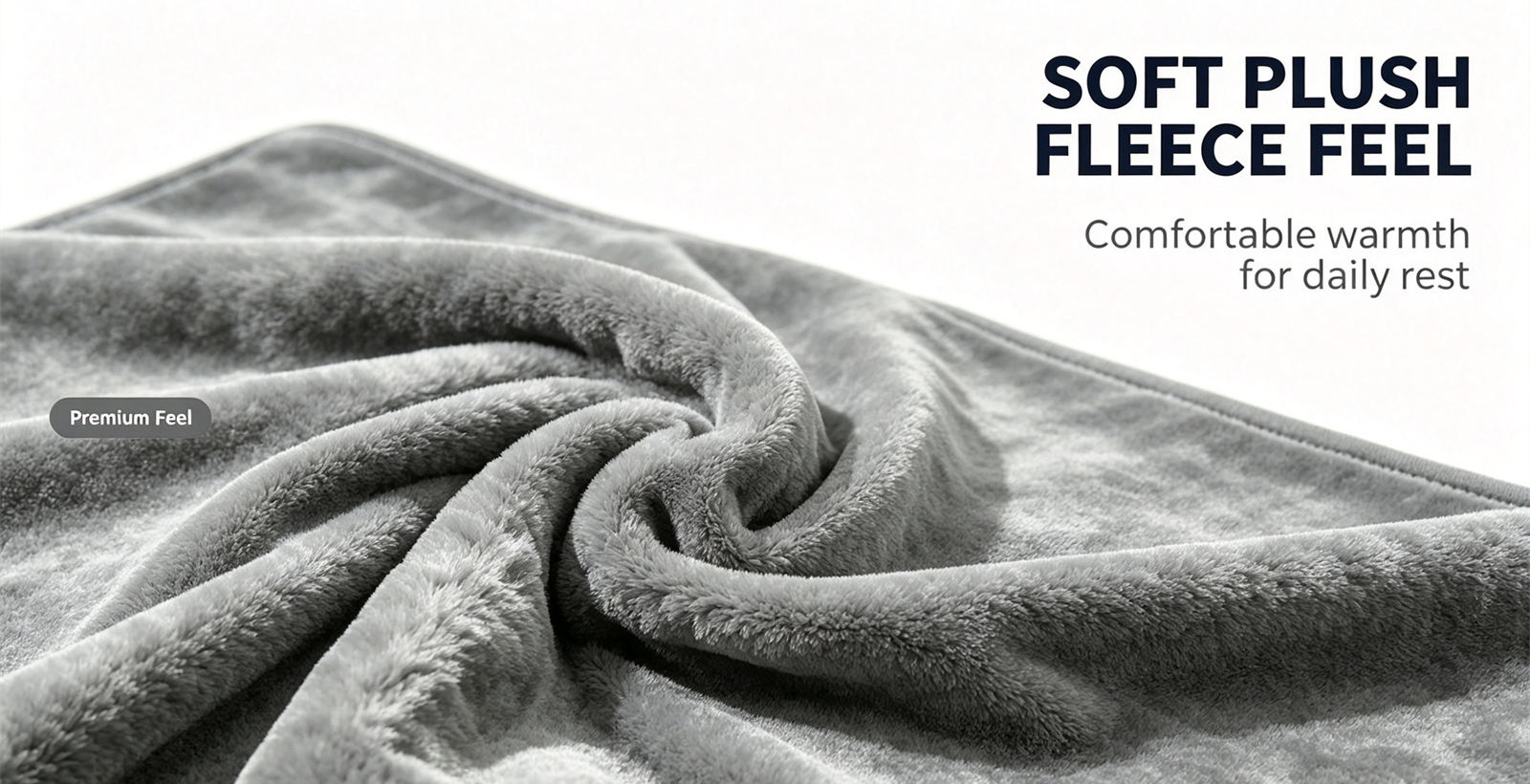
Control the sample identity through the evaluation. Assign the sample an identifier and connect it to the quotation, specification version, colour, construction, label, and date received. Record any pre-treatment. After evaluation, keep the same identity on measurements, photographs, and decision records. An unidentified blanket washed by another team cannot support a purchase clause, even if the result looks acceptable.
YRF can support this cycle with identified samples, care-label versions, before-and-after records, inspection coordination, and certification or test-document support where applicable. For hospitals, care facilities, and other institutions, the useful supplier response is to translate the actual equipment, chemistry, drying route, review points, and allowed changes into an agreed evaluation. Confirmed production capacity then supports repeatability at order scale, while changes in product or process trigger a focused recheck. This links care verification to receiving, service use, exception handling, and repeat orders.
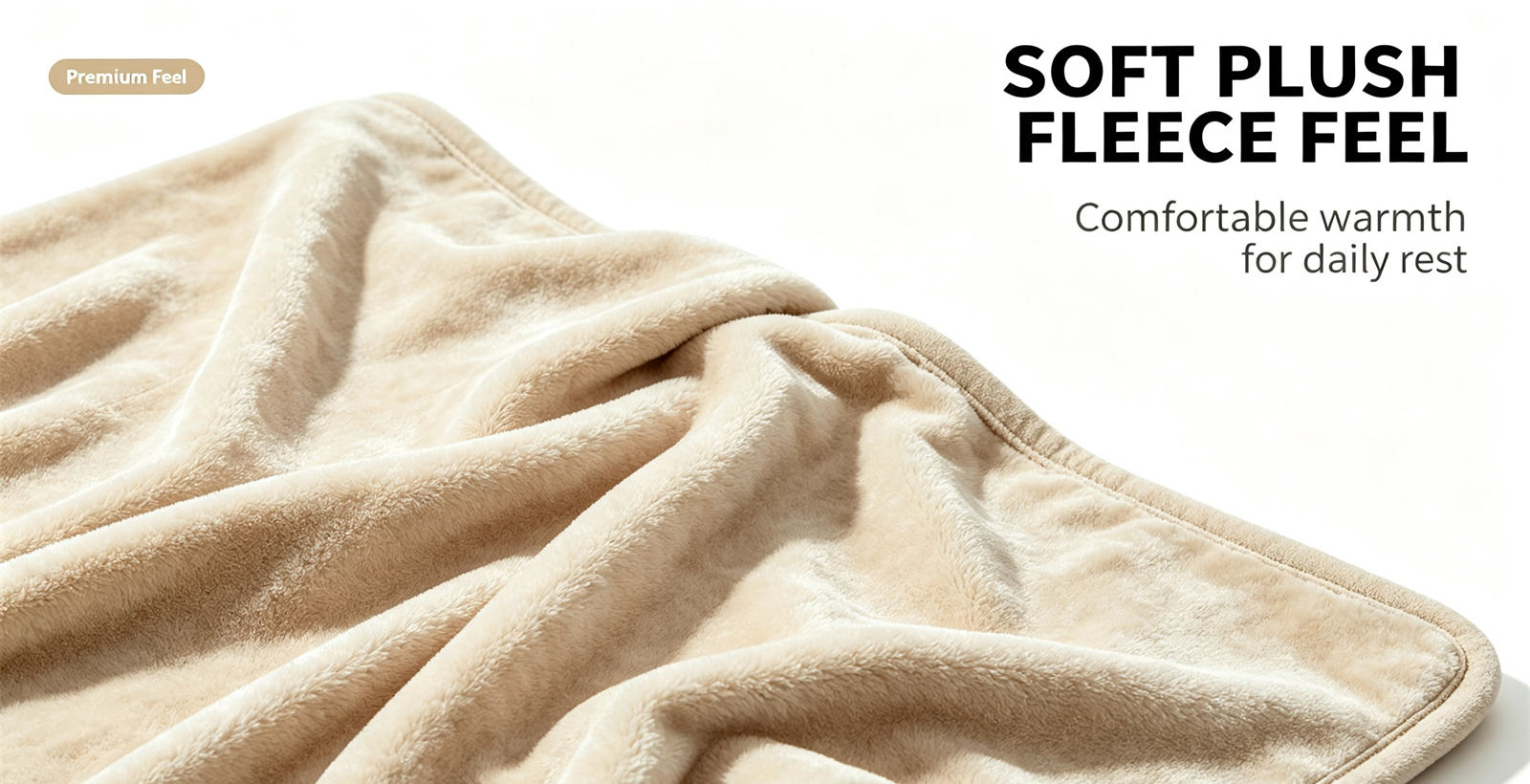
Outsourced laundry adds one more handoff that must be controlled. The institution should record who selects the program, who supplies chemistry and temperature data, who identifies each sample, who measures the result, and who decides whether a deviation comes from the blanket or the process. If the laundry provider changes equipment, detergent, load, drying method, or reporting format, review the affected fields before reusing the old result. YRF can then compare the current sample and care-label proposal against the actual route instead of responding to the vague phrase 'industrial washing.' This reduces disputes among procurement, the facility, the laundry provider, and receiving when performance changes are observed.
Handle outsourced laundry information. When care is outsourced, procurement should obtain the operator's actual process instead of assuming it matches an internal procedure. Confirm sorting, equipment, chemistry, temperatures or settings where applicable, drying, finishing, and exception handling. Decide which details the supplier needs for compatibility review and which remain under the facility's operating control.
Turn the result into specification and change control. The purchase order should name the product version, accepted care instruction, evaluation record, inspection fields, limits, and evidence to accompany the order. It should also state which changes require a new review. A material, construction, finish, label, production, or laundry-process change can break the connection between an earlier result and a future batch.
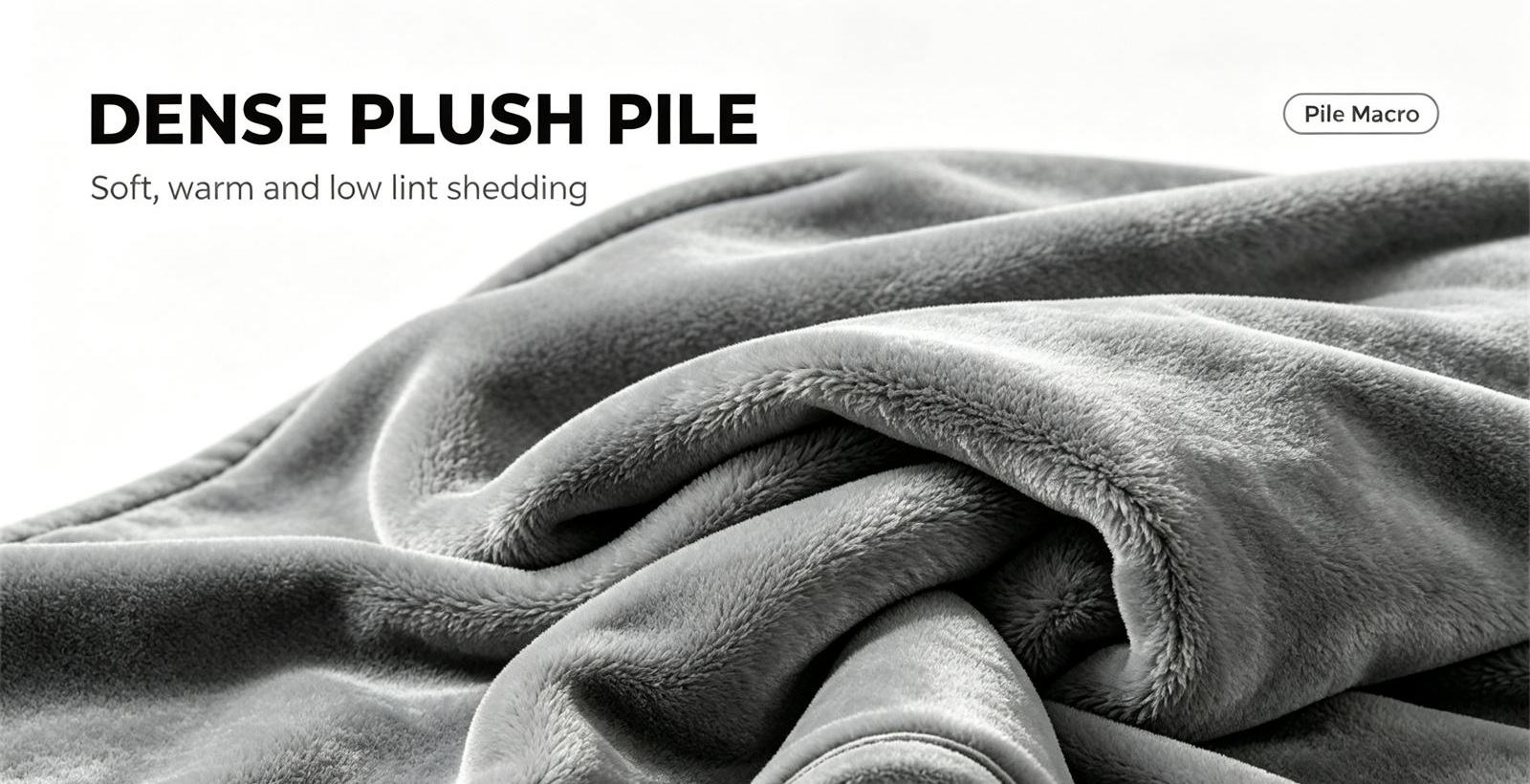
Diagnose failures before changing the product. When a sample changes after care, do not immediately conclude that the fibre is unsuitable. Check sample identity, measurement method, wash load, chemistry, equipment setting, drying, conditioning, and handling. Classify the failure by field, repeat a controlled check when justified, and document the final decision. This avoids solving a process problem with an unsupported product substitution.
Send the identified blanket sample, actual equipment and care cycle, required evaluation points, cycle count, allowed changes, and retest conditions.
Not by itself. Compare the stated conditions with the actual equipment, cycle, detergent, and drying method through a defined compatibility review.
Record product number, sample number, specification revision, color, receipt date, and pre-test condition so results are not applied to another product.
Packing is a separate acceptance area, but care labels and product identification should be approved with the sample.
Agree the measurement points, laying or conditioning method, tool, and before-and-after record instead of relying on a visual statement that the item looks smaller.
Composition informs review but cannot replace product-specific compatibility or durability evidence.
Use fields agreed for the order, commonly dimensions, shade, surface, edge, seams, and label condition.
There is no universal number. The buyer must define the intended claim and acceptance requirement before selecting a method.
No. One evaluation only records what happened to the identified sample under that method and cannot become a general durability promise.
Continue with the overview, product option, application plan, and closely related procurement guide for this decision.
Prepare the Institutional Care-Evaluation Brief
For a wash-care review, provide the blanket identity, actual laundry process, required cycle count, inspection points, acceptable changes, quantity, and delivery window.
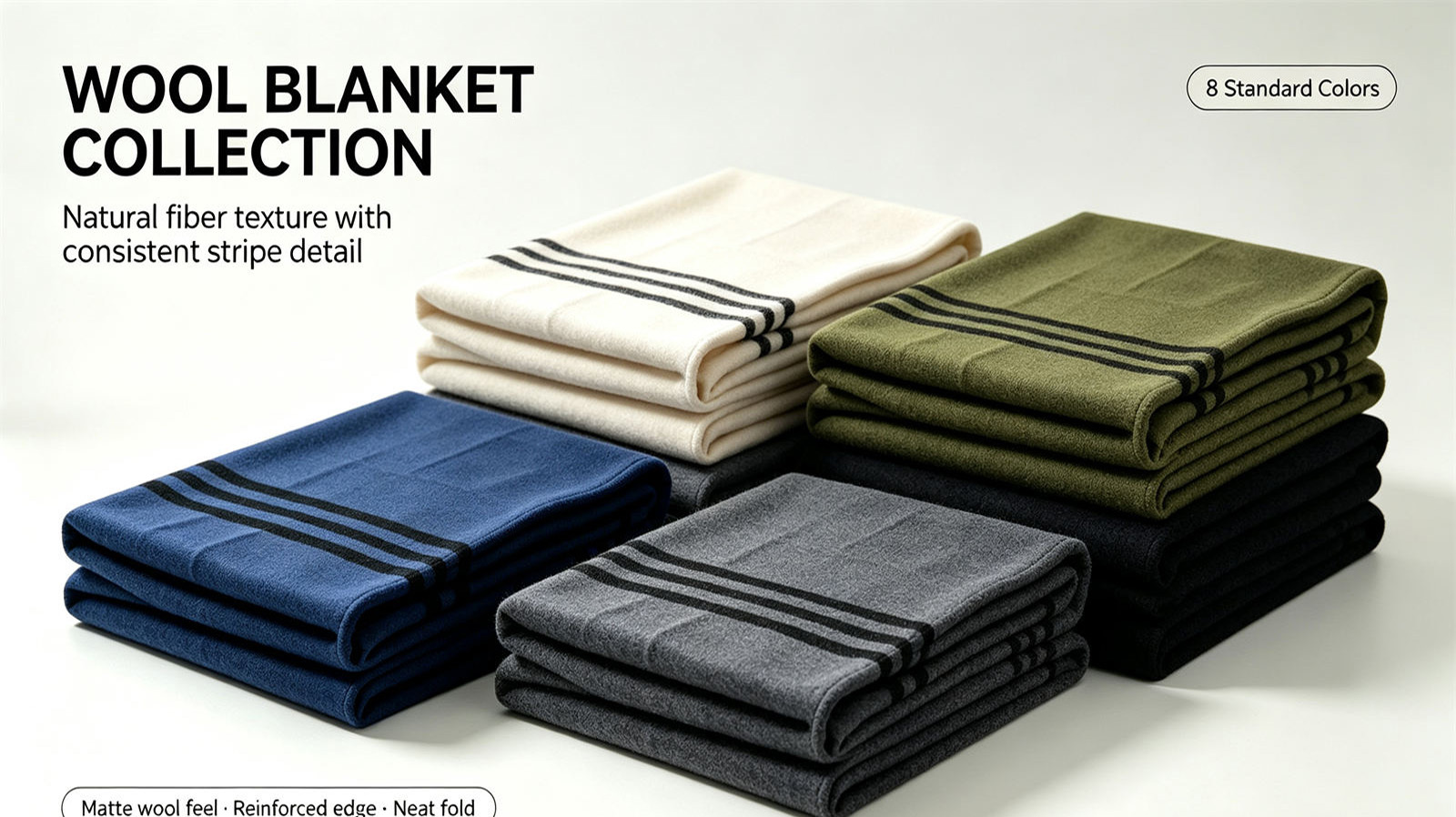
Compare blanket product lines, application routes and related procurement resources.
 |
 |
Institutional Wool Blend Blankets for Hospital, Care and Accommodation ProjectsReview product specifications, configuration options and order confirmation points. |
Institutional Blanket Replenishment and Repeat-Order ControlReview selection, packing and supply planning for this procurement scenario. |
✅ Official website: https://x.c1ns.cn/F9rNV
✅ Catalog download link: https://x.c1ns.cn/aVHtI
✅ Factory video link (YouTube): https://x.c1ns.cn/zVNIU
✅ Facebook homepage: https://a.c1ns.cn/SjJla
✅ Email: info@33ljy.com
✅ WhatsApp: +8613702995607
direito autoral © Custom Disaster - Relief Bedding: Tents, Sleeping Bags, Blankets Todos os direitos reservados
a equipe profissional para o serviço !