Categorias
Last updated: November 15, 2026
Hydraulic vs Manual Rescue Tools: Extrication Force
Choice Guide
Every rescue team equipping a truck faces the same question: hydraulic vs manual rescue tools? The answer drives buying decisions, truck layout and training budgets.
This hydraulic vs manual rescue tools comparison breaks down force, speed, portability and cost, so you can build the right forcible entry tools comparison kit for your team.
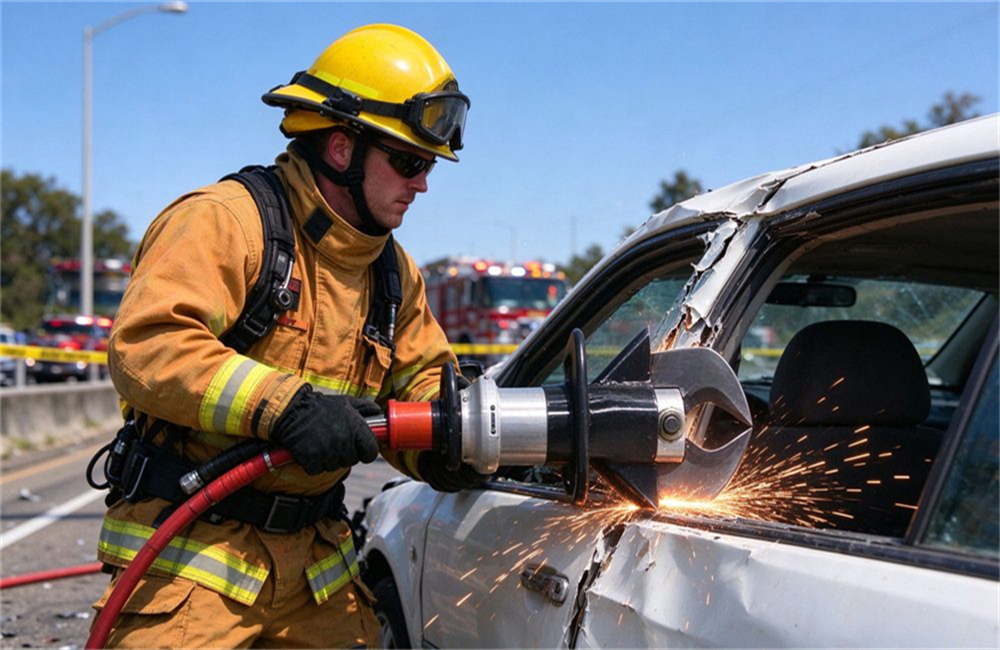
Table of Contents
1. Power & Force Comparison
2. Speed & Efficiency
3. Portability & Weight
4. Cost & Maintenance
5. When to Use Hydraulic vs Manual Rescue Tools
6. Combining Both in One Team
7. FAQ
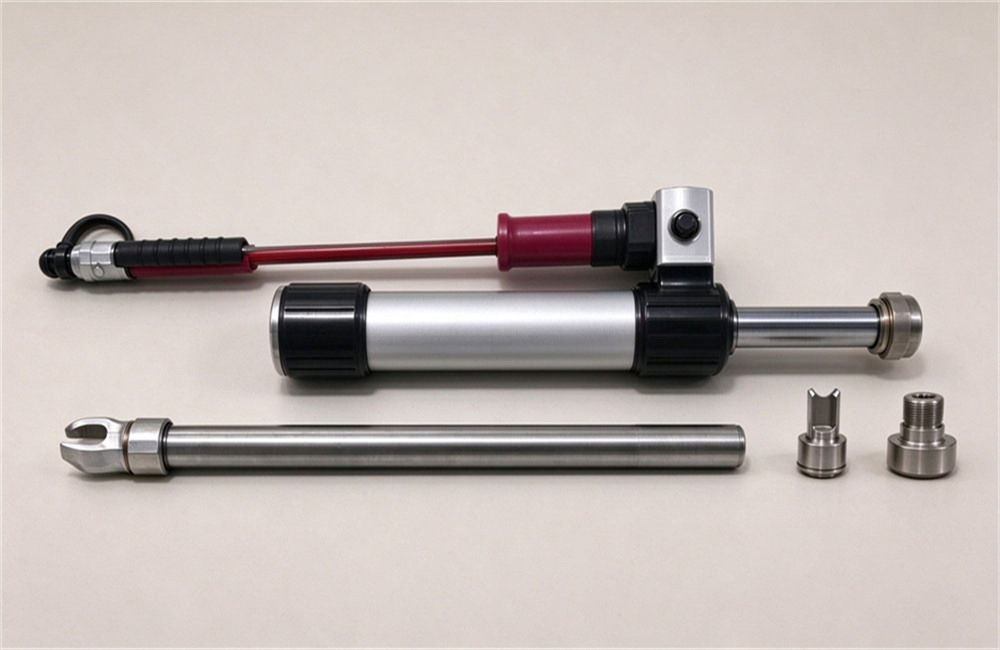
The two families in this hydraulic vs manual rescue tools comparison look different on the spec sheet. A hydraulic ram delivers measured force through a cylinder and piston, while a manual kit puts every tool in reach of one rescuer. Both belong on the same truck.
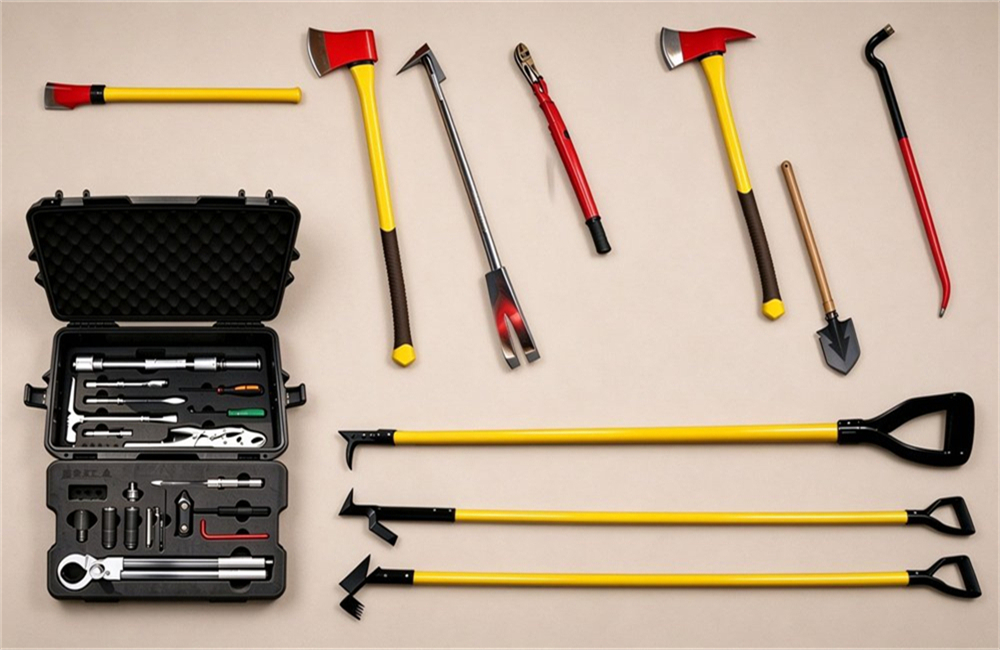
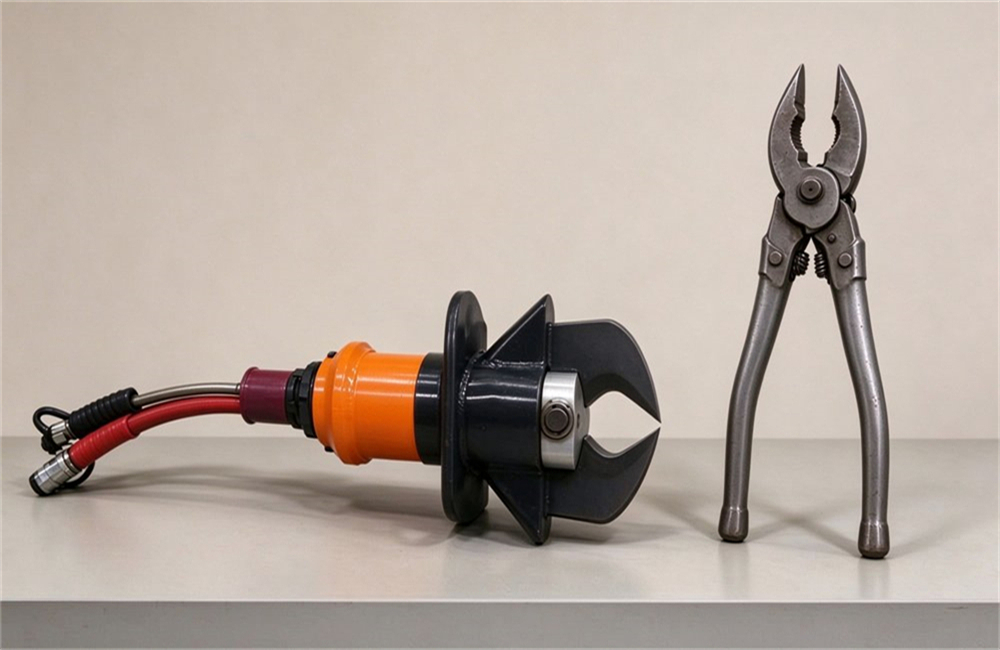
Force is the first real difference in the hydraulic vs manual rescue tools comparison. This power and force comparison sets the tone for every section below. Hydraulic tools multiply pump pressure into huge mechanical force. Manual tools depend on the muscle of the rescuer holding them.
A hydraulic cutter such as the GYJQ-28-10/125 generates cutting force of 420 kN or more. That is enough to cut a steel car pillar in a single bite. The same tool slices through door hinges, steering wheel columns and truck cab frames.
Manual bolt cutters rely on human arm strength. In the hydraulic vs manual comparison, a trained rescuer applies roughly 4 to 6 kN at the jaw. That opens padlocks and thin chains, but it cannot touch a vehicle pillar.
The force gap between hydraulic and manual rescue tools is roughly seventy to one, a hydraulic cutter vs bolt cutter comparison on hard steel. No amount of training closes that gap on hard steel; which faster wins on steel every time.
Hydraulic spreaders such as the GYKZ-42-62/680 push with 42 to 62 kN of spreading force, a headline number in the hydraulic vs manual story. They pull jammed doors open, push dashboards away from trapped legs and tear open vehicle roofs.
Manual pry bars and hooligan tools apply a fraction of that force through leverage. A long pry bar multiplies human strength two to four times. That opens gaps but cannot bend heavy vehicle frames.
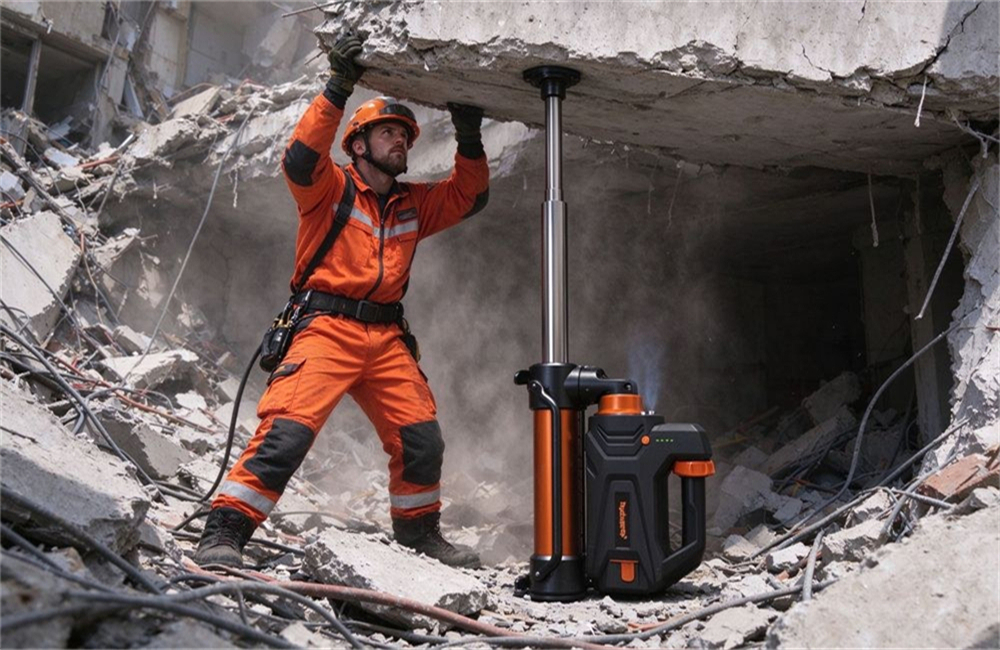
Hydraulic rams such as the GYCD-120/450-750 lift with 120 kN or more of force. They raise collapsed slabs, lift vehicle weight off victims and stabilize structures during extrication.
Manual shoring uses wedges, cribbing and jacks. These stabilize and hold, but the hydraulic vs manual gap shows in lifting power: manual shoring cannot generate lifting force on the scale of a hydraulic ram.
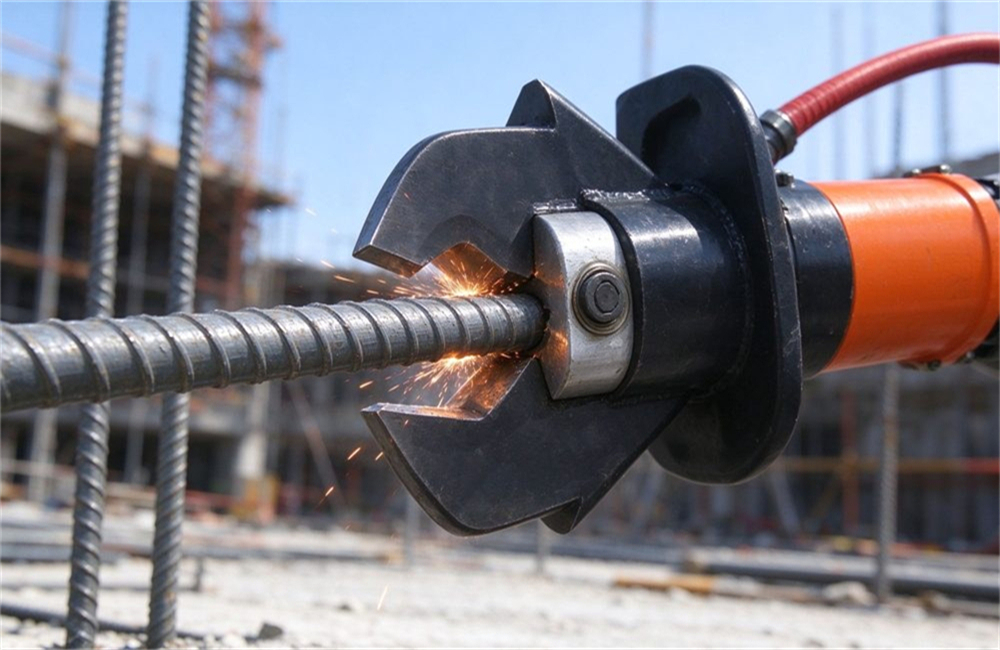
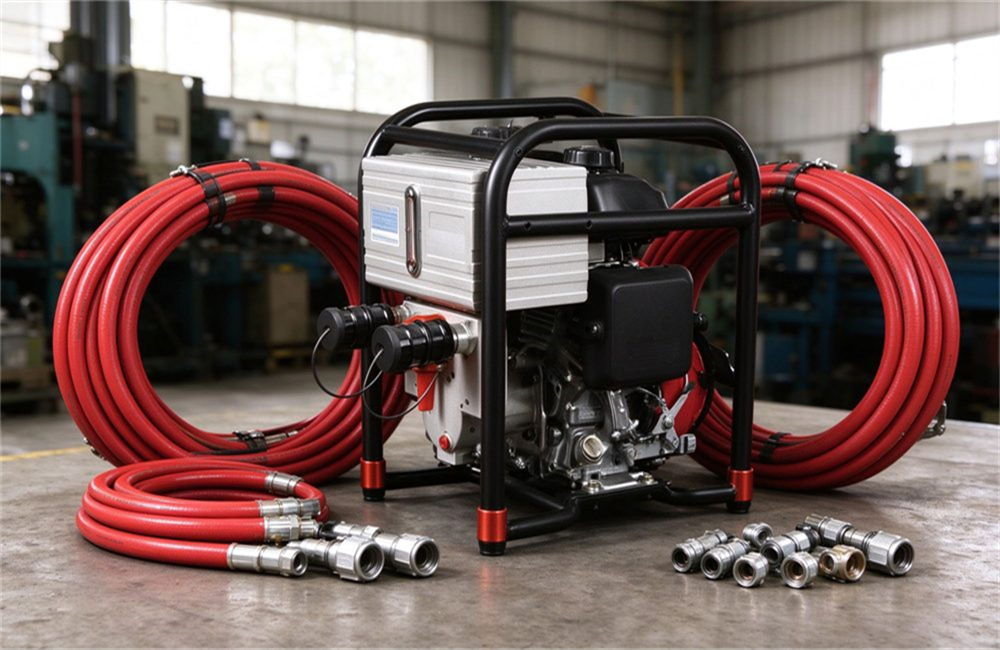
The power behind every hydraulic rescue tool is the pump, the true divider in hydraulic vs manual systems. The BJQ-63/0.4S motor pump delivers rated pressure of 63 MPa through twin hoses to the tool in use.
That pressure travels through reinforced hoses to the cutter, spreader or ram. The operator controls the flow with a trigger, easing the blades in for precise cuts.
Single-hose systems carry oil in one line and return it through the tool body. Twin-hose systems are another hydraulic vs manual specification to check. Twin-hose systems use one supply line and one return line. Each design has its fans among rescue teams.
Electric and battery versions replace the motor pump with a lithium-powered unit, shifting the hydraulic vs manual equation for urban teams. The GYJQD-33/160 starts instantly and runs quietly, which matters in indoor rescues.
Manual rescue tools have no such system behind them. The force is simply the rescuer, the lever and the tool steel. Simple, reliable and always the same force as the human holding it.
Cutting technique shows the hydraulic vs manual rescue tools difference in practice. A hydraulic cutter places its blades at the cut point and closes them steadily through the steel.
The GYJQ-28-10/125 opens wide enough to encircle a pillar or a hinge, then closes with force that defines the hydraulic vs manual difference with a clean shear. No sparks, no deformation of the surrounding metal.
Between hydraulic vs axe options, the choice follows the door type. This hydraulic vs axe comparison rewards teams that keep both tools ready. Manual cutting of the same steel means a hacksaw, a reciprocating saw or repeated axe blows, the slow side of the hydraulic vs manual divide strikes. Each method is slow, tiring and rough on the tool.
Spreaders show force in another way in the hydraulic vs manual rescue tools comparison. Their arms open against the steel, bending it outward until the gap is large enough to work through.
Hydraulic rams push in a straight line This hydraulic vs manual rescue tools guide starts with force numbers., a behavior no hydraulic vs manual chart shows clearly. In a collapsed structure, a ram pushes a slab up while cribbing locks the gain, then pushes again. Inch by inch, the victim is freed.
That is the deepest difference in this hydraulic vs manual rescue tools comparison. Hydraulic force scales with pump pressure. Manual force scales with human strength.
Combi tools combine cutting and spreading in one unit Read this hydraulic vs manual rescue tools comparison before signing a PO., a middle ground in the hydraulic vs manual spectrum. The GYJK-25-40/28-10 cuts and spreads with a single head, saving space on the truck while keeping full hydraulic force.
Manual rescue tool alternatives such as the halligan Every hydraulic vs manual rescue tools decision starts with the calls you run. combine prying, striking and pulling in one forged head. Versatile, but each function delivers far less force than its hydraulic cousin.
The honest summary of the hydraulic vs manual rescue tools force question is simple. This hydraulic vs manual rescue tools summary ends the force section.. On steel, on vehicles, on collapsed concrete, hydraulic force is the only force that finishes the job in rescue time.
That table sums up the hydraulic vs manual rescue tools force story. Hydraulic wins on raw power every time in a hydraulic vs axe power test, without exception.
|
Forcible Entry Tools Comparison |
Hydraulic Rescue Tools |
Manual Forcible Entry Tools |
|
Cutting force |
420 kN + (hydraulic cutter) |
4–6 kN (human powered bolt cutter) |
|
Spreading force |
42–62 kN (hydraulic spreader) |
Limited to lever force (pry bar) |
|
Lifting force |
120 kN + (hydraulic ram) |
Manual wedges and shoring only |
|
Steel car pillar |
Cut in seconds |
Not feasible |
|
Padlock / chain |
Overkill but instant |
Cut with bolt cutters |
|
Door frame |
Spreader tears it open |
Pry bar opens it slowly |
|
Concrete slab lifting |
Hydraulic ram 120 kN + |
Not feasible manually |
Speed decides how fast a trapped victim is reached, and it is the most cited reason in any hydraulic vs manual debate. Hydraulic tools operate in seconds, not minutes. In rescue, every minute changes the outcome.
A hydraulic cutter powered by a motor pump starts cutting The hydraulic vs manual rescue tools table lists the force gap per job. within one to two seconds of trigger pull. The pump builds pressure instantly and the blade closes on the steel.
An electric or battery hydraulic cutter such as the GYJQD-33/160 starts in about one second. No generator and no hose setup are needed, so the team goes from truck to cutting in under thirty seconds.
Manual tools are slower in heavy work Teams that finish this hydraulic vs manual rescue tools study order with confidence.. Cutting a car pillar with a hacksaw takes many minutes and several rescuers working in relays.
Even with a fire axe, chopping through a modern high-strength pillar This hydraulic vs manual rescue tools page answers the common buying questions. is exhausting and slow. Axe work is effective on wood, plaster and thin sheet metal, not on vehicle structure.
In this hydraulic vs axe speed test, the spreader opens a jammed door in under ten seconds. The tips bite into the door seam and the arms push the gap open in one continuous motion.
Manual prying of a jammed door takes one to five minutes The hydraulic vs manual rescue tools numbers decide the tool class you stock. depending on how badly the frame is bent, a number that anchors the hydraulic vs manual discussion. The frame is deformed. Each inch of progress needs a fresh purchase point.
Speed matters most in the golden hour of rescue, a concept reinforced in NFPA technical rescue standards.
Faster extrication directly improves victim survival odds Keep this hydraulic vs manual rescue tools summary with your tender file., which is why FEMA urban search and rescue teams standardize on hydraulic force. That is the core reason hydraulic rescue tools exist.
Battery hydraulic tools add another layer of speed, tilting the hydraulic vs manual choice for teams that move on foot. The EHK-5D backpack power unit lets one rescuer carry power on their back, cutting setup time at remote sites.
Pump choice shapes speed This hydraulic vs manual rescue tools guide starts with force numbers., another fork in the hydraulic vs manual roadmap. Motor pumps run continuously and deliver pressure on demand. Manual hand pumps build pressure with each stroke, slower but always available.
Battery pumps sit between the two. They hold pressure at the trigger and recover quickly between cuts. The EHK-5D backpack unit keeps power with the operator.
Setup time is part of speed Read this hydraulic vs manual rescue tools comparison before signing a PO.. Unrolling hoses and connecting the tool takes a trained crew minutes, one reason the hydraulic vs manual verdict favors powered gear at large scenes. Setup takes the crew about a minute. Manual tools have zero setup beyond opening the case.
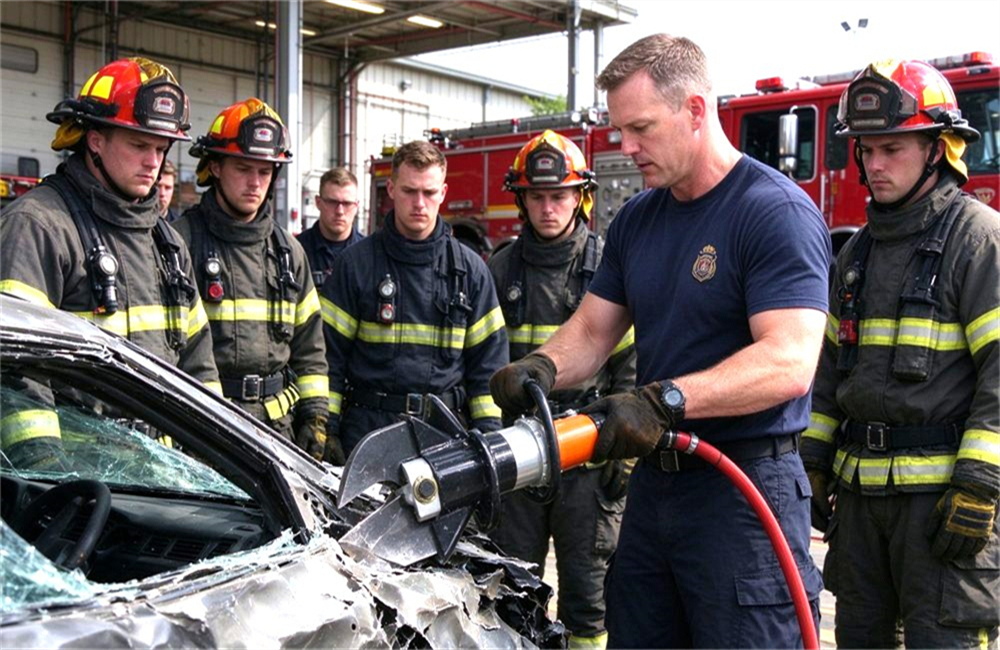
Training speed improves both families. This hydraulic vs manual rescue tools guide rewards trained crews., and IAFC training guidance recommends rotating operators through both tool families. A team that drills monthly with hydraulic tools cuts setup time in half inside a year.
The same is true for manual tools: practiced pry-bar teams Every hydraulic vs manual rescue tools decision starts with the calls you run. open doors faster than unpracticed teams with better equipment.
Speed is therefore a training story as much as an equipment story; which faster on scene depends on practice, not just brand.; which faster on scene depends on both. This hydraulic vs manual rescue tools comparison assumes trained operators on both sides.
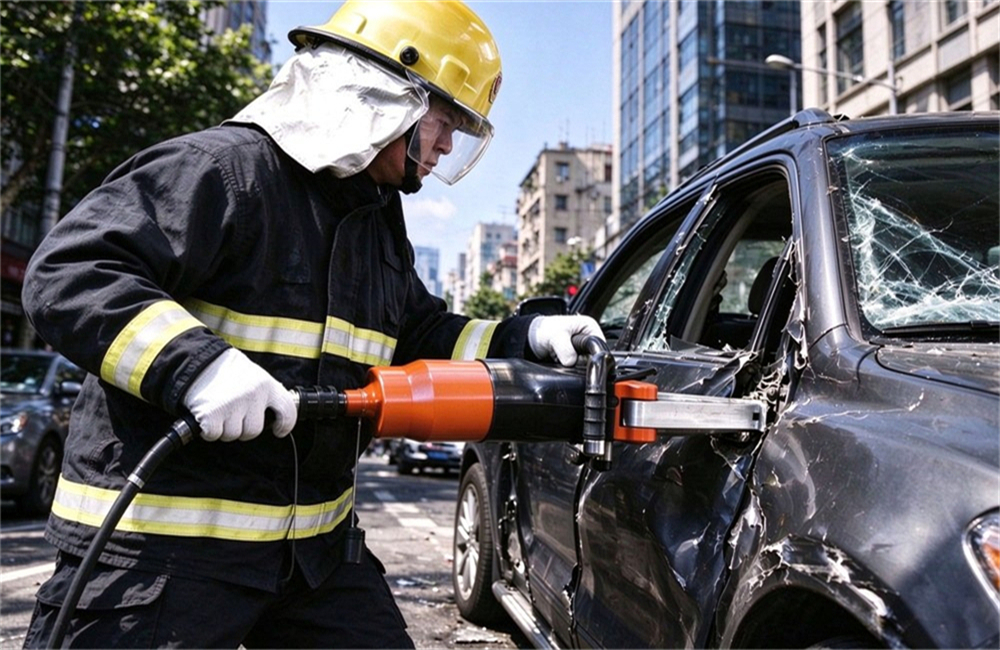
Real incidents rarely follow the textbook The hydraulic vs manual rescue tools table lists the force gap per job.. A crashed car on its roof, a bus wedged in a tunnel, a factory rack pinning a worker. Each scene tests speed differently.
The common thread is preparation. Whichever way the hydraulic vs manual question is answered, tools mounted where the crew expects them, checked and ready, win the speed race before the truck even stops.
In an incident, the fastest team is the one that matches tool speed to the task. Bolt cutters open a gate instantly. The hydraulic set arrives behind, ready for the vehicle itself.
Parallel operation multiplies speed Teams that finish this hydraulic vs manual rescue tools study order with confidence.. While one team cuts the padlock with bolt cutters, the second team prepares hydraulic force for the extrication. Neither waits on the other.
Manual tools are not slow at everything This hydraulic vs manual rescue tools page answers the common buying questions.. Bolt cutters open a padlock in five seconds, far ahead of any hydraulic cutter vs bolt cutter contest on light locks.. A pry bar pops a simple door in under a minute. For light work, manual speed is enough.
The efficiency lesson of this hydraulic vs manual rescue tools comparison is about matching speed to the job. Heavy steel wants hydraulic speed. Light access wants manual speed.
Speed on the road translates into speed at the door. The same force advantage that separates a hydraulic cutter from a bolt cutter shows up when a spreader opens a jammed vehicle door.
Weight and portability are where the hydraulic vs manual rescue tools comparison flips. That portability and weight trade-off is the one round manual tools win clearly.
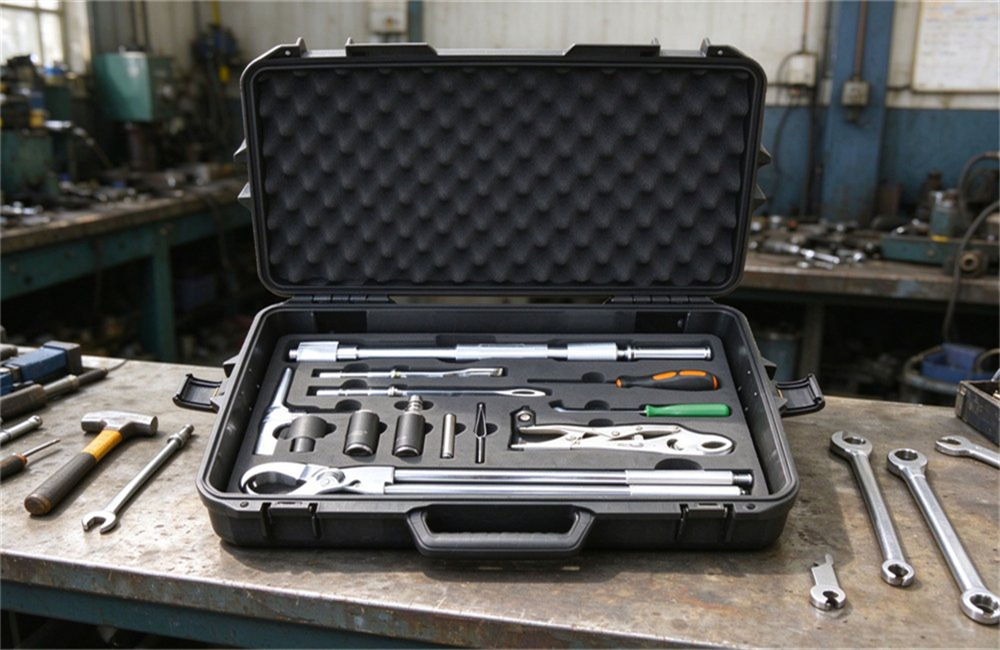
A complete manual forcible entry kit such as the SL-700D The hydraulic vs manual rescue tools numbers decide the tool class you stock. weighs about 18 kg including the storage case. One rescuer carries the whole set to the door, the roof or the rubble pile.
The 21-piece security door breaching kit also stays around Keep this hydraulic vs manual rescue tools summary with your tender file. 17 to 18 kg. Everything needed to force a commercial door fits in one case on one rescuer.
Manual tools need no pump, no hoses, no battery and no generator, which faster when everything else fails. They work in any weather, anywhere, forever. If a tool is on your back, it works.
A full hydraulic set includes a power unit, hoses and several tools. Total weight runs from 30 kg up past 100 kg when you load the complete rescue system.
The motor pump alone, such as the BJQ-63/0.4S This hydraulic vs manual rescue tools guide starts with force numbers., is a heavy unit. Add two hoses and a cutter, and you are carrying a serious load.
Battery hydraulic tools reduce that burden Read this hydraulic vs manual rescue tools comparison before signing a PO.. The backpack power unit EHK-5D and cordless tools cut most hose weight, bringing hydraulic capability closer to the operator.
Still, every hydraulic tool alone is heavier than a fire axe or pry bar; this hydraulic vs axe weight gap is the trade-off. The cutter head, the cylinder and the steel blades are inherently heavy.
For teams that must carry gear up stairs, over rubble or into confined spaces, manual tools are far easier to move. A rescuer climbs with an axe, not with a pump, which faster on the move is clear.
Truck layout is part of portability planning Every hydraulic vs manual rescue tools decision starts with the calls you run. in any forcible entry tools comparison. Hydraulic tools occupy a dedicated compartment with the pump, hoses and tool heads secured against movement.
Manual kits fit into shallow bays and under-seat storage, a forcible entry tools comparison favourite for quick-attack trucks., a forcible entry tools comparison win. The 21-piece case slides into a side compartment, leaving floor space for other gear.
Battery tools change the weight math again The hydraulic vs manual rescue tools table lists the force gap per job.. A cordless cutter and its battery travel like a heavy drill kit, far lighter than a full hose-and-pump system.
The backpack power unit moves the weight to the operator's back, leaving both hands free for climbing and the tool itself light to carry.
Carrying strategy differs by vehicle type. A heavy rescue truck carries the full hydraulic spread. A quick-attack unit carries battery tools and a manual kit.
Departments running both vehicles cover the widest range. The heavy unit handles the extrication, while the quick unit reaches the scene first with access tools.
Stairs are the great equalizer Teams that finish this hydraulic vs manual rescue tools study order with confidence.. Both families face the same staircase, but the manual kit climbs it in one trip while the hydraulic set needs two or three carriers.
That trip count matters in high-rise districts. Time spent hauling the pump is time not spent working on the door.
For urban departments running first-response vehicles, that weight saving means hydraulic-class tools arrive on the first truck instead of the second.
High-rise incidents are a classic example. Dragging hoses and a pump up twelve floors takes time and muscle. An axe and pry bar in a backpack arrives with the first crew.
The portability verdict is not a criticism of hydraulic tools. It is a reminder that weight is a real cost in rescue. Every kilogram on the back slows the climb.
A smart team plans for both. Hydraulic power travels on the truck. Manual tools travel with the operator. That split solves the portability problem in practice.
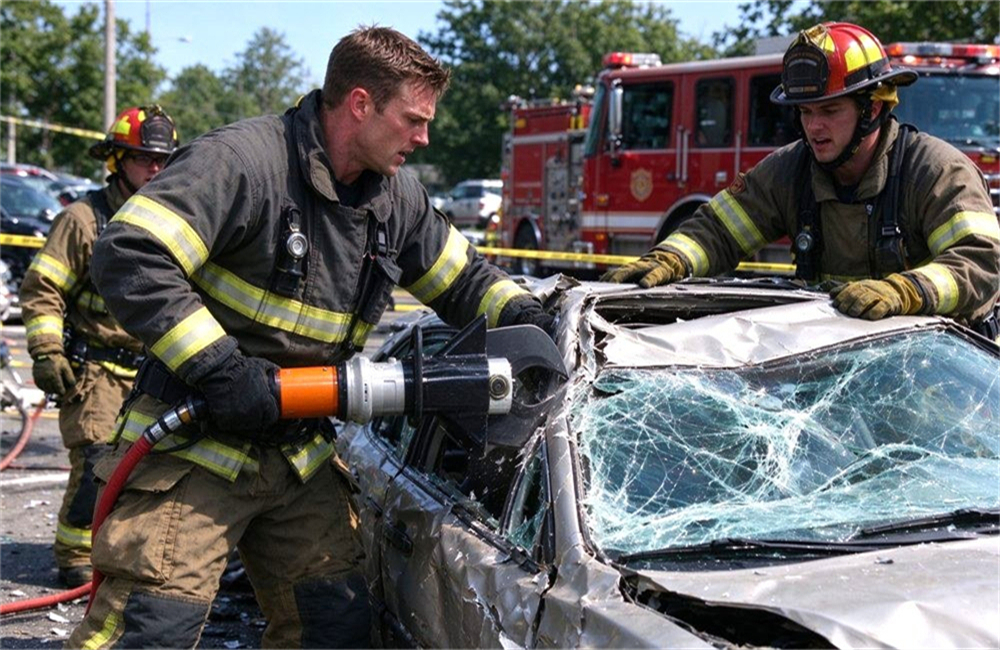
Budget changes the choice too This hydraulic vs manual rescue tools page answers the common buying questions.. Every forcible entry tools comparison ends with the budget line. The hydraulic vs manual rescue tools comparison shows a large price gap between the two families.
A manual forcible entry tool set costs a fraction The hydraulic vs manual rescue tools numbers decide the tool class you stock. of a hydraulic rescue set. Entry-level manual kits fit small department budgets and volunteer crews.
A hydraulic cutter, spreader and power unit set is a major investment. The pump, the tools, the hoses and the storage all carry real cost.
Battery versions cost more than engine-driven basic sets. The lithium pack, charger and electric pump add to the purchase price, though they remove fuel and hose costs over time.
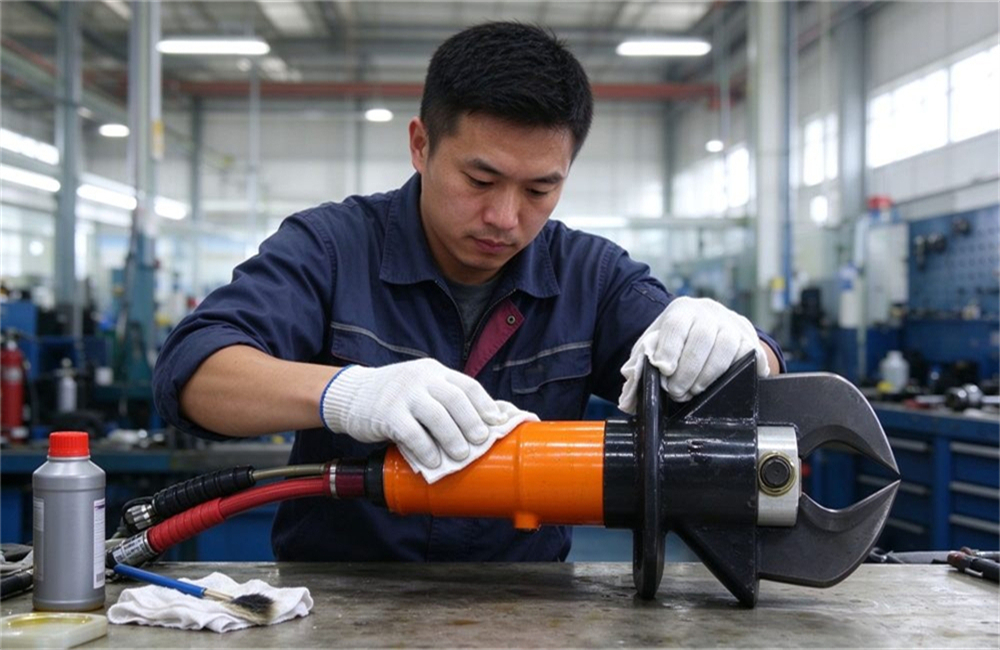
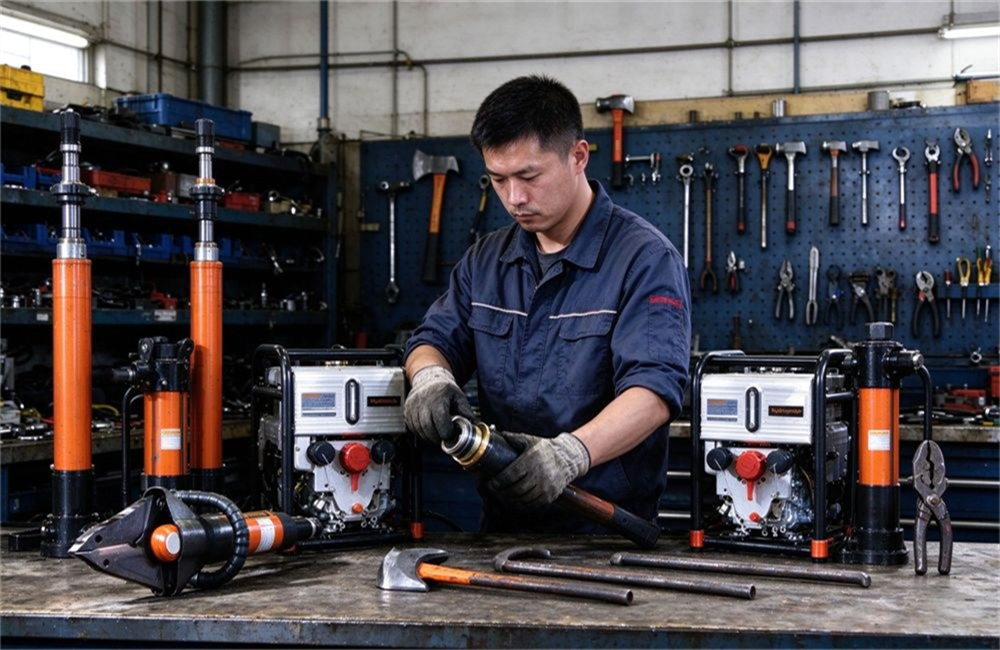
Maintenance also differs sharply. This cost and maintenance gap runs for the full service life. Hydraulic tools need fluid checks, hose inspection and seal service on a schedule.
Hydraulic fluid must stay at the right level and free of contamination. Filters need replacement. Seals wear and need service after heavy use.
Annual pressure tests verify the system holds rated pressure Keep this hydraulic vs manual rescue tools summary with your tender file.. That requires test equipment or a service shop, which is an ongoing cost.
Manual tools need blade sharpening, rust protection and handle checks. That is simple and cheap. A grinder and a coat of oil handle most upkeep.
Operator training is another cost. Hydraulic tool operators need practice with the pump, the hoses and the trigger control. Manual tool handling is basic by comparison.
Total cost of ownership includes training, spare parts and downtime. Manual tools fail less and are repaired locally by any workshop.
Hydraulic tools fail less often than people expect, but when they do, service may need factory parts and trained technicians.
The cost question is not which is cheaper to buy. It is which total cost your department can carry year after year.
|
Cost & Maintenance |
Hydraulic Cutter vs Bolt Cutters Set |
Manual Forcible Entry Tools |
|
Initial purchase |
High |
Low |
|
Daily consumables |
Hydraulic fluid, filters |
Minimal |
|
Service schedule |
Annual + after heavy use |
Blade sharpening only |
|
Pressure testing |
Required regularly |
Not needed |
|
Operator training |
Specialized practice |
Basic handling |
|
Lifespan |
10+ years with service |
Very long with care |
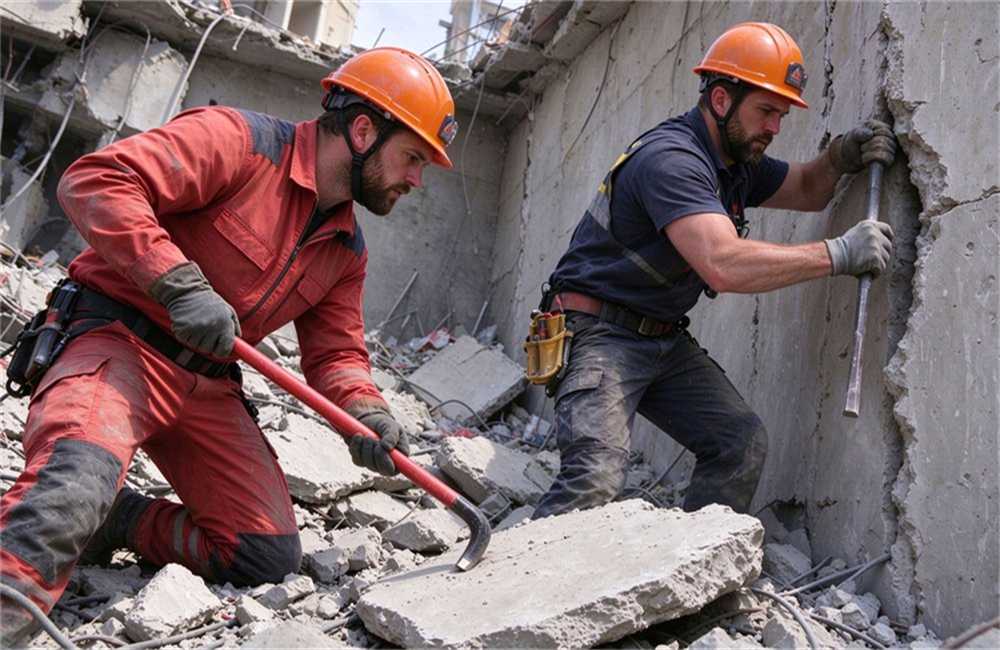
Look at a five-year cost picture. Hydraulic tools carry fluid, filters and seal kits year after year. Manual tools carry sharpening time and paint.
Spare blades are a real line item for hydraulic cutters. A spare cutter blade, a spare ram tip and a hose kit should sit on every department shelf.
Manual spares are cheaper and more forgiving. An extra axe handle and a spare pry bar cover most field failures.
Some departments buy hydraulic systems in stages. Cutter this year, spreader next year, ram and pump the year after. The truck is never empty while the budget catches up.
Refurbished and trade-in programs exist for hydraulic rescue tools, letting growing departments upgrade without paying full price. The hydraulic vs manual rescue tools file lists both new and refurbished options., letting growing departments step up without full-price purchases every time.
Training costs are easier to underestimate than tool prices. Hydraulic operator classes, pump drills and annual recertification add up.
Manual tool training fits into a regular drill day. Sharpening, striking technique and leverage are taught in an afternoon.
Insurance and inspection also play a role. The hydraulic cutter vs bolt cutter contest ends here on paperwork, not just steel.. Every hydraulic vs manual rescue tools buyer should check local certification rules. This forcible entry tools comparison covers those rules too.. Hydraulic pressure systems may require periodic certification depending on local rules.
Manual tools need no certification. That administrative difference is a quiet cost advantage for smaller teams.
The final cost advice is simple. Buy what your incidents demand, service what you buy, and never leave a tool without a spare in stock.
Many teams solve it in stages. Buy a manual kit now, add a hydraulic set next budget cycle, then expand with battery tools later. The truck grows with the budget.
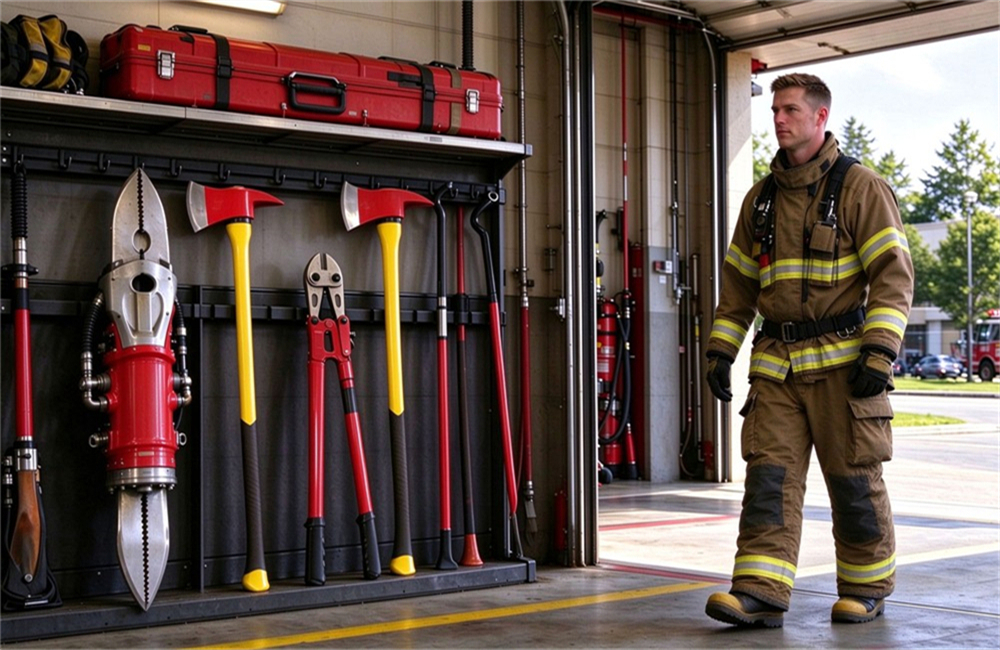
The right answer is not one tool. It is the right tool for each phase of the operation. Teams that lock onto a single tool family leave gaps in their capability.
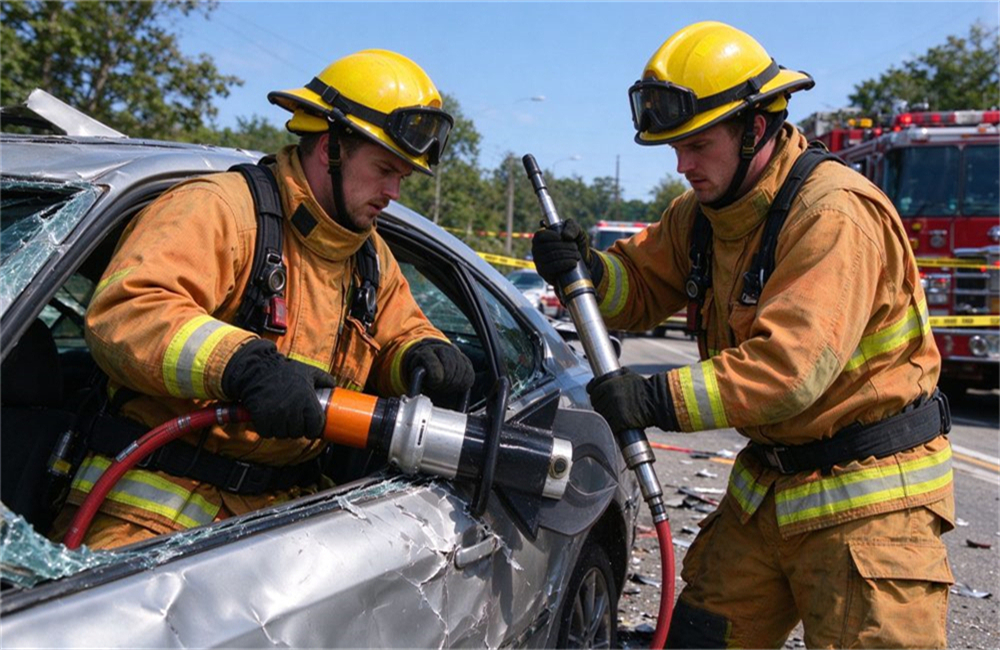
Vehicle extrication demands hydraulic force, a principle recognized across OSHA vehicle rescue guidance for responders. Steel pillars, dashboards and jammed doors defeat manual tools completely.
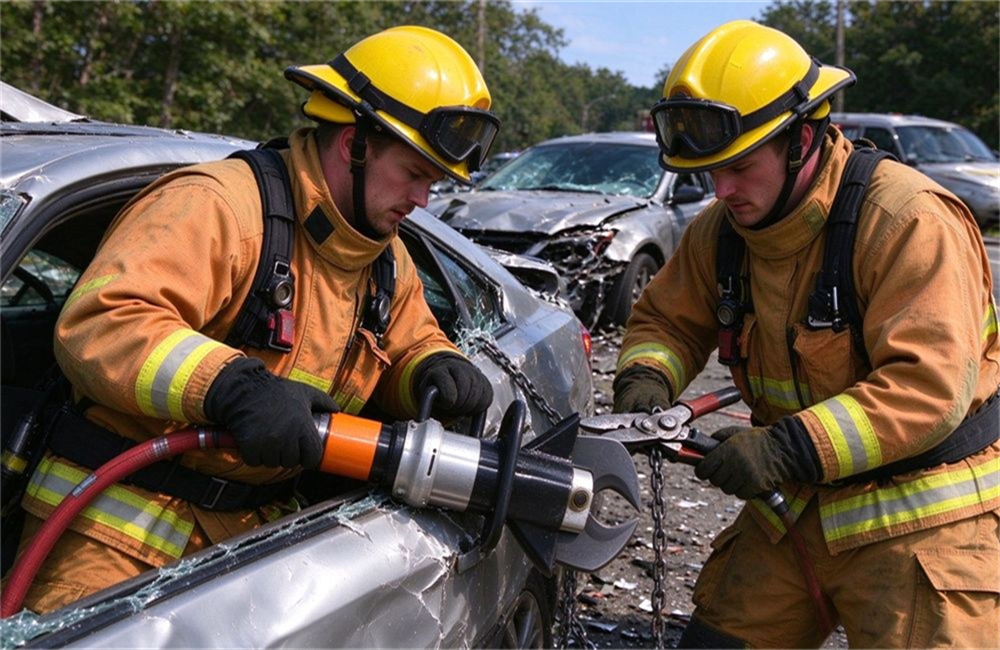
The cutter removes doors and pillars. The spreader opens the body and pushes the dash. The ram lifts the vehicle off the patient. Each tool has a defined role.
In a typical car crash rescue, the team stabilizes the vehicle first, then cuts the door hinges, then spreads the body panels, then lifts the dash off the victim.
Every one of those steps is a hydraulic job. Manual tools simply do not generate enough force on vehicle steel.
Earthquake and collapse rescue also uses hydraulic rams and cutters. Slabs of concrete and cages of rebar need force measured in tons, not in arm strength.
Hydraulic cutters slice through rebar to reach voids. Hydraulic rams lift concrete slabs just enough to free a trapped person. These are the standard tools of collapse rescue worldwide.
In these scenarios, time and force save lives. Hydraulic rescue tools are the accepted standard for vehicle and structural rescue.
Industrial incidents are another hydraulic stronghold. Pressed machinery, jammed valves and collapsed racks release victims only with serious force.
Hydraulic spreaders push machine parts apart. Hydraulic rams hold heavy equipment off a trapped limb. Factories and plants keep hydraulic rescue gear for exactly these jobs.
Elevator rescues fall to manual tools more often than teams expect. A pry bar opens the hoistway door, and a halligan works the landing door. Quick, quiet and reliable.
Subway and rail incidents mix both families. Manual tools open carriage doors fast. Hydraulic tools cut through rail car structure when passengers are pinned.
Fire operations use manual tools constantly. Forcing a burning apartment door, opening a roof hatch or pulling ceiling sections are fire axe and halligan work.
Search operations after fire suppression often use manual tools to move light debris, while hydraulic tools stand by for structural collapse.
Marine and flood rescues add another layer. Manual tools resist water and work underwater at shallow depth. Hydraulic systems fear contaminated water in the fluid.
In flood zones, teams keep manual kits ready on boats. Axes and pry bars clear debris and open hatches without risking a flooded pump.
Wildland and rural incidents favor manual tools for the same reason. Remote locations have no generator, no compressed air and no backup power.
Urban teams face the opposite logic. Hydraulic force is minutes away on the truck, so heavy steel work gets the hydraulic treatment.
The scenario table below captures the practical split used by most professional departments.
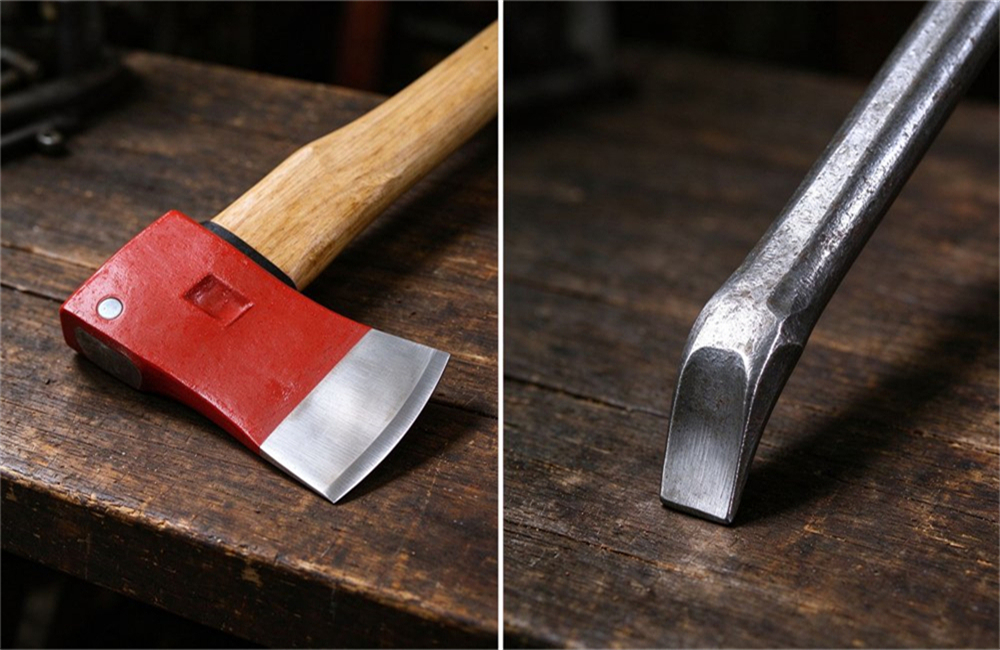
Hazmat and confined-space teams carry manual kits by rule. No ignition source near flammable atmospheres means no hydraulic pumps inside the hot zone.
That rule alone settles many debates in this hydraulic vs manual rescue tools comparison. Some environments simply forbid powered tools.
Manual tools shine where hydraulic power is unnecessary or impossible to deploy.
Quiet operations such as hostage or stealth entries avoid noisy pumps. A manual pry bar opens a door without alerting anyone inside.
The pump noise of hydraulic systems carries far in a quiet building. For deliberate, quiet access, manual tools are the professional choice.
Confined spaces, stairwells and rooftops may not fit a power unit. Manual tools move through any gap and work in any position.
An attic, a crawl space or a collapsed stairwell has no room for hoses and a pump. An axe and a pry bar fit in the smallest opening.
Routine jobs like padlock cutting, gate breaching and light demolition are faster with manual bolt cutters and axes. No setup, no noise, instant work.
Manual tools also keep working when hydraulic systems fail. If the pump dies or a hose bursts, the axe still opens the door.
From collapsed debris to the station rack, the pattern holds. Manual tools stay ready for the work that happens before and after the heavy rescue.
|
Rescue Scenario |
Hydraulic or Manual Rescue Tools |
Reason |
|
Vehicle extrication |
Hydraulic cutter + spreader + ram |
Steel force and speed needed |
|
Earthquake collapse |
Hydraulic ram + cutter |
Lifting slabs, cutting rebar |
|
Confined space entry |
Manual tools |
No pump room, portable |
|
Quiet / stealth operation |
Manual pry bar, axe |
No noise from pump |
|
Padlock / chain / gate |
Manual bolt cutter |
Quick, cheap, portable |
|
High-rise access |
Manual kit with first crew |
Weight and speed upstairs |
|
Mixed large incident |
Both sets on truck |
Cover all phases |
Most professional teams carry both. Combining both in one team is the standard setup for mixed calls. That is the honest conclusion of this hydraulic vs manual rescue tools comparison.
The truck carries hydraulic rescue tools for heavy extrication and a manual forcible entry kit for fast access work.
One rescuer opens a padlock with bolt cutters while another sets up the hydraulic pump. Work happens in parallel instead of in sequence.
Parallel work is the real advantage of a balanced loadout. The first crew gains access with manual tools while the heavy team prepares hydraulic force.
Battery hydraulic tools bridge the gap between the two families. They give hydraulic force without heavy pumps, covering many manual scenarios too.
The comparison is not an either-or. A fire axe and a pry bar handle access, while two rescuers run hydraulic force for the heavy phase of the same incident.
A practical truck load starts with one hydraulic cutter, one spreader, one ram and one power unit. Add one manual breaching kit and one bolt cutter.
That configuration covers vehicle extrication, structural collapse, quiet entries and routine access with a single truck bay.
For departments that run multiple trucks, split the load. Truck one carries hydraulic force. Truck two carries manual kits and battery tools for fast response.
Department size changes the balance too. A small volunteer crew often runs one truck, so the loadout must cover more with less.
For a single-truck department, one hydraulic cutter, one spreader, one ram and one manual kit cover the standard incident range.
Larger departments specialize. Engine companies carry manual forcible entry tools. Rescue companies carry hydraulic force. Together they cover every call.
Specialty teams add niche tools. USAR teams add rams and shoring. Marine units add waterproof manual kits. Each mission shapes its own loadout.
Whatever the size, the principle holds. Force for steel, speed for access, and a plan that puts the right tool in the right hands.
That continuous tuning is what separates well-equipped teams from merely equipped ones. The loadout evolves with every incident you run.
Start with the scenario you face most. Busy highways mean hydraulic first. Dense old buildings mean manual first. A forcible entry tools comparison starts with scenarios, not with tool prices.
Budget sets the pace. Buy hydraulic cutters and spreaders first, then add battery power units, then expand manual kits.
Train every operator on both tool families. A rescuer who knows both chooses correctly under pressure.
Practice scenarios matter. Run drills where the team starts with manual entry and calls for hydraulic backup, exactly as a real incident flows.
Maintenance planning should cover both families. Hydraulic tools follow the service schedule. Manual tools follow a sharpening and inspection routine.
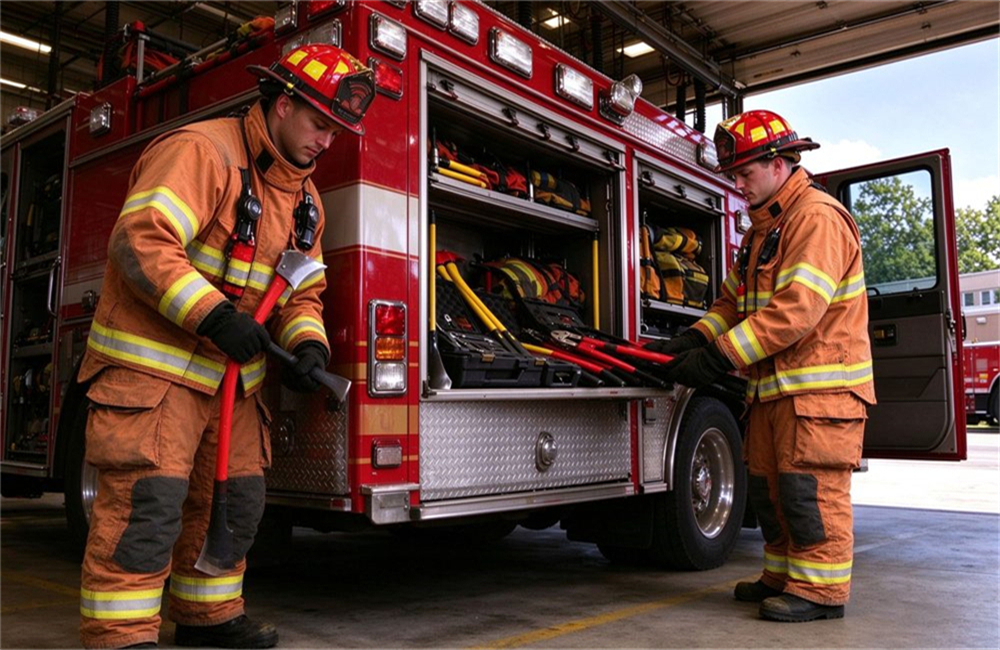
Storage on the truck needs thought too. Hydraulic tools need organized compartments and hose management. Manual kits need secure mounts so nothing shifts in a hard stop.
Departments that combine both families report better outcomes. The right tool is always ready, and no phase of the incident waits for the wrong equipment.
Global rescue standards point the same way.
Vehicle rescue training under NFPA 1936, the powered rescue tool standard around the world teaches hydraulic cutters, spreaders and rams as the primary extrication tools.
Forcible entry training teaches the halligan, the axe and the pry bar as the access tools. The two curricula are designed to work together on one incident.
Wholesale buyers and distributors see the same pattern. Rescue departments order hydraulic sets for the truck and manual kits for every crew member.
That buying behavior confirms the real answer to the hydraulic vs manual rescue tools question. It is never either-or. It is both, with a clear role for each.
The team that understands the split deploys faster, works safer and frees victims sooner. The equipment simply follows the plan.
Start with a written rescue tool policy. Define when hydraulic force is mandatory, when manual tools are preferred, and when either works.
Review that policy after every major incident. Real calls reveal gaps that planning meetings miss. Adjust, retrain, and keep the loadout honest.
That review loop closes the comparison. Choose tools by scenario, keep both families ready, and let the incident dictate the tool instead of the other way around.
Hydraulic and manual rescue tools each answer a different question. Hydraulic answers: can we generate enough force to free this victim? Manual answers: can we reach this victim quickly and quietly?
Teams that ask both questions on every call carry both answers on the truck, ready for any incident. That is the practical takeaway for any department building its rescue tool loadout this year.
Rescue departments also consider the resale and trade-in path. Hydraulic rescue tools hold their value when maintained, and battery systems age more predictably than fuel systems.
Manual tools are rarely traded. They are used until the handle wears out, then repaired and used again. That durability quietly lowers long-term cost per call.
Standardization helps teams compare bids and train staff. Buying the same tool family across trucks means one spare parts kit and one training program serve the whole department.
Whether you standardize on hydraulic or manual rescue tools, document the choice. A written policy prevents one truck drifting toward gear the rest of the fleet cannot support.
Distributors planning inventory should stock both families in depth. Hydraulic sets move with extrication demand, while manual kits sell steadily to every department, every year.
That steady demand is why wholesale catalogs always pair the two. Every forcible entry tools comparison pairs both families for the same reason. Buyers expect the comparison, the options and the honest guidance on when each tool earns its place on the truck.
In the end, the hydraulic vs manual rescue tools decision comes down to your incidents, your budget and your training capacity. Measure all three before you order.
A department that matches tools to incidents, budgets maintenance honestly and trains every operator will out-perform one with a larger fleet but no plan.
Build a complete rescue system with the rest of the hydraulic rescue tool matrix.
Hydraulic Rescue Tools Hub · Hydraulic Cutter for Rescue · Hydraulic Spreader for Rescue
Hydraulic Rescue Ram · Hydraulic Power Unit Rescue · How to Choose Hydraulic Rescue Tools · Battery vs Engine Hydraulic Pump
Which faster: hydraulic cutter vs bolt cutter on steel?
A hydraulic cutter vs bolt cutter race ends in seconds for the hydraulic tool. Ask which faster early: the hydraulic cutter vs bolt cutter gap is seventy to one on steel. The hydraulic cutter opens a B-pillar in under a minute, while a bolt cutter struggles on hardened steel.
Is the forcible entry tools comparison affected by training?
Yes. The forcible entry tools comparison shifts with crew skill. A trained team uses manual tools fast on light access, but hydraulic power still wins on structural steel.
Which faster: hydraulic cutter vs bolt cutter on steel?
Forcible entry tools comparison shows the hydraulic cutter vs bolt cutter gap clearly. The hydraulic cutter closes in seconds on a steel bar, while the bolt cutter needs several strokes and much more operator force.
What does a forcible entry tools comparison say about hydraulic vs axe?
A forcible entry tools comparison of hydraulic vs axe shows force and speed. The hydraulic vs axe test is about sustained power: an axe depends on swings, while the hydraulic tool pushes continuously until the door or lock gives.
When should a team choose hydraulic cutter vs bolt cutter in forcible entry tools comparison?
Use the hydraulic cutter vs bolt cutter decision by material. Forcible entry tools comparison ranks the hydraulic cutter first for steel doors and vehicle pillars, and the bolt cutter only for thin wire and padlocks.
Does forcible entry tools comparison cover cost?
Yes. Forcible entry tools comparison covers purchase price, maintenance and service life. Hydraulic vs axe analysis shows higher first cost for hydraulics but lower total cost over ten years of rescue work.
Where do rescue teams learn hydraulic vs axe technique?
Rescue teams learn hydraulic vs axe technique in training drills. Forcible entry tools comparison is part of every NFPA 1006 class, and the hydraulic cutter vs bolt cutter test is a standard timed evolution.
|
|

|
Links amigáveis :
direito autoral © Custom Disaster - Relief Bedding: Tents, Sleeping Bags, Blankets Todos os direitos reservados
a equipe profissional para o serviço !