Categorias
Updated: November 01, 2026
OSHA fines average $13,000 per serious violation. A missing eyewash station, a worker wiping up hydraulic oil with paper towels and no gloves, expired absorbent pads — each is a separate citation. The OSHA 1910.151 standard requires eyewash stations within 10 seconds of corrosive chemical handling areas.
Plant EHS managers and warehouse supervisors need to know which HAZMAT PPE level is actually required for their oil spill response — not just what the catalog recommends. The NIOSH recommends matching respirator cartridges to the specific chemical. Level C coveralls do not protect against solvents, and generic nitrile gloves dissolve in hydraulic oil. This guide covers oil spill response equipment, PPE levels A through D, chemical suit selection, glove and boot compatibility, eyewash placement, absorbent types, spill kit deployment, and basic decontamination, following EPA spill response guidance.
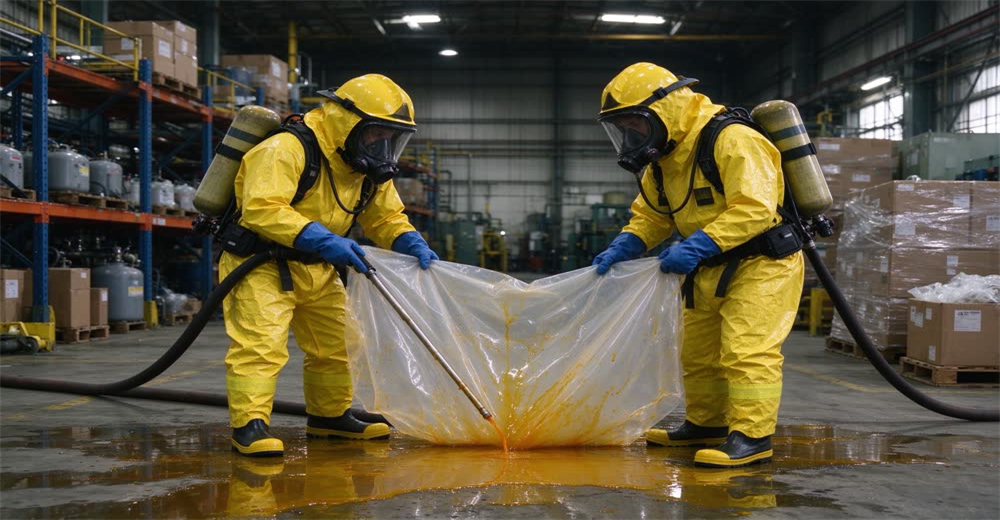
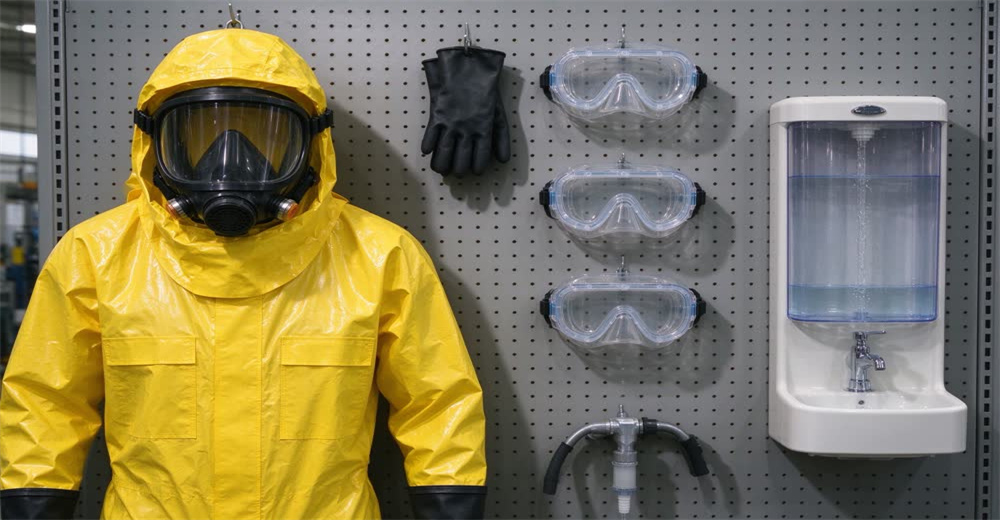
Plant EHS managers and warehouse supervisors need to know which HAZMAT PPE level is actually required for their spill — not just what the catalog recommends. The NIOSH recommends matching respirator cartridges to the specific chemical. Level C coveralls do not protect against solvents, and generic nitrile gloves dissolve in hydraulic oil. This guide covers oil spill response equipment, PPE levels A through D, chemical suit selection, glove and boot compatibility, eyewash placement, absorbent types, spill kit deployment, and decontamination.
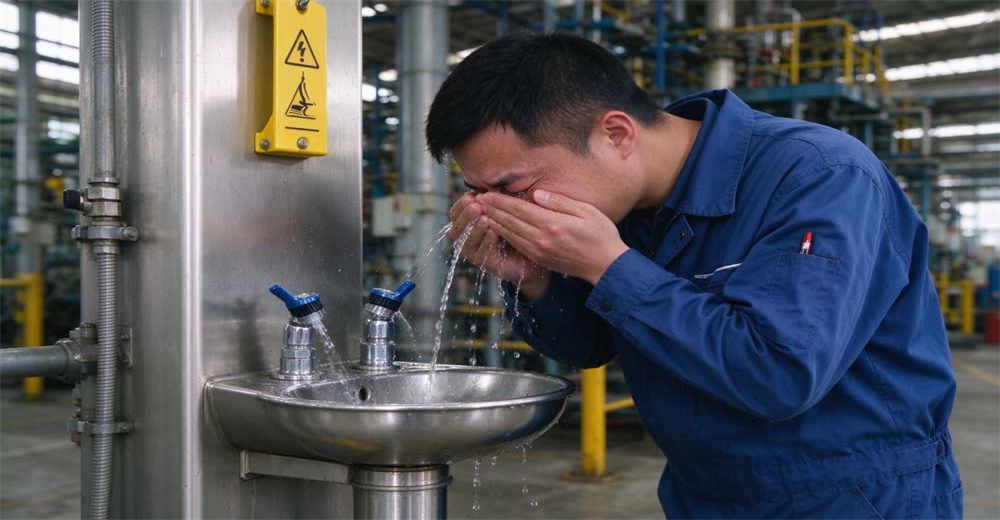
When a chemical splash hits skin or eyes, the first minute determines the injury. Eye exposure to corrosive chemicals can cause permanent vision loss within seconds. Skin exposure to solvents can cause chemical burns that blister within minutes. This is why eyewash stations must be within 10 seconds' walk, and why PPE must be worn before any response begins. The OSHA standard is clear: emergency showers and eyewash stations must be available where corrosive chemicals are handled.
The first rule of spill response is: do not become a victim yourself. A worker without proper PPE who rushes in to clean a spill becomes a second casualty. Every spill response begins with putting on PPE, assessing the vapor hazard, and only then approaching the spill. This is why spill response training is as important as the equipment itself.
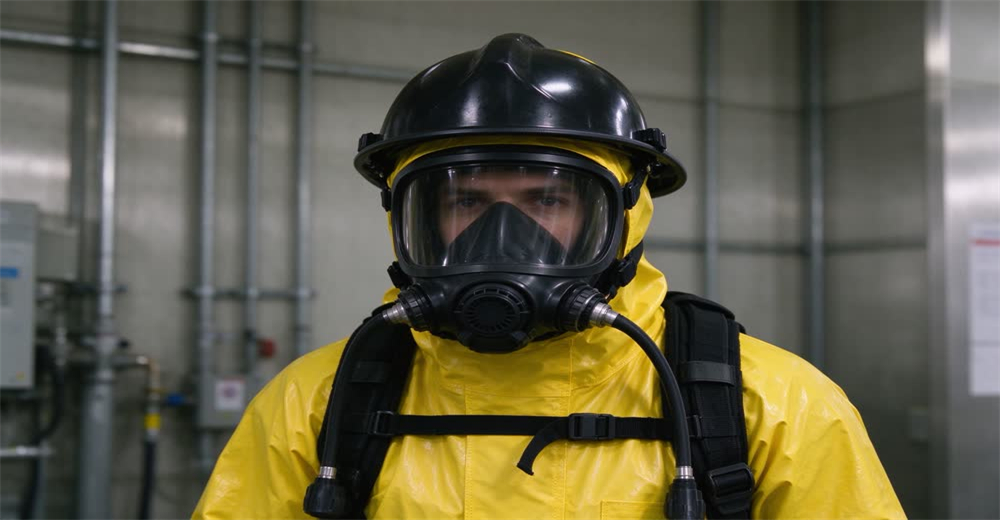
Level A is the highest protection: a fully encapsulating chemical suit with self-contained breathing apparatus (SCBA). This is used when the chemical identity and vapor concentration are unknown, or when there is a known high vapor hazard. Level A suits are air-tight, with sealed seams, boot covers, and glove attachments. They are bulky and hot but provide total protection. Most oil spill response does not require Level A — it is reserved for unknown environments and high-concentration vapors.
PPE level: Level C is for known concentrations below IDLH. Level B is for unknown or higher concentrations. Level A is for vapor-unknown or IDLH environments.
Level A suit provides fully encapsulating protection with self-contained breathing apparatus (SCBA), used when gases and vapors are immediately dangerous to life. Level B is the most common protection level for oil spill response. It includes chemical-resistant coveralls, chemical splash goggles, face shield, chemical-resistant gloves, and chemical-resistant boots. Respiratory protection is still required (organic vapor cartridges or supplied air), but the suit does not need to be fully air-tight. Level B is used when the vapor level is known and below the IDLH threshold, but splash contact is likely. This is the standard protection for most industrial spill response.
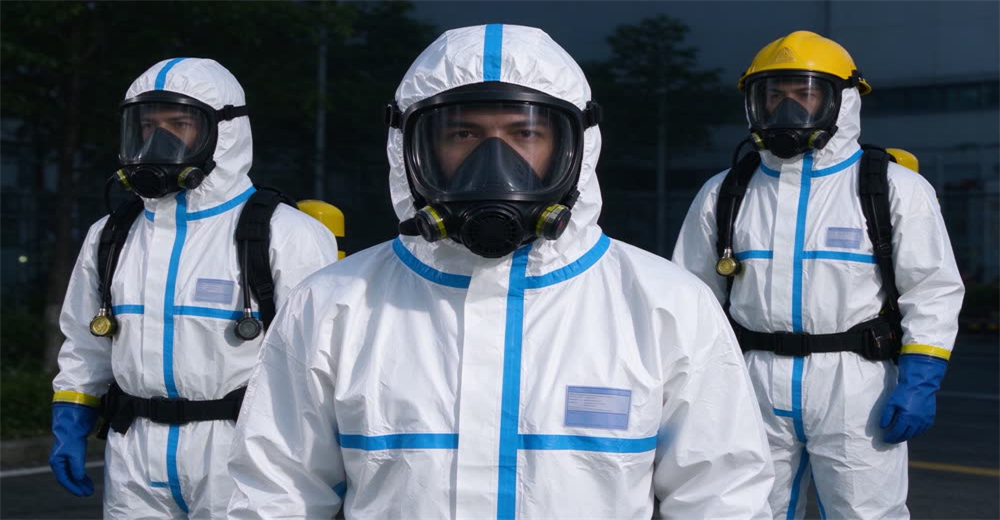
Level C uses air-purifying respirators with cartridge filters and regular coveralls, for known low-vapor environments. Level D is basic workwear: coveralls, safety glasses, gloves, and boots, with no respiratory protection. This is for routine handling where no splash or vapor hazard exists. It is critical to match the PPE level to the actual hazard — under-protection causes injury, but over-protection causes heat stress and slows response.
Level
Protection
When to Use
Typical Gear
Level A
Fully encapsulating + SCBA
Unknown hazard, high vapor
Fully sealed suit, SCBA, inner gloves
Level B
Splash protection + respirator
Known vapor, splash risk
Coveralls, goggles, gloves, boots, respirator
Level C
Air-purifying respirator
Known low vapor
Coveralls, cartridge respirator, gloves
Level D
Basic workwear
No splash/vapor hazard
Coveralls, safety glasses, work gloves
Table: PPE levels. Level B is the most common for oil spills. Match the level to the actual chemical hazard — do not guess.
For most oil spill response, disposable chemical coveralls are the practical choice. Made from microporous film (like Tyvek), they protect against splashes and liquid droplets while being breathable enough to work in. They come in sealed seams with taped joints, elastic wrists and ankles, and a hood. We supply CE-certified disposable chemical coveralls at wholesale pricing, in sizes M through 4XL. After use, they are disposed of as hazardous waste — no laundering, no cross-contamination.
For repeated or more aggressive chemical exposure, reusable suits made from PVC or nitrile-coated fabric offer longer service life. These are washed and inspected after each use. They are more expensive upfront but cost less per use for teams responding to spills regularly. We supply reusable PVC chemical suits at wholesale pricing, with taped seams and sealed storm flaps.
A suit that does not fit properly is useless. Too tight and the seams split; too loose and it catches on equipment. Chemical suits come in a full size range. Workers should try on suits before an emergency — not while a spill is happening. Under the suit, workers wear minimal clothing (synthetic, not cotton, which absorbs chemicals). The suit goes on last, after respirator and inner gloves.
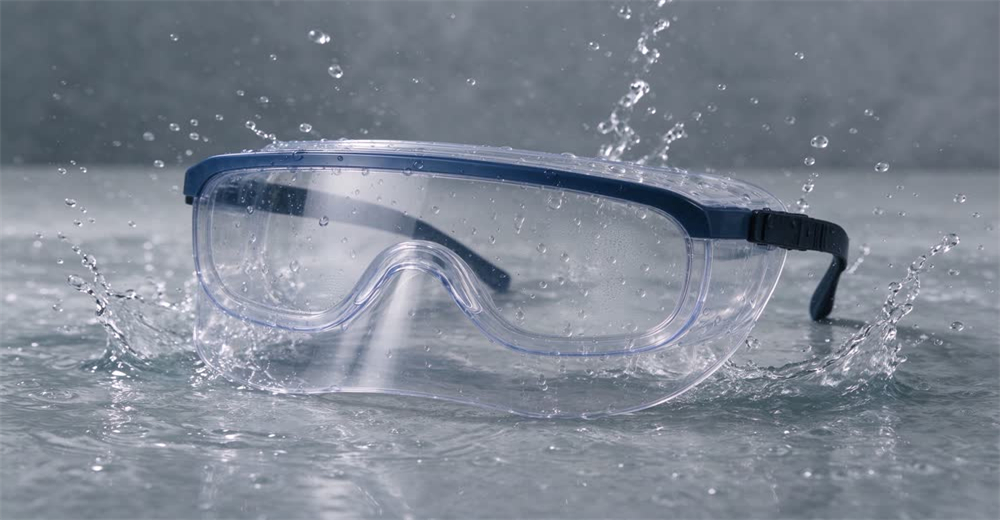
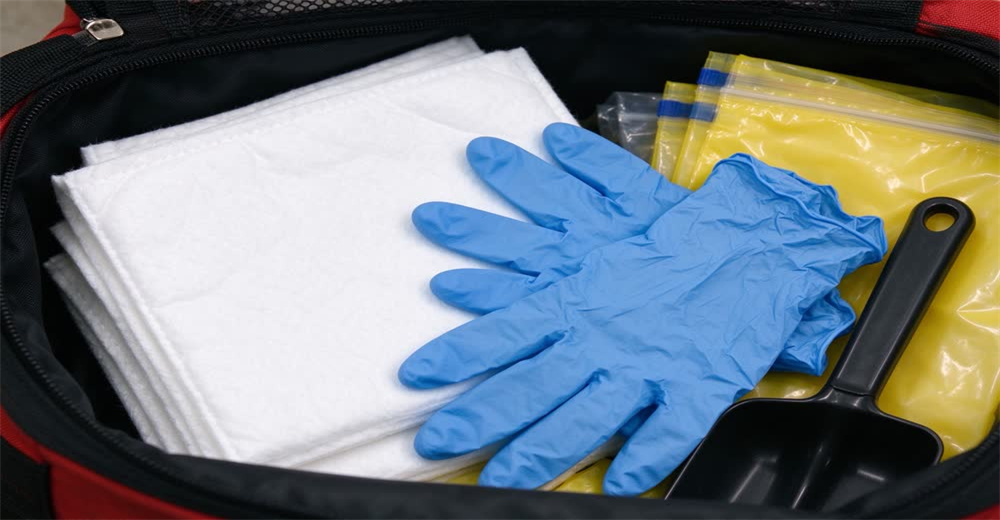
Chemical gloves (also called chemical-resistant gloves) are the most commonly violated PPE item. Nitrile gloves resist oils and solvents but degrade against strong acids. Viton and butyl rubber gloves handle aggressive chemicals. Always check the chemical compatibility chart for your specific chemical. We supply nitrile, neoprene, and Viton gloves at wholesale pricing, in box quantities. For spill response, use double gloves: a thin inner nitrile glove and a thick outer chemical glove. The outer glove is changed if it becomes contaminated; the inner one stays on.
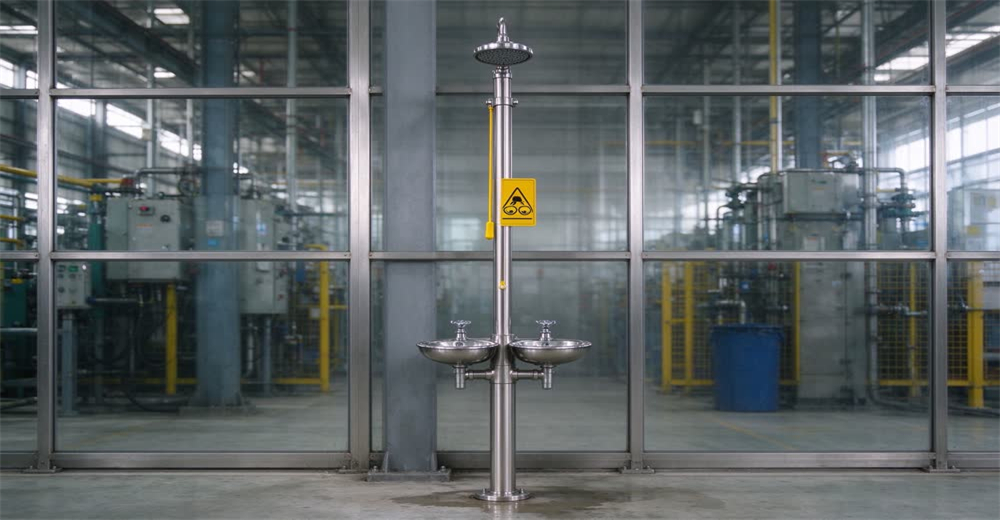
Eye protection is non-negotiable in any spill response. Indirect-vent chemical splash goggles seal around the eyes and prevent liquid from entering. Over the goggles, a full face shield protects the face from splashes. We supply CE-certified chemical splash goggles and face shields at wholesale pricing. Prescription glasses wearers need goggles that fit over them — not safety glasses alone, which do not seal against splash.
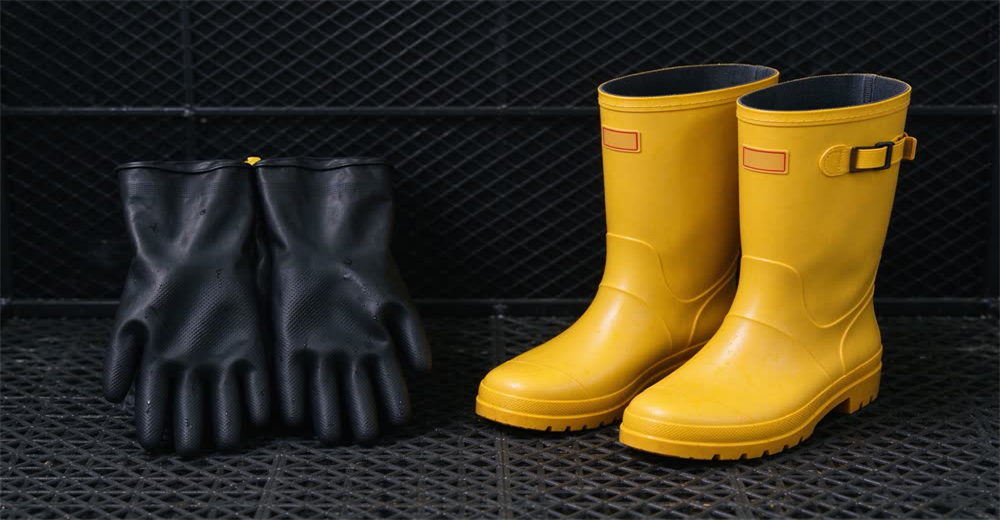
Steel-toe, chemical-resistant rubber boots protect feet from spills and falling objects. The boots should be worn over the coverall pants or tucked in, depending on the suit design. We supply neoprene and PVC chemical boots at wholesale pricing, in sizes 39-46. Soles should be slip-resistant — oil on a concrete floor is slippery. Never wear street shoes into a spill area.
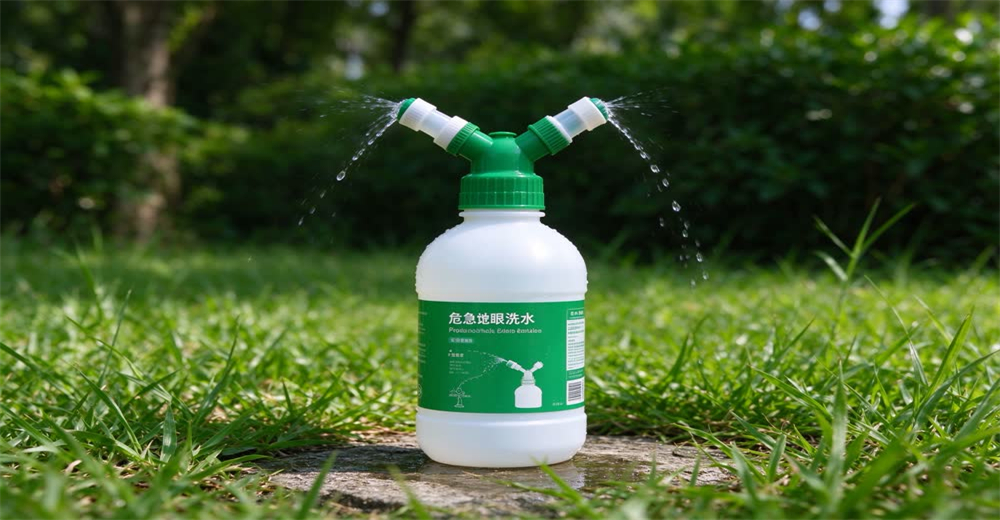
The ANSI Z358.1 standard requires: eyewash stations within 10 seconds' walk of the hazard (no more than 55 feet / 17 meters), on the same level with no stairs, delivering 15 minutes of continuous flushing water at 0.4 gpm for eyewash. The water must be potable, tepid (16-38°C), and available year-round. Plumbed stations connect to the building water supply; portable stations hold 16-60 liters of flushing fluid for areas without plumbing.
Eyewash standard: OSHA 1910.151 requires tepid water (16-38°C) delivered for 15 minutes continuously. Cold water causes hypothermia and stops the flush early.
Plumbed eyewash stations are the gold standard for fixed chemical handling areas. They connect directly to cold and hot water, have a foot pedal or push handle, and activate in one second. Portable eyewash stations are self-contained units that you fill with water; they are used in remote areas or temporary worksites. We supply both plumbed combination eyewash-shower units and portable gravity-fed eyewash stations at wholesale pricing. Note: we supply the equipment units — the water supply and plumbing are installed on site.
An eyewash station that has not been flushed in months grows bacteria and stagnant water. OSHA requires weekly activation of plumbed stations and monthly inspection of portable units. The tray must drain, the spray heads must not be blocked, and the water must be clear. A sign above the eyewash records the inspection dates. This 30-second weekly task prevents the station from being useless when someone needs it.
Critical insight: Eyewash stations must be within 10 seconds' walk and deliver 15 minutes of flush water. A station in a locked room or 3 floors away is worse than none at all — it creates false confidence.
When chemicals soak clothing, the shower is the first response. An emergency shower delivers 20 gallons per minute for 15 minutes, enough to fully rinse a contaminated person. The shower is activated by a pull rod — one motion, both hands free to hold the shower head. Combination units have both the shower and the eyewash on the same station. We supply stainless steel combination eyewash-shower units at wholesale pricing, with OSHA-compliant flow rates.
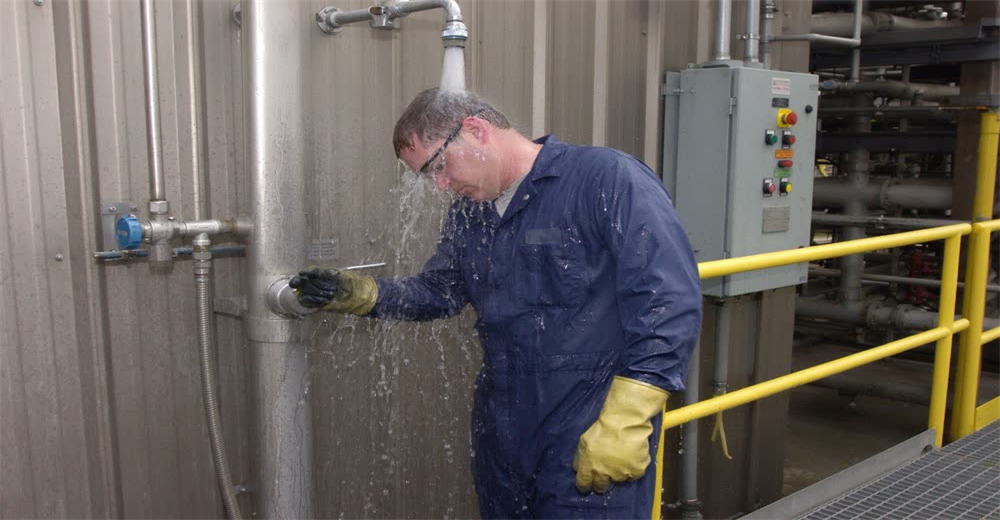
Cold water in a shower causes a person to freeze up and stop rinsing. The ANSI standard requires tepid water (16-38°C). In industrial facilities, this means the shower must have tempered water circulation or a thermostatic mixing valve. Cold showers are a common compliance failure — inspect your shower water temperature annually.
For large spills, a decontamination enclosure tent contains the runoff. The contaminated water is collected and treated, not released into the sewer. We supply decontamination tents and containment berms at wholesale pricing. The decon zone has clean side and dirty side: responders enter the dirty side, remove PPE, and exit clean. This prevents spreading contamination.
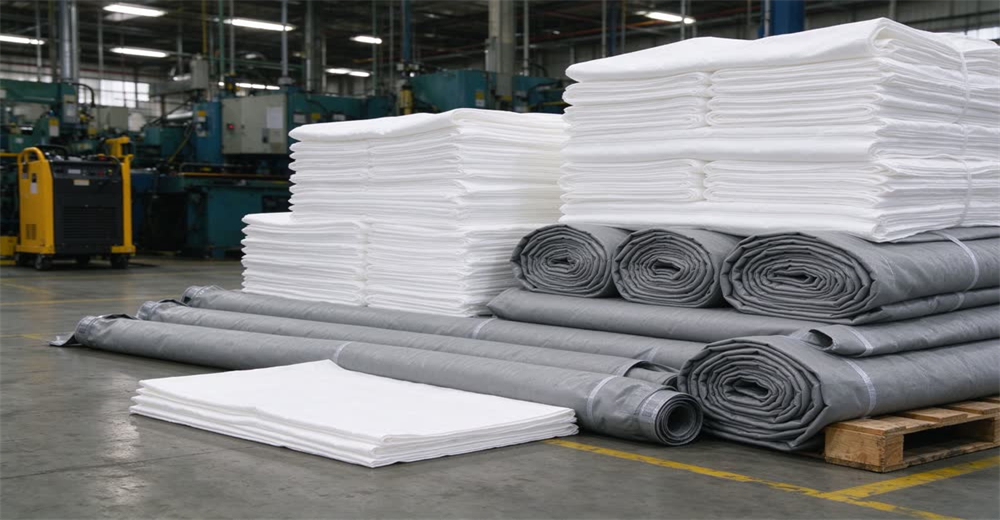
Polypropylene absorbent pads and rolls are the workhorse of spill cleanup. They absorb hydrocarbons (oil, diesel, gasoline) but repel water — perfect for outdoor spills on wet ground or water surface. We supply white oil-only absorbent pads, rolls, and booms at wholesale pricing. Pads are 40x50cm, 100 per bag; rolls are 50m long; booms are 3m long for containment on water.
Gray universal absorbents work on oils, water, and most non-aggressive chemicals. They are the general-purpose choice for factory floors where you handle a mix of liquids. Universal pads are the default for indoor spill kits — they absorb water-based spills too, which oil-only pads do not. We supply gray universal absorbent pads and rolls at wholesale pricing.
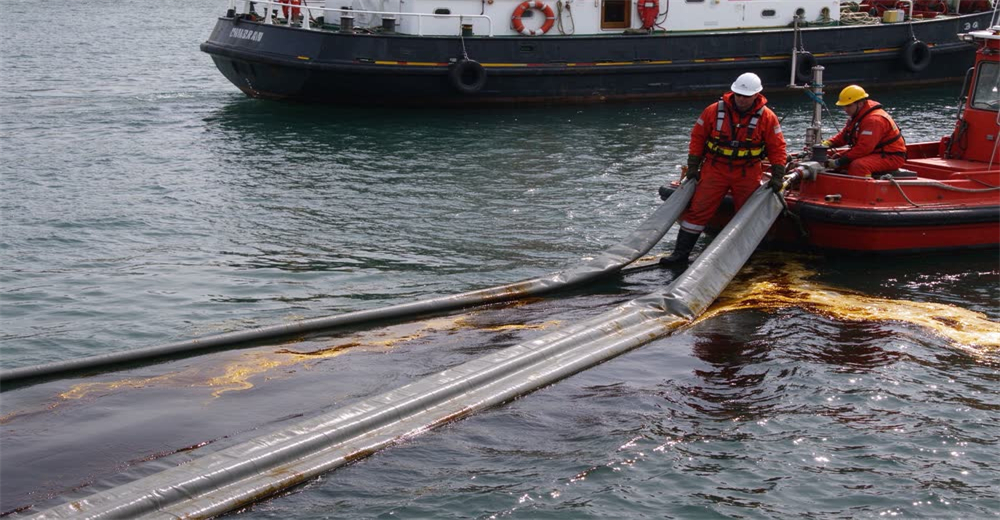
For larger spills, absorbent booms (long sausage-like tubes) contain the spread. Absorbent pillows are large 40cm blocks for soaking up bulk liquid. A spill kit typically contains pads, a couple of booms, and disposal bags. Once used, absorbents are treated as hazardous waste — do not throw them in regular trash.
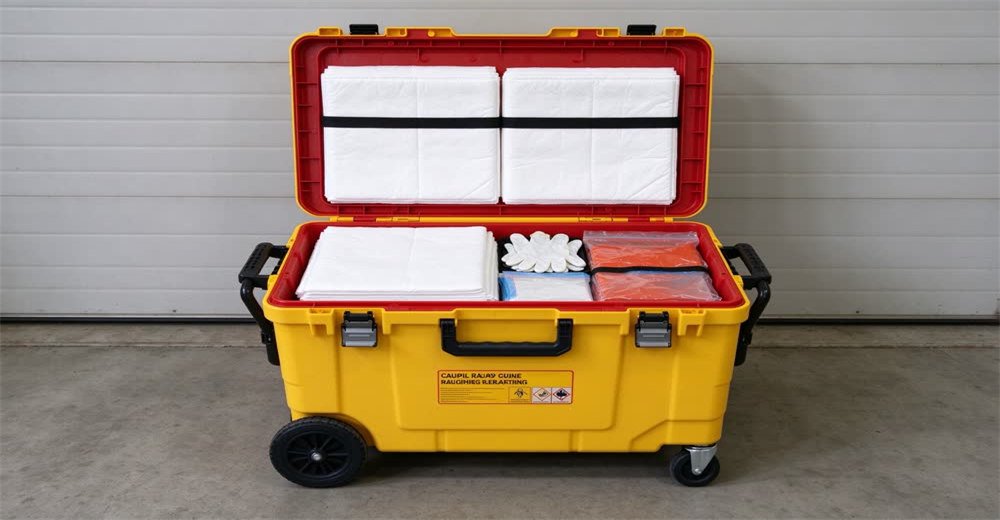
A spill kit in a yellow cabinet, mounted on the wall near chemical storage, is the first response tool. It contains absorbent pads, a boom, gloves, goggles, disposal bags, and instructions. We supply 30L, 60L, and 120L spill kits at wholesale pricing, in wheeled bins for easy movement. One kit per chemical storage area, sized to the largest single container in that area.
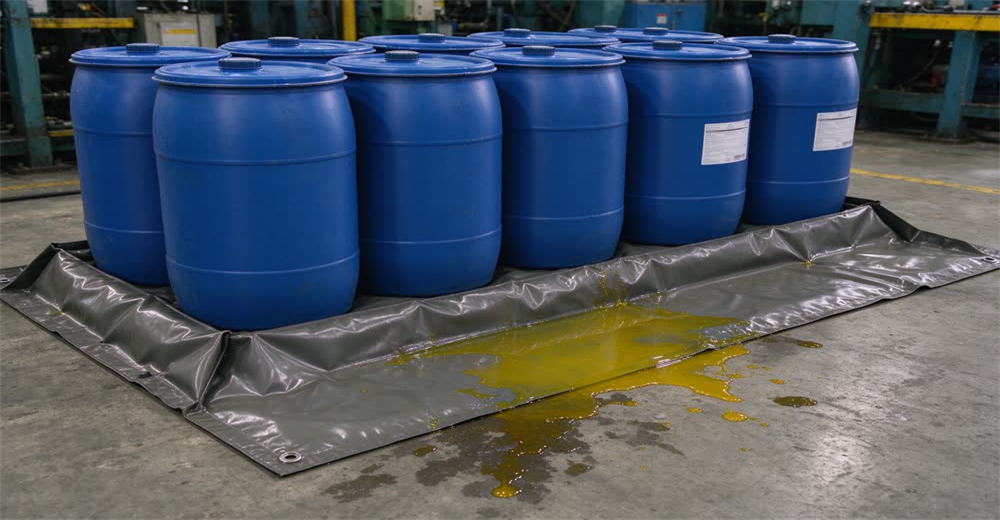
Prevention is better than cleanup. Secondary containment berms under storage drums catch leaks before they spread. We supply foldable hard-sided berms and absorbent berm liners at wholesale pricing. A 4-drum berm catches the contents of a full drum if it leaks — this is regulatory requirement for hazardous liquid storage.
For a dedicated spill response team, the kit is bigger: Level B PPE for 4 people, extra absorbents, a decon kit, and a portable eyewash. The team trains together on drills. We can build custom response team kits to your chemical list and site layout.
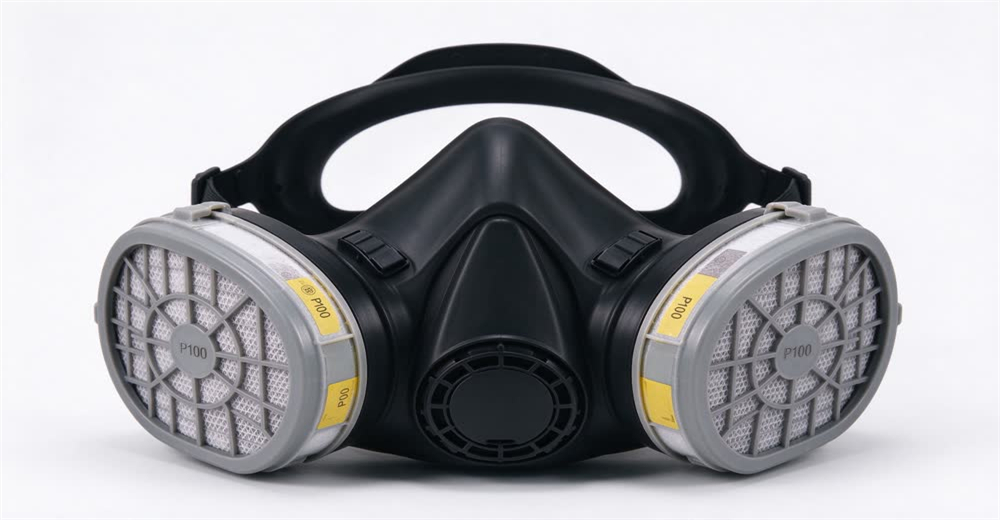
For oil and solvent vapors, half-face respirators with organic vapor cartridges are standard Level C protection. The cartridges must be replaced on schedule — they saturate and stop protecting. We supply NIOSH-approved half-face respirators and organic vapor cartridges at wholesale pricing. Fit testing is required annually — a respirator that does not seal against the face provides no protection.
For enclosed spaces (tank interiors, sumps) or unknown vapor levels, supplied-air respirators (SAR) draw clean air from a compressor or bottled air. This is Level A/B equipment. We supply the half-face and full-face air-purifying respirators for Level C use.
A proper decontamination line has: a wash station where responders rinse off, a PPE removal area, and a clean exit. PPE is removed in a specific order (outer gloves, suit, boots, inner gloves, respirator) to avoid touching contaminated surfaces. This is trained procedure, not improvised.
Used absorbents, PPE, and wash water are hazardous waste. They go in labeled, sealed drums, not the regular trash. Your local environmental regulations govern disposal. Budget for waste disposal when you plan a spill response — cleanup does not end when the visible spill is gone.
Item
Small Factory
Large Industrial Site
Disposable chemical coveralls
10
50+
Chemical gloves (pairs)
20
100+
Splash goggles
5
20
Chemical boots
4 pairs
10 pairs
Plumbed eyewash-shower
1 per area
multiple
Portable eyewash
2
5+
Spill kits (30-120L)
2
8+
Absorbent pads (bags)
5
20+
Absorbent booms
4
20+
Half-face respirators
4
10+
Table: Spill response equipment by facility size. Eyewash stations are non-negotiable wherever corrosive chemicals are stored.
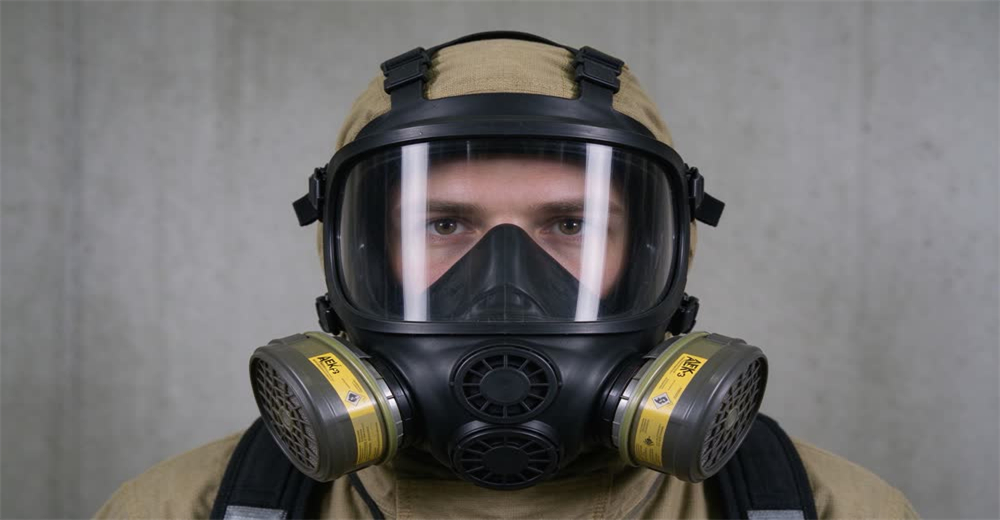
A: Chemical-resistant coveralls, nitrile or Viton gloves, splash goggles, face shield, chemical-resistant boots, and respiratory protection matched to the vapor hazard.
A: Level B for splash protection when vapors are known. Level A for unknown or high vapor. Most industrial oil spills use Level B protection.
A: Level B uses splash protection with respiratory protection for unknown vapors. Level C uses air-purifying respirators when the vapor is known and non-IDLH. Most oil spill cleanup is Level C — upgrade to Level B if atmospheric monitoring shows unknown or dangerous concentrations.
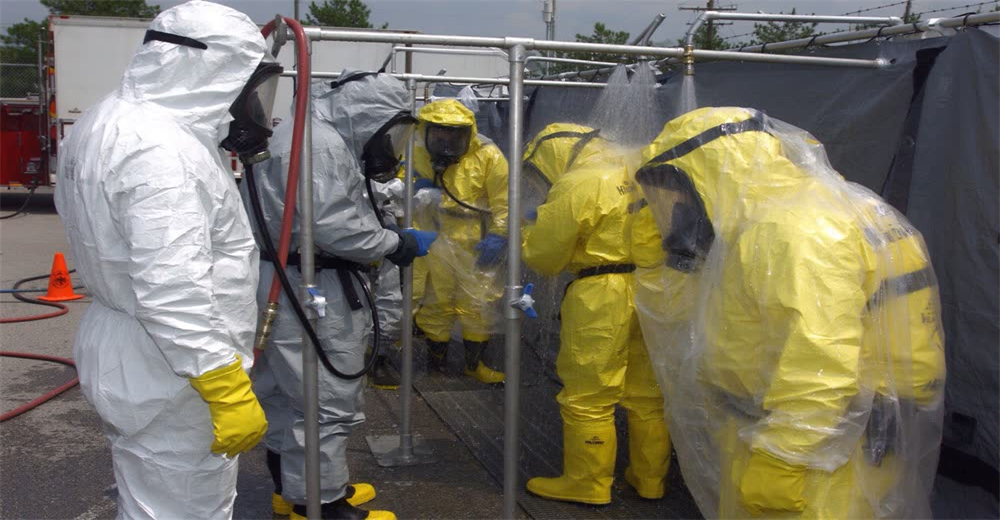
A: Within 10 seconds walk, no more than 17 meters. On the same level, no stairs. A station far away is useless in an eye exposure emergency.
A: ANSI Z358.1 requires plumbed eyewash to deliver 15 minutes of continuous flushing at the correct flow rate. Tepid water (16-38°C) is also required.
A: Polypropylene oil-only absorbent pads, rolls, and booms. They absorb oil but repel water. Universal gray pads handle mixed spills.
A: Common mistake: Using a regular eye wash bottle as a station. OSHA requires plumbed or portable stations that deliver 15 minutes of continuous tepid water. A small squeeze bottle does not meet the standard.
OSHA 1910.151 requires eyewash stations within 10 seconds travel time (about 55 feet) of corrosive chemical areas, on the same level, with no obstacles. They must deliver tepid water (16–38°C) for 15 minutes continuously.
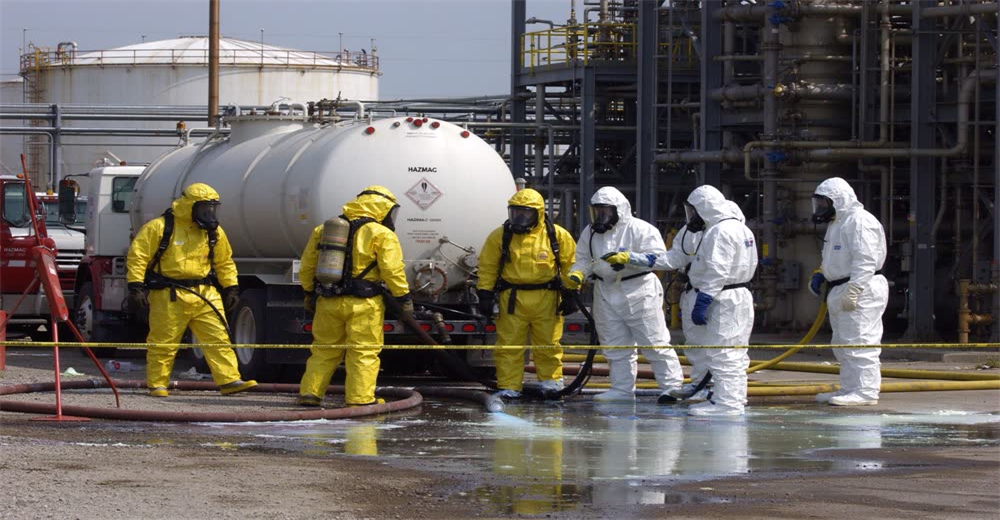
A: Nitrile for general oil resistance. Viton or butyl rubber for aggressive chemicals. Always check the compatibility chart for your specific chemical.
A: One kit per chemical storage area, sized to the largest container. Plus dedicated response team PPE for larger spills.
A: Organic vapor cartridges for oil vapors. Supplied-air respirators for enclosed spaces or unknown vapor levels. Annual fit testing required.
A: One portable spill kit per 10,000 sq ft, wall-mounted near chemical storage. Each kit: 20–40 absorbent pads, 2–3 absorbent socks, disposal bags, gloves, goggles. Larger facilities also need a stationary spill cart near bulk storage.
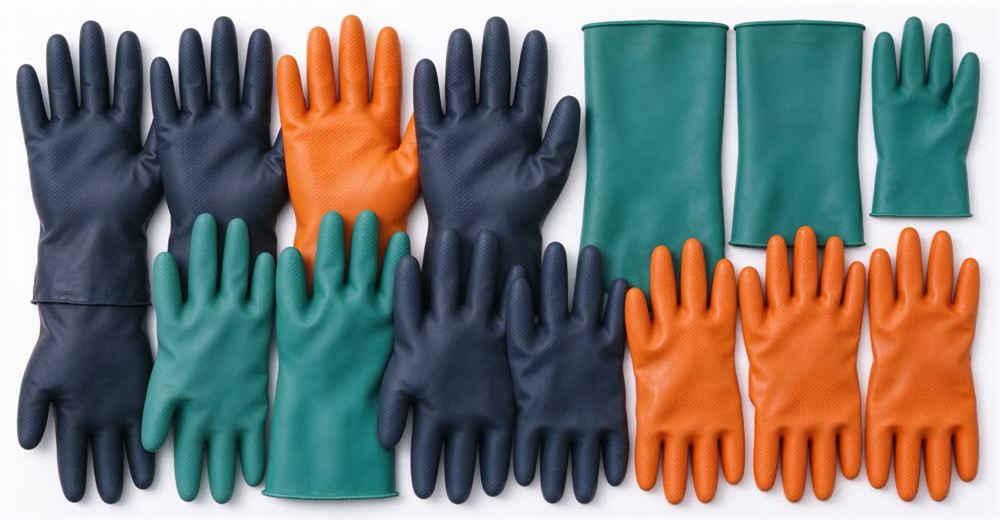
Start by assessing your actual risk exposure and equipment gaps. We are a China-based supplier of emergency response equipment. Contact us for wholesale pricing and equipment recommendations.
 |

|
Links amigáveis :
direito autoral © Custom Disaster - Relief Bedding: Tents, Sleeping Bags, Blankets Todos os direitos reservados
a equipe profissional para o serviço !