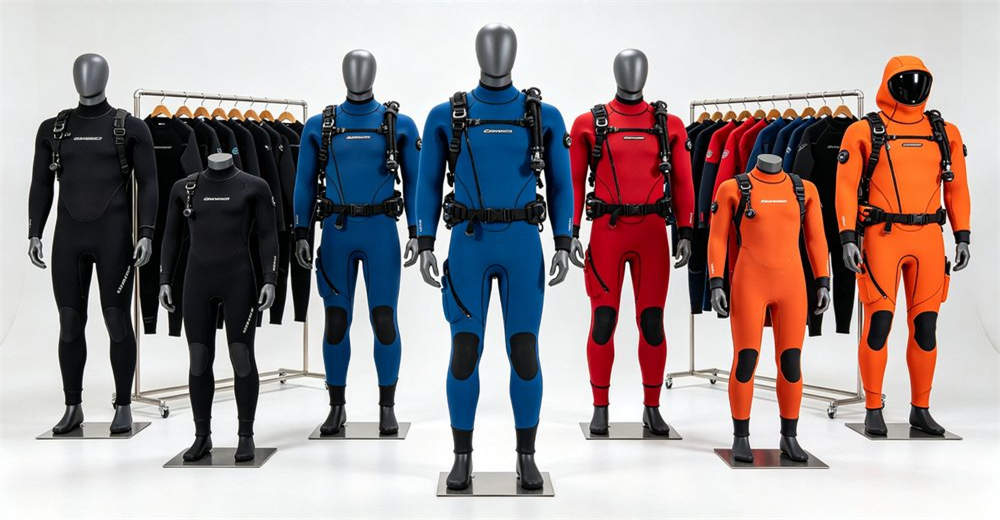
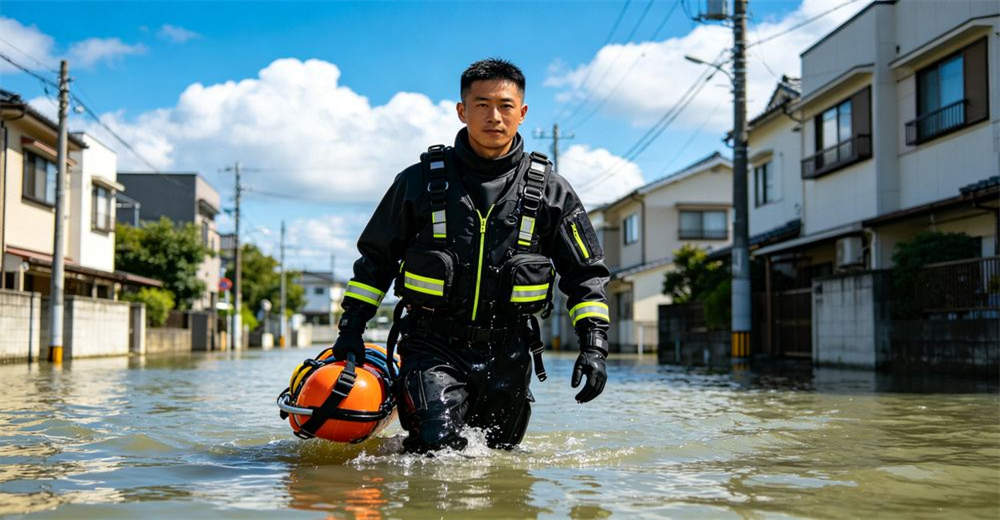
When water temperature drops below 15 degrees Celsius, cold shock and immersion hypothermia can disable a rescuer within minutes. This is why professional water rescue teams rely on a purpose-built dry suit, a sealed neoprene wetsuit, or a dedicated full body diving suit as the foundation of their cold water rescue gear.
The underwater diving suit design minimizes drag while maximizing thermal retention.
A recreational diving suit and scuba diving wetsuit configuration is available for recreational dive centers.
Essential diving gear for professional users includes integrated hoods, gloves, and boots.
Get a Quote for Your Dry Suit Requirements
YRF Textile is a China-based supplier supplying water rescue drysuit and wetsuit programs to rescue brigades, public safety dive units, fire departments, military training commands, and government emergency stockpile agencies. As an experienced water rescue equipment supplier, we build every immersion suit to declared waterproof and thermal specifications rather than to vague marketing claims.
This page compares the three core product families in our range: the trilaminate dry suit for cold water rescue and extended immersion, the CR neoprene rubber wetsuit for moderate temperatures and high mobility, and the integrated-hood diving suit for underwater search and recovery. Every figure below is presented as a typical value unless otherwise noted.
Because we manufacture in China, we act as both a direct dry suit supplier and dry suit exporter and a flexible wetsuit supplier for buyers who need wholesale pricing, bulk carton quantities, and OEM/ODM customization. Our buyers range from Southeast Asian flood-response agencies and Caribbean coastguard contractors to African disaster-relief distributors and Middle Eastern civil defense commands.
The three-tier positioning below helps procurement teams match budget to operational risk. Entry-level wet suits suit warm-water training and short missions. Professional dry suits balance waterproofing, weight, and cost. Heavy-rescue immersion suits add reinforced shells, dry-glove rings, and extreme cold dry suit undergarment layering for ice and winter flood work.
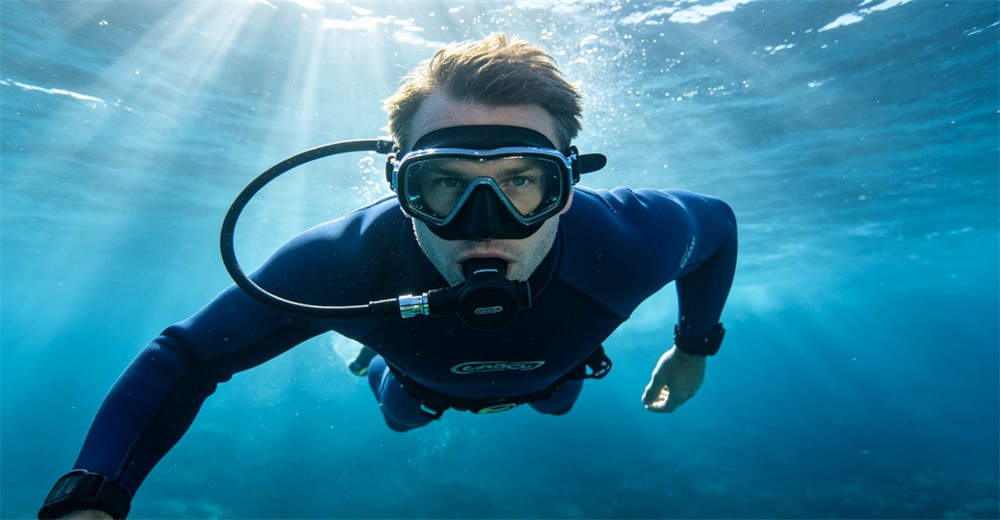
Across the full line, typical shell performance holds to a 20,000mm hydrostatic head and 7,000g/m2/24h breathability on the trilaminate dry suit, while CR neoprene wetsuits run 3mm, 5mm, and 7mm. These are typical laboratory figures for controlled sample testing; real-world performance depends on fit, seals, and undergarment layering.
Whether you are sourcing bulk water rescue equipment for a new team, replacing expired stock, or building a private-label range, this guide gives you the model choices, material science, sizing rules, and export packaging details needed to compare quotations with confidence.
Verified typical specifications: Trilaminate dry suit hydrostatic head 20,000mm / breathability 7,000g/m2/24h (typical) · 320T polyester + PU membrane · Neoprene 3mm/5mm/7mm CR limestone-based · Titanium waterproof zipper 80cm · Replaceable latex neck/wrist seals · Manufactured in China · MOQ and lead time subject to contrac.
1. Introduction
2. Key Features
3. Dry Suit vs Wetsuit
4. Application Scenarios
5. Technical Specifications
6. Materials & Construction
7. Sizing & Fit Guide
8. Customization & OEM/ODM
9. Quality & Certification
10. Packaging & Shipping
11. FAQ
12. Contact Us
One question dominates every tender we see: should a team buy a dry suit, a wetsuit, or both? The honest answer depends on the coldest water the team may enter, the longest expected immersion time, and the budget available for seals, zippers, and undergarments. The sections below work through that decision step by step.
Seasonality shapes the buying calendar. Northern-hemisphere fire and rescue services often procure in autumn ahead of winter flood and ice season, while tropical agencies reorder before monsoon.
We plan production around these peaks so a bulk order placed in time for the season does not compete with a last-minute rush. Tell us your deployment window early and we will align the production schedule to it.
Because immersion suits are safety-critical PPE, we do not quote invented SKUs, fake stock levels, or certified test numbers on this page. What we do offer is transparent material, construction, and packaging data, plus the option to arrange this honesty is the same reason our wholesale buyers stay for repeat seasons: a quotation you can rely on is worth more than a flashy spec sheet.
Every figure on this page is a typical value, and every claim is one we can defend on a facility audit. We would rather under-promise and over-deliver than sell a spec we cannot stand behind when a rescuer steps into cold water.
ec we cannot stand behind when a rescuer steps into cold water.
For flood rescue equipment and swift water rescue operations, always verify suit compatibility with team PPE systems including helmets, gloves, and footwear.
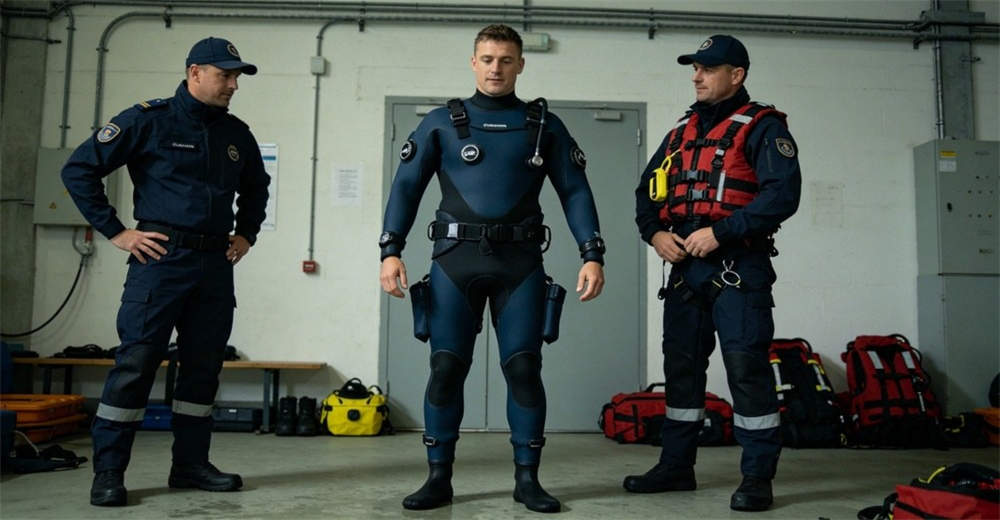
The following image illustrates additional key features and specifications of our technical diving suit and professional diving suit lineup, demonstrating the quality and attention to detail that goes into every product we manufacture.
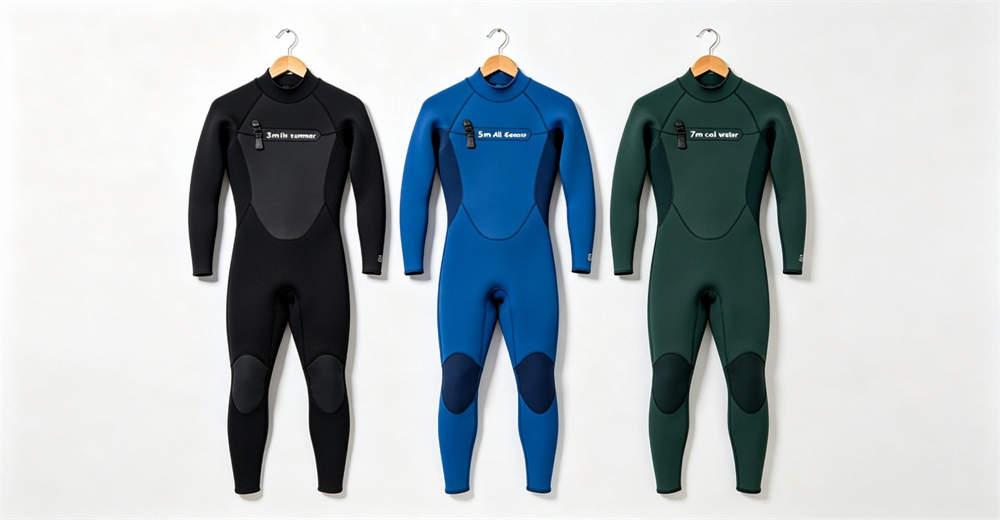
Dry Suit and Wetsuit Model Specs
Dry Suit Sizing and Fit Selection
Water Temperature Scenario Selection
Dry Suit Donning and Maintenance
Dry Suit vs Wetsuit Principle Comparison
Dry Suit Accessories: Hoods, Gloves, Boots
Dry Rescue Suit Specs and Selection
Dry Suit and Wetsuit Certification Standards
Neoprene Wetsuit Specs and Selection
Dry Suit and Wetsuit Customization
Full-Body Diving Suit Technical Specs
Dry Suit and Wetsuit Packing and Delivery
Material Comparison: Neoprene vs Trilaminate
Dry Suit and Wetsuit FAQ
Dry Suit Seams and Zippers Technology
Dry Suit and Wetsuit Bulk Inquiry
Thermal Insulation and Layering Guide
2. Dry Suit and Wetsuit Model Specifications at a Glance
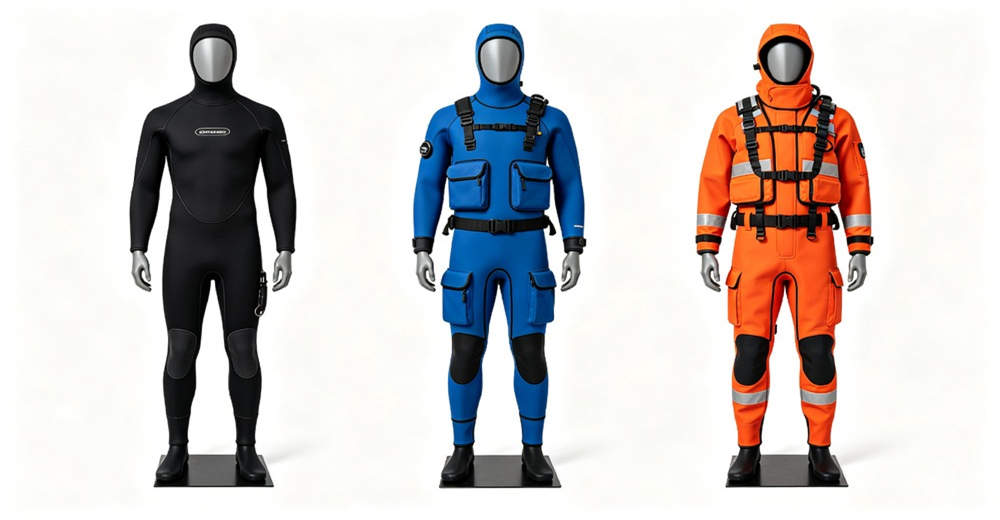
Before comparing individual models, buyers of water rescue dry suit programs usually need a single table that separates the three families. As a water rescue wetsuit supplier, we keep a common platform of trilaminate dry suits, CR neoprene wetsuits, and integrated-hood diving suits so teams can mix body types within one procurement project.
As a wholesale rescue equipment supplier, we maintain consistent quality across every production batch.
and odm dry suit development for buyers needing full design support.
oem dry suit manufacturing for established brands, As an experienced wetsuit exporter, we ensure timely delivery worldwide.
custom wetsuits with private label options,private label dry suits and custom dry suits design services for brand-specific requirements.
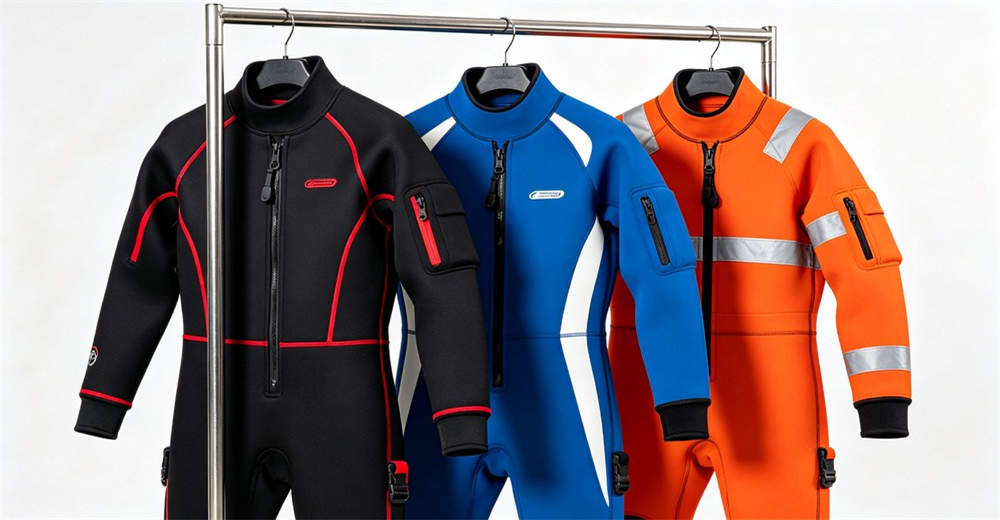
Our dry rescue suit lineup includes three primary configurations designed for different operational requirements and water temperature ranges.
Understanding the differences between our three primary product lines helps buyers select the optimal configuration for their specific operational requirements and user profiles.
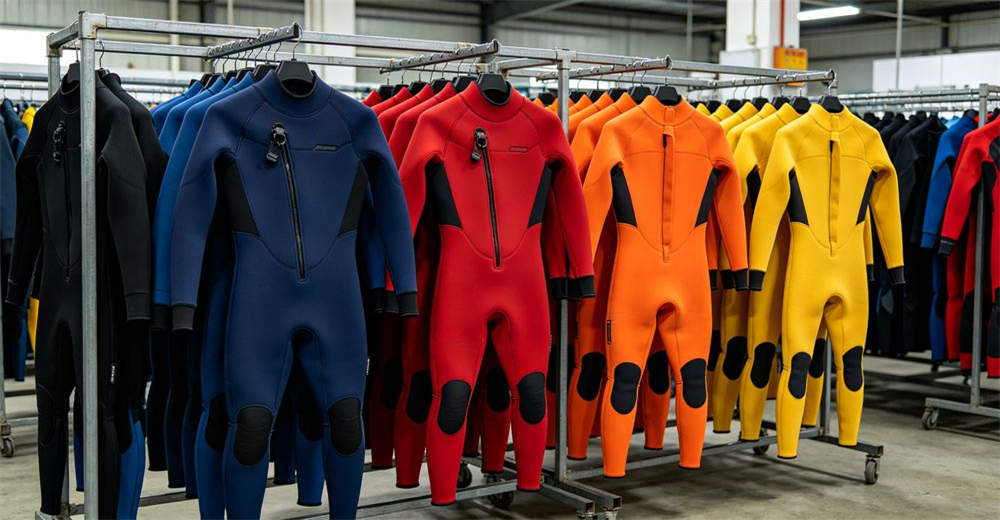
Our dry suit and wetsuit lineup includes three core product families: the full-body dry rescue suit, the neoprene wet rescue suit, and the full-body diving suit. Each is available in multiple sizes, colors, and customization configurations. Select the category that matches your operational requirements, or contact us for a mixed-order quotation.
The model table below is the fastest way to compare waterproofing, seam construction, zipper type, boot integration, and applicable water temperature across all three families. It is designed for tender ev
Buyers often ask whether they should work with a dry suit supplier, a wetsuit supplier, or a general importer.
The advantage of one facility across both families is consistency: the same size charts, the same QC bench, and the same OEM labeling standard apply whether you order a trilaminate dry suit or a 7mm neoprene wetsuit.
nch, and the same OEM labeling standard apply whether you order a trilaminate dry suit or a 7mm neoprene wetsuit.That consistency reduces fitting-room returns and makes a mixed bulk carton easy to issue to a multi-role team.
This comparison table helps rescue worker dry suit and firefighter dry suit buyers evaluate different configurations for their operational requirements.
|
Parameter |
Model YRF-DS01: Full-Body Dry Rescue Suit |
Model YRF-WS03/05/07: Neoprene Wet Rescue Suit (3mm / 5mm / 7mm) |
Model YRF-DV01: Full-Body Diving Suit (Underwater Rescue) |
|
Product Type |
Full-body waterproof dry rescue suit |
Full-body neoprene wetsuit for rescue and diving |
Full-body one-piece diving suit for underwater rescue |
|
Outer Material |
3-layer trilaminate fabric (320T polyester outer + PU waterproof membrane + polyester inner lining); 400D nylon reinforcement panels on sleeves and lower legs |
CR neoprene with nylon jersey on both sides |
High-density CR neoprene, double-lined nylon jersey |
|
Waterproof Rating |
Full waterproof; hydrostatic head 20,000mm (typical); breathability 7,000g/m2/24h (typical) |
Not waterproof; traps a thin water layer |
Water-resistant GBS seams; traps a thin water layer |
|
Seam Construction |
Heat-taped sealed seams, blind-stitched |
Flatlock stitching or glued and blind-stitched (GBS) |
Glued and blind-stitched (GBS) with internal taping |
|
Zipper Type |
Waterproof titanium zipper (front entry) |
YKK plastic zipper; front zip (rescue) or back zip (diving) |
Diagonal front waterproof zipper, 10mm tooth |
|
Neck Seal |
Latex or neoprene neck seal (replaceable) |
Adjustable neoprene collar with Velcro |
Integrated 5mm hood with face seal |
|
Wrist Seals |
Latex wrist seals (replaceable) |
Pre-bent neoprene cuffs |
Attached 3- or 5-finger neoprene gloves (optional) |
|
Boots |
Attached neoprene boots with reinforced sole and anti-slip tread |
Integrated neoprene booties with reinforced heel |
Hard-soled boots with anti-slip pattern and quick-drainage |
Beyond the core material and sealing technology outlined above, our dry rescue suits also offer comprehensive configuration options to meet the specific requirements of different rescue operations and organizational preferences.
The following table details the available sizes, colors, accessories, packaging options, and applicable standards for our professional dry suit lineup, allowing procurement officers to select the optimal configuration based on their team's operational needs and budget considerations. Our wetsuit accessories range includes gloves, boots, hoods, and repair kits.
professional dry suit lineup, allowing procurement officers to select the optimal configuration based on their team's operational needs and budget considerations.
The specification table below outlines key parameters for professional diving suit models, including material thickness and temperature ratings.
Parameter
Model YRF-DS01: Full-Body Dry Rescue Suit
Model YRF-WS03/05/07: Neoprene Wet Rescue Suit (3mm / 5mm / 7mm)
Model YRF-DV01: Full-Body Diving Suit (Underwater Rescue)
Sizes
XS, S, M, L, XL, XXL, XXXL (custom sizing available)
XS through XXXL; children's sizes by custom order
S through XXL; custom sizing available
Colors
Orange, yellow, black, red, navy blue (custom colors available)
Black, navy, orange, yellow, camouflage (custom available)
Black, navy, orange (custom colors available)
Reflective Tape
Optional SOLAS-grade reflective tape on arms and legs
Optional reflective trim
Optional reflective trim
Pockets
Thigh pocket with waterproof zipper (optional)
Right thigh cargo pocket with drainage; left hidden pocket
Neoprene chest pocket with Velcro
Suspenders
Internal adjustable suspenders included
Not included
Not included
Knee Pads
Reinforced anti-abrasion panels
Reinforced neoprene knee pads (optional)
Reinforced Supratex knee and elbow pads
Packing
Individual polybag + export carton; 5 pieces per carton
Individual polybag + export carton; 10-20 pieces per carton
Individual polybag + export carton; 3-5 pieces per carton
Applicable Water Temp
Below 15 C (with appropriate undergarments)
10 to 25 C (depending on thickness)
5 to 20 C (depending on thickness)
Meets Standard
Tested to relevant waterproof and thermal insulation specifications
Tested to relevant neoprene durability and thermal specifications
Tested to relevant diving suit thermal and durability specifications
The table above maps each family to its shell material, closure system, and thermal window. For teams that need a mixed carton of wholesale dry suits and wetsuits, the key takeaway is that dry suits carry the waterproof zipper and sealed-seam cost, while wetsuits trade that cost for trapped-water insulation and easier maintenance.
For surface water rescue teams, we also recommend reviewing our life jackets and PFDs and lifebuoys and throw bags to complete your equipment inventory. Dry suits are designed to be worn under a rescue PFD, and a PFD over a properly fitted dry suit adds buoyancy without breaking the neck seal.
As a trusted dry suit supplier and wetsuit supplier with extensive experience serving professional clients worldwide, we understand the critical importance of reliable equipment in demanding environments. Our comprehensive product range includes everything from heavy-duty ice rescue dry suit models for extreme cold water operations to versatile commercial diving wetsuit options for everyday professional use. Whether you require a custom dry suit OEM solution for your organization or need bulk dry suits for rescue team equipping, we have the expertise and capacity to meet your specific requirements with quality products and competitive pricing.
For buyers searching for dry suit for sale or comparing dry suit price options, our facility offers transparent pricing structures with no hidden fees, making it easy to budget for your equipment needs. We also provide cheap dry suits options for organizations with limited budgets, without compromising on quality or safety standards. Our wetsuit for diving collection includes options suitable for recreational, commercial, and even surf wetsuit applications, ensuring we can meet the diverse needs of water sports enthusiasts and professional divers alike.
As a comprehensive diving equipment supplier and marine safety equipment supplier, we offer a complete range of products beyond just dry suits and wetsuits, including rescue helmets, gloves, boots, and thermal undergarments to create complete equipment solutions for your organization. Our products are widely used in salvage diving operations, military diving missions, public safety diving programs, and scientific research expeditions, demonstrating their versatility and reliability across different professional applications. Whether you need front zip dry suit models for quick donning or back zip configurations for enhanced waterproof performance, we have the right solution for your specific operational requirements.
Water temperature is the single clearest selector between a dry suit and a wetsuit. This guide turns the typical operating window of every
The broad scenario; the second narrows it to a specific YRF model and its standout feature. Both tables assume an active wearer; standby or low-exertion work shifts the recommendation toward a thicker suit.
This sizing reference helps bulk dry suits purchasers determine correct fit across different body types and undergarment combinations.
Water Temperature
Primary Scenario
Recommended Type
Below 10 C
Ice water rescue, winter flood
Dry suit + heavy undergarments
10 to 15 C
Cold water rescue, extended immersion
Dry suit or 7mm wetsuit
15 to 20 C
General water rescue, moderate immersion
5mm wetsuit or dry suit
20 to 25 C
Warm water rescue, short immersion
3mm wetsuit
Above 25 C
Tropical diving, short exposure
Shorty wetsuit or skin suit
Underwater (any temp)
Search and recovery, diving ops
Full-body diving suit
Unknown / variable
Multi-season rescue team
Dry suit (versatile)
Commercial diver wetsuit users prioritize durability and thermal stability over maximum mobility.
and the search and rescue diver configuration for missing person recovery.
the public safety diving suit for police and sheriff dive teams,
the navy diving suit for ship husbandry and underwater maintenance,
the military wetsuit for amphibious training and tactical diving,
the coast guard dry suit for maritime patrol and boarding operations,
the firefighter dry suit for structural and wildland water operations,
Each scenario maps to a specific configuration: the rescue worker dry suit for frontline response,
The table above matches water temperature and operational scenario to the recommended suit category. It also lists the seven application scenarios our buyers most often plan for: water rescue, diving operations, cold water immersion, flood response, maritime safety, fire rescue, and military training. Each scenario weights waterproofing, mobility, and visibility differently.
For spearfishing enthusiasts and commercial divers operating in temperate waters, our 5mm neoprene wetsuits provide excellent thermal protection without restricting movement, making them ideal for underwater welding and underwater inspection tasks.
Different water temperatures and operational scenarios require different suit configurations. Below we provide detailed recommendations based on common use cases and environmental conditions.
For underwater search and recovery, the full body diving suit adds the integrated hood and hard sole that a surface rescue team rarely needs. For ice and winter flood work, only a dry suit with heavy undergarments delivers a safe operating window. The next table narrows the same temperature bands to specific models.
The material comparison table details the advantages of trilaminate versus neoprene rubber for custom dry suits manufacturing.
Water Temperature
Model
Key Feature
Below 10 C
YRF-DS01
Full waterproof, latex seals
10 to 15 C
YRF-DS01 / YRF-WS07
Maximum thermal protection
15 to 20 C
YRF-WS05
Balance of warmth and mobility
20 to 25 C
YRF-WS03
Lightweight, high flexibility
Above 25 C
Custom option
UV protection, minimal insulation
Underwater (any temp)
YRF-DV01
Integrated hood, reinforced pads
Unknown / variable
YRF-DS01
Layer undergarments for any temp
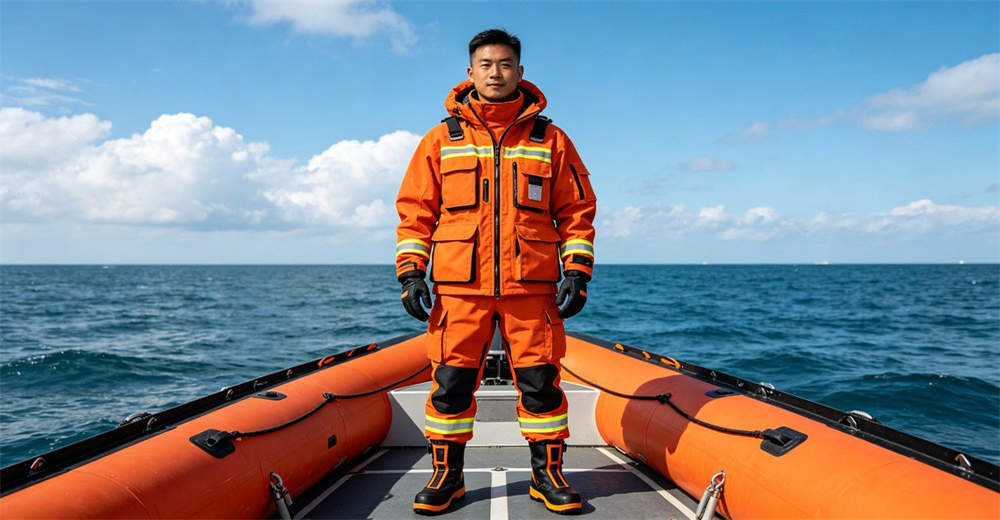
Maritime safety and harbor work: Saltwater exposure demands corrosion-resistant zippers and hardware. Crews and boat crews need a suit that survives spray, frequent donning, and quick exit, which the titanium-zipper dry suit handles well. Salvage divers and scientific diving teams choose our full-body diving suits for their proven reliability in deep water operations, with custom dry suit OEM options available for organizations requiring specific configurations.
Fire department technical rescue: Firefighters combine water rescue with rope and urban operations. They need high-visibility colors, reflective tape, and a suit that works under turnout gear and a harness, often in a mixed dry-and-wet fleet.
Military and civil defense training:
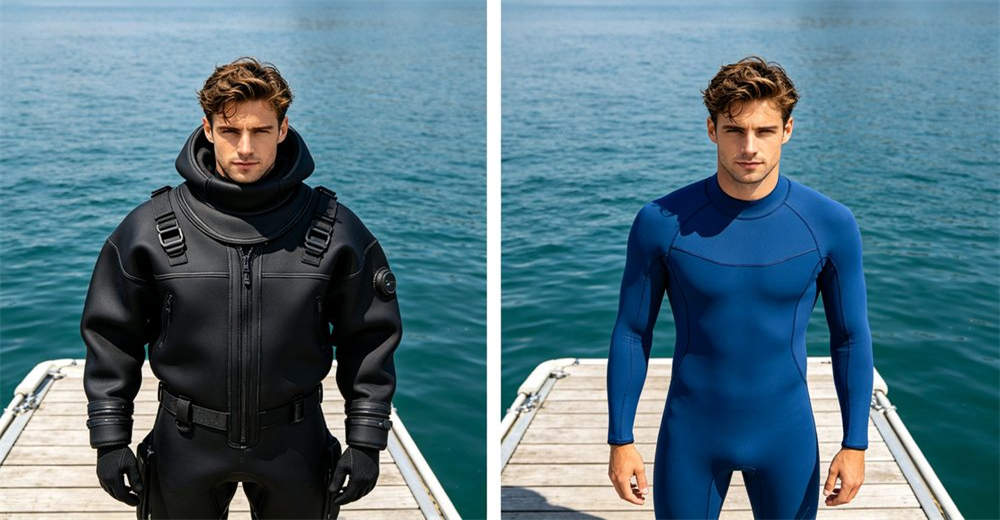
Understanding the fundamental difference between a dry suit and a wetsuit is the first step in a sound procurement decision.
Both protect the wearer from cold water, but they use opposite thermal physics: the dry suit keeps all water out and insulates with trapped air plus undergarments, while the wetsuit seals in a thin w
A dry suit creates a complete waterproof barrier between the wearer and the water. No water enters during normal use.
Thermal insulation comes from the air layer trapped inside the suit and from the undergarments worn beneath it. Because the wearer stays dry, a dry suit can be used in extreme
A wetsuit allows a thin layer of water to enter through the neck, wrists, and ankles. This water is warmed by the body and held in place by tight-fitting neoprene, creating a thermal buffer.
The thicker the neoprene, the more insulation it provides. Because the wearer stays wet, a wetsuit cannot match a dry suit in very cold water or long immersion.
eath it. Because the wearer stays dry, a dry suit can be used in extremely cold water by simply adding thicker insulation underneath.
Our product range includes neoprene dry suit models for cold water diving, membrane dry suit options for professional rescue, and semi dry suit designs that bridge the gap between full dry suits and traditional wetsuits.
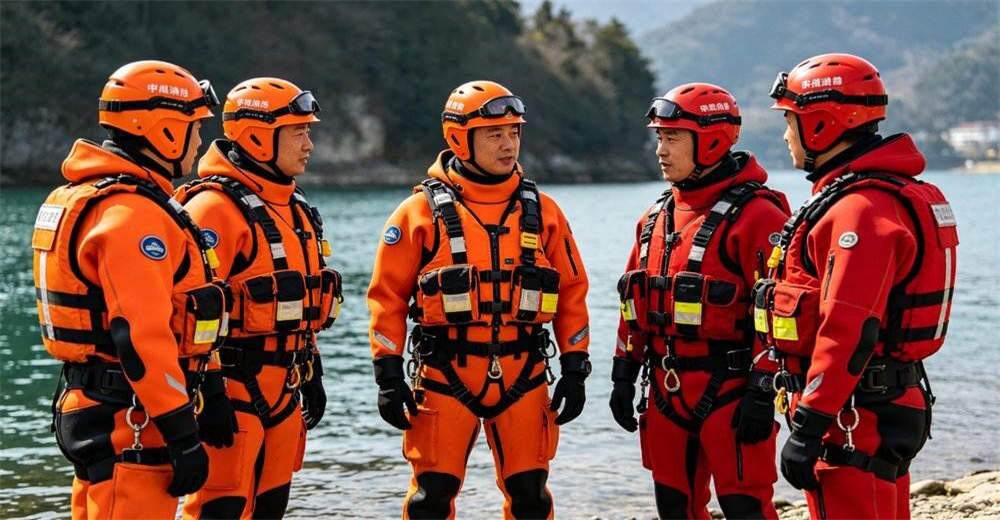
Understanding the fundamental difference between dry suits and wetsuits is the first step toward making the right procurement decision. Both protect the wearer from cold water, but they work in opposite ways: a dry suit completely blocks water and relies on trapped air plus undergarments for insulation; a wetsuit seals a thin layer of body-warmed water against the skin.
Dry suit: A dry suit creates a completely waterproof barrier between the wearer and the water, keeping water out during normal use. Insulation comes from the trapped air layer inside the suit and the undergarments worn beneath. Because the wearer stays dry, a dry suit can be used in near-freezing water by adding thicker undergarments.
Wetsuit: A wetsuit allows a thin layer of water to enter through the neck, wrists, and ankles. The body warms this water, and the close-fitting neoprene holds it against the skin as a thermal buffer. Thicker neoprene means better insulation. Because the wearer stays wet, a wetsuit cannot match a dry suit in near-freezing water or during prolonged immersion.
Dry Suit vs Wetsuit Comparison by Dimension
Dimension
Dry Suit
Wetsuit
Waterproofing
Complete waterproof barrier; no water entry
Allows a thin water layer; not waterproof
Insulation
Very high; adjustable via underlayers; usable below 10°C
Moderate; fixed by thickness; best above 10°C
Mobility
Lower; looser and stiffer, restricting movement
Higher; close-fitting and elastic against the body
Weight
Heavier (1.5-3 kg)
Lighter (0.8-2 kg)
Unit Cost
Higher (waterproof zipper and sealed seams add cost)
Lower (simpler construction)
Maintenance
More involved; zipper lubrication, seal checks, leak testing
Simpler; rinse with fresh water and dry
Suitable Water Temp
Below 15°C (ideal); layering adapts to any temperature
10-25°C (by thickness); not for ice water
Main Scenarios
Cold water rescue, flood response, ice rescue, surface operations, cold water diving
Recreational diving, surfing, warm water rescue, snorkeling, water sports
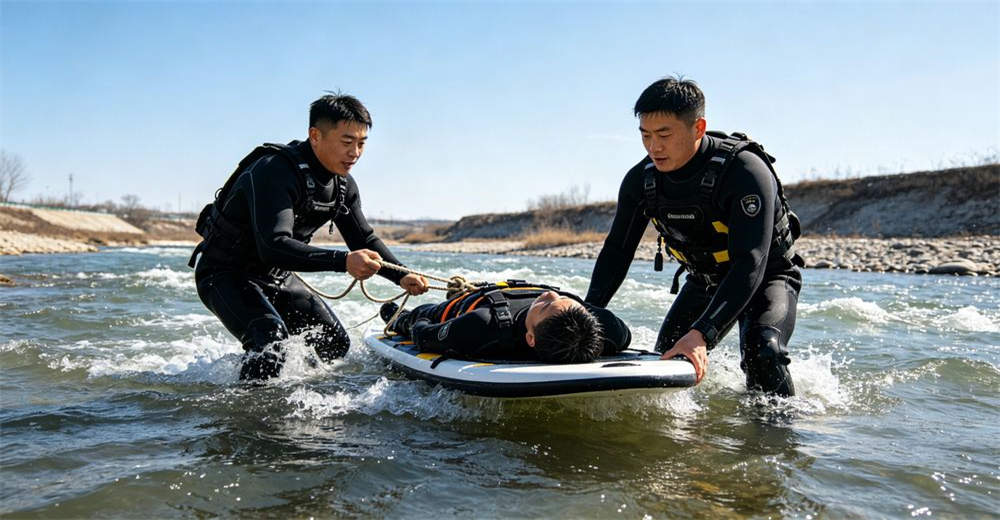
This side-by-side comparison highlights the trade-offs. When comparing cold water rescue gear, the two decisive rows are insulation and maintenance: a dry suit buys safety margin at the cost of zipper and seal upkeep, while a wetsuit buys simplicity at the cost of a colder water limit.
This certification table summarizes industry standards our commercial diving suit products meet, including CE and ISO requirements. Our CE certified dry suit line meets all required European safety standards. Our ISO certified wetsuit production process ensures consistent quality across every order.
|
Dimension |
Dry Suit |
Wetsuit |
|
Waterproofing |
Complete waterproof barrier; no water ingress |
Allows thin water layer inside; not waterproof |
|
Thermal Insulation |
Very high; adjustable via undergarments; works below 10 C |
Moderate; fixed by neoprene thickness; best above 10 C |
|
Flexibility / Mobility |
Lower; loose fit and stiff material restrict movement |
Higher; stretchy neoprene meets body |
|
Weight |
Heavier (1.5 to 3 kg depending on material and boots) |
Lighter (0.8 to 2 kg depending on thickness) |
|
Cost (Unit Price) |
Higher (waterproof zippers and sealed seams add cost) |
Lower (simpler construction) |
|
Maintenance |
More complex; zipper lubrication, seal inspection, leak testing |
Simpler; rinse with fresh water, air dry |
|
Applicable Water Temp |
Below 15 C (ideal); adaptable to any temp with layering |
10 to 25 C (depending on thickness); not for ice water |
|
Primary Use Scenarios |
Cold water rescue, flood response, ice rescue, surface work, cold water diving |
Recreational diving, surfing, warm water rescue, snorkeling, water sports |
This side-by-side comparison highlights the trade-offs. For buyers comparing cold water rescue gear, the decisive rows are thermal insulation and maintenance: a dry suit buys safety margin in exchange for zipper and seal upkeep.
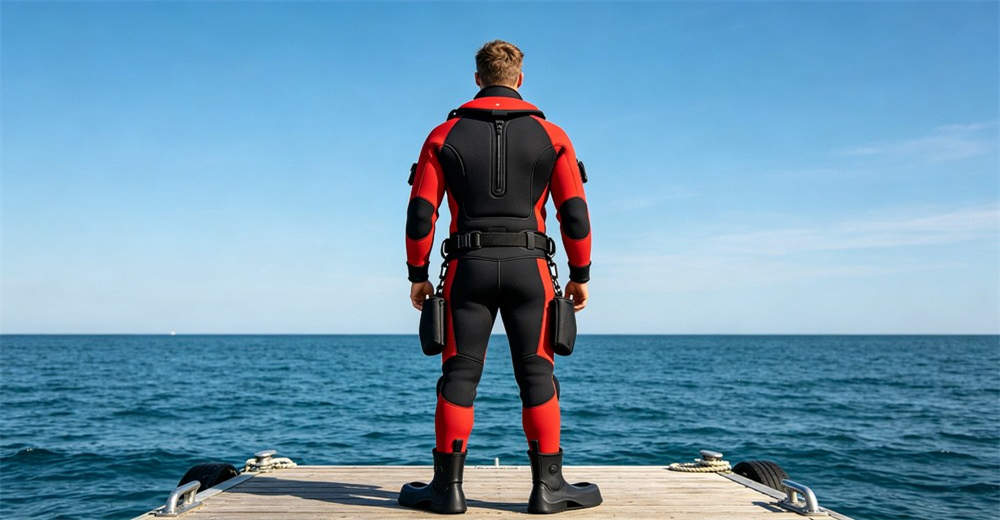
Choose a dry suit if:
Choose a wetsuit if:
Many professional rescue teams maintain both types: dry suits for cold water operations and wetsuits for warmer water or training. If you are outfitting a team for the first time and expect variable conditions, start with dry suits as the pri.
Not every team can afford dry suits for every member.
A practical compromise many buyers adopt is a mixed fleet: a smaller number of dry suits for the primary cold-water swimmers, and wetsuits for support staff, shore tenders, and warm-season training. This spreads the higher dry-suit cost across the team while still giving the highest-risk personnel the better protection.
n allows for quick donning in emergency situations, while back zip dry suit models offer enhanced waterproof integrity for extended commercial diving operations.
Not every team can afford dry suits for every member. A practical compromise many buyers adopt is a mixed fleet: a smaller number of dry suits for the primary cold-water swimmers, and wetsuits for support staff, shore tenders, and warm-season training. This spreads the higher dry-suit cost across the team while still giving the highest-risk personnel the better protection.
When you price a mixed fleet with a wholesale quote, the two families share size charts, carton packing, and inspection, which keeps logistics simple. As a supplier that builds both in the same facility, we can structure a mixed carton so each brigade receives the right ratio of dry suits to wetsuits for its operational plan rather than forcing a uniform choice.
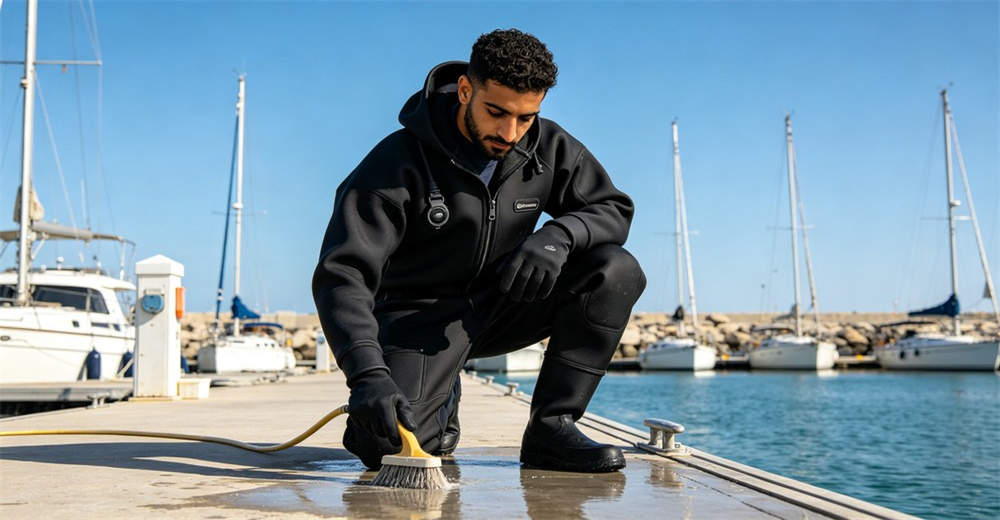
The YRF-DS01 dry rescue suit is our flagship water rescue drysuit. It uses a 3-layer trilaminate fabric (320T polyester outer + PU membrane + polyester lining) with a 20,000mm hydrostatic head and 7,000g/m2/24h breathability, both typical sample-test values. It pairs blind-stitched heat-taped seams, an 80cm titanium waterproof zipper, and replaceable latex neck and wrist seals for full waterproof protection.
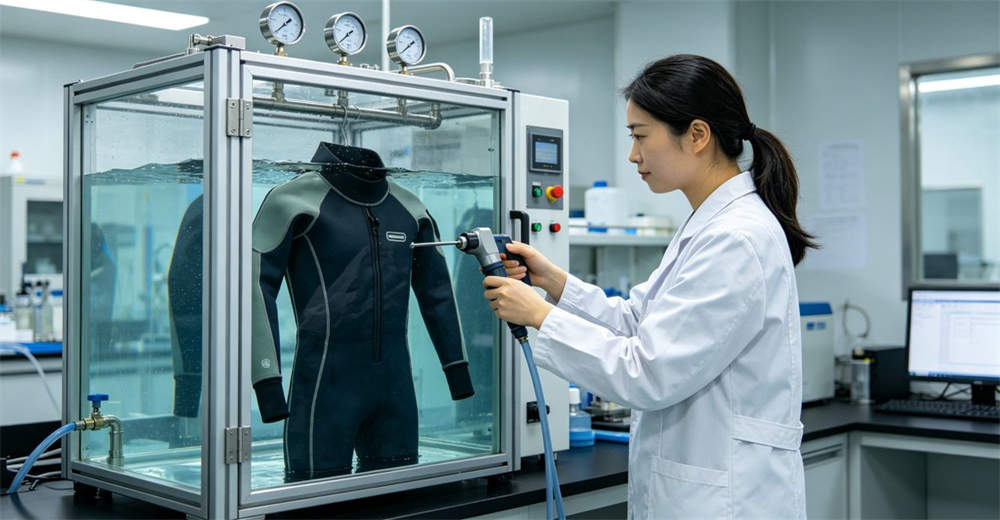
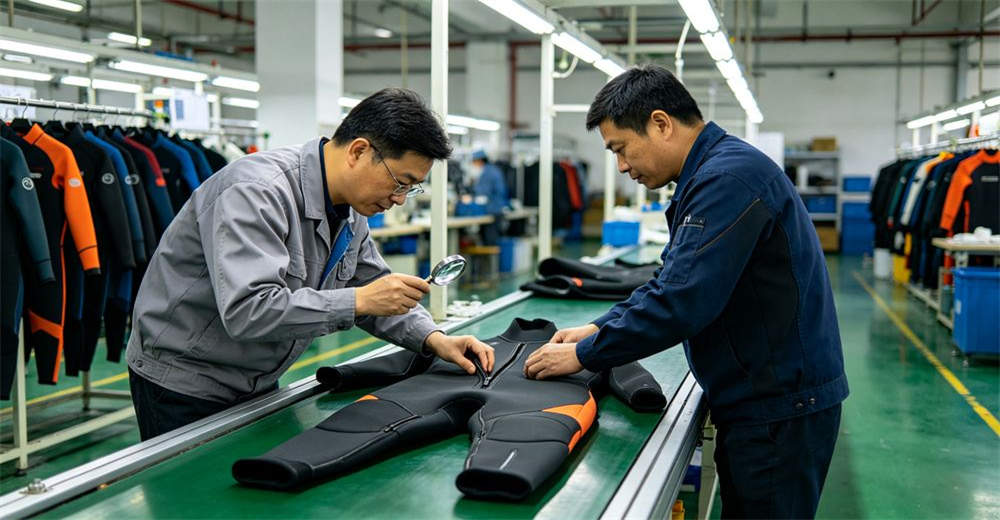
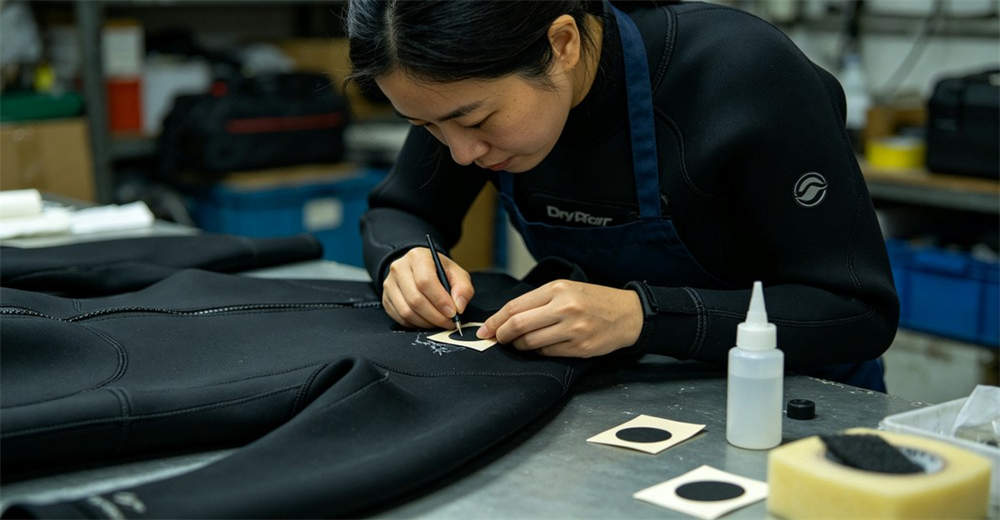
Having built immersion suits for two decades, our production team has refined the sealing techniques that prevent water ingress during extended rescue operations. Every suit passes an inflation leak test before it leaves the line, and we retain batch sample seams for tensile verification. This is the quality discipline expected of a professional water rescue dry suit supplier.
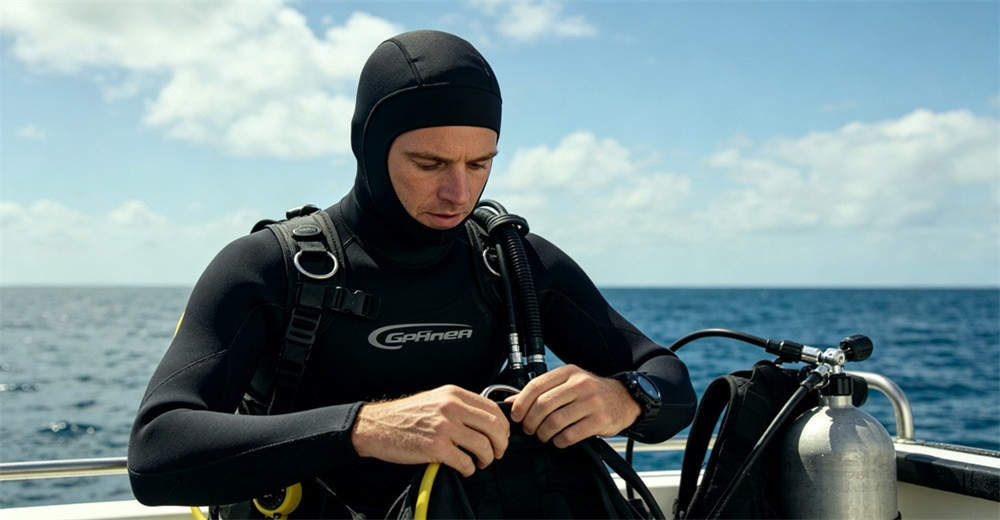
A dry suit operates on a simple principle: it creates an impermeable barrier between the wearer and the water. This barrier relies on three elements working together: the waterproof trilaminate fabric, sealed seams that never pierce the outer membrane, and waterproof closures at the neck, wrist, and boot openings.
Because no water enters, the trapped air acts as insulation and the wearer can add or remove thermal undergarments to adjust warmth. The same suit can run in near-freezing ice water with heavy fleece or in 20-degree water with a thin base layer. That adaptability is why a dry suit is the most versatile piece of cold water rescue gear a team can buy.
As a leading experienced dry suit facility in China, we equip every professional rescue dry suit with reinforced knee pad and elbow pad protection, ensuring durability in the most demanding ice rescue dry suit operations.
Long shifts test more than waterproofing. The internal suspenders and waist drawcord carry the suit comfortably over hours on a boat, while the loose shell avoids the constriction that makes a wetsuit tiring on the bank. For very long standby missions, a relief zipper option lets the wearer answer nature without fully removing the suit, a detail rescue crews value once they have lived through a 12-hour deployment.
As a trusted dry suit supplier for government agencies and rescue organizations worldwide, we provide professional rescue dry suit models that meet the demanding requirements of flood rescue, swift water operations, and cold water immersion scenarios.
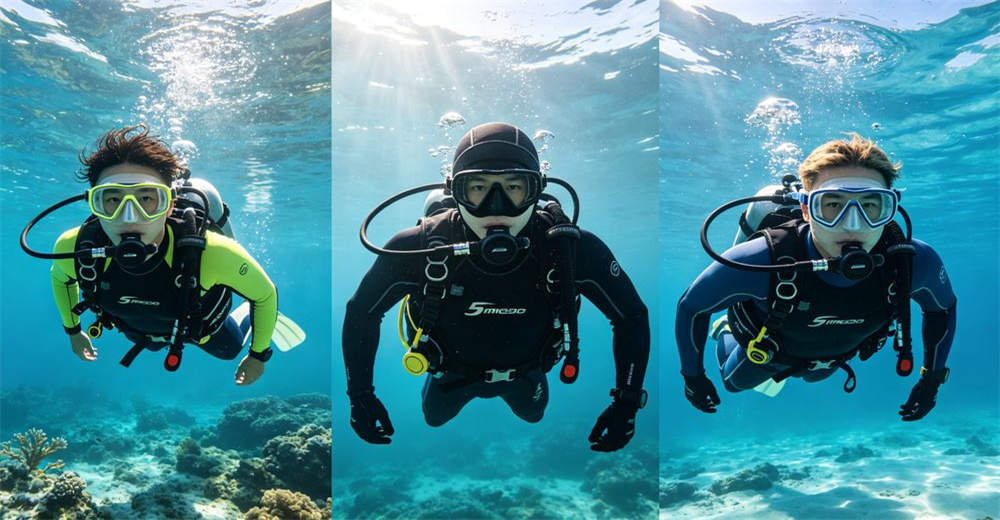
Not every dry suit needs the same spec sheet. We structure the YRF-DS01 platform in three tiers so buyers can match protection to mission without overpaying.
Entry-level (training and reserve): Standard 320T trilaminate, 80cm titanium zipper, latex seals, vulcanized boots, and one thigh pocket. This tier suits training pools, warm-season surface rescue, and government emergency reserve stockpiles where long shelf life matters more than extreme-cold capability.
Professional (frontline rescue): Adds SOLAS-grade reflective tape, stainless steel D-rings, a chest pocket, and 400D reinforcement at sleeves and calves. This is the workhorse for flood response and swiftwater teams who need visibility and tool attachment in dirty, debris-filled water.
Heavy-rescue (ice and extreme cold): Upgraded seal system compatible with dry-glove rings, a relief zipper option, and reinforced seat and knees for long shifts on boats and ice. This tier pairs with heavy one-piece undergarments for ice water rescue and winter flood operations.
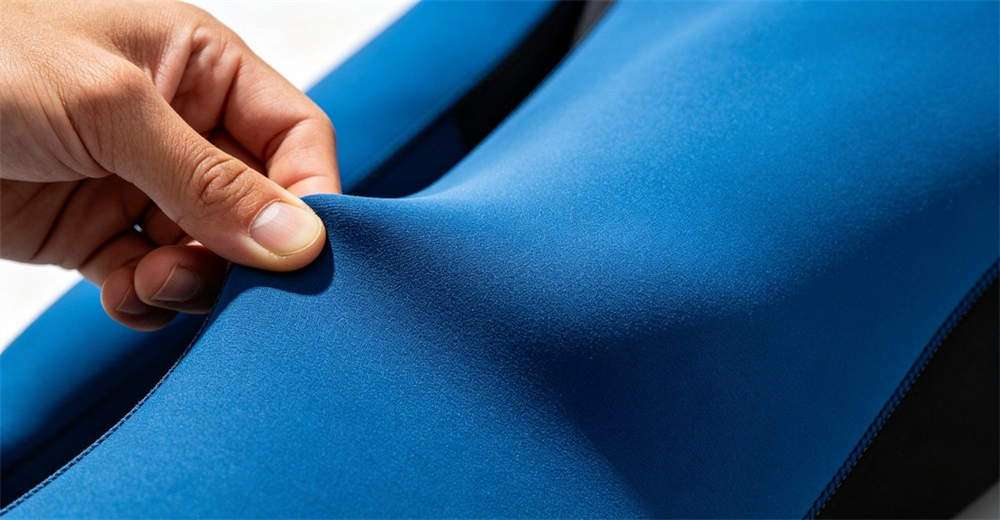
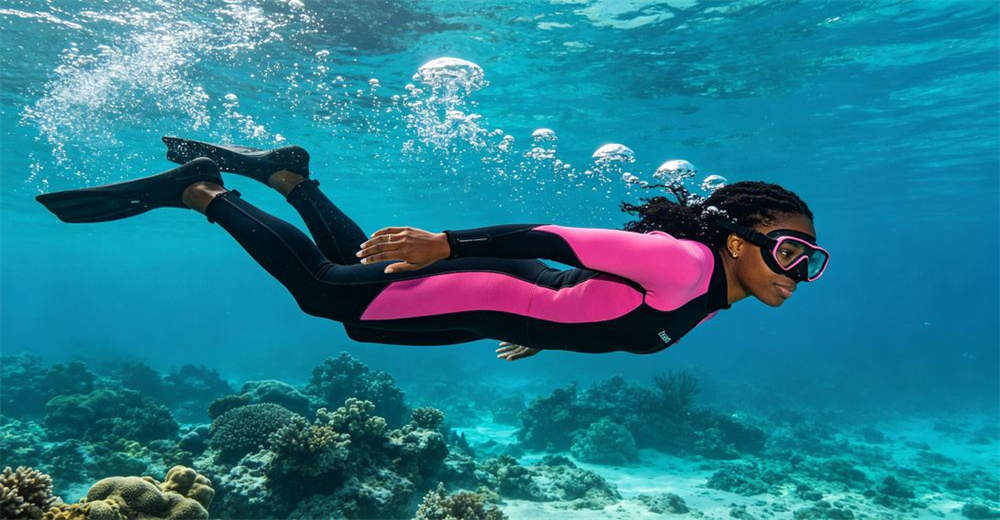
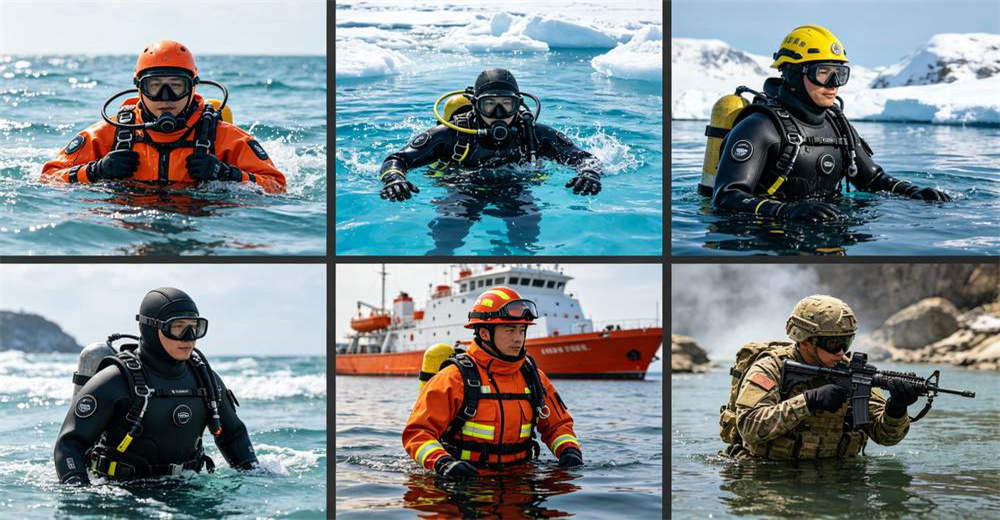
A single dry suit platform serves several high-risk missions. The seven scenarios below cover the applications our buyers specify most often, from urban flood rescue to military insertion.
Understanding the technical specifications and proper usage guidelines for professional diving equipment is essential for ensuring optimal performance, safety, and longevity of your investment in high-quality dry suits and wetsuits.
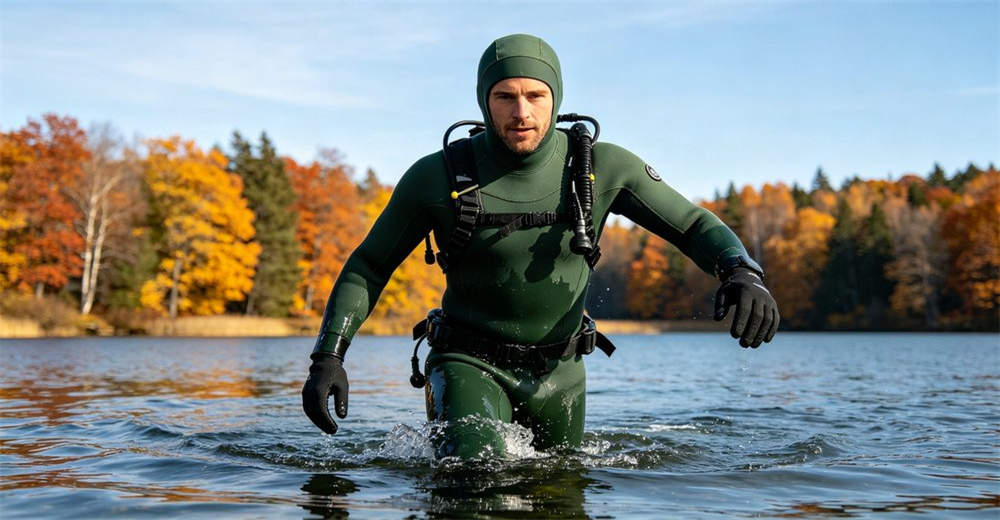
Government buyers run on tender specifications, audit trails, and shelf-life rotation rather than retail convenience. As an experienced experienced dry suit facility working with public agencies, we structure every bulk order so that it answers the three questions a tender evaluation panel asks: does it meet the declared waterproof and thermal standard, is the batch traceable, and can the agency reorder the same configuration years later.
For procurement officers, we provide a technical datasheet per model, batch numbering on every carton, and production photos during manufacture. Where the tender requires third-party verification, we coordinate SGS or Bureau Veritas inspection before shipment. We do not invent certificate numbers or claim a product is certified when only tested; this keeps your audit file clean and avoids the most common reason a government award is later overturned.
Bulk purchasing options are available for government agencies, rescue organizations, and dive centers seeking volume discounts.
Our cold water dry suit collection includes both neoprene and trilaminate constructions, allowing buyers to select the optimal material based on water temperature, mission duration, and budget considerations.
Bundling immersion suits with adjacent rescue PPE simplifies a tender. Many agencies buy a mixed carton of wholesale dry suits, rescue PFDs, and rescue helmets and gloves under one contract, which reduces receiving-inspection workload and gives a single traceable batch code. We can quote a mixed-program price when you share the bill of materials.
Water rescue dry suit China procurement officers consistently choose our products for their proven performance in flood rescue, swift water operations, and cold water immersion scenarios.
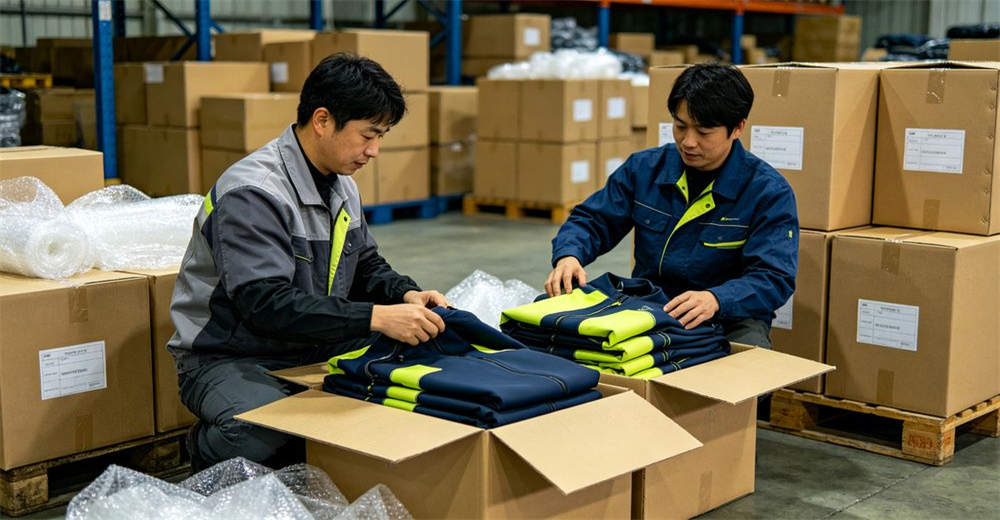
For teams ordering at government or institutional scale, the YRF-DS01 also supports emergency reserve configuration: vacuum-friendly folding, desiccant packaging, and batch-consistent sizing so stockpiles can be rotated predictably. As a China-based water rescue equipment supplier, we can align labeling and carton marks to tender requirements.
Match the tier to the coldest, longest mission your team may face, not to an average day, and you will never under-buy the suit that keeps a rescuer safe. When you ask for a wholesale quote, tell us that worst-case mission and we will recommend the tier rather than the cheapest option.
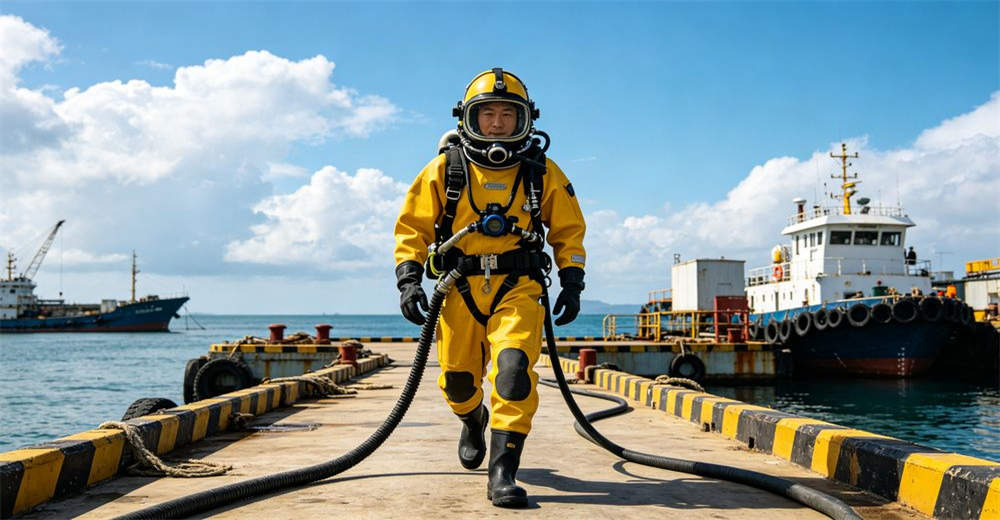
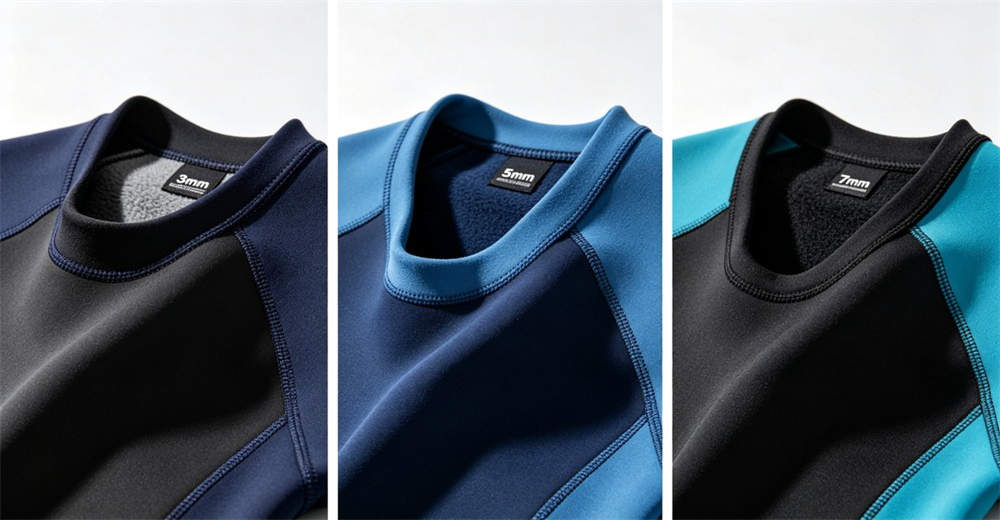
The YRF-WS03 neoprene wet rescue suit family is made from CR (chloroprene rubber) limestone-based neoprene in 3mm, 5mm, and 7mm thicknesses, with double-sided nylon jersey lining. It uses flatlock or glued-and-blind-stitched (GBS) seams and insulates through a trapped water layer, suiting water from 10 C to 25 C depending on thickness. As a specialist water rescue wetsuit supplier, we tune each thickness to a temperature band.
The key to wetsuit performance is fit. A wetsuit that is too loose lets cold water flush through and defeats insulation; one that is too tight restricts breathing and circulation. Our sizing charts and made-to-measure options help every wearer land on the fit that maximizes warmth without sacrificing movement.
As a specialized neoprene wetsuit facility, we use premium Japanese neoprene and limestone neoprene materials in our high-end commercial diving wetsuit line, ensuring superior stretch, durability, and thermal retention.
As a leading wetsuit supplier and wetsuit supplier, we supply one piece wetsuit designs in 3mm, 5mm, and 7mm thicknesses for recreational, commercial, and rescue applications.
Three-tier wetsuit positioning: The 3mm YRF-WS03 is the entry-level warm-water and training suit; the 5mm YRF-WS05 is the professional all-rounder for spring, autumn, and general rescue; the 7mm YRF-WS07 is the heavy-rescue cold-water option for winter operations and extended immersion. The 5/3 and 7/5 combinations balance warmth on the torso with freedom in the arms.
The packaging options table shows standard and custom configurations for wholesale rescue equipment distribution.
|
Parameter |
3mm Wetsuit |
5mm Wetsuit |
7mm Wetsuit |
|
Water Temperature Range |
20 to 25 C |
15 to 20 C |
10 to 15 C |
|
Thermal Insulation |
Light; short exposures in warm water |
Moderate; balanced for general rescue |
High; extended cold water immersion |
|
Flexibility |
Excellent; maximum range of motion |
Good; some shoulder restriction |
Moderate; noticeable restriction for fine tasks |
|
Weight (Size L) |
Approximately 0.8 kg |
Approximately 1.3 kg |
Approximately 1.8 kg |
|
Buoyancy |
Low; minimal additional flotation |
Moderate; noticeable positive buoyancy |
High; may require weight belt for diving |
|
Drying Time |
Fast (1 to 2 hours) |
Moderate (2 to 4 hours) |
Slow (4 to 8 hours) |
|
Typical Use |
Summer rescue, training, warm water diving |
Spring/fall rescue, general water rescue |
Winter rescue, cold water diving, extended immersion |
|
Cost |
Lower |
Moderate |
Higher |
Thickness directly sets both thermal protection and flexibility. The table above is the fastest way to match a neoprene wetsuit model to a seasonal temperature band. The rows below add the construction details buyers usually ask about on a wetsuit supplier quotation: entry style, seam type, knee protection, and branding options.
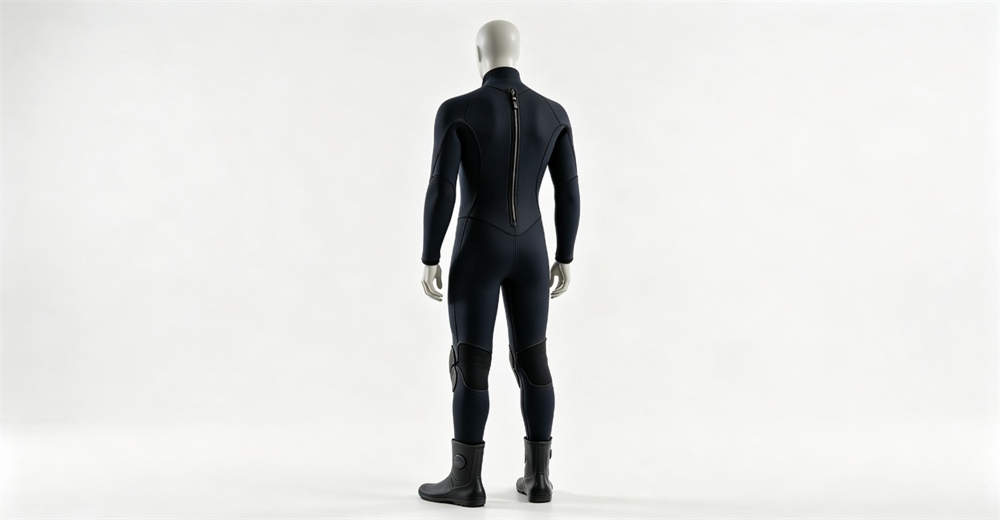
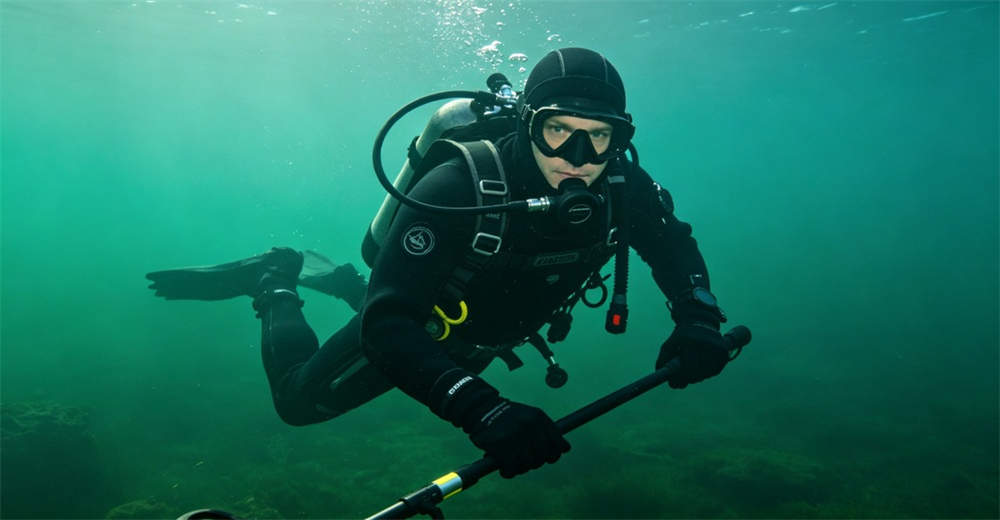
For fire and rescue services that combine wetsuits with head and hand protection, our rescue helmets and gloves complete the PPE layer. A 5mm wetsuit plus a rescue helmet and thermal gloves is a common frontline configuration for temperate-water swiftwater teams.
Our bulk production line ensures every dry suit meets the same rigorous standards regardless of order quantity.
Our wetsuit wholesale program offers dive shops and distributors competitive pricing on blind stitched and glued seams, with overlocked construction available for entry-level models to meet different budget requirements.
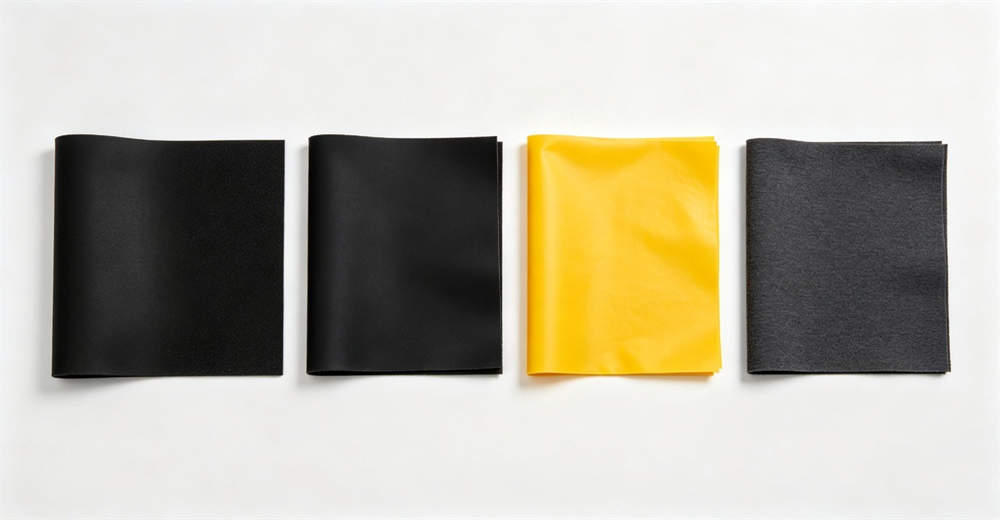
Beyond the three thickness tiers, our wetsuit program covers several sub-models so buyers are not forced to accept a one-spec suit. The variety keeps us competitive as a established wetsuit facility serving both rescue and recreational diving equipment buyers.
Bulk order customers benefit from dedicated project management and priority production scheduling.
Our full body diving suit range includes both neoprene and trilaminate options, with custom configurations available for commercial diving, scientific research, and military applications.
As a dedicated specialized wetsuit supplier, we run the neoprene bonding and cutting in-house. Every roll of CR neoprene is checked for density consistency and surface defects before it is cut, which matters because inconsistent foam thickness shows up as uneven warmth across a batch. This is the detail that separates a reliable neoprene wetsuit supply from a reseller who relabels off-cuts.
Wholesale wetsuits for dive shops include our popular 3mm, 5mm, and 7mm thickness options, with liquid seal wrist and neck closures available on professional models for enhanced water ingress prevention.
For distributors building a private-label diving equipment range, the wetsuit line is the natural starting point. We offer blank shells for custom branding, mixed cartons of 3mm, 5mm, and 7mm to balance a retail or training catalogue, and repeat wholesale pricing that holds across reorders. Buyers who also order dry suits from us can consolidate the two families under one shipping mark and one inspection lot.
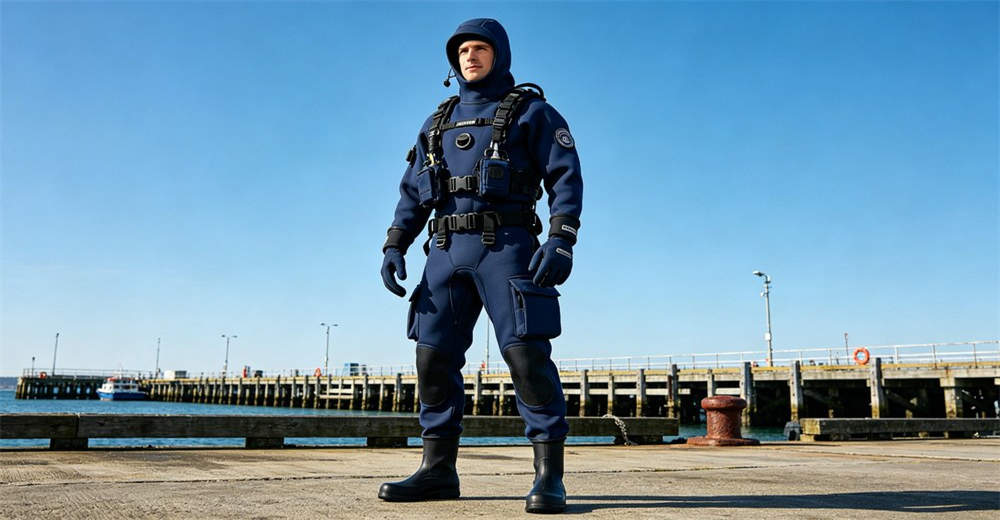
The YRF-DV01 full-body diving suit is purpose-built for underwater rescue operations, commercial diving, and search and recovery. Unlike a standard wetsuit, it integrates a hood, boots, and optional gloves into one piece, maximizing thermal protection and minimizing water entry at every joint. Public safety dive teams, police dive units, and military underwater operators rely on this suit as core underwater rescue gear.
Both the diving suit and the dry suit protect underwater use, but they work on different principles and suit different tasks. The dry suit keeps all water out and adds insulation through undergarments; the diving suit is a neoprene wetsuit variant that holds a controlled warmed water layer. At depth, neoprene compresses and loses insulation, while a dry suit's air layer can be replenished.
As part of a complete water rescue equipment package, the YRF-DV01 pairs naturally with our lifebuoys and throw bags for surface support. Dive teams typically stage a surface tender with a throw bag and PFD while the diver works below, so buying the surface and underwater gear from one supplier simplifies traceability.
Our diving suit supplier capabilities extend to custom full-body diving suits for commercial, military, and scientific applications, with bulk order discounts available for organizations requiring multiple units.
Public safety and commercial diving buyers treat the diving suit as one item in a larger underwater rescue gear set that also includes masks, fins, buoyancy control, and cutting tools. We focus on the garment itself, but we understand how the suit interfaces with that rig.
As a leading wholesale supplier of professional dry suits and wetsuits, we offer cost-effective rates for distributors and resellers worldwide.
Our full body diving suit collection includes one piece wetsuit designs for warmer waters and dry suit configurations for cold water operations, with SOLAS approved immersion suit models available for commercial vessel requirements.
For dive teams that also procure underwater search and rescue equipment, the YRF-DV01 fits the same procurement file as the rest of your dive kit. When you are ready to place a wholesale order, send us the water temperature band, headcount, and branding, and we will reply with a model recommendation and an indicative range.
Wholesale partners receive exclusive pricing tiers, marketing support, and flexible payment terms.
Offshore immersion suit models meet SOLAS and MED requirements for commercial vessels, with wholesale pricing available for ship chandlers and maritime supply companies.
The diagonal zipper must clear a buoyancy inflator hose, the D-rings must sit clear of a harness, and the attached gloves must not snag on a rescue bag. When you request a quotation, tell us the rest of your rig and we will confirm fitment before sampling.
Because demand for diving equipment comes from both recreation and public safety, we keep the YRF-DV01 platform flexible enough for private-label ODM branding. A dive school or distributor can order blank shells with its own logo, while a police dive unit can order tactical colors and reinforced pads. Either way, the GBS seams and integrated hood remain the constant that justifies the price.
The shell material is the single biggest factor in a rescue suit's waterproofing, durability, and cost. Understanding neoprene versus trilaminate helps procurement officers decide which family matches their operational temperature band and budget. This section compares the two shell fabrics and the nylon and polyester used as linings and outer layers.
This temperature guide helps water rescue ppe teams match suit thickness to expected flood rescue equipment conditions.
Material Comparison: Neoprene (CR) vs Trilaminate
|
Property |
Neoprene (CR) |
Trilaminate |
|
Thermal Insulation |
Excellent (gas bubbles trap heat); thickness-dependent |
Moderate (insulation from undergarments, not fabric itself) |
|
Durability / Abrasion |
Good; resistant to tears but can be punctured |
Very good; outer nylon layer resists abrasion |
|
Weight |
Moderate to heavy (0.8 to 2 kg depending on thickness) |
Light to moderate (1.5 to 2.5 kg with boots) |
|
Cost |
Moderate (higher for premium CR neoprene) |
Higher (membrane and taping add cost) |
|
Waterproofing |
Not waterproof (allows water layer); GBS seams reduce flushing |
Fully waterproof (PU membrane, 20,000mm hydrostatic head typical; 7,000g/m2/24h breathability typical) |
|
Flexibility |
Excellent (inherently stretchy) |
Moderate (stiff fabric, loose fit compensates) |
|
Breathability |
Low (neoprene does not breathe) |
Moderate to high (PU membranes allow vapor transfer) |
|
Compression at Depth |
Significant (neoprene compresses, loses insulation) |
Minimal (fabric does not compress; air layer maintained via inflation) |
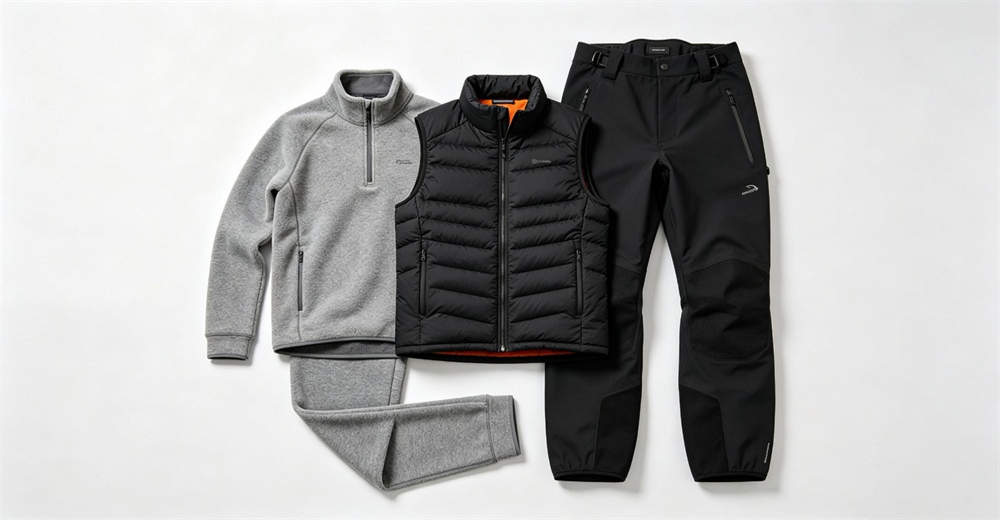
Neoprene and trilaminate are the two primary shells for professional immersion suits. Neoprene wins on built-in warmth and stretch; trilaminate wins on true waterproofing and depth stability. Nylon and polyester, used in linings and outer layers, are compared separately below because they affect feel, abrasion, and UV resistance rather than direct insulation.
The lead time table outlines standard production timelines for oem dry suit and odm dry suit orders.
|
Property |
Nylon |
Polyester |
|
Thermal Insulation |
Low (used as lining, not primary insulation) |
Low (used as lining or outer shell) |
|
Durability / Abrasion |
Good; strong and abrasion-resistant |
Very good; highly abrasion-resistant and UV-stable |
|
Weight |
Very light |
Very light |
|
Cost |
Low |
Low to moderate |
|
Waterproofing |
Not waterproof alone |
Not waterproof alone |
|
Flexibility |
Good (flexible weave) |
Good (flexible but less stretch than nylon) |
|
Breathability |
High |
High |
|
Compression at Depth |
Minimal |
Minimal |
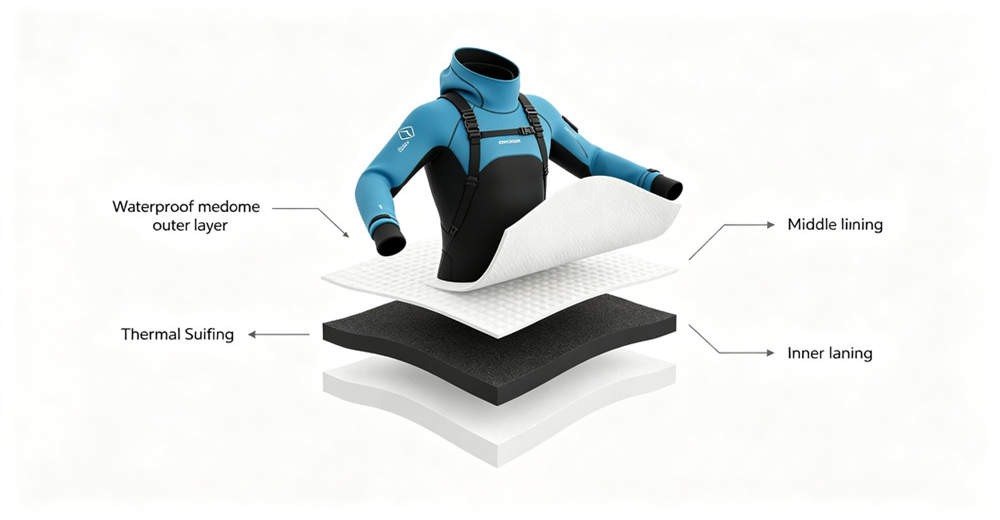
Our trilaminate dry suits use a sophisticated three-layer construction with nylon outer shell, breathable membrane, and polyester inner lining, while neoprene models incorporate elastane and spandex blends for enhanced stretch and comfort.
Best for: Wetsuits, diving suits, moderate water temperatures, applications needing high flexibility, teams on a moderate budget. Our neoprene wetsuit line is the volume heart of the facility, so we keep consistent mill rolls across batches for color and density repeatability.
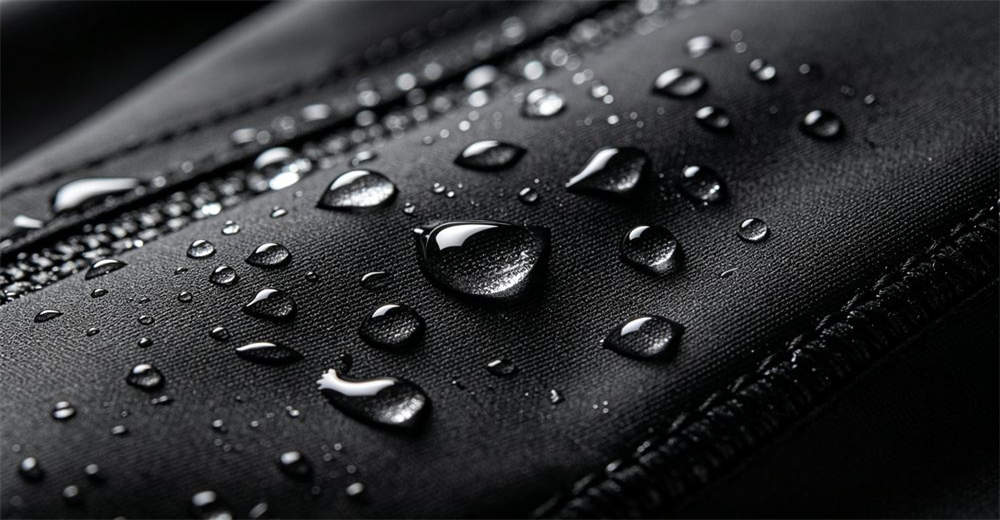
Trilaminate is the most common material for high-performance dry suits. It bonds an outer protective layer (typically 320T polyester or nylon), a middle waterproof and breathable PU membrane, and an inner comfort layer. The membrane is the critical component: it delivers roughly 20,000mm hydrostatic head and 7,000g/m2/24h breathability (typical), balancing waterproofing with vapor escape.
Best for: Dry suits, cold water rescue, extended immersion, adjustable-insulation applications, and professional rescue teams. High-stress areas are often reinforced with 400D nylon panels, which is exactly how our trilaminate dry suit is built at the sleeves and calves.
Our wholesale program includes private labeling, custom packaging, and dropshipping services for qualified partners.
Material selection directly impacts performance: limestone neoprene offers superior thermal efficiency compared to standard SBR neoprene, while Japanese neoprene is preferred for professional diving wetsuits requiring maximum flexibility.
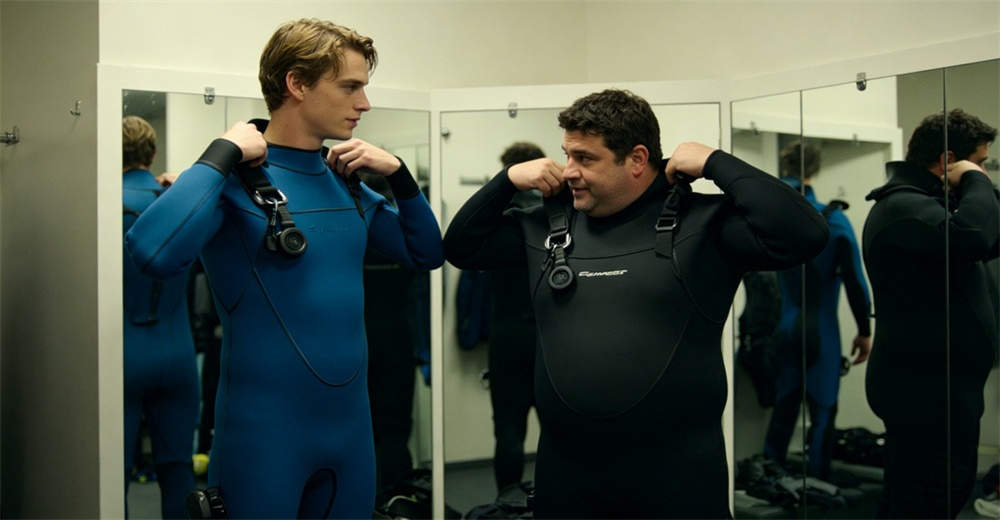
Nylon is used as lining and outer shell in both wetsuits and dry suits. In wetsuits, nylon jersey is bonded to both sides of the neoprene for durability, easier donning, and UV protection. In dry suits, nylon forms the trilaminate outer and inner layers and is valued for strength, abrasion resistance, and flexibility.
Established in 2008, we have grown into one of China's most trusted wholesale supplier of water rescue and diving equipment.
Because the shell decides most of a suit's performance, we source trilaminate and CR neoprene from qualified mills and hold incoming rolls to a density and thickness tolerance. For a trilaminate dry suit, the PU membrane is the component most likely to vary between mills, so we lock the membrane spec to one supplier and verify hydrostatic head on incoming batches.
Dip coating technology is applied to high-wear areas on our heavy-duty rescue suits, providing additional abrasion resistance beyond standard tape sealed and liquid seal construction methods.
For a neoprene wetsuit, foam density variation shows up as uneven stretch and warmth, so every roll is measured before cutting. This material discipline is what lets us quote repeat wholesale orders that match a first sample. A distributor ordering a second batch six months later receives the same hand and color, not a surprise substitute.
As a facility-direct supplier rather than a catalog reseller, we can show you the incoming-material test record for your own production run if your quality team needs it.
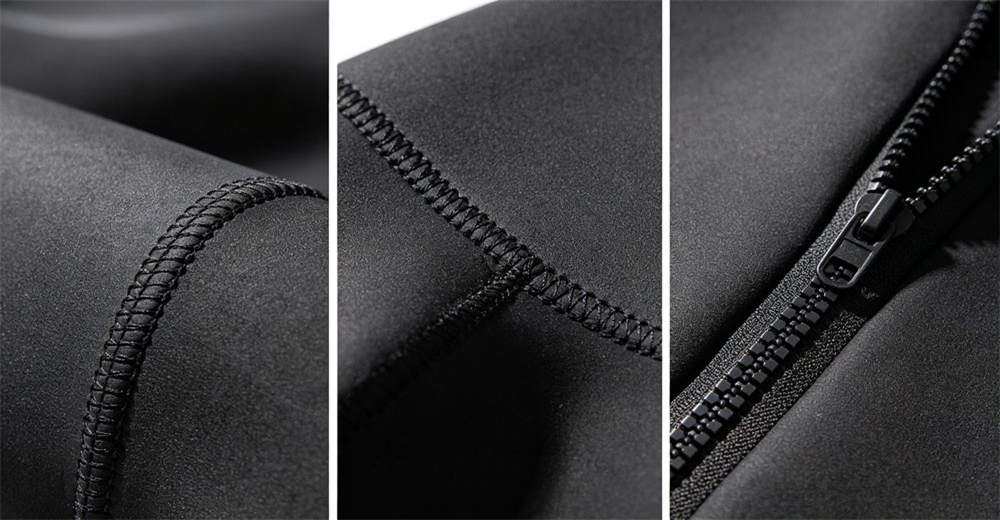
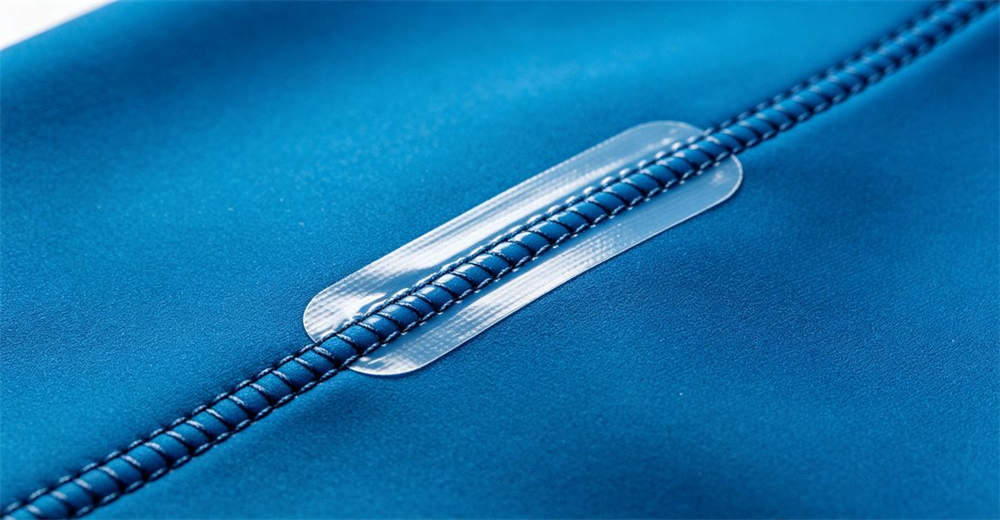
The seams and zippers are the most critical components of a dry suit. Even the best waterproof fabric fails if water enters through a seam or the zipper. As a dedicated water rescue dry suit supplier, we use advanced seam construction and premium waterproof zippers so every dry suit holds its waterproof integrity under operational conditions.
Blind stitching: Unlike a standard stitch that passes the needle fully through the fabric and creates a water-entry hole, a blind stitch uses a curved needle that penetrates only partway. It grabs the inner layers without piercing the outer membrane, eliminating needle holes as a leak path. Blind stitching is strong, flexible, and the foundation of waterproof seams.
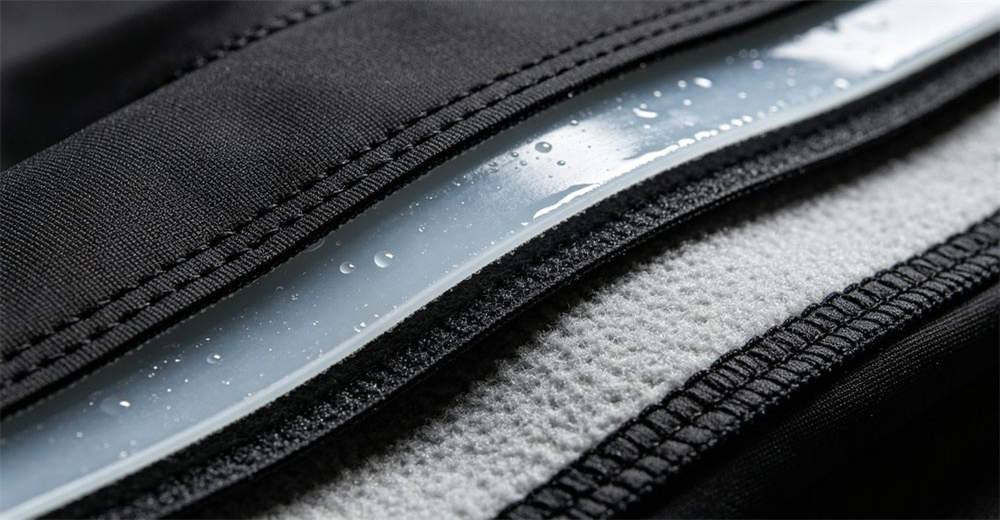
Heat-activated seam taping: After blind stitching, every seam is covered with a strip of heat-activated waterproof tape. A specialized hot-air welding machine melts the adhesive and bonds it to the fabric, covering the seam and any needle holes. We use 20mm tape on major seams and 12mm tape on curved seams to ensure full coverage without wrinkling.
Glued and blind-stitched (GBS) seams: In premium wetsuit and diving suit construction, fabric edges are first coated with neoprene cement and pressed, then blind-stitched through the glued joint. GBS seams are both strong and highly water-resistant, minimizing water flushing. They are the standard for high-end wetsuits and diving suits.
All our professional dry suits feature YKK zipper systems for reliable waterproof performance, with blind stitched and glued seams as standard on neoprene models and overlocked seams available on entry-level options.
Flatlock stitching: Flatlock is used in economy and mid-range wetsuits. Edges are overlapped and stitched with an overlocking stitch that lies flat and is comfortable on the skin. Because the needle passes fully through, flatlock is not water-resistant, so it suits warm-water wetsuits where flushing is not a thermal concern.
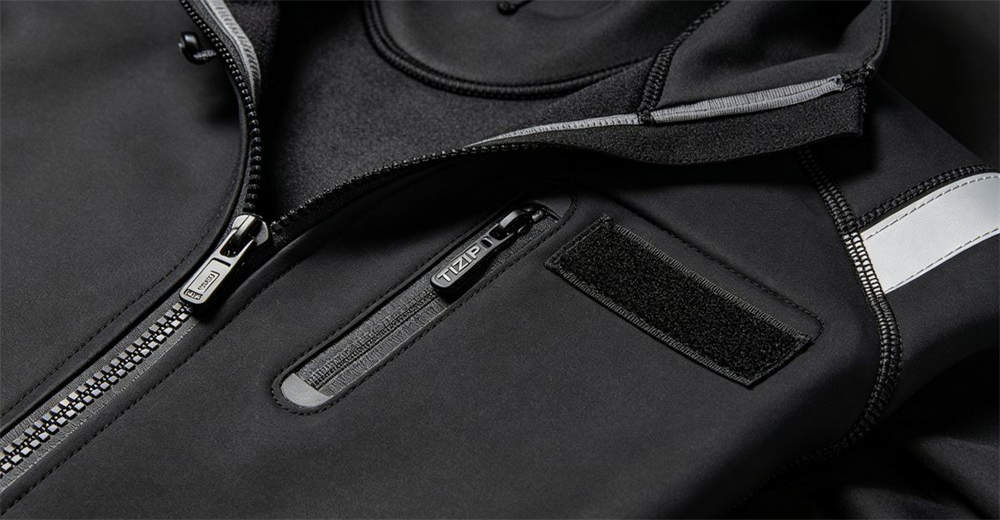
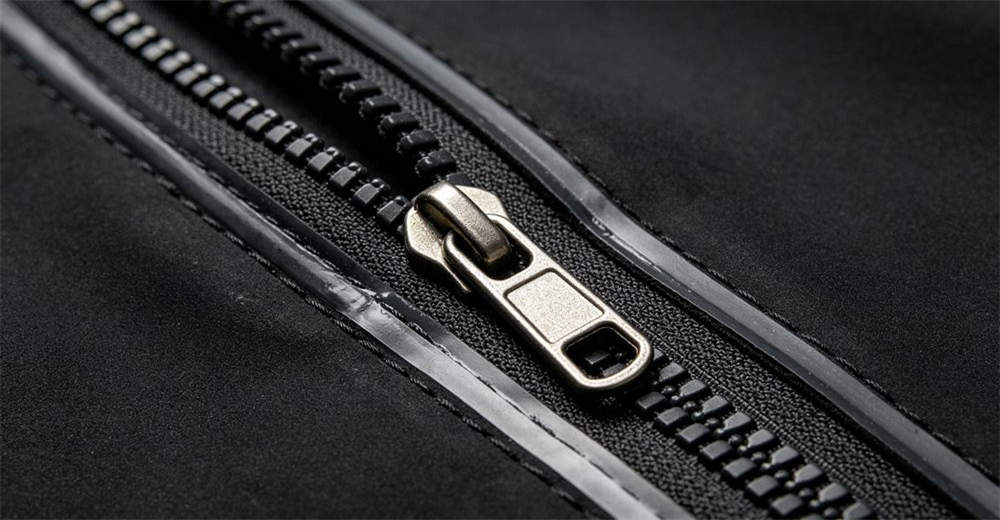
Titanium waterproof zippers: Our dry suits use titanium waterproof zippers, the highest standard in closure technology. Each tooth interlocks and compresses a rubber or silicone sealing element to form a watertight seal. The titanium coating resists corrosion after repeated saltwater exposure, and the zipper is rated for thousands of open-close cycles, which is why it is specified for professional rescue and military dry suits.
Zipper placement: Front-entry zippers are easier to operate solo and place less stress on the closure, though they require reaching across the chest. Back-entry zippers suit wetsuits and are easier to close with help, but the long closure wears faster. Our dry suits use a front-entry diagonal titanium zipper for the best balance of independence, waterproofing, and durability.
Every dry suit passes a rigorous test before shipment to verify waterproof integrity. The sequence below is the same one our QC team runs, and it is why we can stand behind a 20,000mm typical rating with confidence.
When a procurement team compares quotations, the seam and zipper story is where vendors diverge. Ask any candidate dry suit supplier three questions: do you blind-stitch and heat-tape every seam, do you run an inflation leak test on each finished suit, and can you show batch seam-pull records?
Our supplier direct pricing eliminates middlemen, ensuring the best value for bulk and wholesale customers.
Tape sealed seams are applied to all trilaminate dry suit models, with liquid seal reinforcement at critical stress points to ensure maximum waterproof integrity.
A real supplier answers with process detail; a reseller answers with a catalog photo. Those three answers separate the facility worth a bulk order from the middlemen who add margin without control.
The same logic applies to a wholesale wetsuit program. Request a mill certificate for the CR neoprene, a swatch, and a sample sewn from the same roll that will fill your order.
As a wetsuit supplier that bonds neoprene in-house, we provide all three, and we keep the production roll lot linked to your carton label so a later quality question is traceable to a specific batch. That traceability is the practical difference an OEM buyer should expect.
Cold water incapacitation can occur quickly even in mild temperatures, so proper insulation under a dry suit is as important as the suit itself. This guide pairs water temperature with the correct undergarment system and expected mission duration, turning cold water rescue gear selection into a repeatable drill.
This features comparison highlights differences between entry-level and navy diving suit configurations.
Temperature and Layering Reference Guide
|
Water Temperature |
Suit Type |
Undergarment / Layering |
Expected Duration |
|
0 to 5 C (Ice water) |
Dry suit (YRF-DS01) |
Heavy thermal base + thick fleece mid + insulated one-piece undergarment; neoprene hood; thick gloves |
Up to 30 to 45 min active; 60 min standby |
|
5 to 10 C (Very cold) |
Dry suit (YRF-DS01) |
Thermal base + medium fleece mid + insulated undergarment; hood; gloves |
Up to 45 to 60 min active; 90 min standby |
|
10 to 15 C (Cold) |
Dry suit or 7mm wetsuit |
Dry suit: thermal base + light fleece. Wetsuit: 7mm with hood and gloves |
Up to 60 min active; 2 hours standby |
|
15 to 20 C (Cool) |
5mm wetsuit or dry suit |
Wetsuit: 5mm, optional hood. Dry suit: light base layer only |
Up to 90 min active; 3 hours standby |
|
20 to 25 C (Mild) |
3mm wetsuit |
No undergarment; optional rash guard for UV protection |
Up to 2 hours active; extended standby |
|
Above 25 C (Warm) |
Shorty wetsuit or skin suit |
No insulation needed; UV protection is primary concern |
Extended use possible |
Layering strategy changes sharply with water temperature. The base layer must wick moisture without cotton, the mid layer provides warmth, and a one-piece insulated undergarment is added for extreme cold. Because up to 30 percent of body heat can escape through the head, a hood is essential for any cold water operation.
Choosing wetsuit thickness balances warmth against mobility. A too-thick suit overheats the wearer during hard work; a too-thin suit invites cold water incapacitation. Adjust the table for immersion duration, exertion level, air temperature.
Expert Tip
For flood rescue equipment and swift water rescue operations, always verify suit compatibility with team PPE systems including helmets, gloves, and footwear.
Thermal layering is critical for oil platform workers and wind farm technicians who may spend extended periods in cold water, with our undergarment systems designed to work seamlessly with both dry suit and immersion suit configurations.
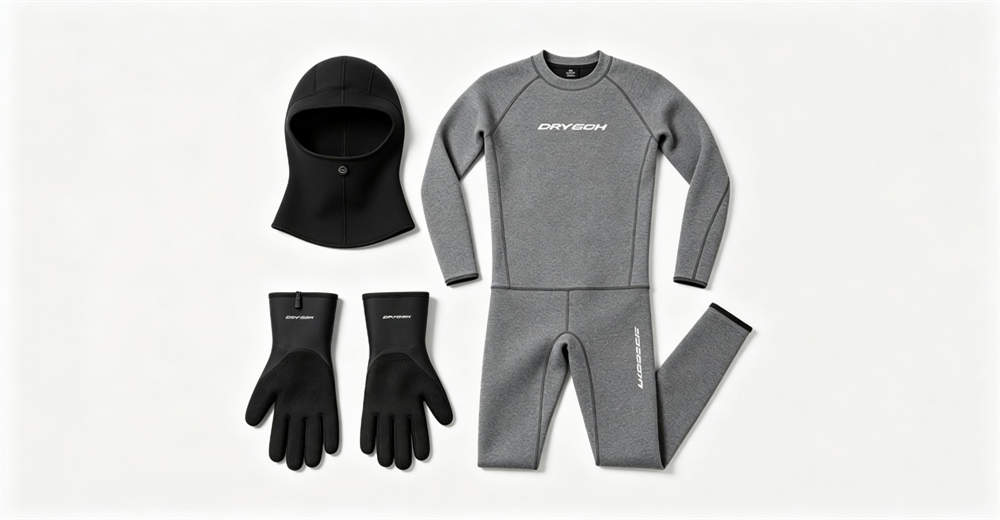
Base layer (next to skin): Choose moisture-wicking synthetic materials (polypropylene, polyester) or merino wool. These pull sweat away and keep insulating value when damp. Avoid cotton: it absorbs moisture, loses all insulation when wet, and accelerates heat loss.
Mid layer (insulation): Fleece, wool, or synthetic insulated garments provide primary warmth. Thin fleece suits 15 to 20 C water, medium fleece suits 10 to 15 C, and thick fleece or a one-piece undergarment suits water below 10 C.
Visiting our manufacturing facility is welcome—schedule a facility tour to see our production capabilities firsthand.
Our drysuit undergarment system is designed to work with all our dry suit models, providing modular thermal layering that can be adjusted based on water temperature and activity level, making it an essential component of any complete thermal layering system.
Accessories: A neoprene or fleece hood, neoprene or dry gloves, and neoprene socks complete the system. For post-rescue hypothermia management, pair immersion suits with our emergency thermal blankets and hypothermia treatment kits.
We work directly with raw material supplier to source the highest quality neoprene, trilaminate, and waterproof zippers.
Scientific diving teams and underwater inspection crews benefit from our modular layering system, allowing them to adjust insulation based on water temperature and expected dive duration.
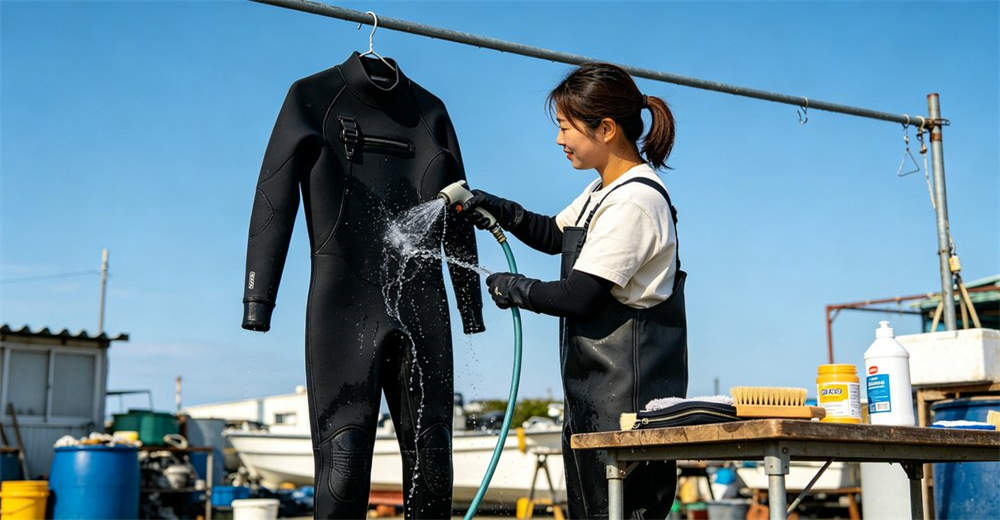
Even the best immersion suit cannot replace warm-up after exposure. Cold water rescue gear should be planned as a system: the suit protects during the mission, while post-exposure warming prevents delayed hypothermia. After a cold water rescue, remove the wet layers, dry the skin, wrap the victim and rescuer in a thermal blanket, and monitor core temperature. This is why we bundle immersion suits with our flood rescue kits rather than selling the suit as a standalone answer.
Expert Tip
For flood rescue equipment and swift water rescue operations, always verify suit compatibility with team PPE systems including helmets, gloves, and footwear.
For flood rescue equipment and swift water rescue operations, always verify suit compatibility with team PPE systems including helmets, gloves, and footwear.
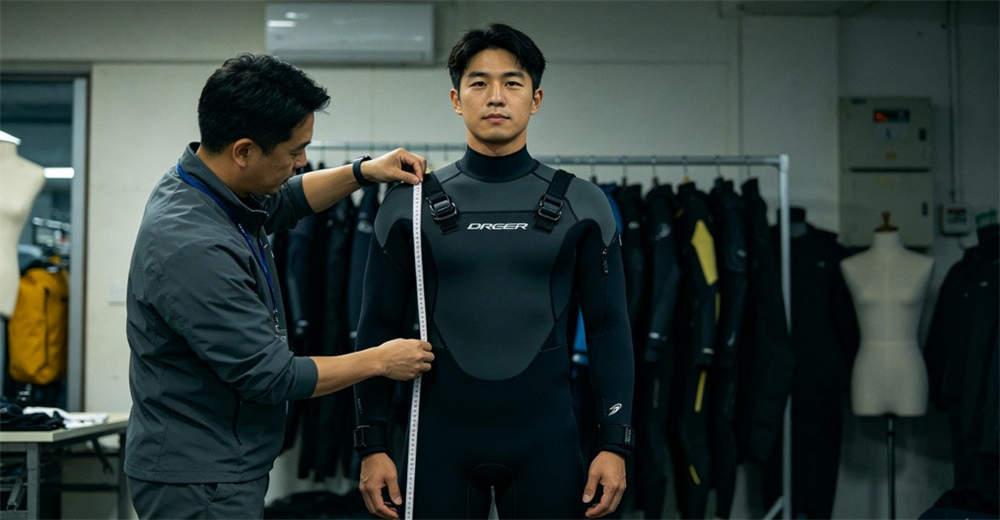
Proper fit is essential for both safety and performance in immersion suits. A poorly fitted dry suit can leak at the seals, restrict movement, or create dangerous buoyancy, while a poorly fitted wetsuit flushes water and loses insulation. This guide gives sizing charts and measurement steps so every wearer gets a watertight, comfortable fit.
The maintenance schedule provides recommended care intervals to extend the lifespan of military wetsuit and coast guard dry suit inventory.
Men's Size Chart — Height, Chest and Waist
Size
Height (cm)
Chest (cm)
Waist (cm)
XS
160 to 168
84 to 90
70 to 76
S
165 to 173
88 to 96
74 to 82
M
170 to 178
94 to 102
80 to 88
L
175 to 183
100 to 110
86 to 96
XL
180 to 188
106 to 116
92 to 102
XXL
185 to 193
112 to 124
98 to 110
XXXL
190 to 198
120 to 132
106 to 118
Men's Size Chart — Hip and Foot Size
|
Size |
Hip (cm) |
Foot (EU) |
|
XS |
86 to 92 |
38 to 40 |
|
S |
90 to 96 |
39 to 41 |
|
M |
94 to 100 |
41 to 43 |
|
L |
98 to 106 |
42 to 44 |
|
XL |
104 to 112 |
43 to 45 |
|
XXL |
110 to 118 |
45 to 47 |
|
XXXL |
116 to 126 |
46 to 48 |
Our immersion suit collection includes SOLAS-approved models for commercial shipping and offshore oil platforms.
Immersion suits are essential safety equipment for crew working in cold water environments where hypothermia risk is high.
For institutional buyers ordering wholesale for a squad, we can supply a size breakdown template and a measurement guide your staff can follow. Custom made-to-measure suits solve the problem of larger or smaller body types that fall outside the chart, and they are a standard OEM option for teams with known atypical proportions. Expect a small lead-time addition and a per-unit premium, well worth it to avoid seals that leak or wrists that bind.
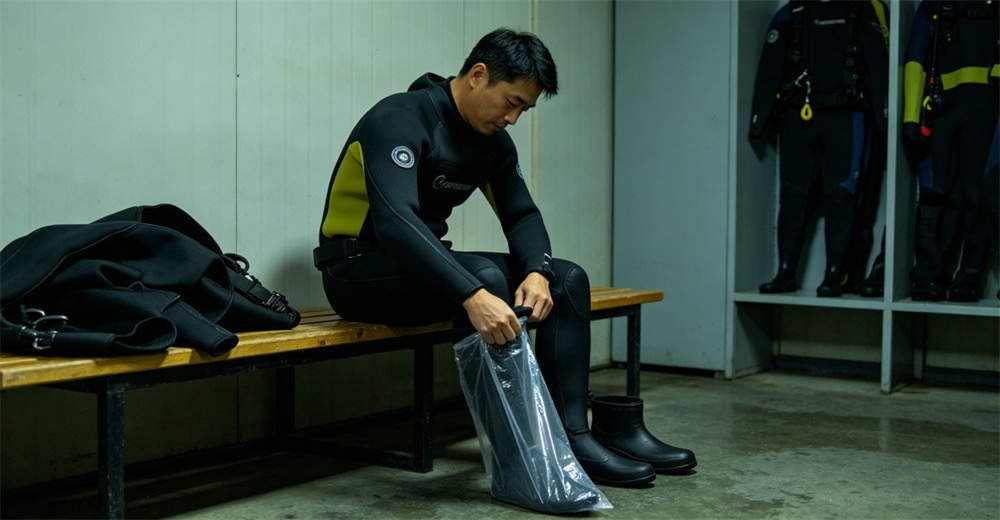
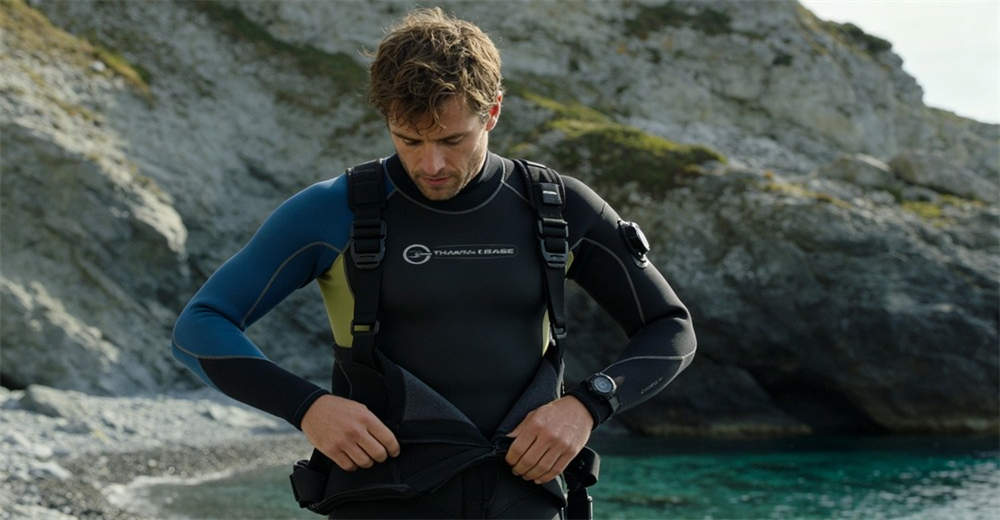
Improper donning can tear a seal, and poor maintenance shortens the life of the most expensive components. This step-by-step procedure protects both safety and investment. Follow it for every dry suit, whether a small volunteer team or a large government fleet that relies on immersion suits for standby readiness.
Zipper maintenance (every 5 to 10 uses or monthly): Clean the teeth with a soft brush and mild soap, then apply a thin layer of silicone zipper wax or beeswax. Open and close the zipper several times to spread the wax. Never use petroleum products such as Vaseline, which degrade zipper material over time.
Seal maintenance (monthly or every 10 uses): Inspect latex neck and wrist seals for cracking, peeling, stickiness, or lost elasticity. Dust them with talc or silicone protectant to prevent sticking. Replace any seal showing damage before the next use; replacement seals are available and install with standard tools.
Seam inspection (every 3 months or after an incident): Check taped seams for peeling, bubbling, or separation, especially at the crotch, underarms, and shoulders. Run an inflation leak test at least every six months. Repair failed seams immediately with a repair kit or send the suit to a qualified technician.
We offer both neoprene and foam immersion suits to meet different SOLAS and coast guard requirements.
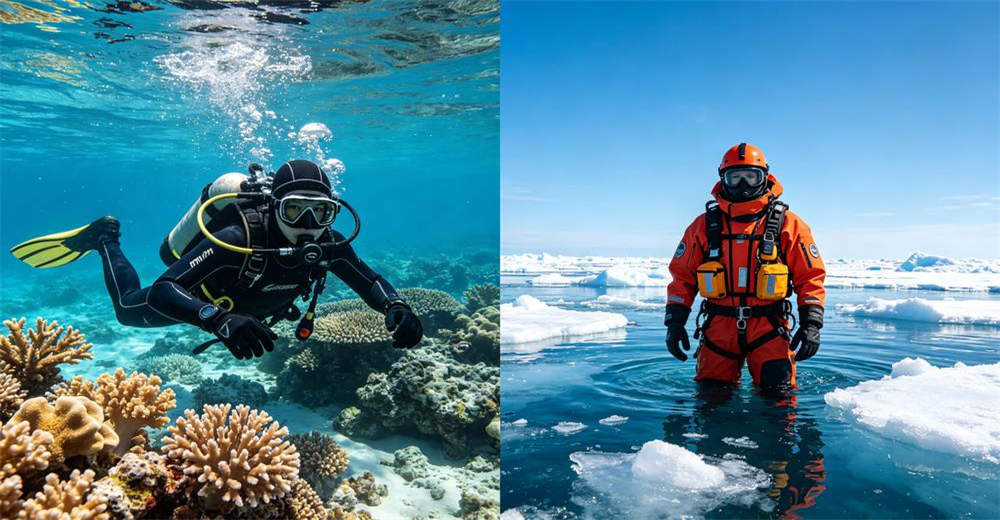
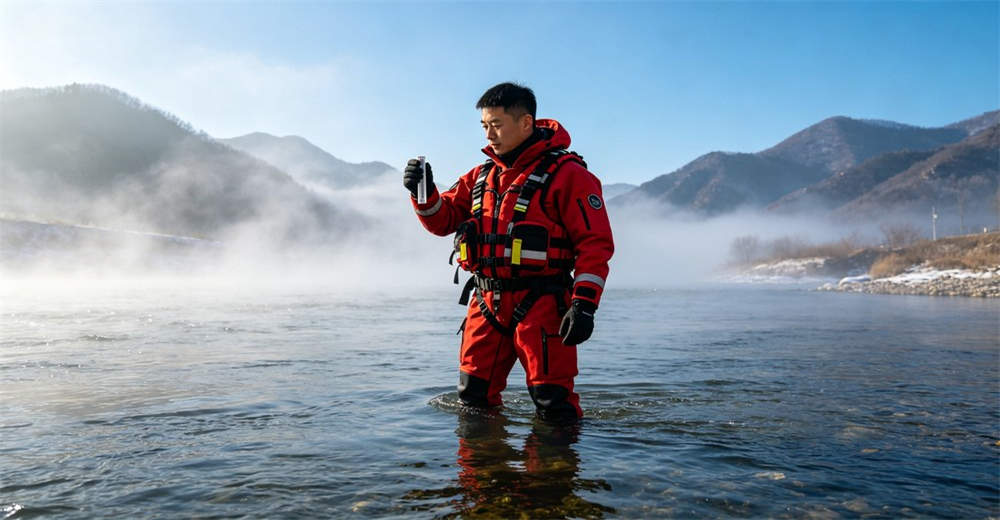
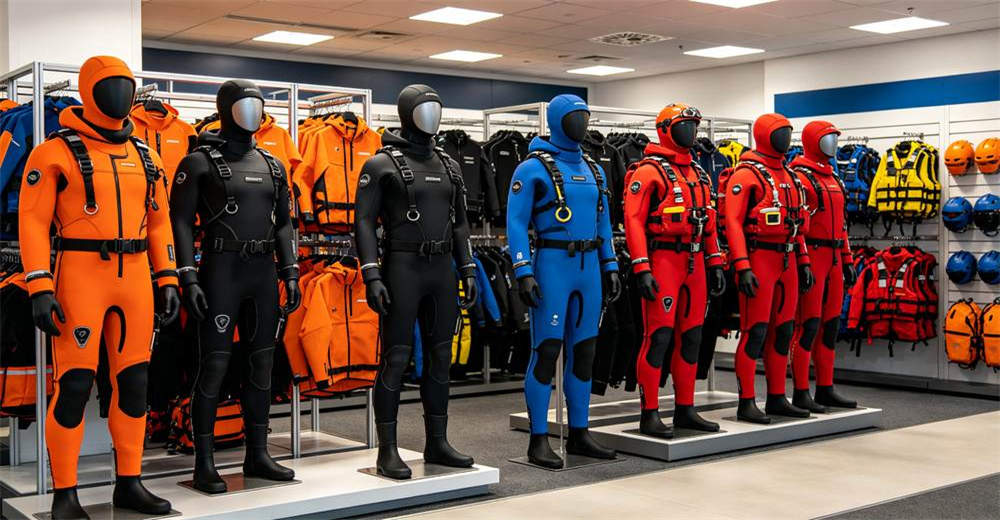
These visuals collectively demonstrate the comprehensive range of professional diving equipment we offer, from heavy-duty dry rescue suits for extreme conditions to versatile neoprene wetsuits for commercial and recreational applications.
Storage: Hang the suit on a wide padded hanger in a cool, dry, ventilated area away from sunlight, heat, ozone, and chemical fumes. Keep the zipper about 80 percent closed to reduce stress on the teeth. Do not fold tightly or stack heavy items on it, and ensure it is fully dry to prevent mold.
Immersion suit maintenance and inspection services are available to ensure ongoing compliance with maritime regulations.
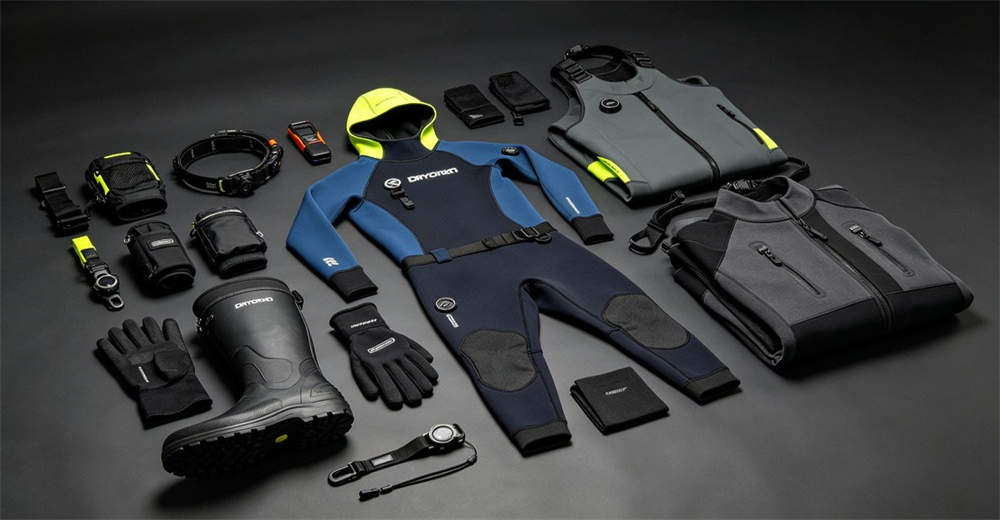
A complete immersion protection system needs more than the suit. Hoods, gloves, boots, and undergarments decide how much heat escapes through the head, hands, and feet. Selecting the right accessories for the operating environment keeps a team protected from head to toe without overheating the core.
Accessories are also where a private-label buyer can extend a brand. A matching hood, glove, and undergarment set in the same colorway sells as a system rather than loose parts, and it lifts the average order value for a distributor. We supply these as matched components under the same OEM program as the suits, so the branding, sizing, and packaging stay consistent across the kit.
The head is a major heat-loss area in cold water, sometimes up to 30 percent of total body heat loss. A properly fitting hood is essential for any cold water operation. The comparison below separates a simple neoprene hood from a dry hood that seals to the face.
Our accessory range includes reinforced knee pad and elbow pad covers that can be retrofitted to existing suits, along with replacement YKK zipper sliders, seal lubricant, and repair kits for field maintenance.
The warranty coverage table details what is included for search and rescue diver and commercial diver wetsuit equipment.
|
Parameter |
Neoprene Hood (5mm) |
Dry Hood (Neoprene with Seal) |
|
Material |
5mm CR neoprene with nylon lining |
5mm neoprene with latex or neoprene face seal |
|
Insulation |
Good; allows some water inside |
Excellent; keeps head and neck dry |
|
Attachment |
Pullover style, separate from suit |
Can attach to dry suit neck or wear separately |
|
Face Seal |
Soft neoprene edge, comfortable but not watertight |
Latex or neoprene seal, watertight when fitted |
|
Bib |
Short bib tucks inside suit neck |
Long bib overlaps suit neck for added protection |
|
Sizes |
S, M, L, XL (by head circumference) |
S, M, L, XL; custom seal sizes available |
|
Best For |
Wetsuit users, moderate temps, general diving |
Dry suit users, very cold water, long immersion |
Cold hands lose dexterity fast, making it hard to operate rescue equipment, tie knots, or assist victims. The right glove balances insulation with tactile sensitivity. The table below compares neoprene glove thickness against a dry-glove system that attaches to the wrist ring of a compatible dry suit.
All our immersion suits are tested in accordance with IMO MSC/Circ.1047 standards for thermal performance and buoyancy.
This scenario guide helps public safety diving suit teams select appropriate gear for different operational environments.
Glove Comparison: 3mm vs 5mm Neoprene vs Dry Gloves
|
Parameter |
3mm Neoprene Gloves |
5mm Neoprene Gloves |
Dry Gloves (System) |
|
Material |
3mm CR neoprene, textured palm |
5mm CR neoprene, reinforced palm |
Shell with waterproof liner |
|
Insulation |
Light; for mild water |
Moderate; for cold water |
High; hands stay completely dry |
|
Dexterity |
Excellent; full finger movement |
Good; some reduction in fine motor skills |
Moderate; bulk reduces dexterity |
|
Water Entry |
Allows water inside |
Allows water inside |
No water entry (attached to dry suit wrist ring) |
|
Palm Grip |
Textured neoprene or Kevlar overlay |
Reinforced Supratex or Kevlar palm |
Textured rubber or synthetic leather palm |
|
Best For |
Warm water rescue, training |
Cold water rescue, moderate immersion |
Very cold water, long immersion, dry suit users |
Foot protection matters on rocky, debris-covered, or slippery banks. Many dry suits and diving suits already ship with integrated boots, but wetsuit users often choose a separate boot. The table below compares the three boot options so buyers can match sole protection and insulation to the entry type their team uses.
Custom immersion suit branding and labeling is available for shipping companies requiring fleet-wide uniform equipment.
Spearfishing enthusiasts can add specialized knife pockets and D-ring attachments to our wetsuits, while commercial divers can configure tool pockets and lanyard attachment points for underwater welding and inspection tasks.
The accessories table shows compatible add-ons for diving gear and underwater diving suit systems.
Parameter
Neoprene Booties (5mm)
Hard-Sole Dive Boots
Integrated Vulcanized Boots
Material
5mm neoprene with soft sole
5mm neoprene upper + hard rubber sole
Vulcanized rubber, fully bonded to dry suit
Insulation
Moderate; allows water inside
Moderate; allows water inside
High; completely waterproof, no water entry
Sole Protection
Minimal; soft sole gives little protection
Good; hard sole protects against rocks
Excellent; thick rubber sole with aggressive tread
Traction
Low; smooth sole slips on wet banks
Moderate to good; textured sole grips
Excellent; deep tread for slippery surfaces
Use With
Wetsuits, inside dry suits without boots
Wetsuits, open-heel fins
Dry suits only (integrated at manufacture)
Best For
Warm water, beach entries, short walks
Rocky entries, boat diving, general rescue
Cold water rescue, flood response, debris
Undergarments are the primary insulation under a dry suit. The comparison below matches each undergarment weight to a water temperature band. As a water rescue equipment supplier, we can supply matching undergarments alongside the suits so a team receives a thermally consistent program rather than mixing third-party layers.
This quality control table outlines inspection procedures for scuba diving wetsuit and ice rescue equipment and cold water rescue suit configurations products.
Parameter
Base Layer (Light)
Mid Layer (Fleece)
One-Piece Undergarment (Heavy)
Material
Polypropylene or merino wool, lightweight
Polartec fleece or similar, medium weight
Synthetic insulated, heavy weight
Insulation Value
Low; mild conditions or high exertion
Moderate; general cold water use
High; very cold water or long immersion
Moisture Management
Excellent; wicks sweat away from skin
Good; keeps some insulation when damp
Moderate; may compress under high exertion
Coverage
Top and bottom (separate pieces)
Top and bottom or one-piece
Full-body one-piece with integrated feet
Best Water Temp
15 to 20 C with dry suit
10 to 15 C with dry suit
Below 10 C with dry suit
Key Note
Never use cotton as a base layer
Can layer over base layer for extra warmth
Worn over base layer for maximum insulation
Immersion suits used in professional rescue and diving are PPE subject to international standards for waterproofing, thermal insulation, buoyancy, visibility, and durability. As a China-based water rescue equipment supplier, our products are designed and tested to relevant standards. We deliberately say tested to rather than certified against, because formal certification depends on the laboratory, certification body, and exact configuration.
The comparison table below helps buyers evaluate swift water rescue and white water rescue suit options.
Standard
Full Name
Applicable Product
Key Requirements
ISO 12402
Personal Flotation Devices (Parts 1-9)
PFDs worn over immersion suits
Buoyancy, labeling, and material requirements for PFDs
CE (PPE Regulation 2016/425)
Conformite Europeenne - Personal Protective Equipment
Dry suits, wetsuits, diving suits (as PPE)
Health and safety, risk assessment, conformity assessment for PPE sold in the EU
MED (Marine Equipment Directive 2014/90/EU)
Marine Equipment Directive
Immersion suits for marine use
Performance for marine equipment on EU-flagged vessels, including immersion suits
SOLAS
Safety of Life at Sea Convention
Immersion suits for shipboard use
Thermal protection, buoyancy, and visibility for shipboard immersion suits
ISO 9001
Quality Management System
Manufacturing process (facility level)
Process control, traceability, and continuous improvement in production
ISO 15006
Diving Equipment - Diving Suits
Diving suits (wetsuits and dry suits for diving)
Requirements and test methods for thermal insulation, material strength, and seam performance
EN 14225-1
Diving Suits - Part 1: Wetsuits
Neoprene wetsuits for diving
Thermal performance, sizing, and labeling for diving wetsuits
EN 14225-2
Diving Suits - Part 2: Dry Suits
Dry suits for diving
Waterproofing, thermal performance, and safety features for diving dry suits
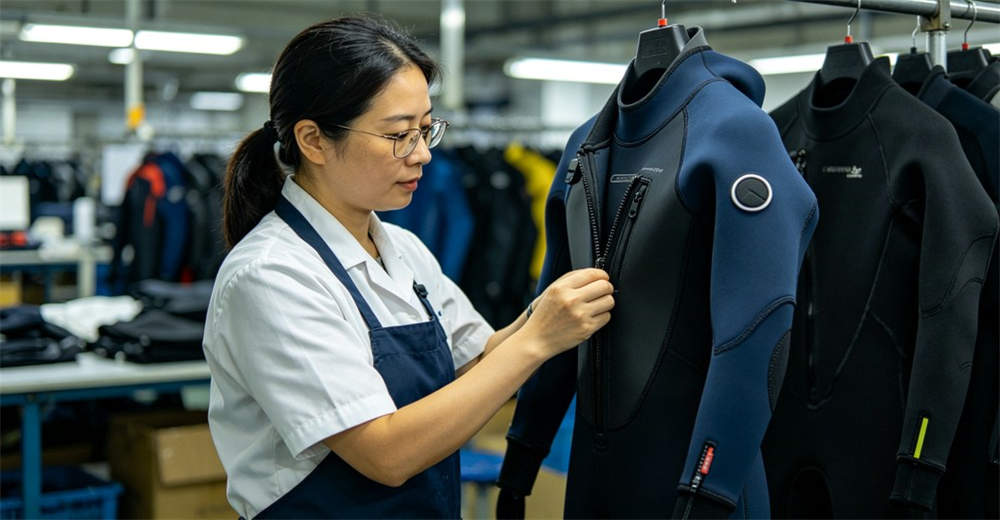
Third-party inspection by SGS or Bureau Veritas can be arranged before shipment at the buyer's request. We do not print certification numbers on this page because they are configuration-specific; instead, we confirm report availability at inquiry. This honesty protects both the buyer and our reputation as a reliable water rescue dry suit supplier.
Buyers often ask how ISO 9001, CE, and SGS actually relate to a suit they can wear. ISO 9001 is a facility-level quality management system: it governs how incoming material is inspected, how batch records are kept, and how a repeat order reproduces the same spec. It is not a product safety claim by itself, but it is the reason a bulk order stays consistent across hundreds of pieces.
Our premium trilaminate dry suits feature highly breathable membranes that allow moisture vapor to escape while keeping water out.
Our SOLAS approved immersion suit models meet all relevant international maritime safety standards, with regular third-party audits ensuring ongoing compliance and product quality consistency.
Breathable fabric technology reduces sweat buildup during extended wear, making our dry suits more comfortable for long rescue operations.
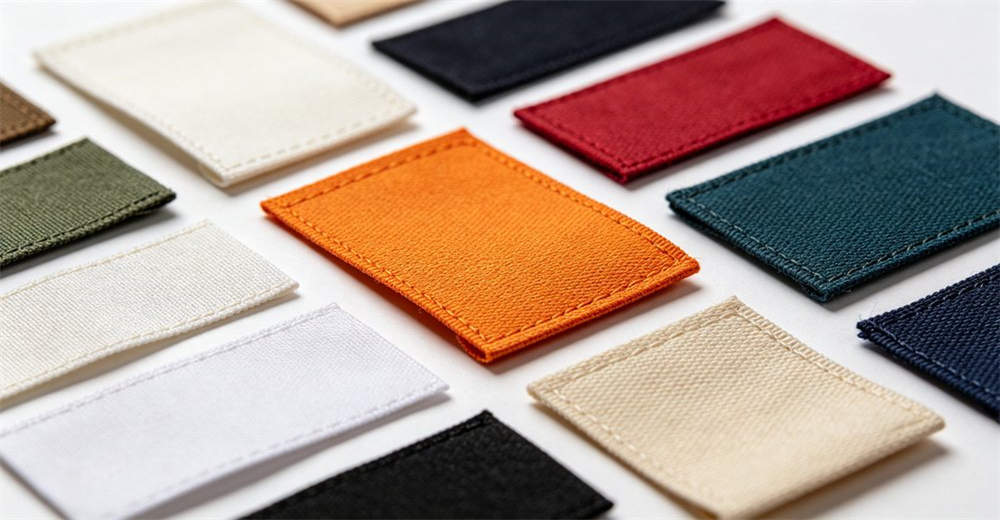
The figures below are typical sample-test values from controlled laboratory conditions, not guaranteed performance for every unit. They exist to give buyers a realistic baseline for comparison against competitor datasheets.
These typical figures exist to give you a realistic comparison baseline. They are not performance guarantees for every unit, and field performance still depends on correct fit, seal condition, and undergarment layering. When a tender demands a certified number rather than a typical value, we arrange third-party testing and attach the actual report to that shipment, so you always know exactly what you are receiving.
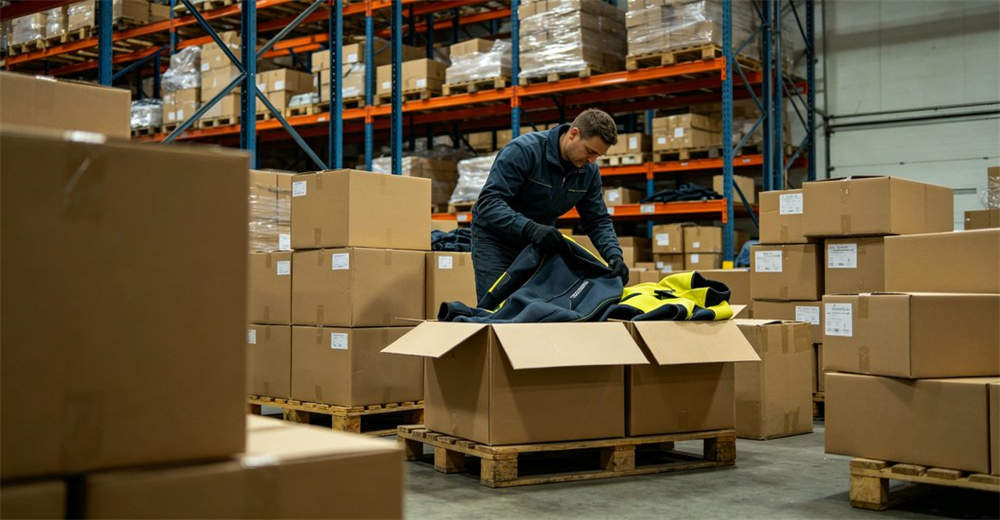
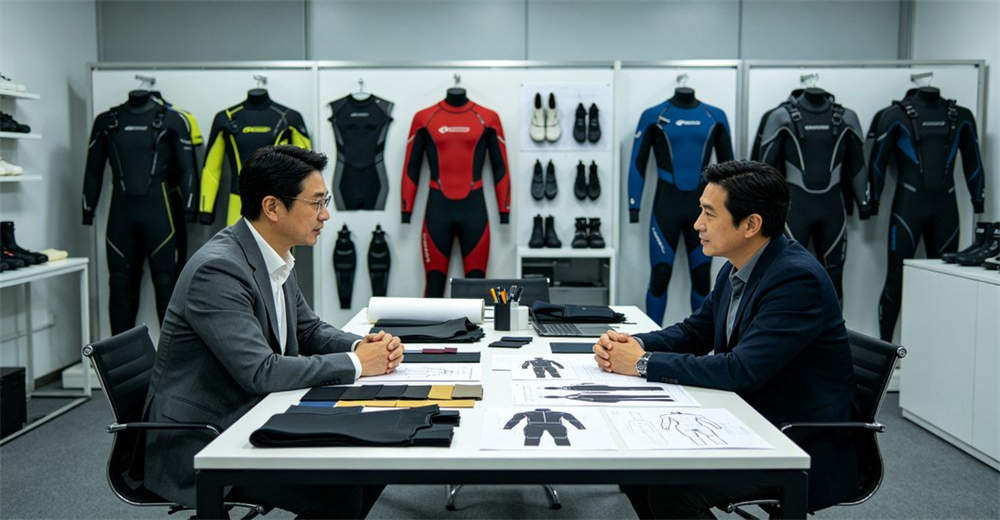
YRF Textile offers comprehensive OEM and ODM services for dry suits, wetsuits, and diving suits. Whether you need a small custom run with your organization's logo or a large-volume program with fully customized design, materials, and packaging, our manufacturing team accommodates your requirements. As a vertically integrated professional dry suit supplier, we control cutting, bonding, taping, assembly, and QC in-house rather than subcontracting.
The table below lists the customization categories buyers request most often. Every option is subject to contract and minimum order quantity. For a private-label brand, we can also develop colorways, hang tags, and user manuals so the final carton arrives ready for distribution under your own name.
Our custom dry suit OEM program includes private label options, allowing distributors and retailers to brand products with their own logos, tags, and packaging specifications.
This technical data sheet provides detailed specifications for our flagship dry suit model.
Available Customization Options Summary
|
Customization Category |
Available Options |
Application Method |
Notes |
|
Color |
Standard orange, yellow, black, red, navy; custom Pantone subject to availability |
Material dyed or coated at production |
Custom colors may require higher MOQ and longer lead time; two-tone combinations available |
|
Logo / Branding |
Organization logo, unit insignia, text labels, reflective logos |
Silkscreen, embossed, rubber patch, woven label, heat transfer |
Placement on chest, arm, back, thigh; vector artwork recommended |
|
Sizing |
Standard XS to XXXL; custom individual sizing; children's sizes |
Made-to-measure pattern adjustment |
Custom sizing needs individual measurements; children's sizes by custom order |
|
Material |
Neoprene grade and thickness, trilaminate membrane type, outer shell, lining |
Material substitution at production |
Material changes affect performance, weight, and cost; technical consultation recommended |
|
Hardware |
Zipper type and placement, D-rings, pockets, buckles, reflective tape grade |
Component substitution at production |
Hardware changes affect durability, waterproofing, and cost |
|
Features |
Integrated hood, attached gloves, integrated boots, pockets, suspenders, relief zipper |
Design modification at production |
Feature additions may need pattern changes and prototype development |
|
Packaging |
Polybag, custom printed bag, hang tag, product label, manual, export carton printing |
Custom packaging production |
Print-ready artwork required; minimum quantities may apply |
|
Labeling |
Care label, size label, country of origin, warning, specification label |
Woven or printed label sewn into suit |
Country of origin labeled as China; multilingual labels available |
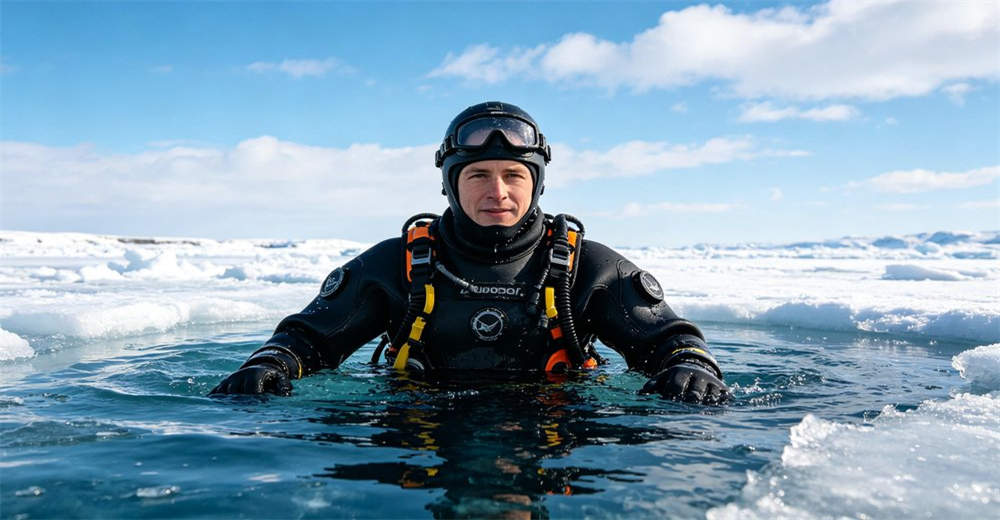
Our process runs from inquiry to after-sales in eight steps. You send requirements and target volume, we quote and confirm specifications, and a pre-production sample is made for complex custom designs. After sample approval and contract signing, production begins with QC at every stage: incoming material inspection, in-process checks, and final waterproof and functional testing. Third-party inspection can be arranged. Goods then pack, ship by sea, air, or express, and we support reorders and warranty claims.
Because we manufacture in China under one roof, we offer technical support from pattern making through packing. Our cutting department, neoprene bonding line, seam-taping station, zipper and seal assembly bench, and final leak-test booth all sit on the same facility floor.
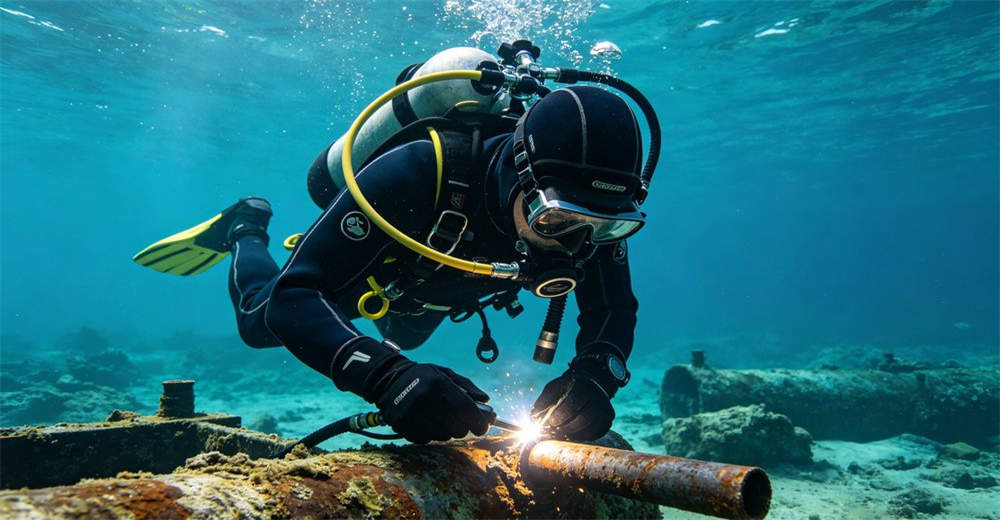
This vertical control shortens lead times for ODM revisions and keeps batch-to-batch consistency for OEM repeat orders. We also support bundled programs with our rain coats and suits and flood rain boots so a rescue brigade receives one consolidated shipment.
Working with a vertically integrated facility rather than a trading intermediary changes how a quotation behaves. As the supplier, we own the pattern library, the seam-taping machines, and the QC records. That means a design change to a pocket or a logo placement can be quoted in days instead of weeks, and a repeat bulk order arrives to the same pattern and seal spec as the sample you approved.
Standard delivery time for custom orders is 30-45 days depending on complexity and quantity, with rush production available for urgent rescue team requirements.
When you search for a dependable wetsuit supplier or a dedicated dry suit supplier, the ability to visit the cutting and taping line on a facility audit is a practical test of who you are really buying from. Our wholesale pricing is structured so that larger volume earns a lower unit cost, which rewards the agencies and distributors who commit to a standing program rather than one-off buys.
The breathable waterproof membrane is rated at 7000g/m²/24h moisture vapor transmission rate.
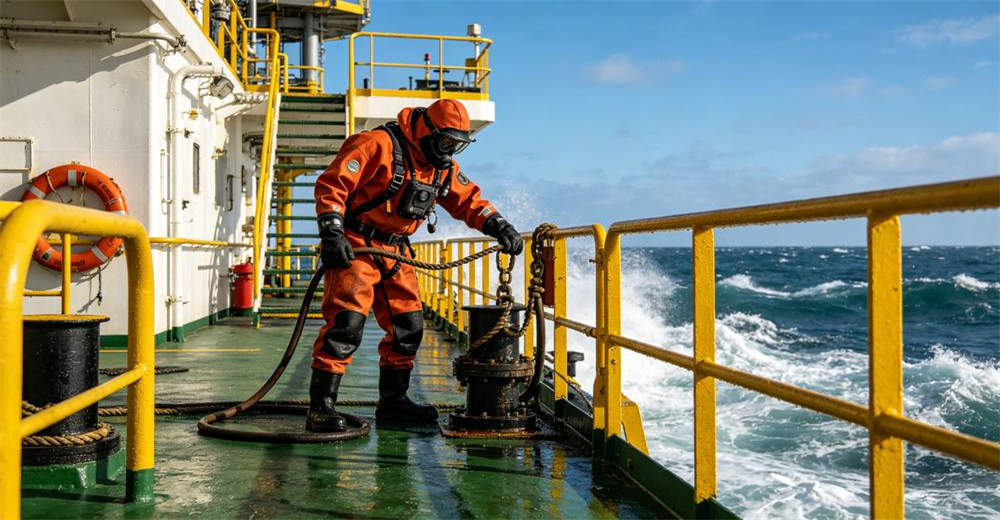
We protect buyer confidentiality, but we can share projects at the region and scenario level so you can judge whether our scale fits your program. These are typical engagements, not named accounts.
These cases show how the same facility platform adapts to different climates, budgets, and branding rules. Whether you need a sample-level trial or a multi-season wholesale commitment, we size the quotation to your actual rollout rather than forcing you onto a fixed SKU.
We support multiple trade terms including FOB, CIF, and EXW to accommodate different buyer preferences and logistics arrangements, with transparent pricing and no hidden fees.

Unlike non-breathable PVC suits, our breathable dry suits prevent overheating and discomfort during physical activity.
Lead time behaves differently too. A trading company waits for a facility slot; a facility sets its own slot. We can prioritize your bulk water rescue equipment order, pull sample approvals forward, and rerun a quick correction without waiting on a third party. For seasonal rescue programs that cannot afford a missed flood window, that control is worth more than a slightly lower quoted price from an unknown reseller.
Bulk dry suits for rescue organizations and government agencies receive priority production scheduling and dedicated project management, with capacity for over 5,000 units monthly.
Communication stays direct as well. When your quality officer asks why a seal sits a fraction high, our technician answers, not an account manager relaying a note. We handle OEM branding, ODM design, private-label packaging, and after-sales seal replacement from the same team that built the suit. That is the practical meaning of a dependable water rescue equipment supplier.
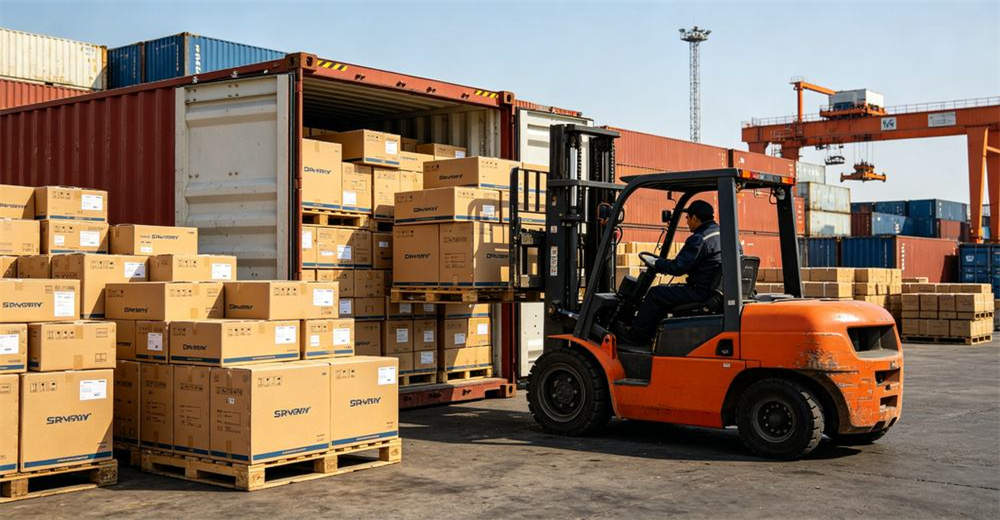
Export packaging protects immersion suits through moisture, dust, and rough handling on international transit. We use double-wall corrugated cartons and desiccant for dry suits, and we can tailor carton marks to tender or label requirements. The tables below summarize individual packing, carton quantities, dimensions, and weights so you can plan freight and receiving inspection.
The environmental impact table outlines sustainability considerations in our manufacturing process.
Packaging and Carton Quantity Reference
|
Product |
Individual Packaging |
Carton Quantity |
|
Dry Rescue Suit (YRF-DS01) |
Polybag with silica gel packet + product label |
5 pieces per carton |
|
Wetsuit 3mm (YRF-WS03) |
Polybag + hang tag |
20 pieces per carton |
|
Wetsuit 5mm (YRF-WS05) |
Polybag + hang tag |
15 pieces per carton |
|
Wetsuit 7mm (YRF-WS07) |
Polybag + hang tag |
10 pieces per carton |
|
Full-Body Diving Suit (YRF-DV01) |
Polybag with silica gel + product label |
3 to 5 pieces per carton |
|
Accessories (hoods, gloves, boots) |
Individual polybag + label |
20 to 50 pieces per carton |
|
Undergarments |
Individual polybag + size label |
20 to 30 pieces per carton |
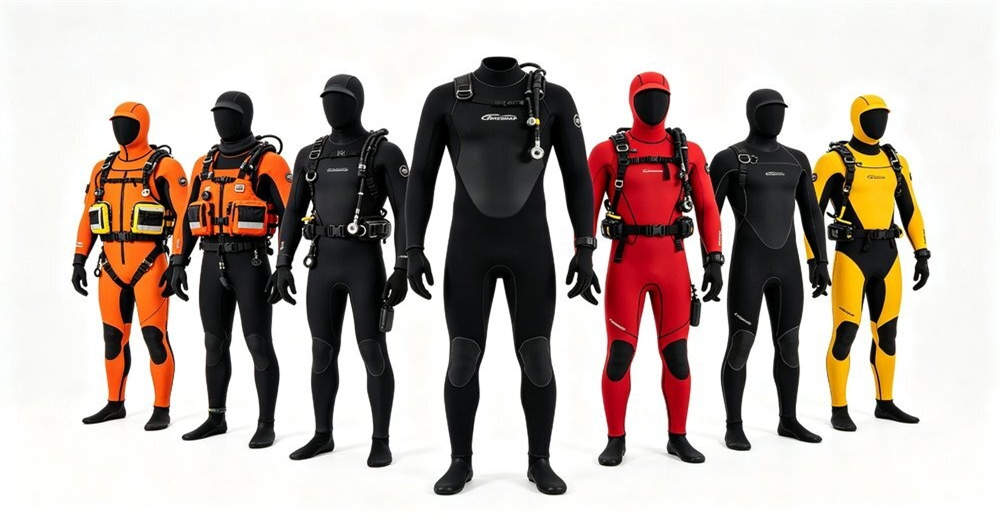
Individual wrapping and per-carton count are summarized above. Carton dimensions and approximate gross weight, needed for ocean freight calculation and container loading, are listed separately below. These figures are typical and may vary by batch and size mix.
This FAQ summary table addresses common questions about our products and services.
Product
Carton Dimensions (cm)
Carton Weight (~)
Dry Rescue Suit (YRF-DS01)
60 x 45 x 40
12 to 15 kg
Wetsuit 3mm (YRF-WS03)
60 x 40 x 40
18 to 20 kg
Wetsuit 5mm (YRF-WS05)
60 x 40 x 40
20 to 22 kg
Wetsuit 7mm (YRF-WS07)
60 x 45 x 40
18 to 20 kg
Full-Body Diving Suit (YRF-DV01)
60 x 45 x 45
10 to 14 kg
Accessories (hoods, gloves, boots)
50 x 35 x 30
8 to 15 kg
Undergarments
50 x 40 x 30
8 to 12 kg
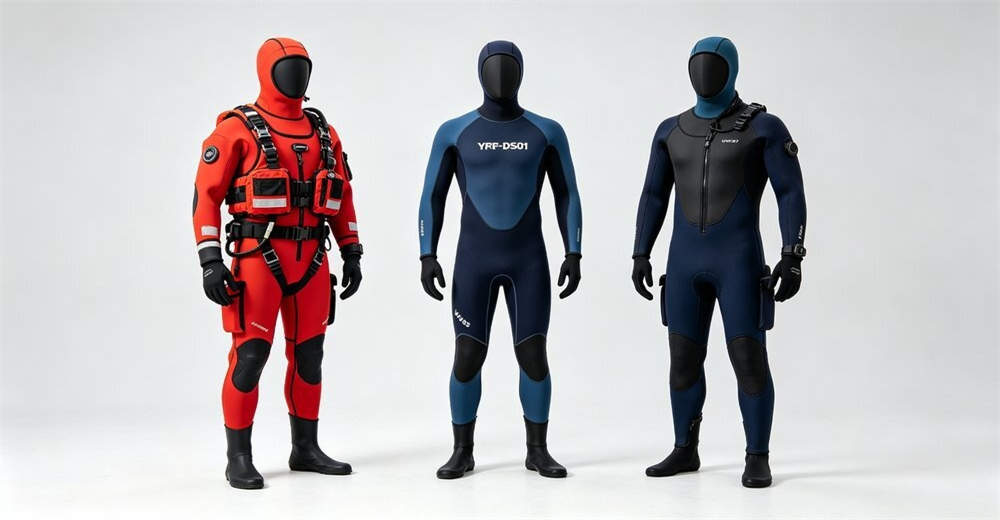
For government emergency reserve programs, we offer a packing scheme tuned to long-term stockpiling: vacuum-compatible folding, desiccant in every dry-suit carton, batch-numbered labels for rotation, and standardized carton marks that match warehouse shelving and dispatch checklists. This configuration helps agencies receive, count, and issue immersion suits quickly during a flood or cyclone deployment.
Standard packaging includes individual polybags with branded cartons, with custom packaging available for private label and wholesale wetsuit orders requiring specific presentation.
Private-label distributors often ask us to design a complete kit rather than loose garments. We can spec a starter box that contains a dry suit or wetsuit, a matching hood and gloves, a spare seal kit, and a printed care guide in your language.
That kind of turnkey kit is a typical ODM project: you supply the brand and the target buyer, we supply the garment engineering and the packaging, and the result lands on a shelf or in a warehouse ready to issue.
Packaging engineering also affects freight cost. Dry suits and diving suits are bulky but light, so carton density decides how many units fit a container. We optimize folding and carton nesting to raise pieces per container without crumpling taped seams, which lowers the landed cost that matters to every wholesale buyer.
Custom shipping marks, barcoded size labels, and pallet configurations can follow your warehouse receiving standard, which is a typical request from a water rescue equipment supplier serving institutional clients.
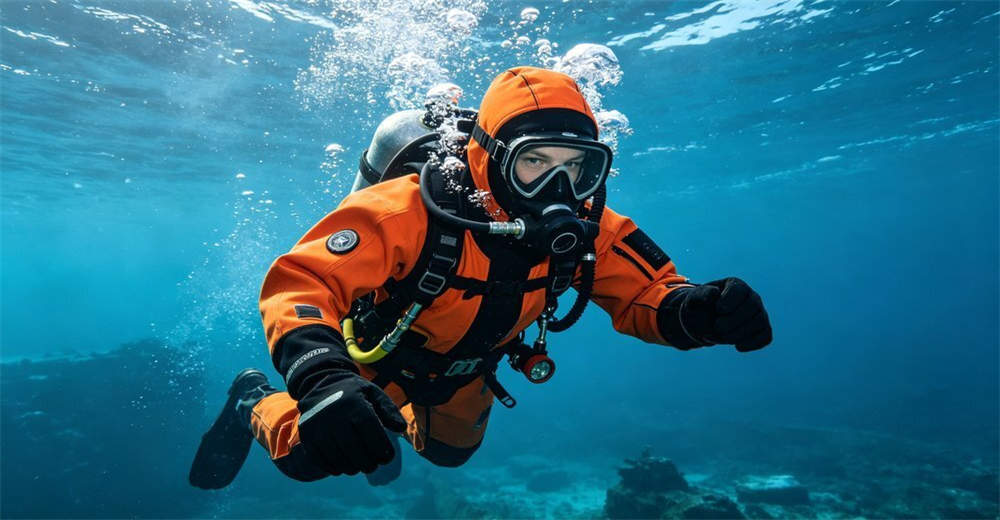
Breathable undergarments are recommended to maximize the moisture-wicking performance of our dry suit systems.
BV inspection and other third-party quality control services can be arranged upon request, with pre-shipment inspection reports provided for bulk and wholesale dry suit orders.
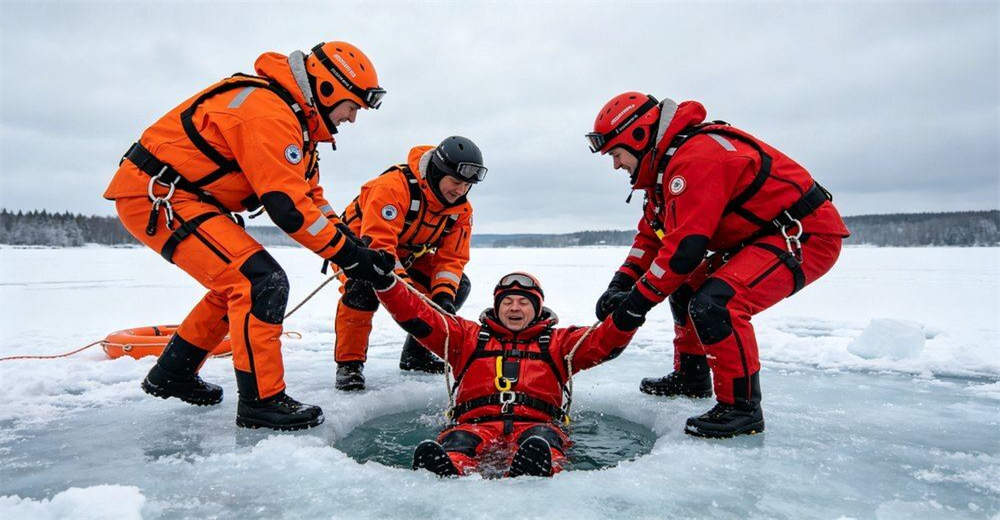
For a first-time wholesale buyer, we usually suggest splitting the order: ship the top-priority portion by air to start operations, and the remainder by sea to control cost. This hybrid approach gets your team suited quickly without paying air freight on the full bulk carton. Ask us for a mixed-shipping quote and we will show the landed cost difference side by side.
Because we are the supplier, we can also hold a small stock of standard-sized dry suits and wetsuits for reorders, which is useful when a rescue team loses gear in a single mission. As a flexible wholesale supplier, we treat urgent replenishment as a priority rather than a disruption to the production calendar.
Payment terms: Standard terms are typically a deposit by T/T at contract signing with the balance before shipment or against the bill of lading copy. Other arrangements such as L/C at sight can be discussed. All terms are subject to contract.
Our breathable material technology has been independently tested by SATRA for waterproofness and breathability performance.
For new buyers: We usually suggest a sample order first so you can verify fit, fabric hand, and logo reproduction before committing to a full bulk run. Sample lead time is shorter than production, and the sample lets your quality officer inspect seals, zipper action, and seam taping in person. Once the sample is approved, it becomes the reference standard for the production lot, which protects both sides during final inspection.
Reorder and standing programs: Repeat customers often prefer a standing agreement that fixes pricing, sizes, and lead-time windows for a season. We support that for established buyers who forecast annual demand, which is common for a government reserve or a distributor managing regional stock. As a dependable water rescue equipment supplier, we treat the reorder relationship as seriously as the first quotation.
Our production capacity of 5,000+ dry suits and 10,000+ wetsuits monthly ensures reliable delivery times for wholesale buyers and diving suit supplier partners.
After-sales is where many wholesale relationships break down, so we build it in. Spare latex seals, zipper wax, and patch kits ship alongside the first bulk order so your team can handle routine repairs in-house.
When a suit eventually reaches end of life, the same pattern and size are still in our library, so a replacement arrives as a straight reorder rather than a fresh design project. That continuity is what turns a transactional supplier into a long-term partner.
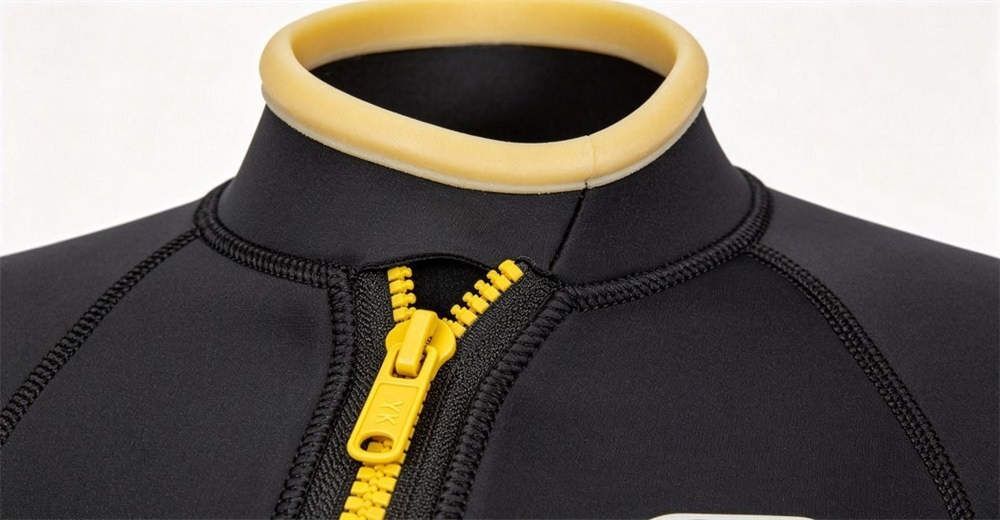
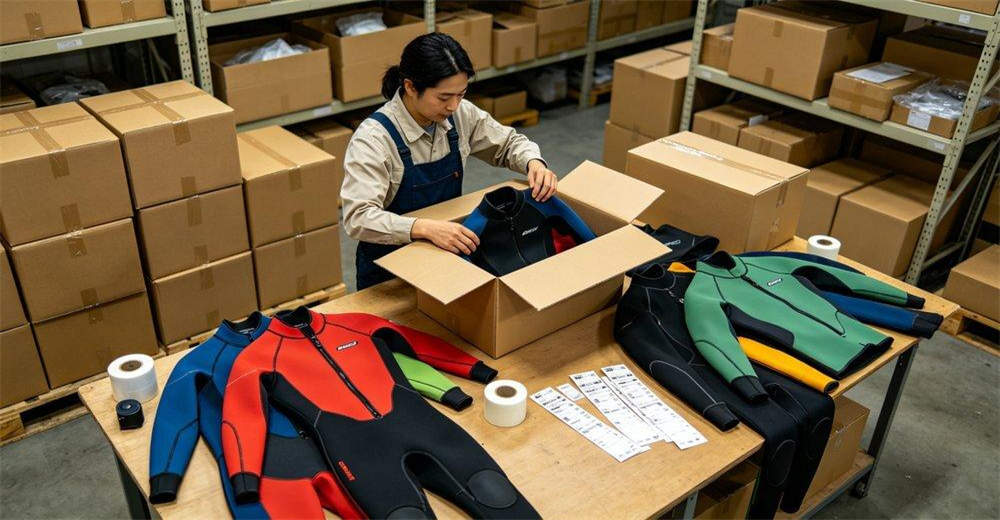
A dry suit is generally recommended for water below 15 degrees Celsius, especially for exposures over 15 to 30 minutes. Between 10 and 20 degrees, a 5mm or 7mm wetsuit may suffice depending on duration, exertion, and cold tolerance. Below 10 degrees or for ice water rescue, a dry suit with heavy thermal undergarments is strongly recommended.
Wear a moisture-wicking base layer (polypropylene or merino wool, never cotton) under insulating fleece or a one-piece undergarment. Thin layers suit 15 to 20 degree water, medium fleece suits 10 to 15 degree water, and heavy one-piece undergarments suit water below 10 degrees. Add a hood, gloves, and neoprene socks for full coverage.
Our dry suit wholesale program caters to dive shops, rescue equipment distributors, and maritime supply companies worldwide, with tiered pricing based on order volume and commitment.
As a comprehensive dry suit supplier and specialized wetsuit supplier, we offer both stock models for immediate delivery and custom configurations for specialized requirements, with our neoprene wetsuit facility capable of supplying over 10,000 units monthly.
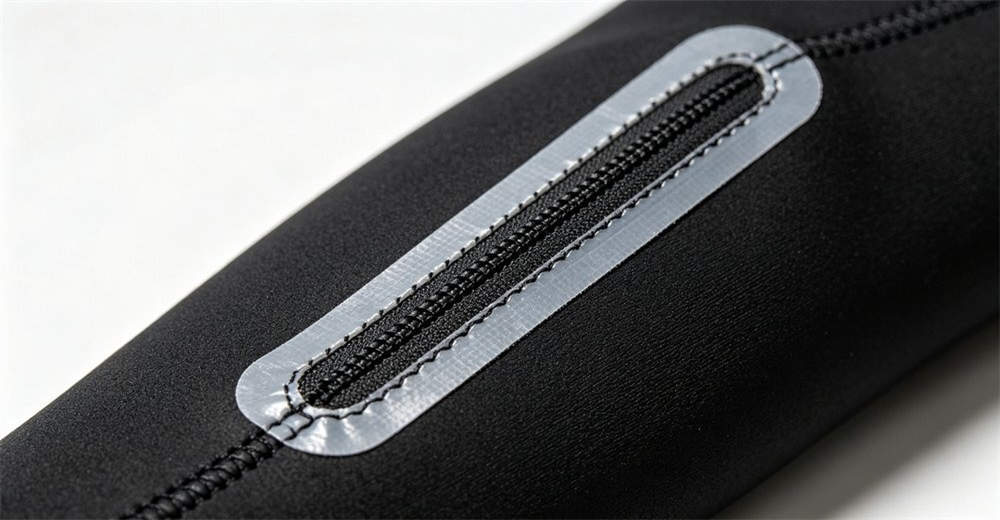
How long does a dry suit last?
A well-maintained dry suit can last 5 to 20+ years or more, depending on use, storage, and care. Neck and wrist seals typically need replacement every 1 to 20+ years, and the waterproof zipper may last 3 to 20+ years. Seams and fabric last longest when the suit is rinsed, dried, and hung properly after each use.
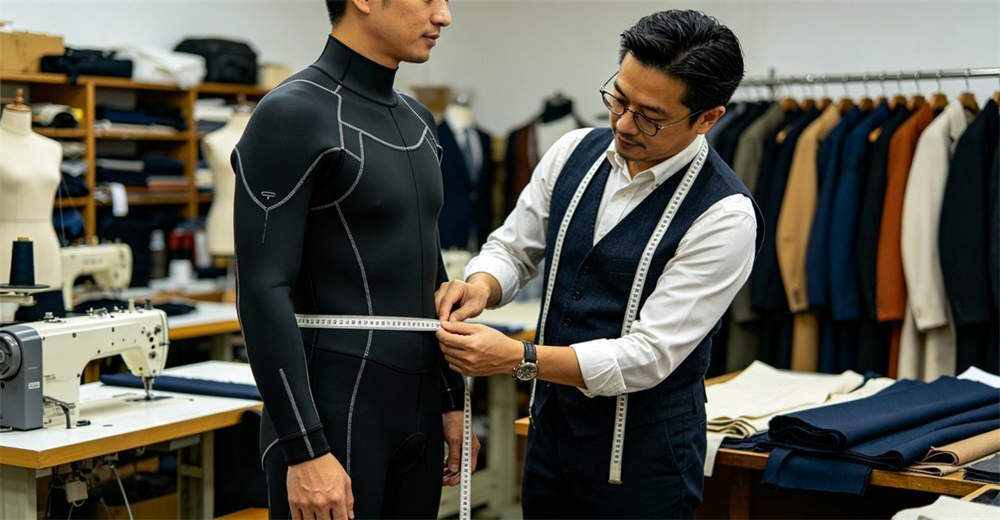
Minimum order quantity is subject to contract. Standard configurations may have lower minimums, while custom colors, custom sizing, or special materials may require higher volumes. Contact our sales team with your requirements and expected quantity, and we will quote based on your needs.
Yes. Standard colors are international orange, high-visibility yellow, black, red, and navy, with custom Pantone colors subject to availability and MOQ. Logo options include silkscreen, embossing, rubber patches, woven labels, and heat transfer, placed on the chest, arm, back, or thigh. Provide vector artwork for best reproduction.
Commercial diving wetsuit buyers can choose from standard stock models or request custom configurations for specialized applications including underwater welding, ship maintenance, and scientific diving.
The trilaminate dry suit is our most popular option for professional rescue teams due to its excellent durability, breathability, and repairability, while neoprene dry suit models are preferred for colder water applications requiring maximum thermal protection.
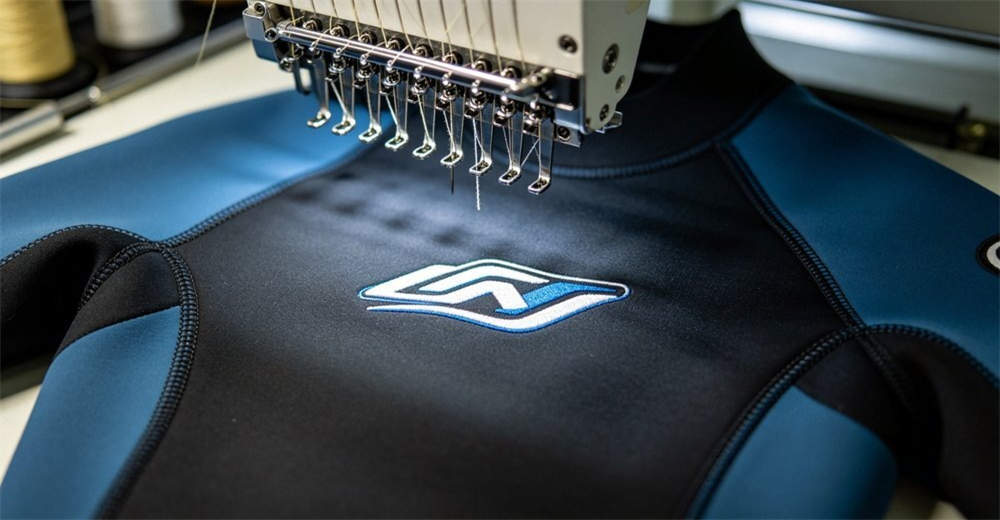
Children's sizes are available through custom order. Our standard range covers adults XS to XXXL, but we can supply smaller sizes for younger users on request. Children's dry suits need careful seal fitting, so made-to-measure sizing is recommended. This is subject to contract and may add lead time.
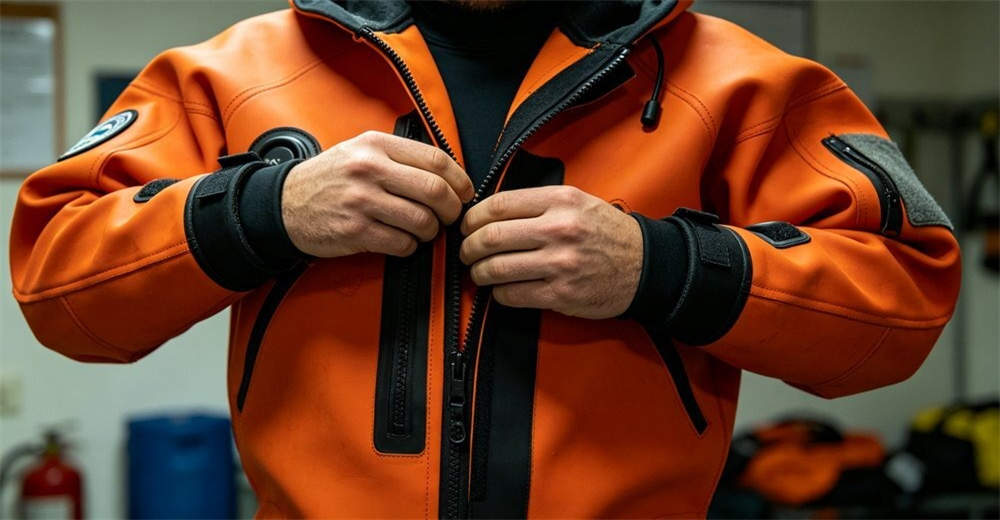
What is the difference between a dry suit and a diving suit?
A dry suit keeps the wearer completely dry for cold water rescue, surface work, and some cold diving, using waterproof fabric, sealed seams, a waterproof zipper, and latex seals. A diving suit is usually a neoprene wetsuit variant with integrated hood and boots that allows a warmed water layer, suited to underwater work in moderate temperatures.
Dry suits protect better in extreme cold but cost more and need more maintenance. Diving suits move better underwater and cost less but lose insulation at depth. Choose the dry suit for cold surface or deep work, and the diving suit for moderate-temperature underwater operations.
Ice rescue dry suit models are specifically designed for cold water operations in northern climates, with enhanced thermal protection and high-visibility coloring for emergency response teams.
Water rescue dry suit China procurement officers consistently rank our products among the top choices for government and NGO rescue equipment purchases, citing our favorable pricing, reliable quality, and extensive customization capabilities.

Professional waterproof protection, reliable cold-water defense, and honest specification data are what YRF Textile delivers as a China-based water rescue professional dry suit supplier and water rescue wetsuit supplier. Every dry suit uses a 20,000mm typical hydrostatic head trilaminate shell, an 80cm titanium waterproof zipper, heat-taped seams, and replaceable latex seals. Every neoprene wetsuit uses CR limestone-based neoprene in 3mm, 5mm, and 7mm with GBS seams for thermal retention.
From ice water rescue to warm water diving, from flood response to commercial diving, our lineup covers the immersion suit your environment demands: trilaminate dry rescue suits, neoprene wet rescue suits, and full-body diving suits with integrated hood and boots. Each water rescue drysuit and wetsuit undergoes individual waterproof testing for dry suits, seam verification, and material inspection before packing.
If your team buys the rest of its rescue kit from us, the immersion suits slot straight into the same bill of materials. Bundled orders usually earn a better wholesale rate than separate purchases, and one inspection lot simplifies receiving. Whether you need a bulk dry-suit program, a mixed wetsuit stock, or a private-label diving suit line, we quote it as one coordinated package rather than a pile of separate line items.
As an experienced dry suit wholesale supplier and wetsuit wholesale supplier, we offer favorable pricing, reliable delivery times, and comprehensive after-sales support for volume purchases.
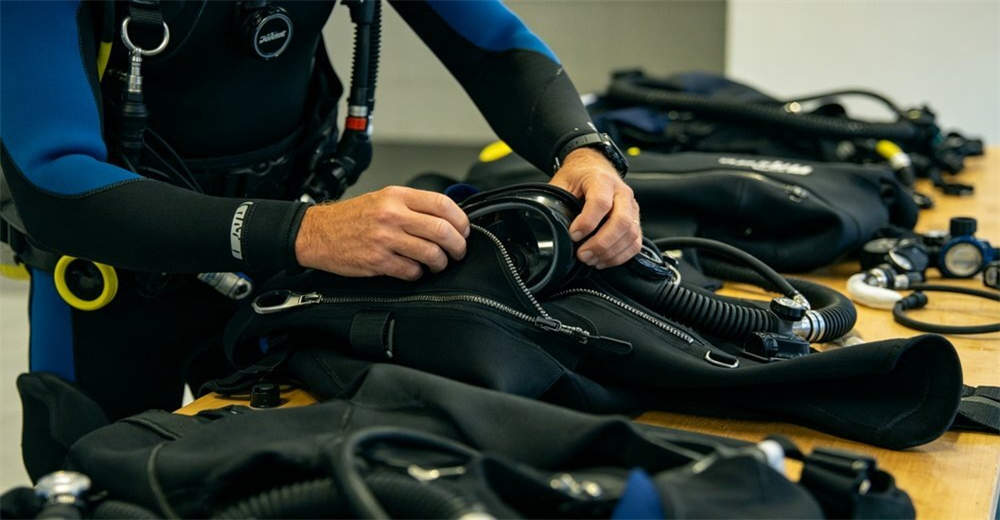
Placing volume purchases directly with our facility provides significant advantages including volume pricing discounts, priority production scheduling, dedicated project management, and comprehensive quality control documentation.
We serve buyers across Southeast Asia, the Caribbean, Africa, and the Middle East: flood-response agencies, coastguard contractors, public safety dive units, humanitarian distributors, and military training commands. These are unnamed references shared at the regional and scenario level, exactly as your procurement office would expect.
What happens next after you write: You send the water temperature band, the expected headcount, and any branding or tender requirements. We reply with a model recommendation, a typical spec sheet, and an indicative range rather than a fake fixed price, because price depends on configuration and volume.
If the fit looks right, we move to a sample, then to a quotation and contract. This staged flow avoids wasting a bulk order on a suit you never touched.
Buyers who return for a second order usually value two things most: that the reorder matches the first sample, and that a human answers a technical question without a week of forwarding. As a China-based supplier and a specialist water rescue dry suit supplier, we keep both. Whether your program is a single training kit or a multi-year reserve contract, we treat the next order as seriously as the first.
Contact us for sample information, technical datasheets, and a competitive bulk quotation.
Contact us today for bulk dry suits for rescue teams, wholesale wetsuits for dive shops, or custom diving suit supplier partnerships—we respond to all inquiries within 24 hours with detailed quotations and sample availability.
As a China-based supplier, we quote facility-direct wholesale pricing rather than trading-company markup. Our catalog spans the dry suit, wetsuit, and diving suit families, plus the hoods, gloves, boots, and undergarments that complete each system. That lets a buyer consolidate a bulk water rescue equipment order into one PO, one inspection, and one shipment, which is how a professional water rescue equipment supplier should work.
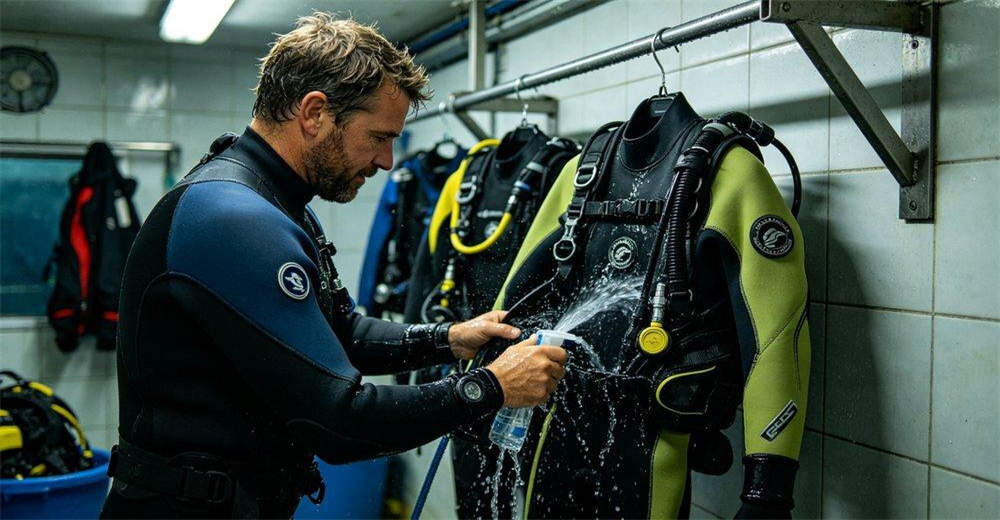
With over 20+ years of experience in professional diving equipment manufacturing, we have established ourselves as a trusted supplier for government agencies, rescue organizations, and commercial diving companies worldwide.
We support every stage of the buyer journey: a single sample for fit approval, a mixed-color trial order for a new team, a standing OEM program for a private-label brand, and a repeat ODM replenishment for a government reserve.
Minimum order quantities, lead times, and prices are confirmed in your contract rather than posted as gimmicks. Tell us your water temperature band, your order volume, and your branding needs, and we will recommend the tier that fits.
For a complete water rescue equipment package, also consider our life jackets and PFDs, lifebuoys and throw bags, rain coats and suits, flood rain boots, rescue helmets and gloves, and flood rescue kits and thermal shelters.
Our offshore immersion suit wholesale program includes SOLAS-approved models with competitive bulk pricing, ideal for ship owners, offshore operators, and maritime safety equipment distributors.
Bundled orders may qualify for volume pricing. MOQ and lead time are subject to contract.
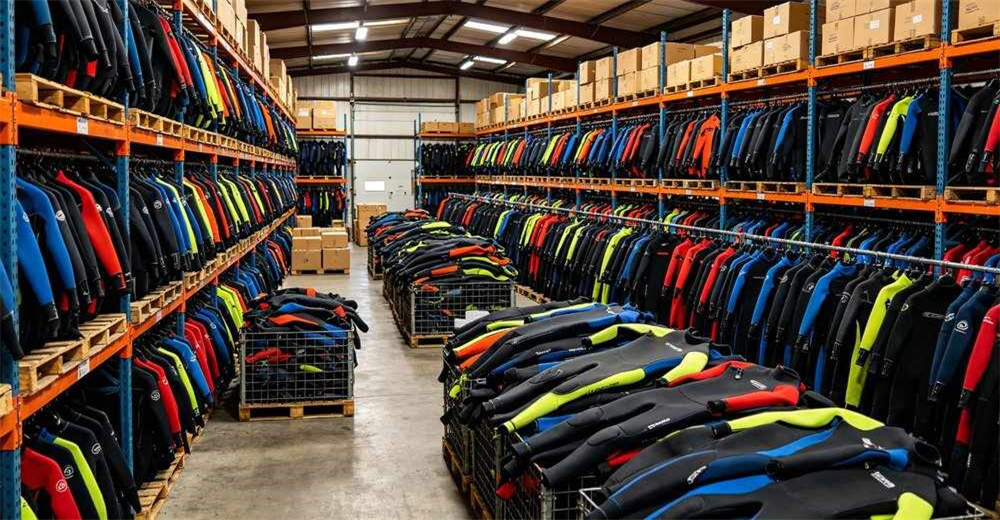
© 2026 YRF Textile. All rights reserved. Dry Suits and Wetsuits Wholesale. Manufactured in China.
Our suits meet water rescue ppe standards for thermal protection and buoyancy control.
For ice rescue equipment, our dry suits provide critical insulation without restricting movement on frozen surfaces.
Flood rescue equipment buyers appreciate our fast turnaround on bulk orders and consistent quality across production runs.
Swift water rescue teams require suits that withstand high-velocity currents and abrasive river environments.
White water rescue training programs worldwide use our suits for student safety, instructor visibility, and long-term durability.
Links amigáveis :
direito autoral © Custom Disaster - Relief Bedding: Tents, Sleeping Bags, Blankets Todos os direitos reservados
a equipe profissional para o serviço !