In our 20 years supplying fire and rescue PPE, the most expensive mismatch in helmet procurement is ordering by "one-size-fits-all" without measuring actual head circumference. A helmet that passes lab tests can still cause pressure points, forward tilt or visor interference on a real wearer. This guide covers 4 helmet types, EN 443/EN 16471/EN 397 standards, head sizing, full PPE compatibility, AQL inspection, cleaning and retirement. For complete turnout gear, see our firefighter clothing and accessories page.
Before you start: Not all firefighter helmets are interchangeable. A structural fire-entry helmet and a wildland patrol helmet are built to different standards. Match the helmet type to the task first, then handle sizing and inspection. Whether you are sourcing wholesale firefighter helmets for a municipal tender or comparing EN 443 suppliers for a rescue agency, the same selection and inspection checks apply.
Each PPE component has its own standards and test reports. A helmet certificate does not cover boots, gloves or hoods. Select each component separately.
Firefighter Clothing and Accessories
Firefighter Protective Clothing
Firefighter and Rescue Helmets
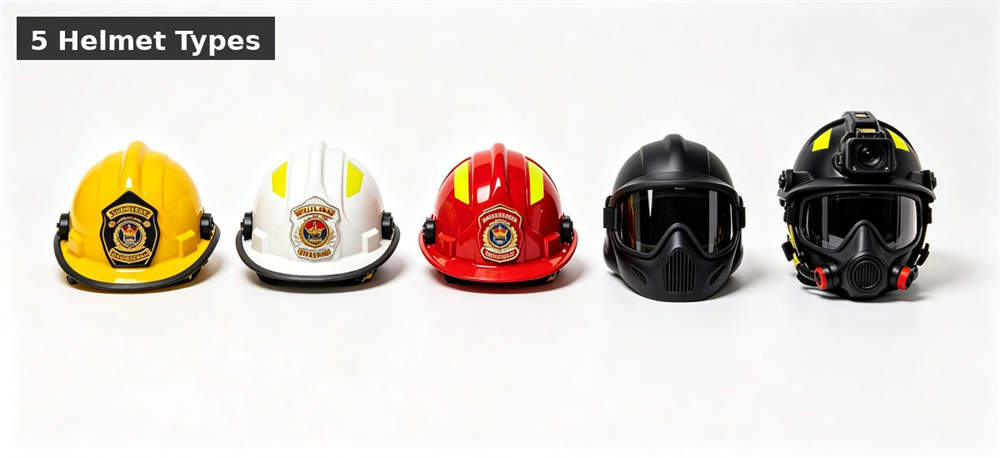
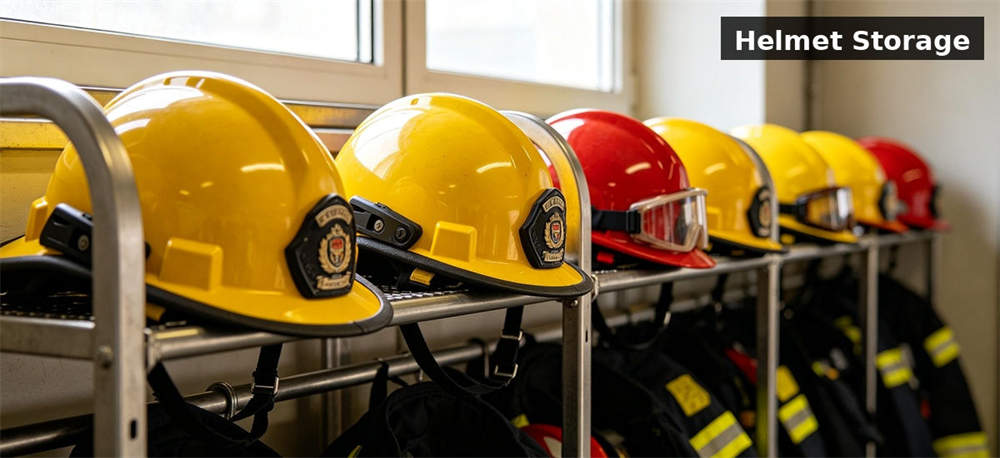
Firefighter helmets fall into four categories. Choosing the wrong type for the task is the most common procurement mismatch — a wildland helmet cannot be used for structural fire entry, and a heavy structural helmet is too hot for all-day forest patrol.
Quick selection by task:
• Building fire entry, interior attack → Structural Firefighting Helmet
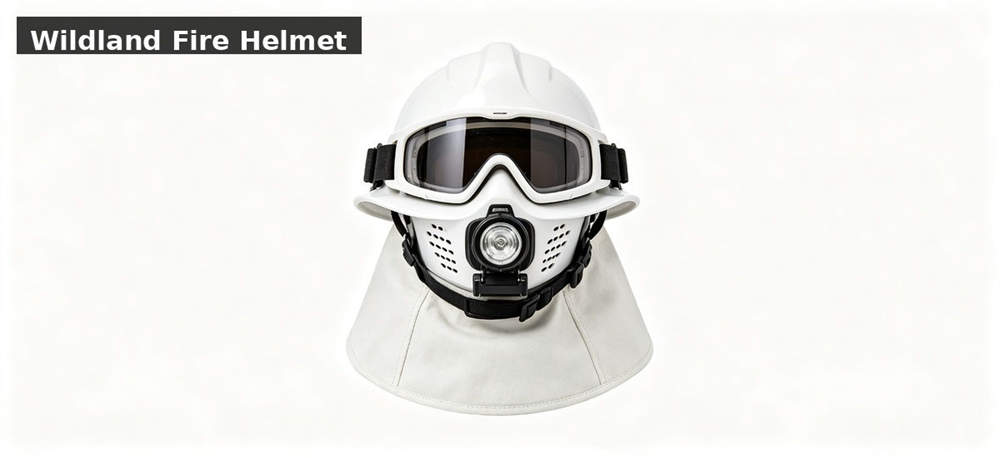
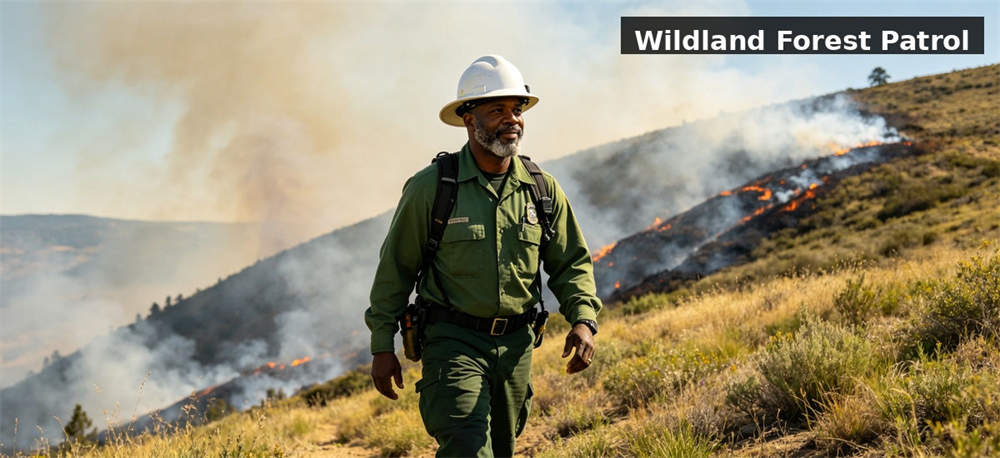
For sustained outdoor wear, forest movement and extended duty cycles. Lightweight ABS or PC shell, 350–600g per helmet, head circumference 52–62cm. Built to EN 16471 (forest firefighting) or EN 16473 standards. Features ventilation holes, integrated goggles or visor, neck protection flap, and a front lamp bracket. Kevlar or nylon chin strap with quick-release buckle. Standard colour: yellow, white or red. Not designed for structural fire entry — no high-heat resistance.
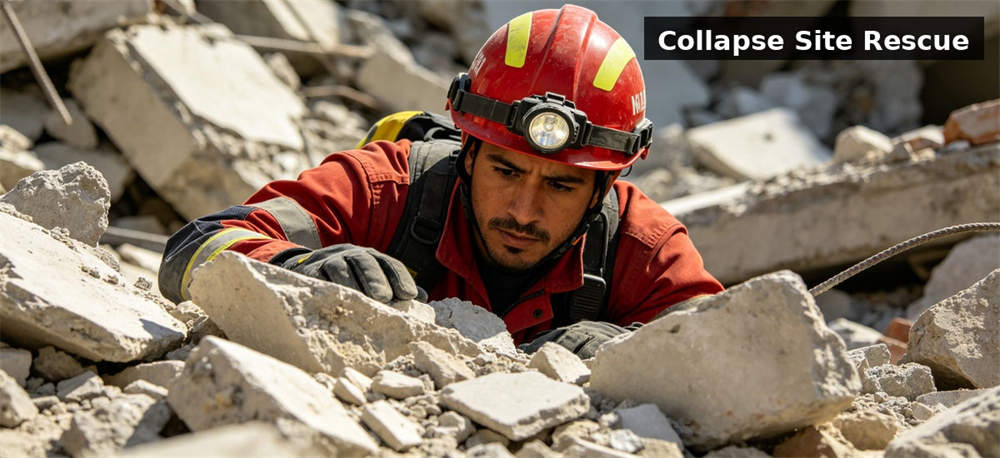
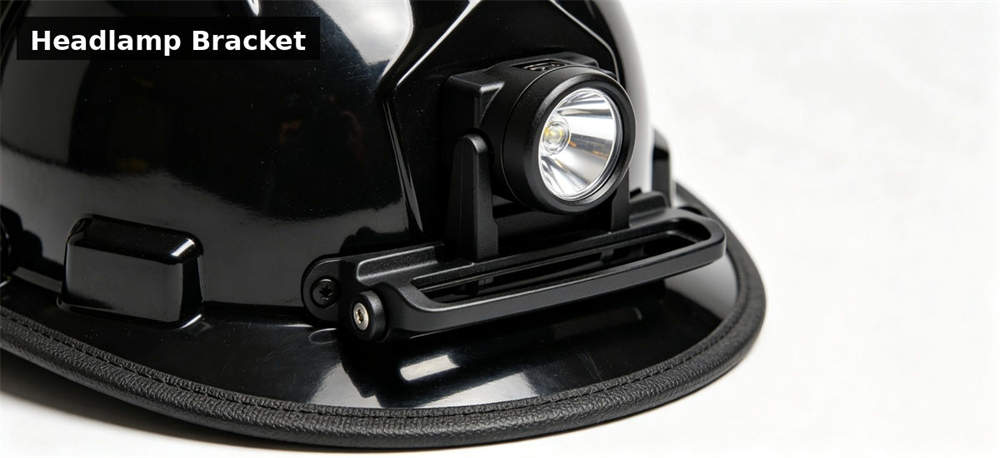
For earthquake, collapse, search and technical rescue where lighting, field of view, communication and agile movement matter. ABS shell, 300–500g, head circumference 52–63cm. Built to EN 397 (industrial safety) or EN 14052 (high-performance industrial) standards. Features universal headlamp bracket (GoPro-compatible), side rails for accessories, adjustable ratchet suspension, and optional visor or goggles. Not for fire entry — no flame or high-heat protection.
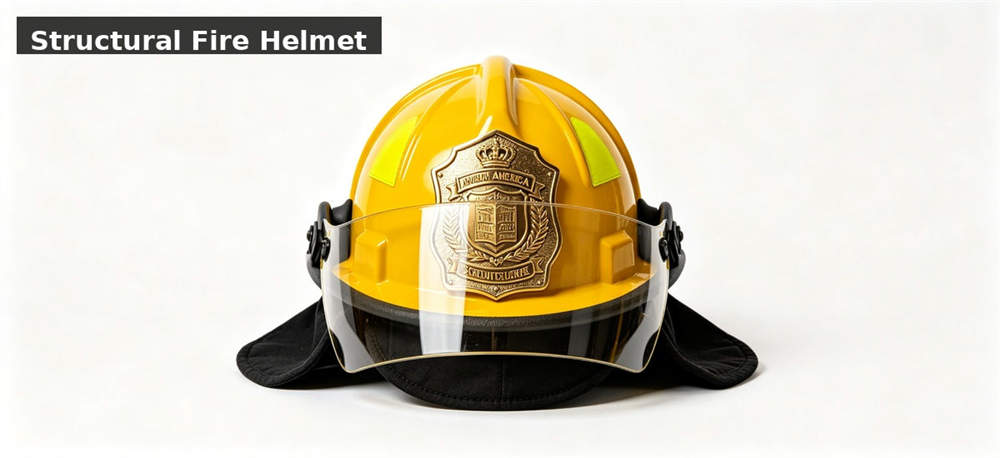
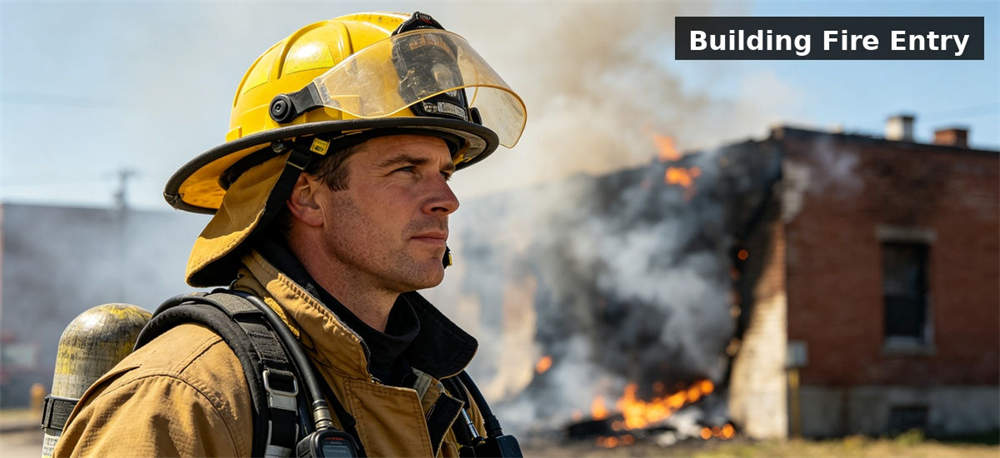
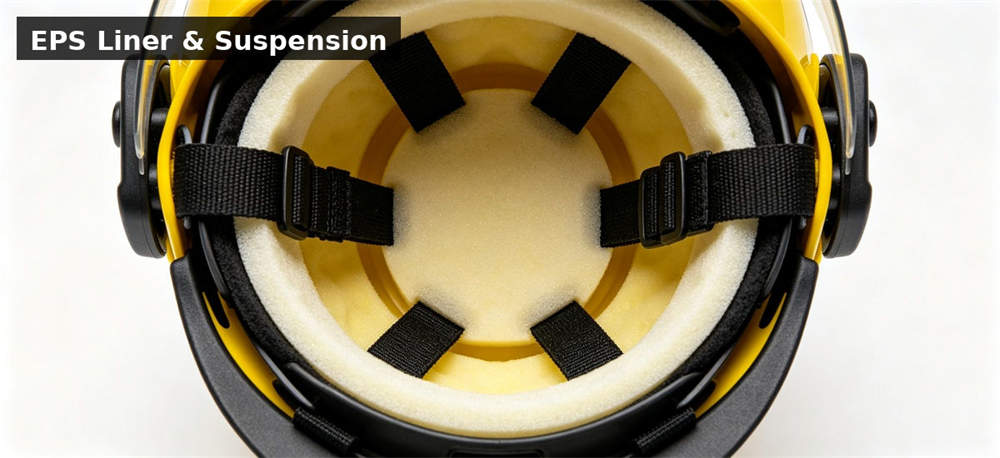
For structural fire-entry tasks requiring heat, flame and impact protection. In the US market these are often called bunker gear helmets or turnout gear helmets. Shell material: ABS/PC blend, composite or carbon fibre. Weight ranges 450–1800g depending on material (carbon fibre is lightest at 450–700g, traditional ABS is 800–1200g). Head circumference 52–64cm. Built to EN 443:2008+A1:2011 (European) or NFPA 1971 (US) standards. Key performance: 5kg hammer drop from 1m with transmitted force ≤250N, 1kg cone penetration from 3m, 260°C contact heat for 10 seconds without melting, chin strap retention ≥150N. Includes impact liner (EPS or EPP foam), adjustable suspension, visor (polycarbonate clear or tinted heat-reflective), neck protection, and lamp bracket.
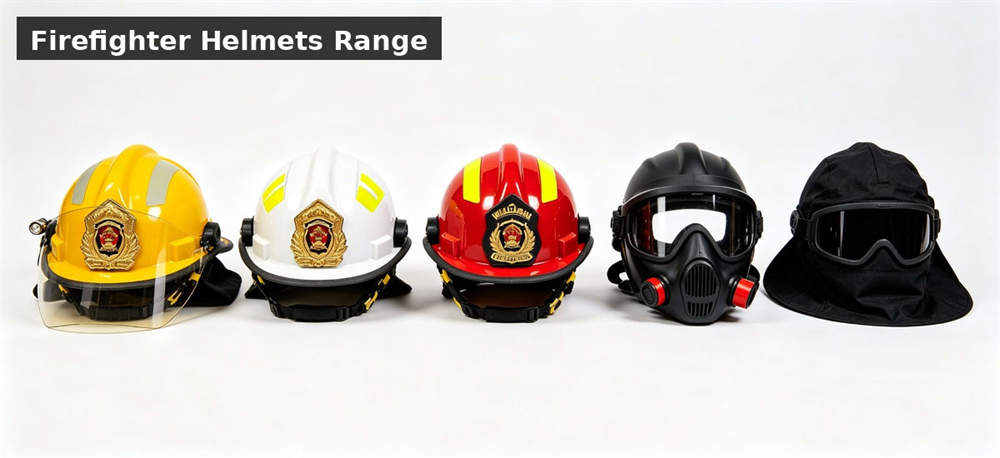
European Full-Coverage Firefighting Helmets
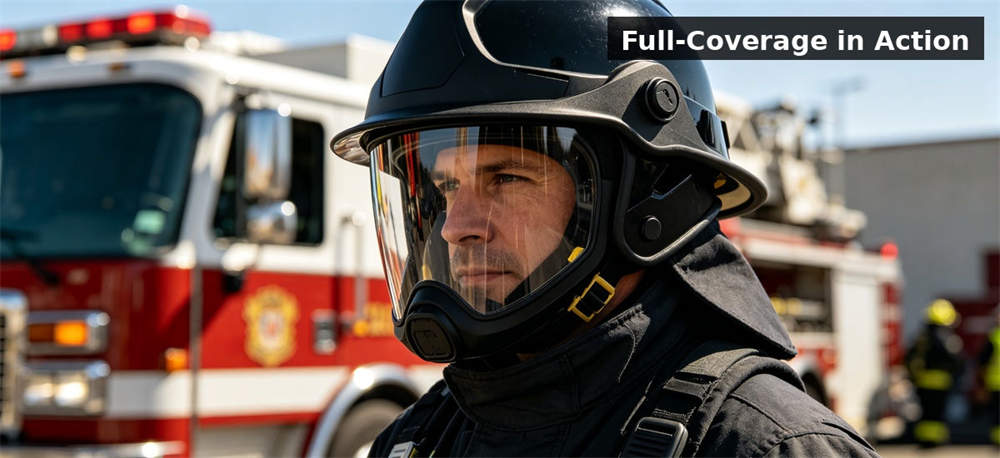
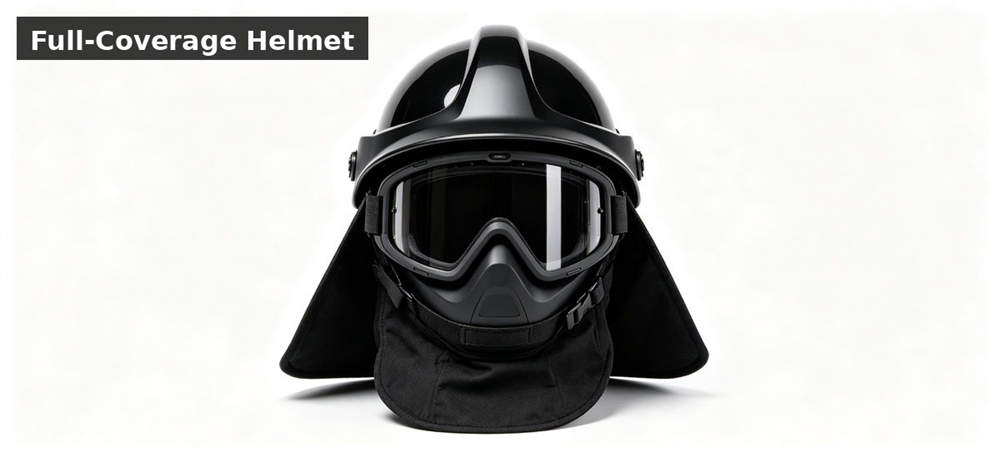
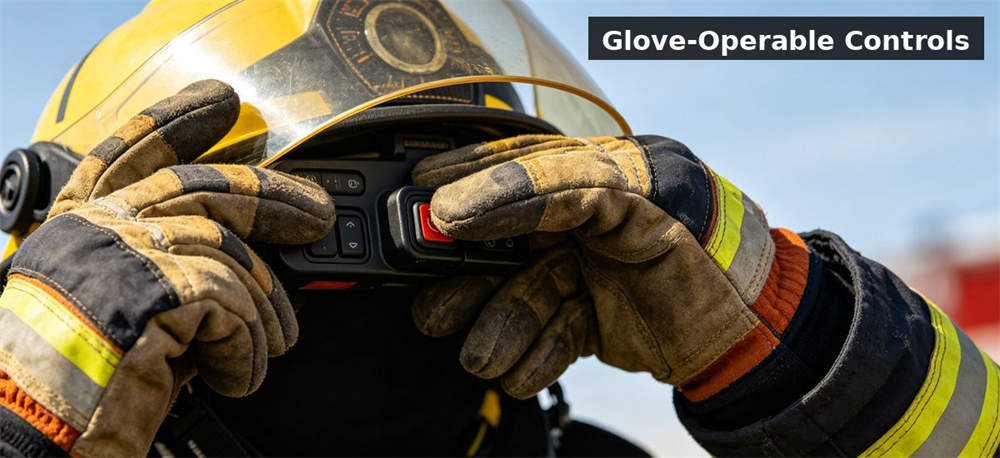
A separate full-coverage design where the project specifies European-style helmet form with integrated face and neck protection. Composite or carbon fibre shell, 600–1000g, head circumference 52–63cm. Built to EN 443 with optional EN 13911 (communication interface). Features built-in dual visor (clear + heat-reflective tinted, flip-down), integrated communication headset option, extended neck coverage, and glove-operable controls. Do not transfer test reports from an open-face rescue helmet — approve the exact shell, visor, suspension and accessories separately.
|
Feature |
Structural |
Wildland |
Rescue |
Full-Coverage |
|
Primary task |
Building fire entry |
Forest patrol, fireline |
Earthquake, collapse, SAR |
European fire entry |
|
Standard |
EN 443 / NFPA 1971 |
EN 16471 / EN 16473 |
EN 397 / EN 14052 |
EN 443 + EN 13911 |
|
Shell material |
ABS/PC, composite, carbon |
ABS or PC |
ABS |
Composite or carbon |
|
Weight |
450–1800g |
350–600g |
300–500g |
600–1000g |
|
Head range |
52–64cm |
52–62cm |
52–63cm |
52–63cm |
|
Heat resistance |
260°C contact |
Radiant heat only |
None |
260°C contact |
|
Visor |
Polycarbonate, optional tinted |
Integrated goggles |
Optional visor/goggles |
Dual flip-down (clear+tinted) |
|
Neck protection |
Standard |
Standard flap |
Optional |
Extended coverage |
|
Lamp bracket |
Standard front |
Standard front |
Universal GoPro mount |
Integrated or front |
|
Communication |
Optional |
Optional |
Optional side rails |
Integrated headset option |
Scope note: This guide covers conventional fire and rescue helmets built to EN and NFPA standards. Integrated thermal-camera helmets are a separate electronic system used mainly in the domestic Chinese market; they are not part of our export range because overseas fire services use standalone thermal imaging cameras certified to their own standards.
Within each helmet type, configuration level drives weight and price. Choose the tier that matches your task and budget.
|
Tier |
Shell Material |
Liner |
Typical Weight |
Best For |
|
Basic |
ABS plastic |
EPS foam (single-use impact) |
800–1200g |
Volunteer teams, training, budget tenders |
|
Mid-range |
ABS/PC blend or composite |
EPP foam (reusable) + web suspension |
600–900g |
Professional municipal fire departments |
|
Premium |
Carbon fibre |
EPP + memory foam pad set |
450–700g |
Elite teams, long-duration operations |
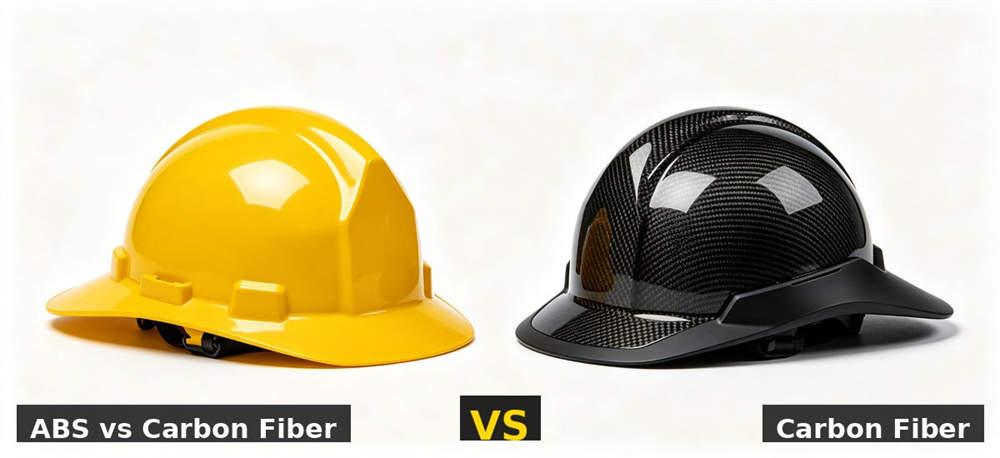
Key trade-off: Carbon fibre helmets are 30–40% lighter than ABS but cost significantly more. For teams wearing helmets 4+ hours per shift, the weight reduction reduces neck fatigue. For occasional use or training, ABS is sufficient and more economical.
Ordering "one size fits all" or only by S/M/L is the fastest way to get ill-fitting helmets. Collect actual head circumference data, then convert using the helmet model's own size chart.
|
Size |
Head Circumference (cm) |
US Size (approx.) |
|
S |
52–55 |
6½–6¾ |
|
M |
55–58 |
6¾–7¼ |
|
L |
58–61 |
7¼–7⅝ |
|
XL |
61–64 |
7⅝–8 |
Conversion varies by manufacturer and helmet shell shape. Always confirm against the specific helmet model's size chart, not a generic table. Round heads may need one size up; long-narrow heads may fit a smaller size with different pad configuration.
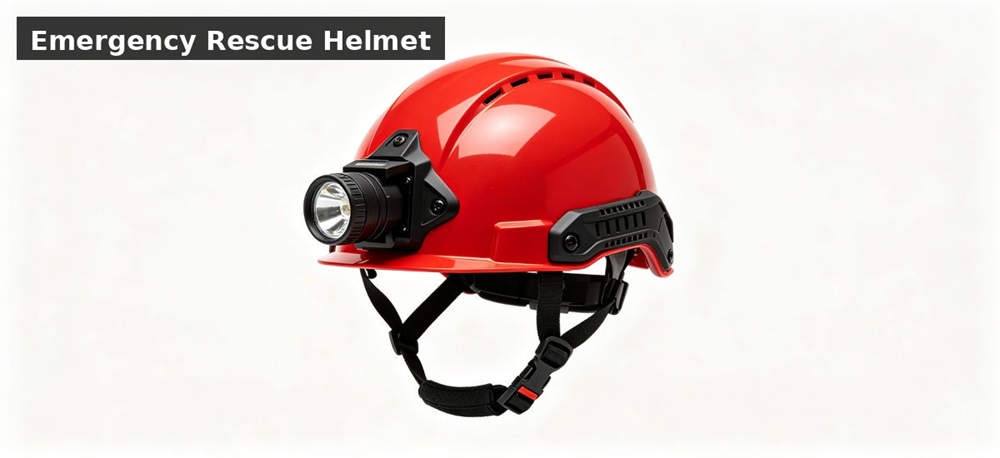
For an adult male fire department, a typical distribution is M:L:XL = 2:5:3, with sizes L and XL together accounting for about 70% of the order. Add 10% spare quantity for new hires and exchanges. Female firefighters may need a different shell shape (narrower rear, lower crown) — a smaller size of a male helmet does not equal a proper female fit.
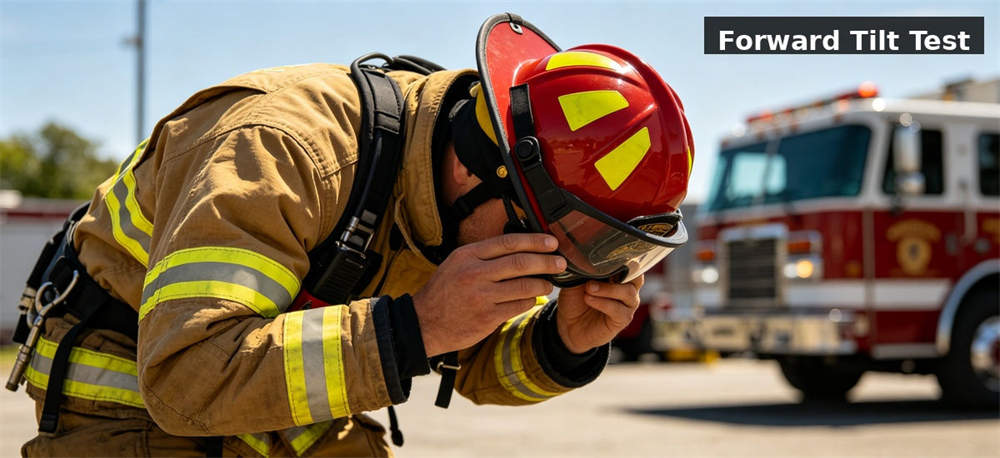
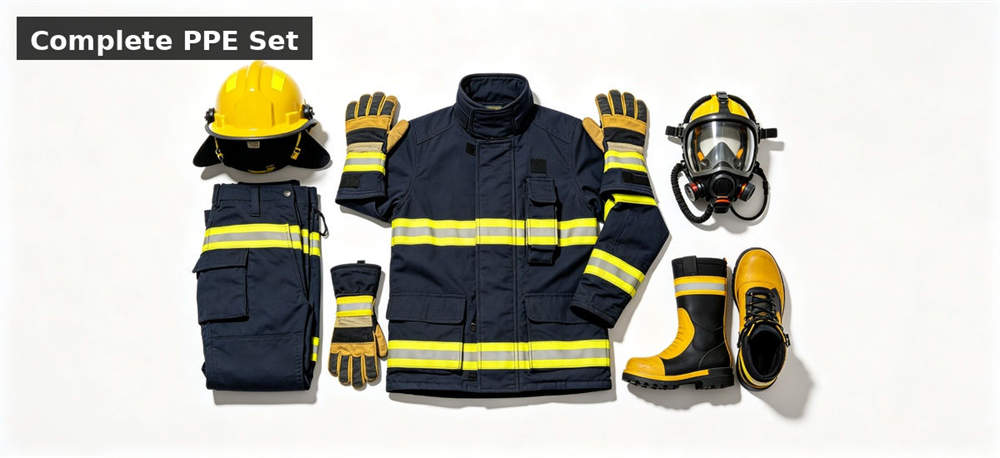
A helmet that fits alone may interfere with a hood, respirator mask, turnout coat collar or communication equipment. Always test the complete set, not just the helmet.
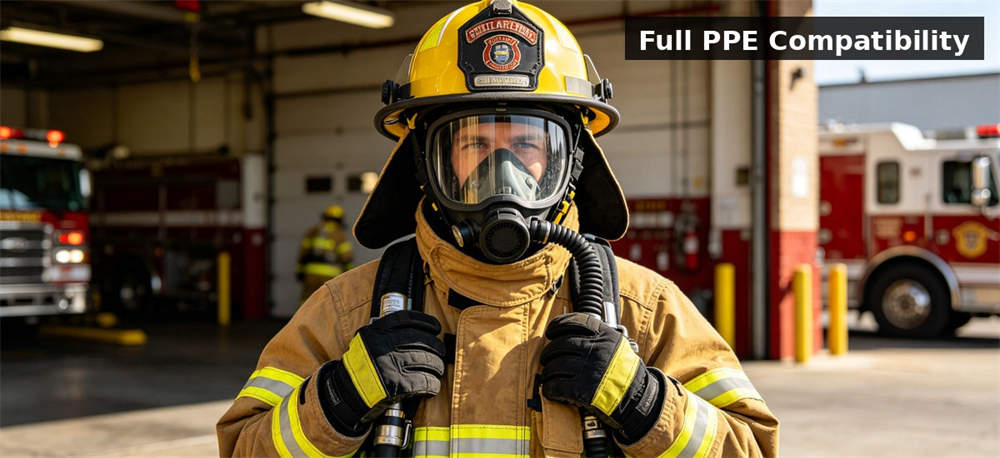

Compatibility is combination-specific: A successful fit test only covers the exact helmet + mask + hood + coat combination tested. One helmet sample does not prove compatibility with every mask model or respirator brand.
These terms appear in helmet specifications and test reports. Understanding them helps you verify supplier claims.
A test report is only useful if it covers your exact helmet. We have seen buyers present a valid EN 443 report for a different shell model and assume it covers their order. Check these six items before accepting any certificate:

We can assist in arranging third-party testing to the standard your project requires. The buyer selects the standard and testing laboratory based on the destination market, and third-party testing fees are borne by the buyer. We recommend completing testing as part of sample approval, before bulk production begins.
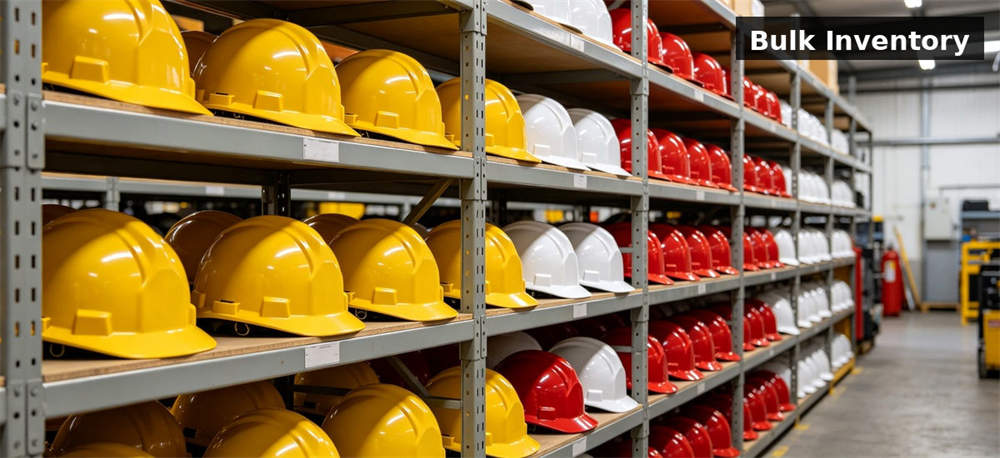
We recommend approving a physical sample rather than relying on photos alone, then sealing it. Bulk production must match the sealed sample exactly.
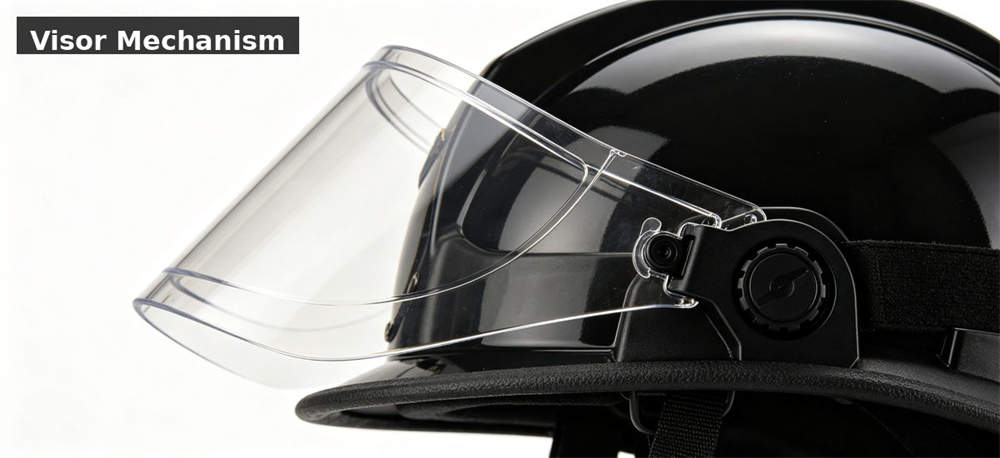
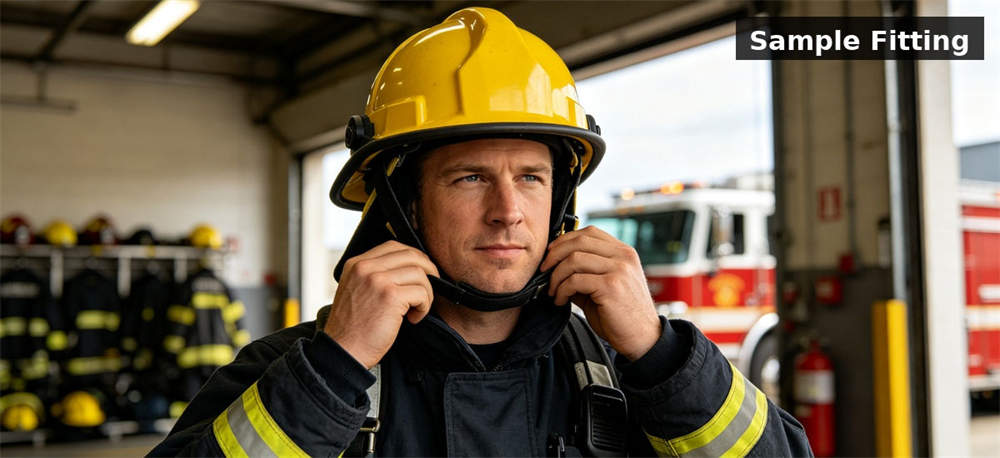
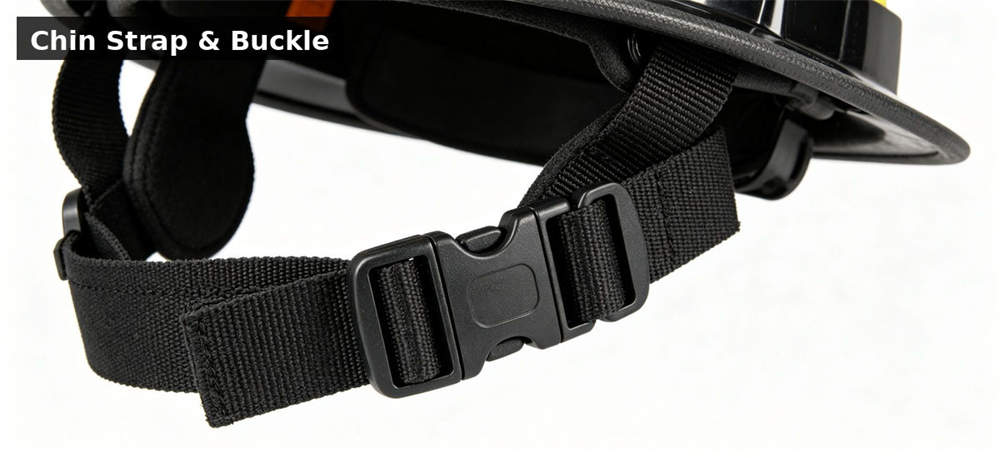
Before sending a sample to a lab, run these seven checks on the bench. They take about 10 minutes per helmet and catch the most common configuration mismatches:
Do not accept a shipment by counting cartons only. Inspect actual helmets using the AQL 2.5 sampling plan.
|
Order Quantity |
Sample Size |
Acceptable Major Defects |
Reject Threshold |
|
50–90 |
13 |
0 |
1 |
|
91–150 |
20 |
1 |
2 |
|
151–280 |
32 |
2 |
3 |
|
281–500 |
50 |
3 |
4 |
|
501–1200 |
80 |
5 |
6 |
Proper maintenance doubles helmet service life. The wrong cleaning method can destroy a helmet in one session.
|
Component |
Cleaning Method |
Never Use |
Drying |
|
Shell (ABS/PC/composite) |
Warm water + mild soap, soft cloth or sponge. Wipe clean. |
Alcohol, acetone, gasoline, bleach, ammonia, abrasive pads — these craze or dissolve the shell. |
Air dry at room temperature. Stuff with paper to absorb moisture. |
|
Visor / goggles lens |
Warm water + lens-specific cleaner, microfibre cloth only. Rinse first to remove grit before wiping. |
Paper towels, tissues, glass cleaner with ammonia — these scratch the optical coating. |
Air dry or blot with microfibre. Do not rub. |
|
Liner / suspension |
Removable: hand wash with mild soap, rinse. Non-removable: wipe with damp cloth. |
Machine wash, hot water, strong detergents — degrade foam and webbing. |
Air dry completely before reinstalling. Do not use heat. |
|
Chin strap / webbing |
Wipe with damp cloth and mild soap. Check stitching and buckle. |
Machine wash, bleach — weaken fibres. |
Air dry flat. |
|
Neck protection flap |
Follow material care instructions. Flame-resistant fabric: hand wash or wipe. |
High heat, fabric softener — reduce flame resistance. |
Air dry away from direct sun. |
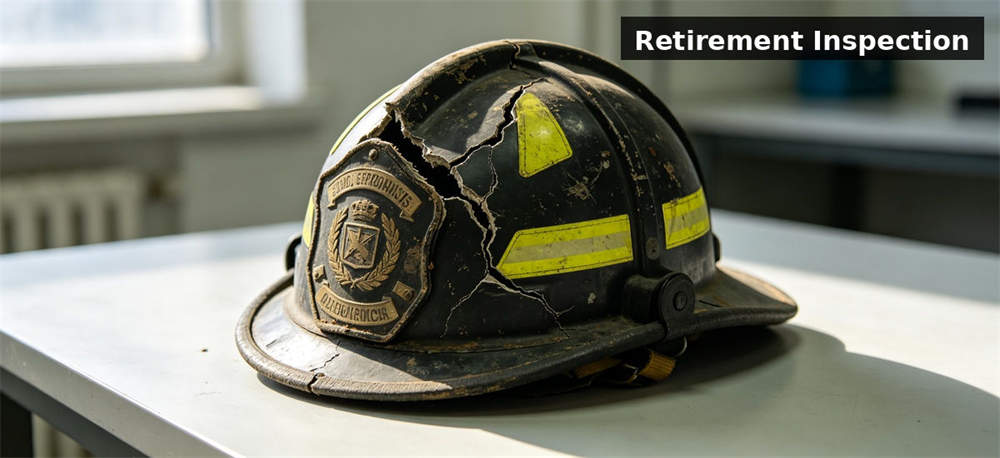
A clean-looking helmet may still be unsafe. Impact liners and UV degradation are internal — you cannot see them. When in doubt, retire it. Replacing a helmet is a small cost compared with the protection it provides.
What is the difference between structural, wildland and rescue helmets?
Structural helmets (EN 443 / NFPA 1971) are for building fire entry — they resist 260°C heat, penetration and high impact, and weigh 450–1800g. Wildland helmets (EN 16471) are for forest patrol — lighter (350–600g), ventilated, with goggles and neck flap, but no high-heat resistance. Rescue helmets (EN 397) are for earthquake/collapse search — lightest (300–500g), with headlamp brackets, but no flame protection. They are not interchangeable.
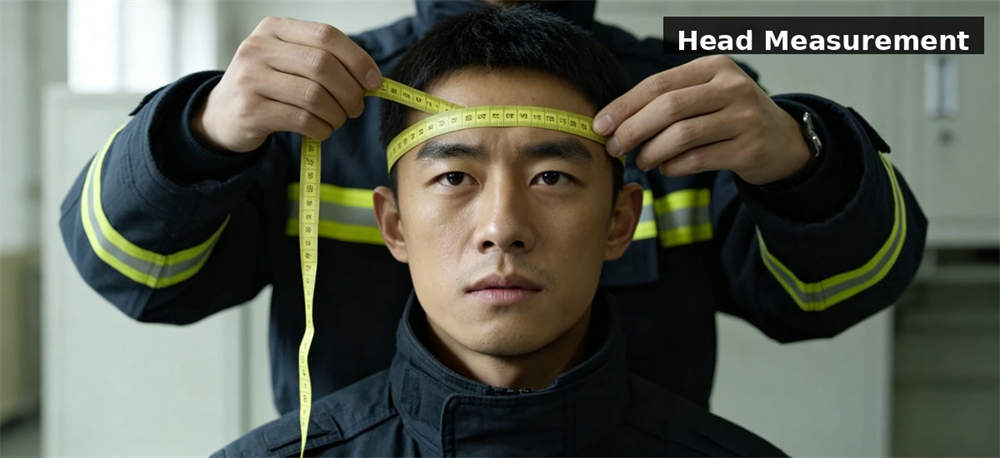
Use a soft tape, measure about 1cm above the eyebrows around the widest point at the back of the head. Measure in the afternoon (heads swell slightly), wear the actual hood or liner, and measure twice — take the larger value. Record head shape (round/oval/long) and whether the wearer uses glasses or a respirator. Convert using the specific helmet model's size chart, not a generic table.
What does EN 443 certify?
EN 443:2008+A1:2011 is the European standard for structural firefighting helmets. It tests impact resistance (5kg hammer from 1m, transmitted force ≤250N), penetration (1kg cone from 3m), heat resistance (260°C contact for 10s without melting), flame resistance (self-extinguish within 5s), chin strap retention (≥150N), and field of view (horizontal ≥105°, vertical ≥45°). Always check the report shows the correct standard version and your exact helmet model.
EN 443 is the European structural firefighting helmet standard; NFPA 1971 is the US equivalent. Both cover impact, penetration, heat and flame, but the test methods and some pass/fail thresholds differ. A helmet certified to one is not automatically certified to the other. Check which standard your tender specifies, and confirm the test report lists that exact standard.
Are ABS and carbon fibre helmets both safe?
Both can meet EN 443 if properly tested. ABS is heavier (800–1200g) but more economical and durable against scratches. Carbon fibre is 30–40% lighter (450–700g) but costs more and can show impact damage more visibly. The key is the test report, not the material name. For long shifts, carbon fibre reduces neck fatigue; for training or volunteer use, ABS is sufficient.
Compatibility depends on the exact combination of helmet model, mask brand and hood. Always perform a full PPE fit test: put on hood, mask (do a negative-pressure seal check), then helmet, then coat. Check that the helmet edge or visor does not lift the mask seal. A successful test only covers that specific combination — it does not prove compatibility with all mask brands.
Typical service life is 5–10 years from manufacture date, depending on material and usage. Check the manufacture date label inside the shell. Retire immediately after any significant impact (even without visible cracks — the internal liner is damaged), or if the shell shows cracks, deformation, heat discolouration, or if suspension/chin strap components fail. UV exposure and heat accelerate ageing.
Can I clean a fire helmet with alcohol or disinfectant?
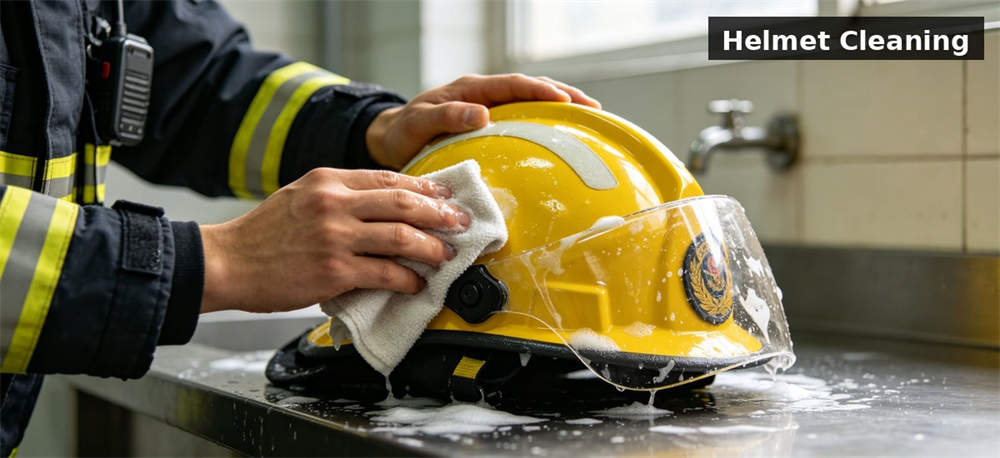
No. Alcohol, acetone, gasoline, bleach and ammonia can craze or dissolve ABS/PC shells, creating invisible weak points. Use warm water and mild soap with a soft cloth for the shell. For the visor, use lens-specific cleaner and a microfibre cloth only — never paper towels. Air dry at room temperature, never on a radiator or with a hair dryer.
EPS (expanded polystyrene) absorbs impact by crushing permanently — after any significant impact, the helmet must be retired because the liner no longer protects. EPP (expanded polypropylene) can partially recover from minor impacts and is reusable, lighter, and more expensive. Both meet standards when new, but EPP helmets have a longer usable life if subjected to minor bumps.
How many helmets should I order per size?
For a typical adult male fire department, use M:L:XL = 2:5:3, with L and XL together about 70% of the order. Add 10% spare for new hires and exchanges. Always base the final distribution on actual measured head circumference data from your team, not a generic ratio. Female firefighters may need a different shell shape.
Yes. Logo options include silk-screen print (best for simple designs), heat transfer (best for complex or multi-colour logos), or adhesive labels (best for small batches). Numbering can be sequential (FD-001 to FD-050), rank-based, or QR code labels. Custom colour and logo add preparation time — confirm the schedule at quotation. Approve a pre-production sample with the actual logo and numbering before bulk.
Randomly select cartons from different positions. Check carton labels (product, size, quantity, carton number, weight). Use AQL 2.5 sampling (e.g. 500 helmets = inspect 50, accept max 3 major defects). Check each sampled helmet against your sealed sample: shell, colour, suspension, chin strap buckle, visor, labels. Count by size separately. Record discrepancies with photos and carton numbers. Isolate any defective units.
Do you provide test reports and certifications?
We can help arrange third-party test reports based on your project requirements — EN 443, EN 16471, EN 397, NFPA 1971, or CE certification. The buyer selects the standard and testing laboratory based on the destination market. Third-party testing fees are borne by the buyer. We recommend completing testing as part of sample approval, before bulk production. Each report covers the exact model tested — it does not transfer to a different model or configuration.
Standard models: 7–15 working days after order confirmation. Fully custom builds or orders requiring certification testing: 20–35 working days including test time. Standard models can sometimes start production within 72 hours for urgent orders — confirm capacity first. MOQ varies by helmet type and configuration and is confirmed at quotation. The final schedule is stated in the contract.
How do sample fees and timing work?
Specification sheets and quotations are free. Stock/standard samples are dispatched within 3–5 working days; the sample fee depends on the helmet model. Fully custom samples (Pantone colour, logo, custom mould or certification) take 20–35 working days and are quoted by complexity. The sample fee can be credited against the bulk order once confirmed, with terms agreed in writing. Courier costs are borne by the buyer.
Yes. Replacement visors, liners, chin straps, buckles, pad sets and lamp brackets are available for all helmet models we supply. Always order by the exact helmet model number to ensure fit — visually similar parts from different models may not be compatible. We recommend stocking 1 spare part set per 10 helmets for routine maintenance. Spare parts are covered under the same warranty for manufacturing defects.
INTERNAL LINK CARD AREA - target page and URL pending
|
Urgent helmet or compatibility question |
Compare all helmet types and options |
 |
 |
|
Discuss sizing, samples and inspection |
Structural, wildland, rescue and more |
|
|
Links amigáveis :
direito autoral © Custom Disaster - Relief Bedding: Tents, Sleeping Bags, Blankets Todos os direitos reservados
a equipe profissional para o serviço !