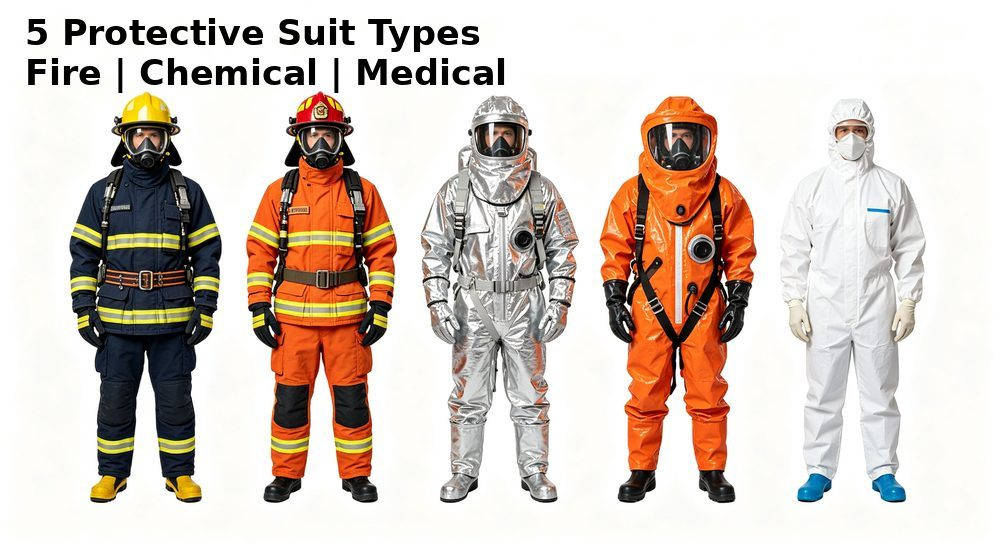
Protective clothing is not a one-size-fits-all product. A structural firefighter needs flame-resistant layers and thermal insulation; a chemical spill responder needs a fully encapsulated suit with gas-tight seals; a medical worker needs a lightweight microbial barrier. This page compares five wholesale protective clothing types — including safety clothing, workwear coveralls, PPE clothing and disposable coveralls — essential PPE clothing for frontline workers — each with real materials, applicable standards, sizes and bulk packing — so government, disaster relief and industrial buyers can match the garment to the actual hazard. Whether you need flame resistant clothing for fire crews, hi vis coveralls for roadside workers, or custom protective clothing for your organization, we cover the full range.
YRF Textile supplies bulk protective clothing to fire departments, industrial safety teams, chemical plants, hospitals, government emergency agencies and disaster relief organizations. We produce in China with volume pricing and priority production for large orders. Every shipment passes four-stage quality inspection: incoming material check, in-line sewing check, finished product testing and pre-shipment sampling. Test reports are available for tender documents.
This page covers protective clothing only. Helmets, respirators, gloves, boots and other PPE are separate product lines. A complete protective ensemble requires matching all components — confirm compatibility before ordering.
Products Comparison Standards Scenarios Sizing Donning Order Setup Key Points Care & Retirement Custom Certifications Packing Quality Why YRF FAQ
Table of Contents |
|
|
|
|
|
|
|
|
|
|
|
|
|
This quick selection guide helps procurement officers identify the right protective clothing type in under a minute by matching hazard category, certification level, and usage environment.
Answer these three questions to narrow down the product type, then check the specifications below.
First, identify the primary hazard category—thermal, chemical, biological, or mechanical. Second, determine the required certification level based on local regulations and industry standards. Third, consider the usage environment and duration to select between disposable and reusable options. This three-step process narrows down the appropriate protective clothing type quickly.
Question 1 — What is the primary hazard?
Building / structural fire → Structural Firefighting SuitMedical / biological isolation → Medical Isolation Coverall
Long-term (over 90 min) → Heavy-duty with spare sets for rotation
Medical → Face mask, goggles, nitrile gloves, shoe covers
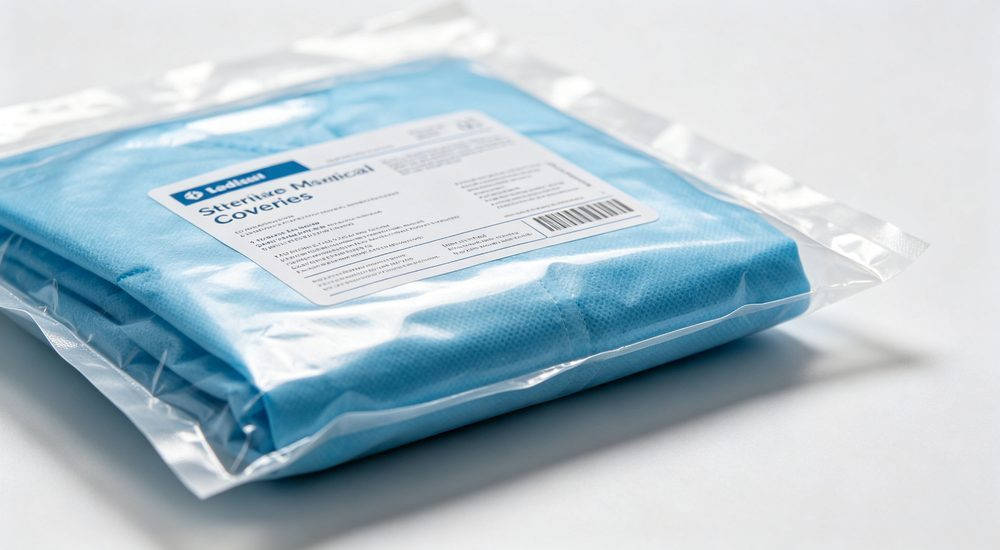
Our disposable protective coveralls are available in both SMS and microporous film configurations for single-use applications where decontamination is impractical or cost-prohibitive.
Our protective clothing range covers five verified product lines, each engineered for specific hazard environments with detailed specifications, material compositions, and typical applications.
This range includes protective coveralls, disposable coveralls, and reusable protective suits designed for industrial, firefighting, and medical applications.
Below are five protective clothing types, each with verified parameters. As a body protective clothing wholesale supplier, we offer custom sizes, colours and marking for bulk orders, including safety coveralls and work coveralls for industrial use.
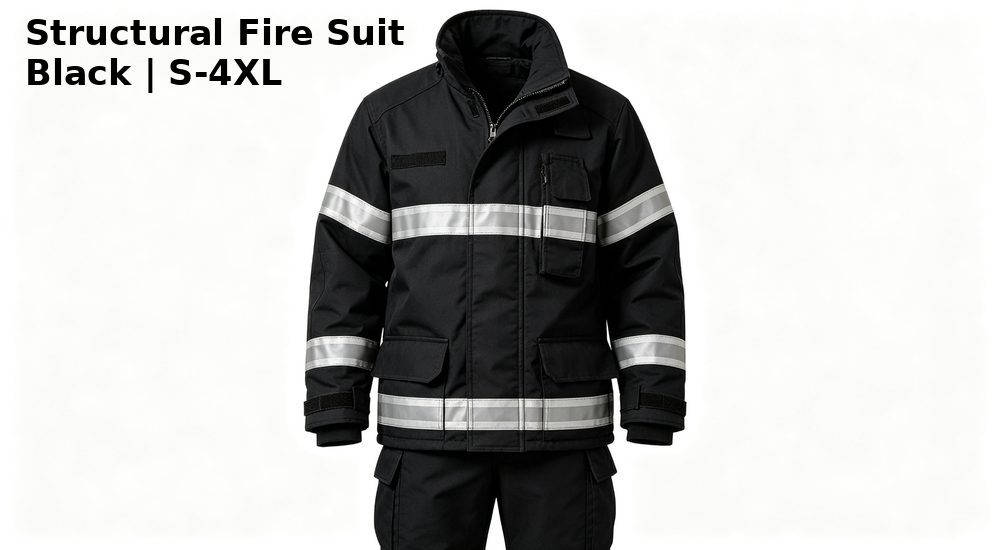
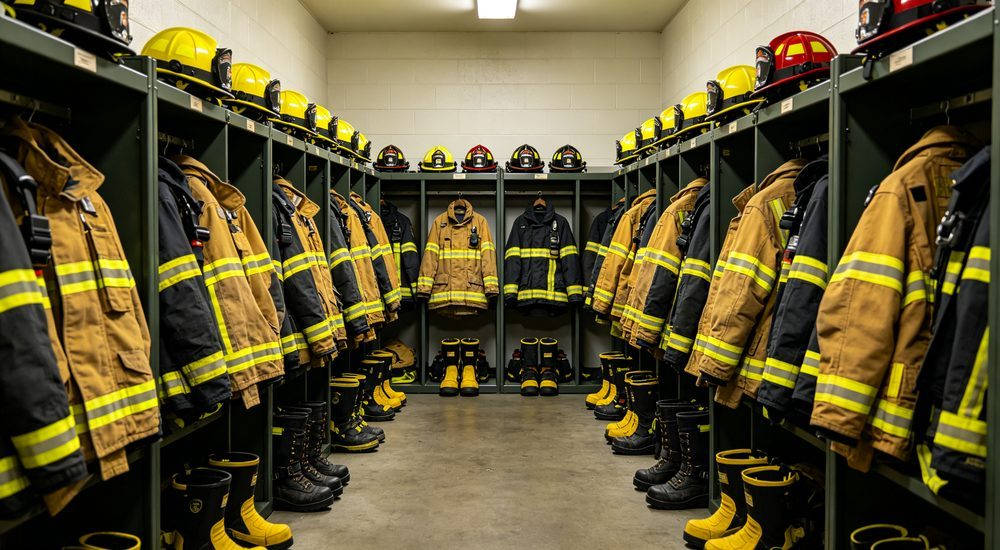
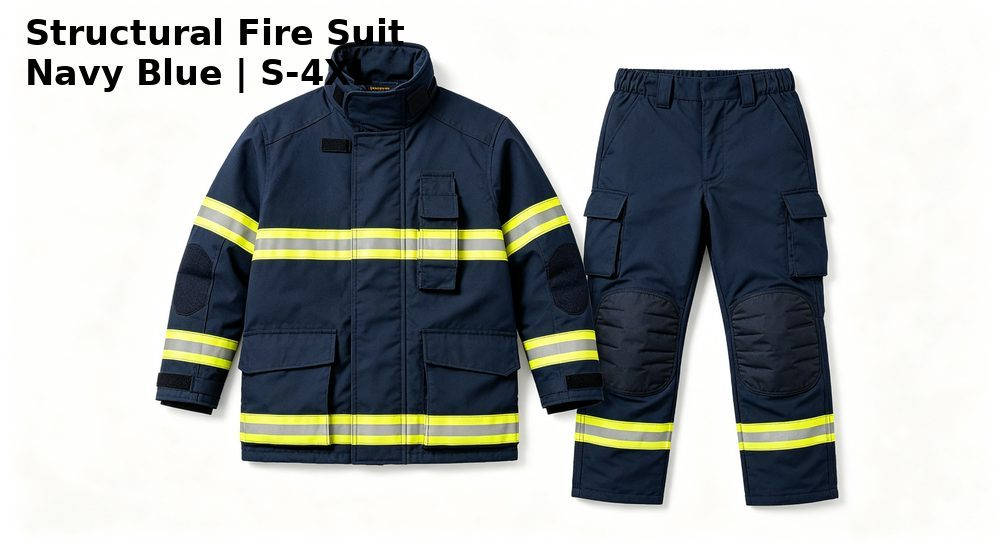
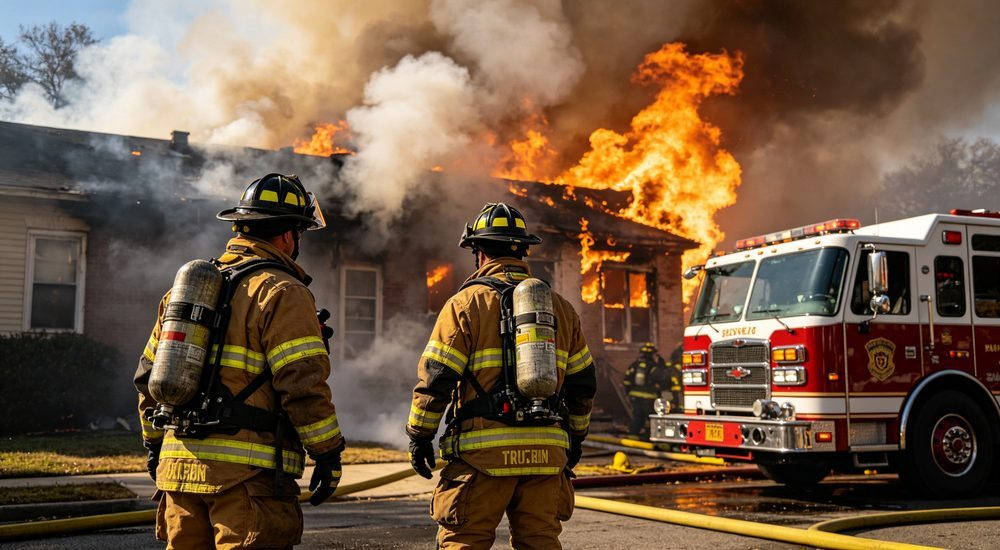
Multi-layer protective suit for building and structural firefighting. Three-layer construction: outer shell, moisture barrier and thermal liner. Designed for flashover resistance, thermal insulation and mobility in fire scenes.
|
Garment type |
Jacket and trousers two-piece set |
|
Outer shell |
Nomex IIIA or PBI/Kevlar blend, 200-260 g/m² |
|
Moisture barrier |
Bi-component membrane (Stedair / Crosstech equivalent), waterproof and breathable |
|
Thermal liner |
Nomex batting or aramid felt quilt, 80-120 g/m² |
|
Layers |
3-layer: outer shell + moisture barrier + thermal liner |
|
Applicable standard |
applicable fire safety standards / EN 469 |
|
Thermal protection |
TPP (Thermal Protective Performance) ≥35; THL (Total Heat Loss) ≥205 W/m² |
|
Weight |
3.5-5.0 kg per set (size L) |
|
Colours |
Navy, black, khaki with black reinforcement; 3M reflective trim |
|
Features |
Storm flap, adjustable cuffs/hems, utility pockets, elbow/knee reinforcement, drag rescue device |
|
Sizes |
S-4XL (height 160-195cm) |
|
Closure |
Heavy-duty zipper with storm flap |
|
Packing |
1 set per export carton, 60×40×30cm |
|
Care |
Machine wash with firefighter gear detergent, line dry; follow applicable fire safety standards cleaning schedule |
Selecting the appropriate protective clothing requires careful evaluation of hazard type, exposure duration, and mobility requirements for each operational scenario.
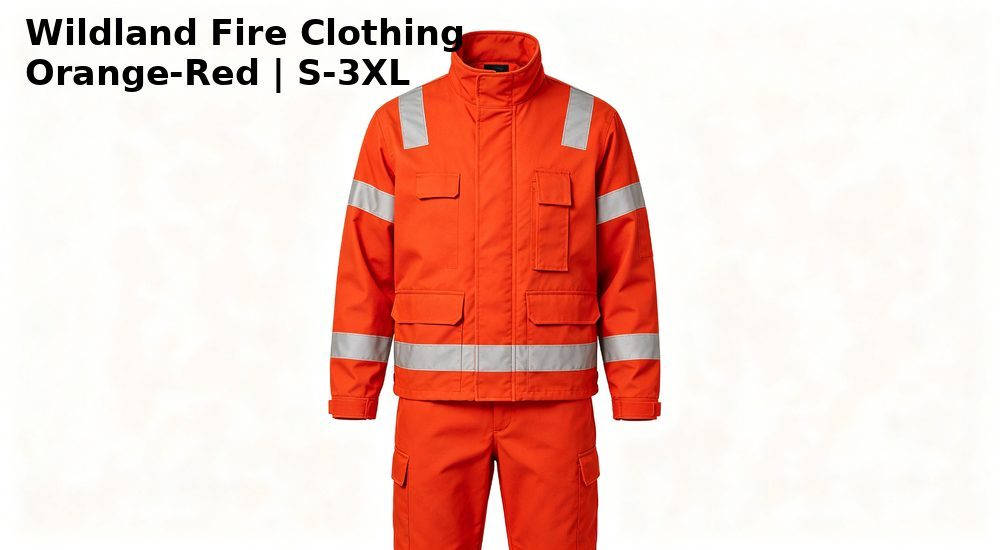
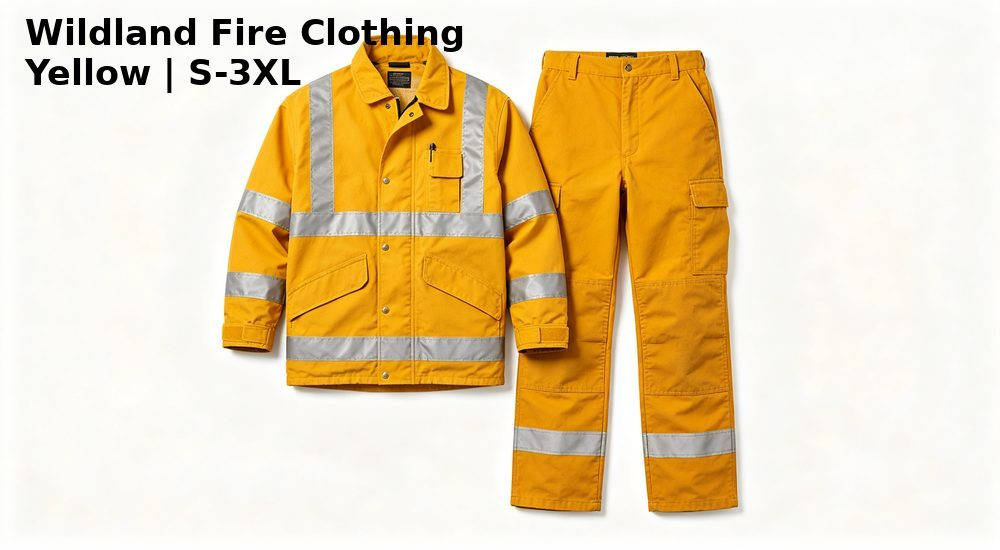
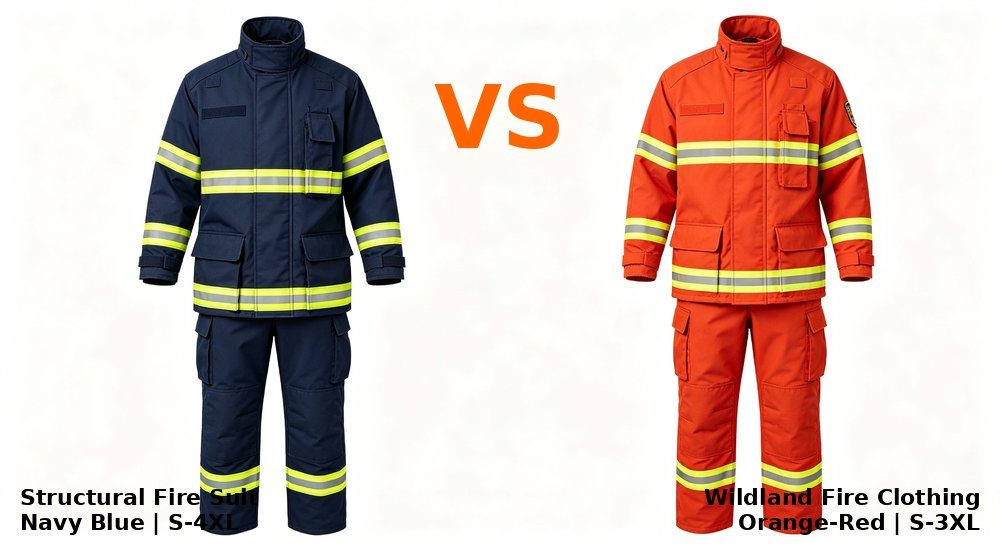
Lightweight aramid clothing for grassland, forest and vegetation fire ground operations. Prioritizes mobility, breathability and visibility over the heavy thermal insulation of structural suits. Suitable for long-duration patrol and mop-up work.
|
Garment type |
Jacket and trousers, or coverall |
|
Fabric |
Aramid blend (Nomex/Kevlar), 170-220 g/m² |
|
Applicable standard |
applicable fire safety standards / EN 15614 |
|
Weight |
1.8-2.8 kg per set |
|
Colours |
Orange-red, yellow with silver-grey reflective trim |
|
Features |
Stand collar, covered front zipper, flap pockets, waist/sleeve reflective trim, hood option |
|
Sizes |
S-3XL (height 160-190cm) |
|
Breathability |
Single-layer aramid for air circulation during active work |
|
Abrasion |
Reinforced at elbows, knees and seat for ground contact |
|
Closure |
Covered zipper with storm flap |
|
Packing |
1 set per bag, 10 sets per carton |
|
Care |
Machine wash mild, line dry |
Certification standards vary by protective clothing category, and verifying the correct standard for your application is essential before procurement.
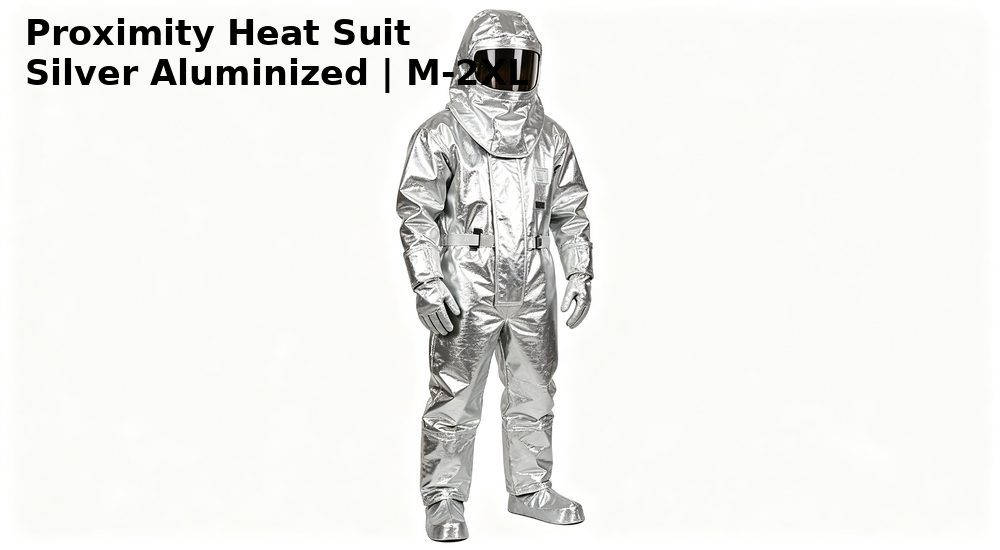
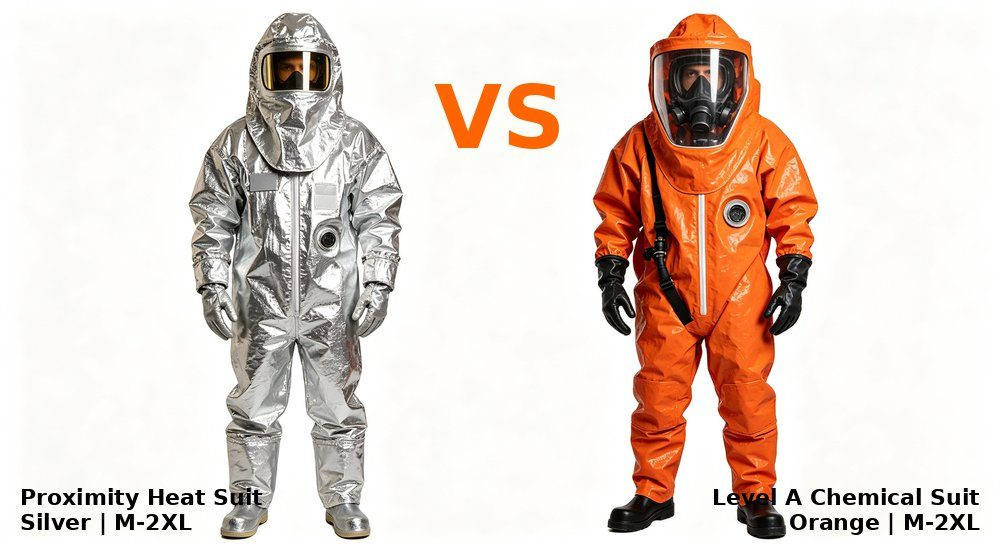
Aluminized reflective suit for radiant-heat approach work, industrial high-temperature maintenance and furnace operations. The silver aluminized surface reflects radiant heat away from the wearer. Designed for radiant heat approach at a safe distance from the heat source.
Garment type
Two-piece or coverall with hood, visor, gloves and foot covers
Outer surface
Aluminized reflective fabric over flame-resistant aramid base
Aluminized layer
0.1-0.3mm thickness, radiant reflectance ≥90%
Radiant heat
Withstands radiant heat flux up to 40 kW/m² at approach distance
Contact heat
250-300°C contact resistance (EN 11612 level C3-D3)
Applicable standard
EN 11612 / applicable fire safety standards
Weight
4.0-6.0 kg per complete kit
Visor
Gold-coated or clear polycarbonate, anti-fog, wide field of view
Interfaces
Neck, cuffs, waist, hems overlap with gloves and boot covers
Sizes
M-2XL (height 165-190cm)
Closure
Heavy-duty zipper or hook-and-loop front
Packing
1 complete kit per carton, 70×50×40cm
Care
Wipe clean, inspect aluminized layer for cracking/delamination
Proper storage conditions preserve the integrity of protective clothing materials and maintain certified performance levels throughout the product shelf life.
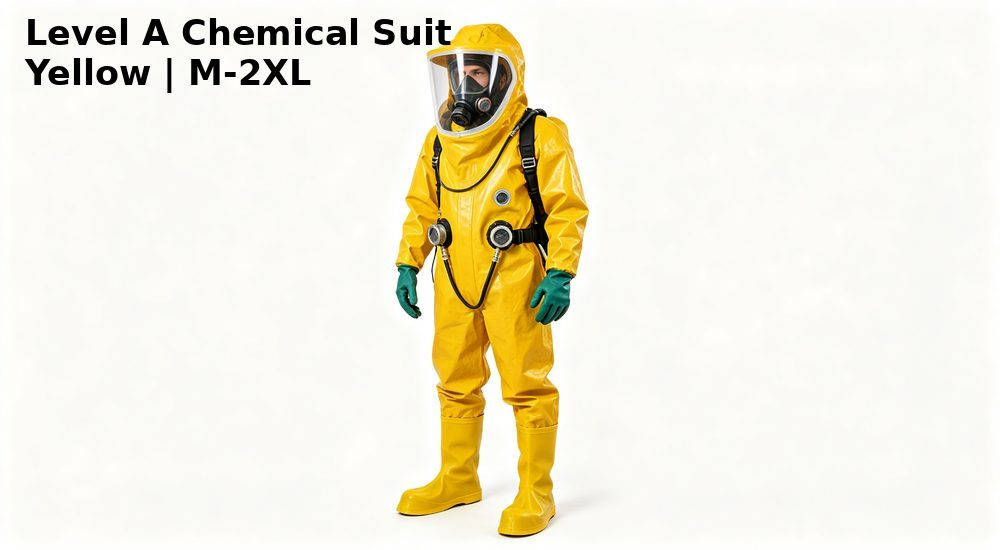
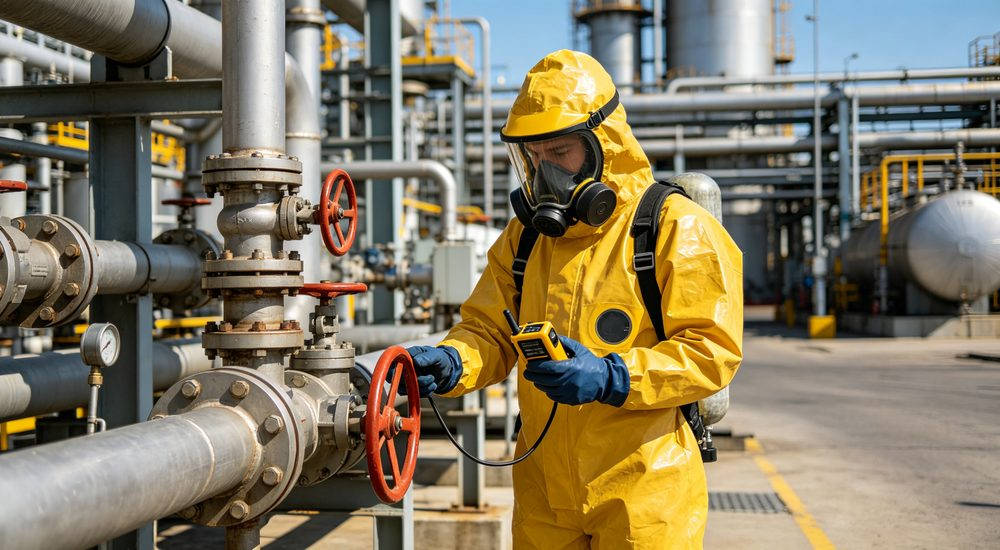
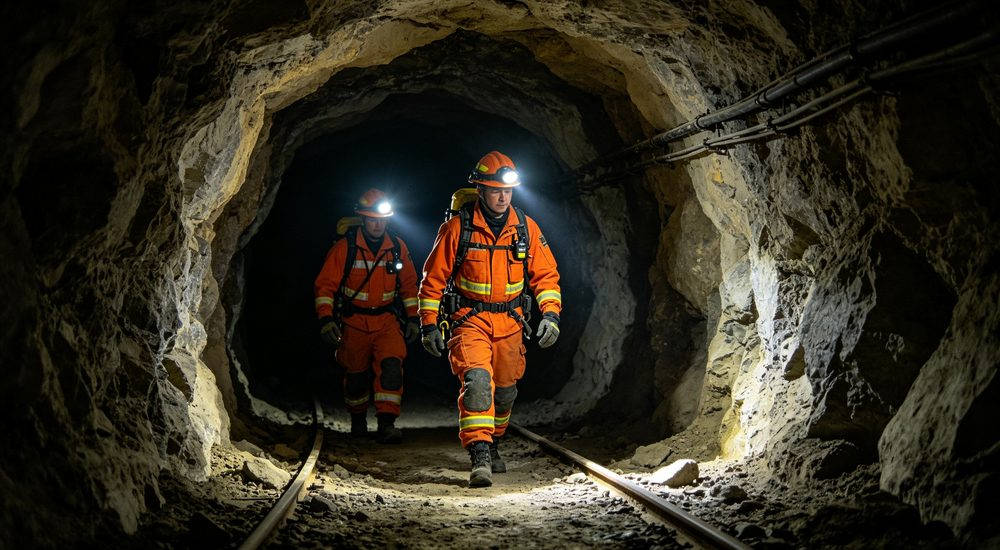
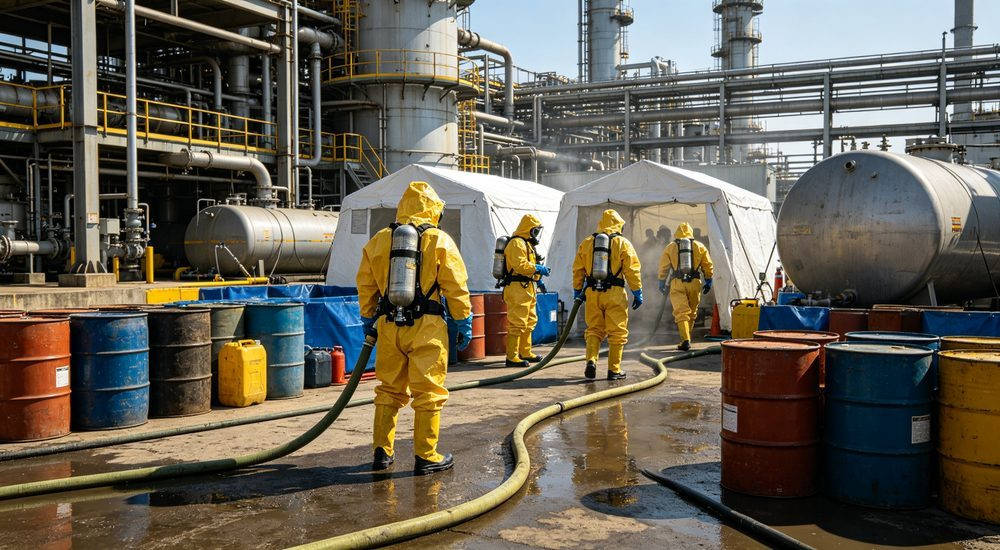
Gas-tight fully encapsulated suit for high-risk chemical leak response. Designed for use with positive-pressure SCBA inside the suit. Provides the highest level of protection against vapours, gases and liquid chemicals. Requires trained personnel and a buddy system.
|
Garment type |
One-piece fully encapsulated coverall |
|
Material |
Multi-layer composite film (butyl rubber / fluoropolymer barrier), 0.5-0.8mm total thickness |
|
Protection level |
EPA Level A / EN 943-1 / applicable fire safety standards |
|
Chemical resistance |
Breakthrough time ≥480 min for common industrial chemicals (model-specific data sheet provided) |
|
Visor |
Wide polycarbonate visor, chemical-resistant, anti-fog |
|
Respirator interface |
Accommodates positive-pressure SCBA inside suit |
|
Gloves |
Replaceable butyl rubber gloves, ring-lock interface |
|
Boots |
Integral chemical-resistant boots or sock-style with boot covers |
|
Valves |
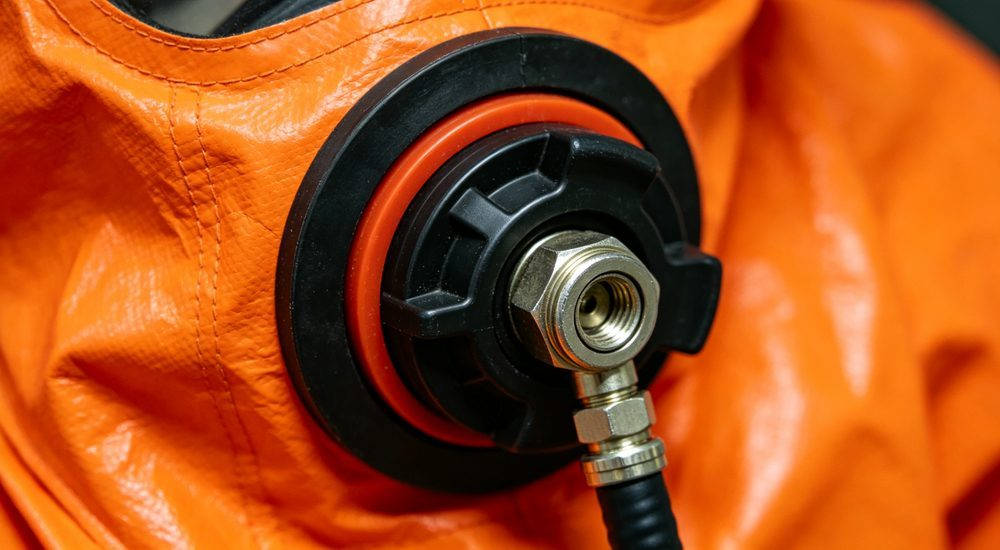
Inlet and outlet pressure valves for positive pressure |
|
Seams |
Heat-welded and taped for gas-tight integrity |
|
Sizes |
M, L, XL, 2XL |
|
Weight |
5.0-8.0 kg per suit |
|
Pressure test |
Positive pressure leak test before each use (hold pressure ≥6 min) |
|
Packing |
1 suit per carton with storage bag and instruction sheet |
|
Care |
Decontaminate after use, inspect seals/valves, store in cool dry area |
Bulk procurement of protective clothing allows organizations to optimize costs while ensuring consistent inventory levels across multiple teams or departments.
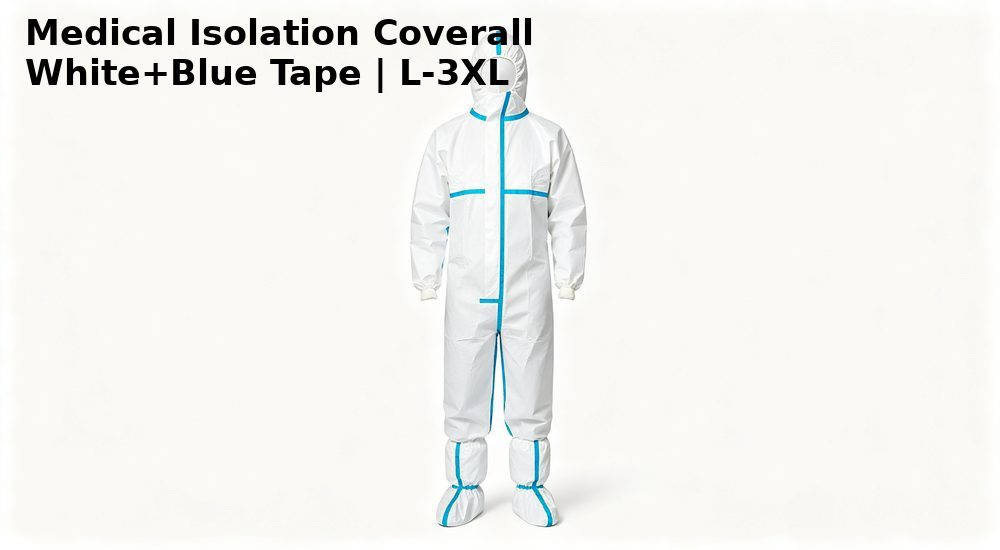
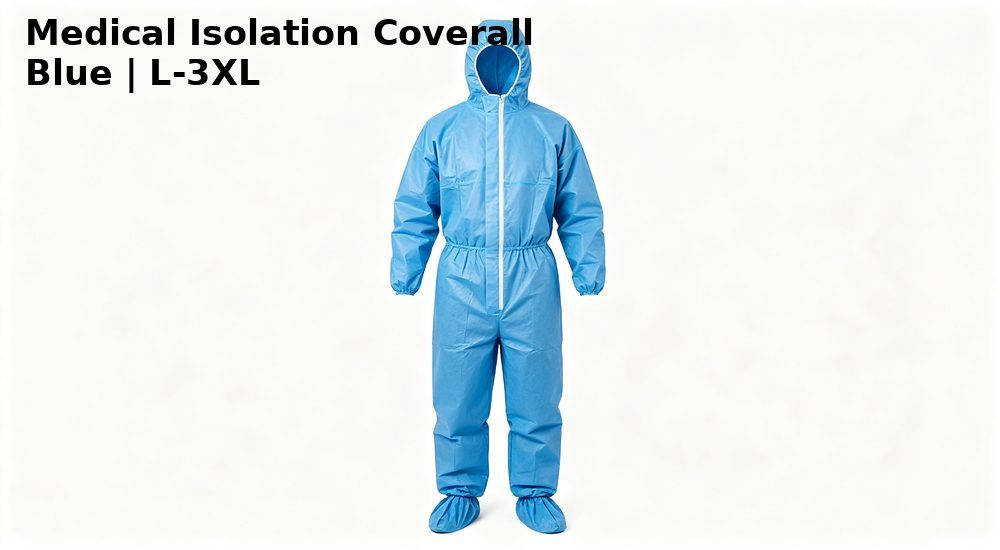
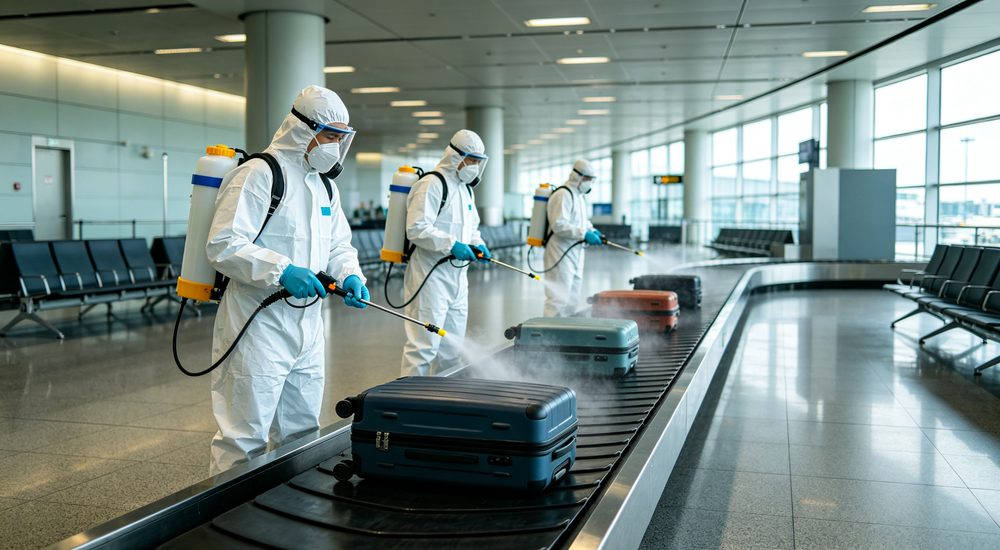
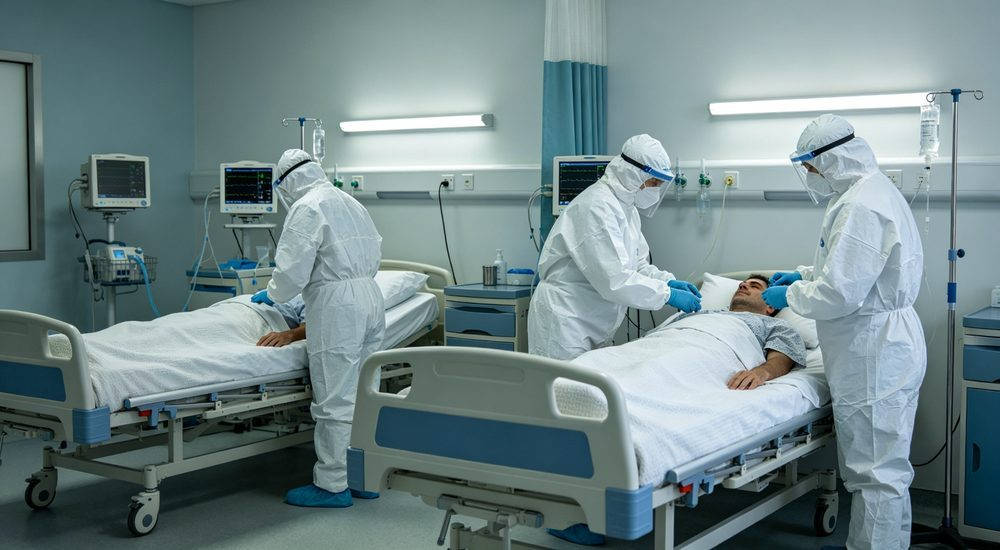
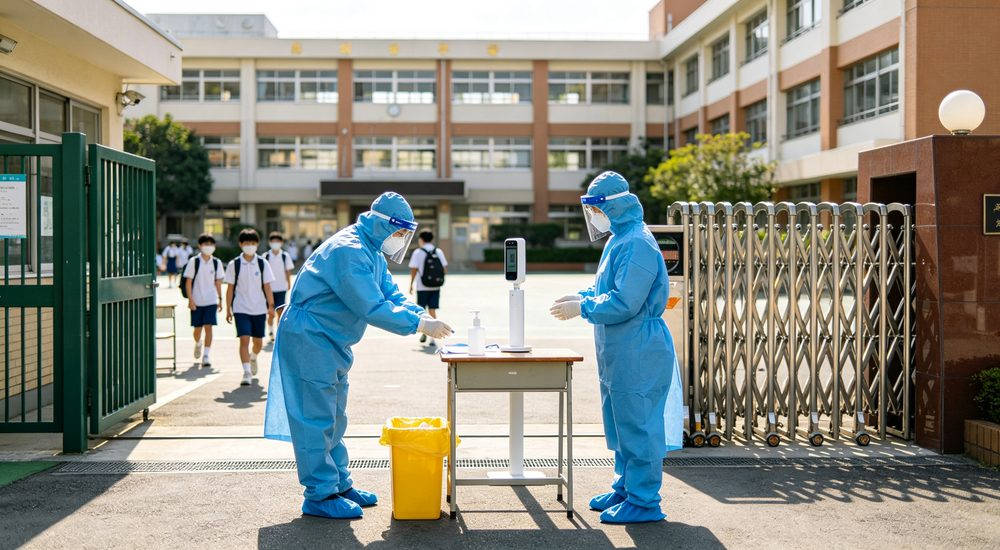
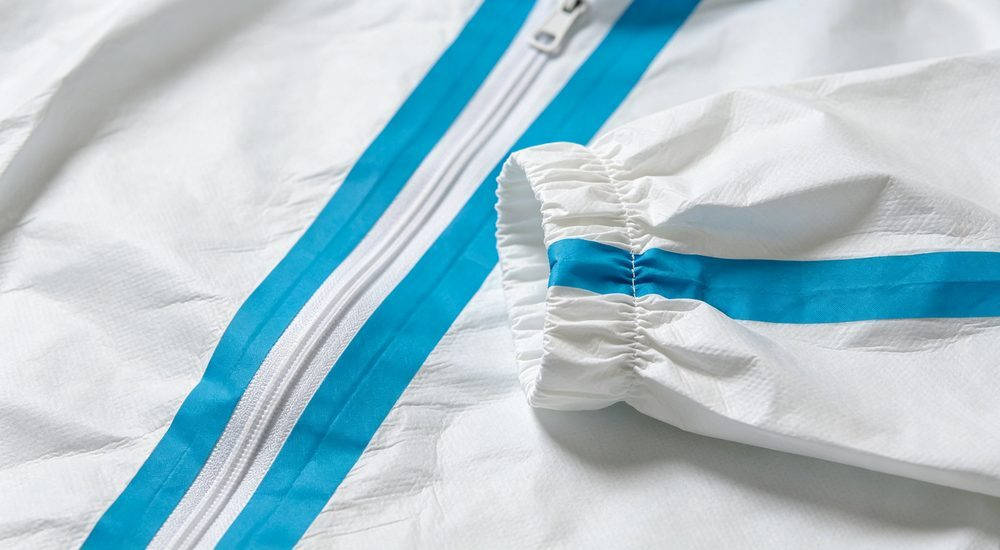
Disposable coverall for medical isolation, contamination control and emergency reserve. Lightweight nonwoven fabric with liquid and particle barrier. Available sterile or non-sterile. Suitable for hospitals, clinics and disease control settings.
|
Garment type |
Hooded coverall, elastic cuffs and ankles |
|
Fabric |
SMS nonwoven or PP+PE film laminate, 40-65 g/m² |
|
Applicable standard |
Type 5/6 (EN 13982), EN 14126 (microbial barrier) |
|
Liquid barrier |
Hydrostatic pressure ≥1.5 kPa (Type 6); synthetic blood penetration resistance per recognized test methods |
|
Particle barrier |
Inward leakage ≤15% (Type 5, EN 13982) |
|
Sterilization |
Ethylene oxide (EO) sterile, or non-sterile |
|
Weight |
180-300g per coverall |
|
Colours |
White with blue seam tape |
|
Features |
Front zipper, double placket, elastic waist, hood, thumb loops |
|
Sizes |
L, XL, XXL, XXXL |
|
Seams |
Overlocked or heat-taped for liquid barrier |
|
Packing |
Individual pack (sterile) or 50-100 per carton (non-sterile) |
|
Expiry |
Sterile: 3-5 years from production date |
|
Care |
Single-use only |
Compatibility between protective clothing and other PPE components such as gloves, boots, and respiratory equipment is essential for complete worker protection.
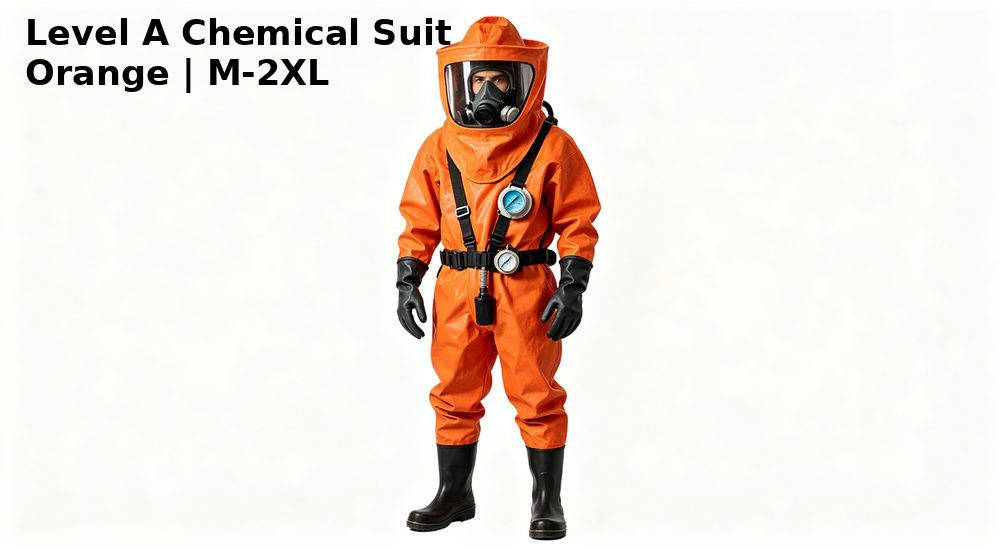
The hazmat protective suit category includes Level A fully encapsulated suits for highest-level chemical exposure, with integrated respiratory protection compatibility.
This comparison table summarizes key specifications across all five protective clothing lines, including material weight, certification standards, and temperature resistance for at-a-glance evaluation.
The comparison covers chemical protective clothing, fire resistant clothing, and medical protective clothing options to support comprehensive procurement decisions.
Use this table to compare all five lines at a glance. Click any product name for full details.
Each column in the comparison table represents a distinct product line with verified specifications.
Pay special attention to material composition, weight per square meter, certification standards, and temperature resistance ratings, as these parameters directly impact suitability for your specific application.
Product
Primary hazard
Material
Standard
Weight
Key feature
Structural Fire Suit
Building fire, flashover
Nomex/PBI 3-layer
applicable fire safety standards / EN 469
3.5-5.0kg
Thermal insulation, TPP≥35
Wildland Fire Clothing
Grass/forest fire
Aramid single-layer
applicable fire safety standards / EN 15614
1.8-2.8kg
Lightweight, breathable, high visibility
Proximity Heat Suit
Radiant heat, furnace
Aluminized composite
EN 11612 / applicable fire safety standards
4.0-6.0kg
≥90% radiant reflectance
Level A Chemical Suit
Toxic gas/liquid spill
Butyl/fluoropolymer
EPA Level A / EN 943-1
5.0-8.0kg
Gas-tight, SCBA inside
Medical Isolation Coverall
Biological, splash
SMS/PP+PE nonwoven
Type 5/6 / EN 14126
180-300g
Disposable, sterile option
Standard
Region
Applies to
Key requirement
applicable fire safety standards
USA
Structural firefighting
Thermal protection, flame resistance, visibility
EN 469
EU
Structural firefighting
Thermal performance, water penetration, mechanical strength
applicable fire safety standards
USA
Fire gear care & retirement
Cleaning, inspection, retirement criteria
applicable fire safety standards
USA
Wildland firefighting
Flame resistance, mobility, visibility
EN 15614
EU
Wildland firefighting
Heat and flame, design requirements
EN 11612
EU
Proximity / heat approach
Radiant and convective heat protection
applicable fire safety standards
USA
Proximity firefighting
Radiant heat, total heat loss
EPA Level A
USA
Chemical vapor protection
Fully encapsulating, gas-tight
EN 943-1
EU
Chemical gas-tight suits
Leak-tightness, chemical resistance
applicable fire safety standards
USA
Vapor-protective chemical suit
Chemical permeation, pressure test
EN 13982 (Type 5/6)
EU
Particle / liquid splash coverall
Particle inward leakage, liquid repellency
EN 14126
EU
Microbial barrier
Virus/bacteria penetration resistance
Government procurement protocols for protective clothing often require standardized certification documentation, bulk pricing structures, and long-term supply agreements.
Different operational environments require distinct protective clothing configurations, matching six common procurement scenarios with the appropriate garment type and selection criteria.
Industrial scenarios may require cut resistant clothing or arc flash clothing, while outdoor roles benefit from hi vis clothing and waterproof protective clothing configurations.
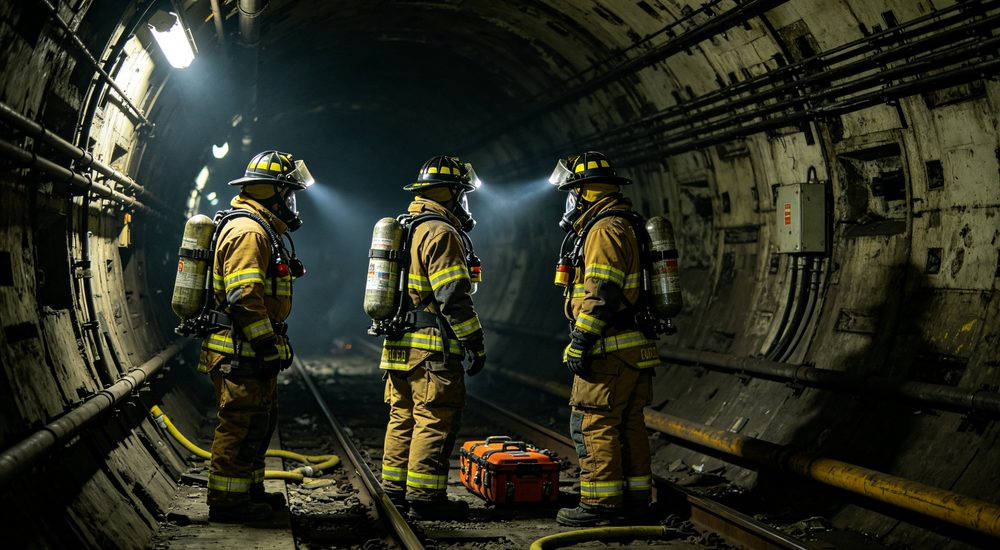
Start with: Structural Firefighting Suit, flame-resistant Nomex IIIA 220g/m², navy with 3M reflective trim, size S-4XL. One set per firefighter plus one spare for rotation. Confirm TPP rating and applicable fire safety standards compliance. Pair with helmet, gloves, boots and SCBA from the same ensemble for compatibility.
Start with:Wildland Firefighting Clothing, aramid blend 190g/m², orange-red with silver reflective trim. Lightweight for long-duration hiking and mop-up.
One set per crew member plus spare for laundry rotation. Confirm applicable fire safety standards or EN 15614. High-visibility colour is critical for crew safety on the fire line.
Start with:Proximity Heat Suit, aluminized composite, complete kit with hood/visor/gloves/foot covers. For radiant heat approach work at steel mills, foundries and petrochemical plants.
Confirm heat source temperature and approach distance. Two sets per worker for rotation and inspection. Train workers on aluminized layer care and inspection.
Start with:Level A Encapsulated Chemical Suit, butyl rubber composite, with SCBA compatibility. Confirm chemical compatibility for the specific chemicals on site.
Minimum 2 suits per response team (buddy system). Include decontamination protocol and spare gloves/visors. Conduct regular pressure tests and inspection.
Start with:Medical Isolation Coverall, SMS 50g/m², EO sterile, white with blue seam tape. Size L-XXXL. Calculate daily consumption × reserve days.
Sterile coveralls for high-risk zones, non-sterile for general areas. Pair with N95 masks, goggles, nitrile gloves and shoe covers. Check expiry dates for sterile stock.
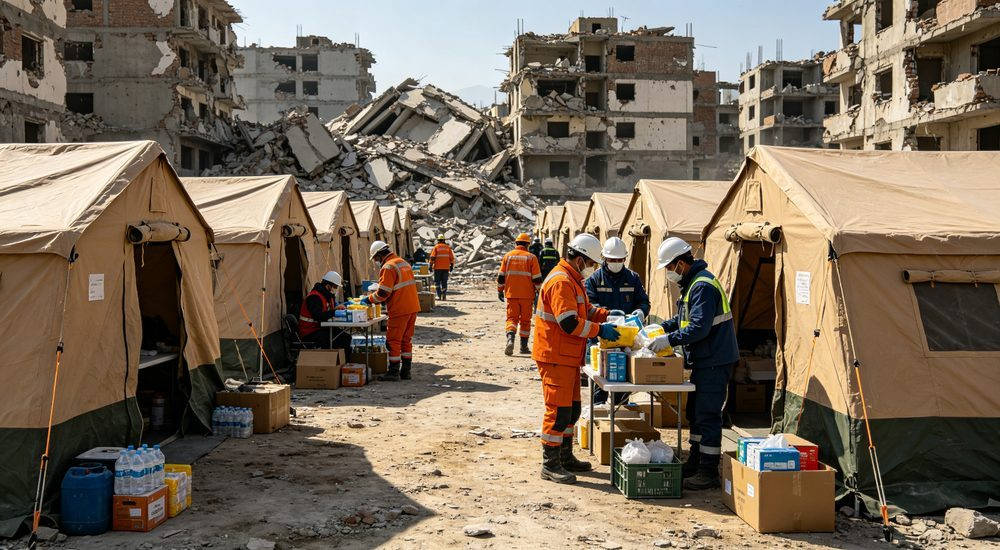
Start with:Mixed stock based on regional risk profile. Typical reserve: 40% structural fire suits, 20% wildland, 10% proximity heat, 10% Level A chemical, 20% medical isolation. Store in climate-controlled conditions.
Track expiry dates (especially sterile medical coveralls). Plan 5-year rotation for reusable garments. Include training and inspection schedules.
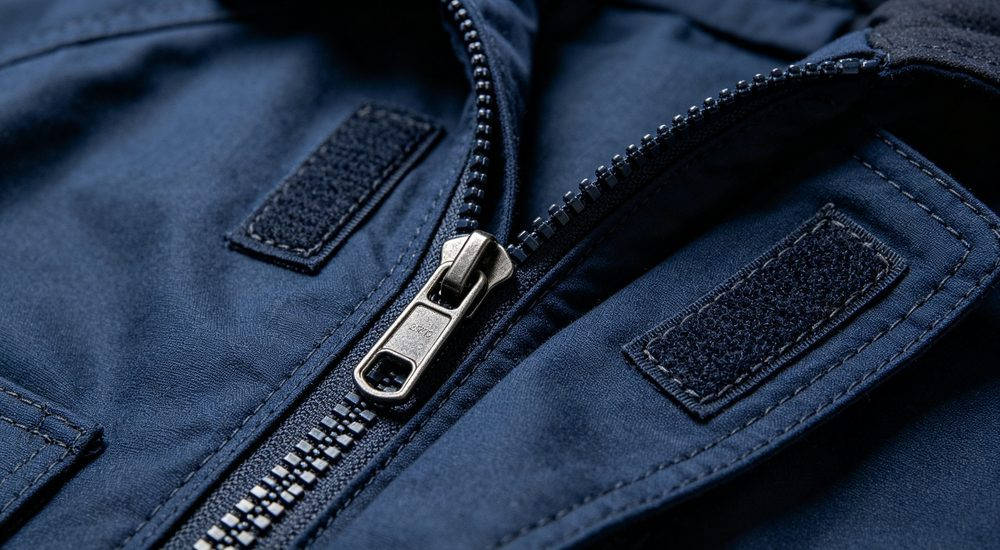
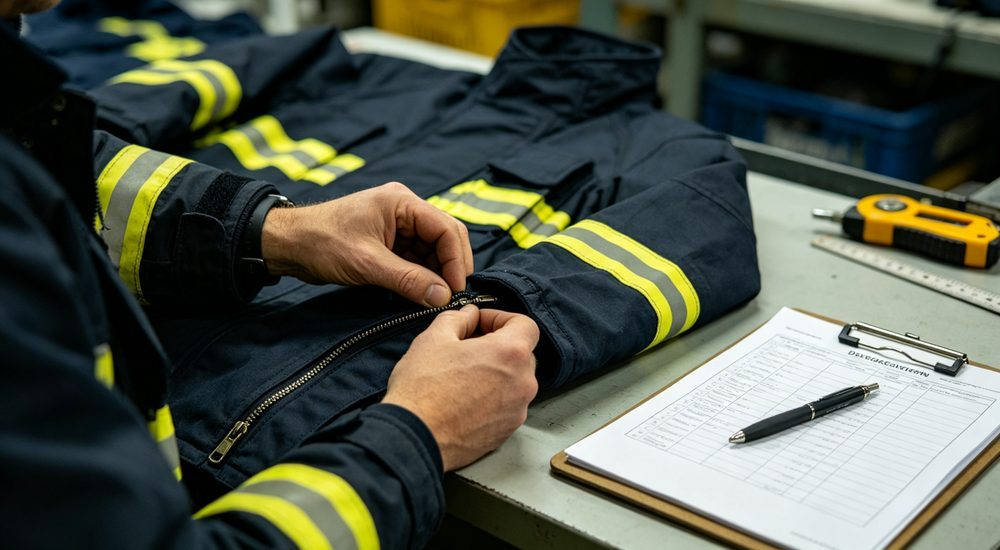
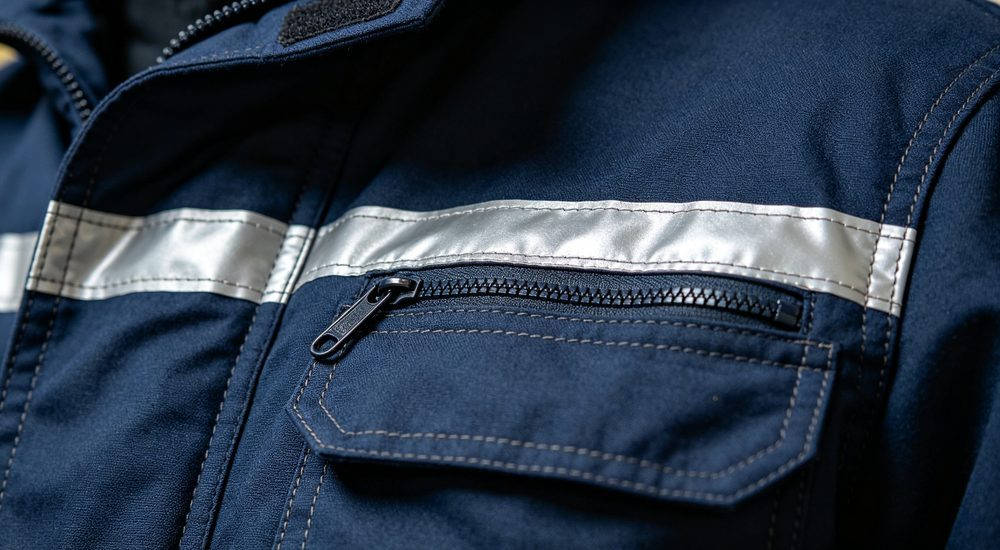
This close-up view shows the detailed construction and material quality of our protective clothing.
Not sure which protective clothing type fits your team?
Send us your hazard type, team size and applicable standard. We will recommend the right garment and provide a bulk quotation within 24 hours.
This protective clothing sizing guide covers chest, waist, inseam, and height measurements for both men and women, with special considerations for layering over base garments.
Proper fit directly impacts both safety and comfort, covering measurement methods, size selection, fit verification, and adjustment tips for coveralls, chemical suits, and firefighting garments.
Proper sizing applies equally to protective coveralls, safety coveralls, and protective workwear, as ill-fitting garments compromise both safety and mobility.
Proper fit is critical for protective clothing — too tight restricts movement, too loose creates snag hazards and gaps. Different garment types have different fit requirements: fire suits allow room for underlayers, chemical suits must seal at all interfaces, medical coveralls prioritize quick donning.
|
Size |
Height |
Chest |
Waist |
Typical build |
|
S |
160-168cm |
88-96cm |
72-80cm |
Small / slim |
|
M |
168-175cm |
96-104cm |
80-88cm |
Medium / average |
|
L |
175-182cm |
104-112cm |
88-96cm |
Large / athletic |
|
XL |
182-188cm |
112-120cm |
96-104cm |
X-large / broad |
|
2XL |
188-195cm |
120-130cm |
104-114cm |
XX-large / heavy |
|
3XL |
190-198cm |
130-140cm |
114-124cm |
XXX-large |
|
4XL |
195-200cm |
140-150cm |
124-134cm |
XXXX-large |
Different working environments require different levels of protection. Our product range covers all major risk categories.
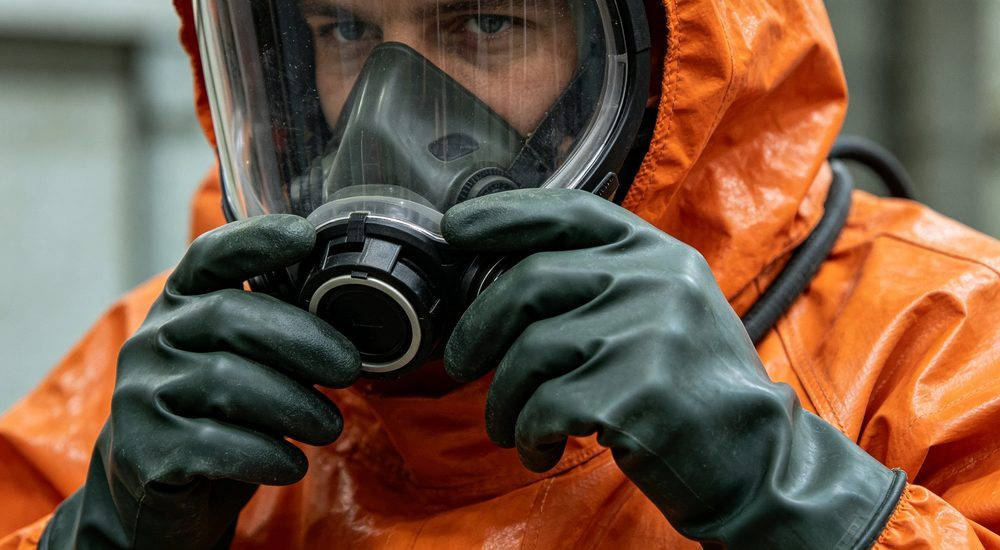
Correct donning and doffing procedures prevent contamination and ensure maximum protection, with step-by-step instructions for chemical resistant coveralls and fully encapsulated suits.
Correct donning and doffing protects the wearer and prevents contamination. Follow these steps for each garment type.
Doffing note: Chemical suit doffing requires a decontamination line. Remove outer gloves first, then wash suit exterior, then remove suit from inside out to prevent self-contamination. Medical coveralls are removed by rolling from top down, touching only the inside surface.
This reference configuration shows a typical bulk order setup for a 50-person multi-hazard emergency response team, including product mix, size distribution, and accessory combinations.
Below is a typical protective clothing order for a 50-person multi-hazard emergency response team covering fire, chemical and medical scenarios. Use as a reference — your actual mix depends on roles, shifts and reserve policy.
|
Item |
Specification |
Quantity |
Unit weight |
Total weight |
|
Structural fire suit |
Nomex IIIA 220g/m², navy, size S-4XL |
50 sets |
4.2 kg |
210 kg |
|
Spare rotation suits |
Same spec, for laundry/repair rotation |
15 sets |
4.2 kg |
63 kg |
|
Wildland fire clothing |
Aramid 190g/m², orange-red |
30 sets |
2.2 kg |
66 kg |
|
Proximity heat suit |
Aluminized, complete kit |
4 kits |
5.0 kg |
20 kg |
|
Level A chemical suit |
Butyl composite, SCBA-compatible |
6 suits |
6.5 kg |
39 kg |
|
Medical isolation coveralls |
SMS 50g/m², sterile, reserve |
200 pcs |
0.25 kg |
50 kg |
|
Total |
— |
≈448 kg |
||
MOQ: 50 sets for fire/chemical suits; 500 pcs for medical coveralls. Mixed product orders accepted for container loading.
project timeline: 15-30 working days for standard items; 30-45 days for custom colours, logos or special fabrics.
Sample: Available before bulk production. Sample investment and delivery confirmed per item.
Protective clothing does not include helmets, gloves, boots or respirators — these are ordered separately for a complete ensemble. We can provide a combined quotation for all PPE items. Final quantities and delivery timing are confirmed per order. Request a custom quote for your specific team size and hazard profile.
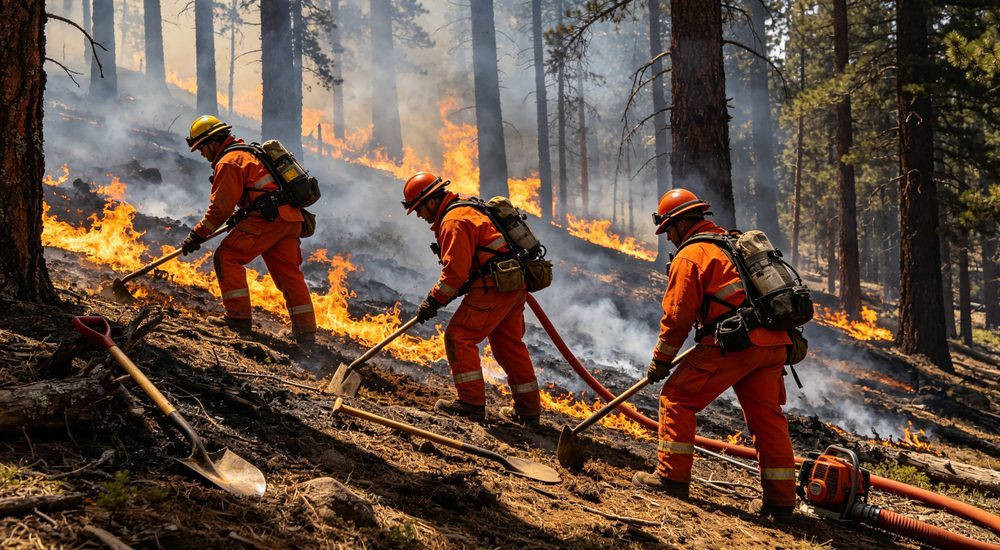
Use this checklist when preparing your specification or tender document. Each point helps ensure the garment matches your actual hazard and usage conditions.
Proper maintenance and inspection extend the service life of protective clothing significantly.
|
# |
What to verify |
Why it matters |
|
1 |
Exact hazard type and exposure level |
Determines which garment type and protection level is required |
|
2 |
Applicable standard (applicable fire safety standards/ EN / EPA) |
Standards define test methods and pass/fail criteria |
|
3 |
Outer shell material and weight (g/m²) |
Affects durability, flame resistance and wearer comfort |
|
4 |
Layer construction (how many layers, what each does) |
Fire suits need 3 layers; chemical suits need barrier film |
|
5 |
Interface compatibility (gloves, boots, hood, SCBA) |
Gaps at interfaces are the most common failure point |
|
6 |
Size distribution for your team |
Measure actual users; letter sizes vary by supplier |
|
7 |
Colour and reflective marking requirements |
Visibility standards and organizational identification |
|
8 |
Custom marking (logos, badges, back lettering) |
Must not cover seams, closures or reflective areas |
|
9 |
Expected service life and retirement criteria |
Budget for replacement; sterile items have expiry dates |
|
10 |
Test report and certificate scope |
Model-specific reports are required for tenders |
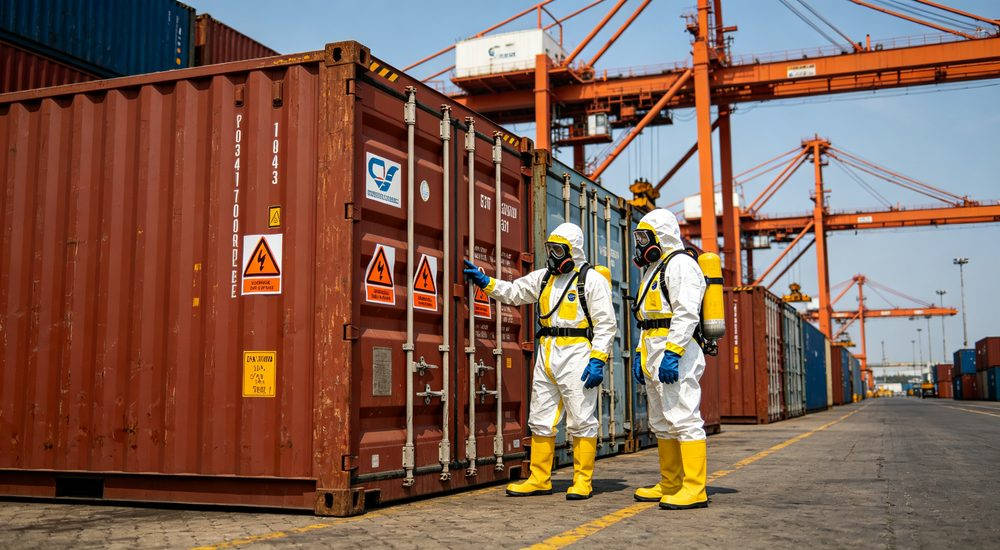
A regular protective clothing maintenance schedule includes visual inspection before each use, periodic performance testing, and documented retirement dates based on supplier guidelines.
Regular maintenance extends the service life of reusable protective clothing while maintaining certified performance levels, with cleaning methods, inspection checkpoints, and retirement criteria.
Breathable protective clothing and flame resistant clothing require specific cleaning protocols to maintain certified performance and extend service life.
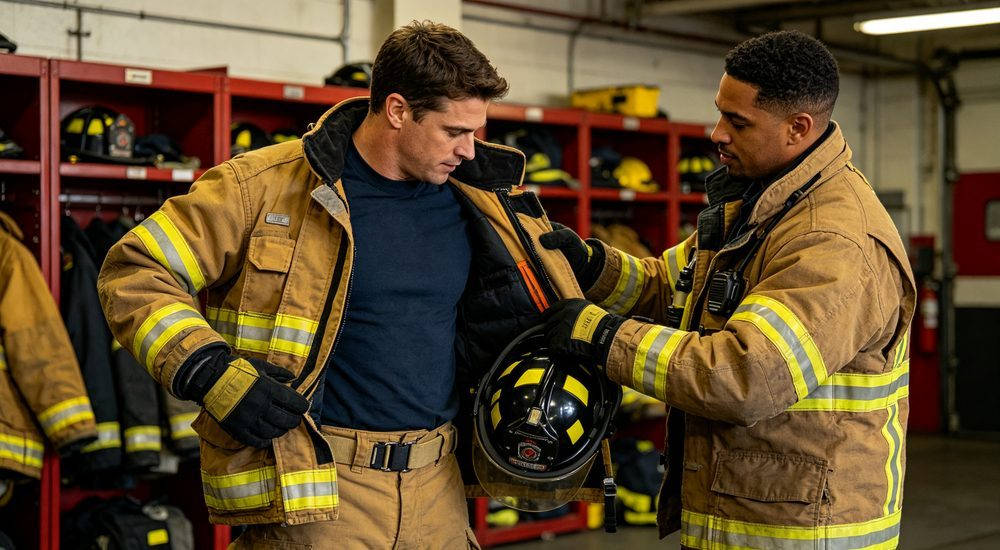
|
Product |
Storage conditions |
Expected shelf life |
|
Structural fire suit |
Hang, 15-25°C, below 60% RH |
5-10 years (with proper care) |
|
Wildland clothing |
Hang or fold, dry area |
5-8 years |
|
Proximity heat suit |
Hang to prevent creasing of aluminized layer |
5-7 years |
|
Level A chemical suit |
Storage bag, cool dark area |
5-8 years unopened; inspect annually |
|
Medical coverall (sterile) |
Original pack, dry area |
3-5 years (check pack date) |
All products undergo quality checks before shipment to ensure consistent performance.
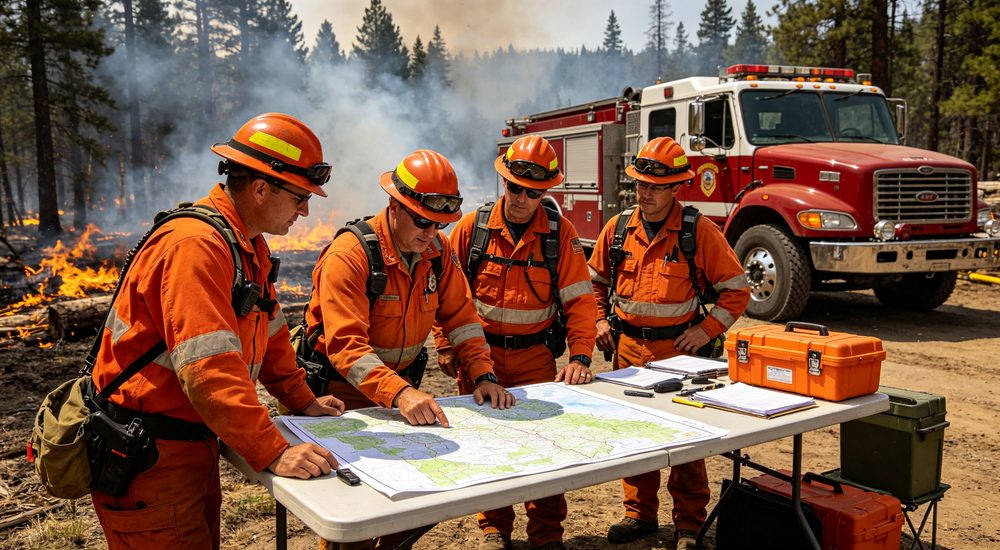
Customization options allow organizations to tailor protective clothing to specific operational requirements, including logo placement, color selection, sizing adjustments, and packaging configurations.
We offer customization for government, industrial and disaster relief orders. Below are the options available for each product type.
Available customization includes logo printing on chest or back areas, custom color selection for team identification, modified sizing for special body types, and bespoke packaging for easy distribution.
These options help organizations standardize their protective clothing inventory while meeting specific operational requirements.
Customization
Structural fire
Wildland
Proximity heat
Chemical suit
Medical coverall
Custom colour
Yes
Yes
Silver only
Limited
Yes
Logo / badge (chest)
Yes
Yes
Yes
Yes
Yes (print)
Back lettering (reflective)
Yes
Yes
Yes
Limited
No
Custom size pattern
Yes
Yes
Yes
Yes
Limited
Custom label / barcode
Yes
Yes
Yes
Yes
Yes
Custom carton marking
Yes
Yes
Yes
Yes
Yes
Reflective trim pattern
Yes
Yes
Yes
No
No
Regular training on proper use and limitations of protective clothing maximizes the effectiveness of safety investments and reduces workplace incident rates.

Understanding protective clothing certification requirements is essential for compliant procurement. In international markets, applicable fire safety standards sets the standard for structural firefighting ensembles, while applicable fire safety standards covers emergency medical protective clothing. European standards include EN 14126 for biological resistance, EN 13982 for chemical protective coveralls, EN 1149 for antistatic properties, and EN 340 for general protective clothing requirements.
For chemical applications, EN 943 specifies performance for liquid and gaseous chemical protective suits, including Type 1a fully encapsulated configurations. Medical protective clothing must meet recognized test methods and F1671 standards for blood and viral penetration resistance. Always verify that your supplier provides valid test reports from accredited third-party laboratories, and confirm that certifications are current and applicable to your specific use case and regulatory jurisdiction.
Protective clothing certification requirements vary by jurisdiction, with applicable fire safety standardsstandards predominant in international markets and EN standards required for European Union procurement.
We support third-party test reports based on your project requirements. Not every certificate applies to every product — we confirm availability for your selected model before shipment.
Certification documentation includes test reports from accredited laboratories, CE marking details where applicable, and material safety data sheets.
Procurement teams should verify that certifications match the specific standards required for their operational environment and regulatory jurisdiction.
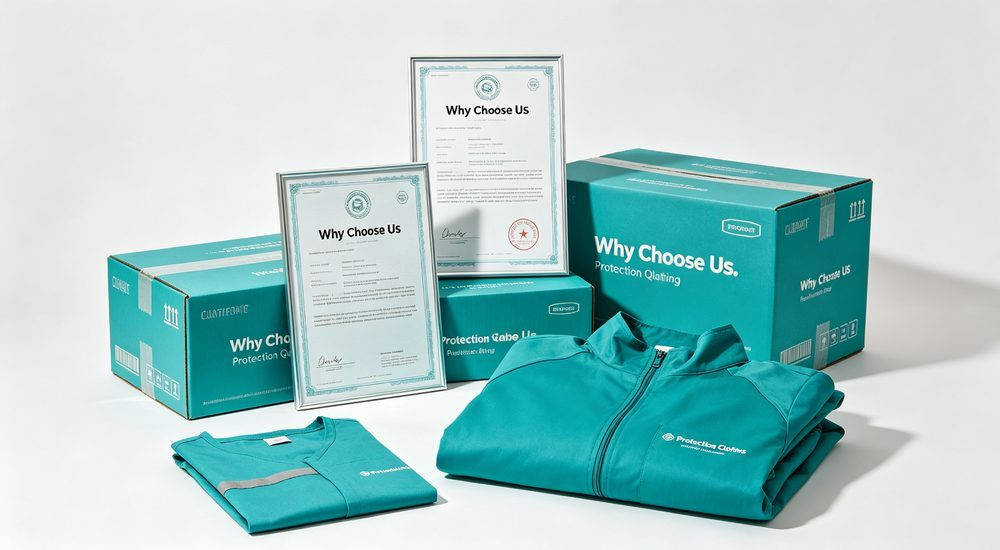
applicable fire safety standards EN 469 applicable fire safety standards applicable fire safety standards EN 15614 EN 11612 EN 943-1 Type 5/6 (EN 13982) EN 14126 ISO 9001:2015 SGS Test Report BV Supplier Audit CE Marking Certificate of Origin Important: Standard certifications apply to specific models and fabric combinations. Confirm the certificate matches your exact garment, size and batch. Model-specific test reports are required for tender submissions.
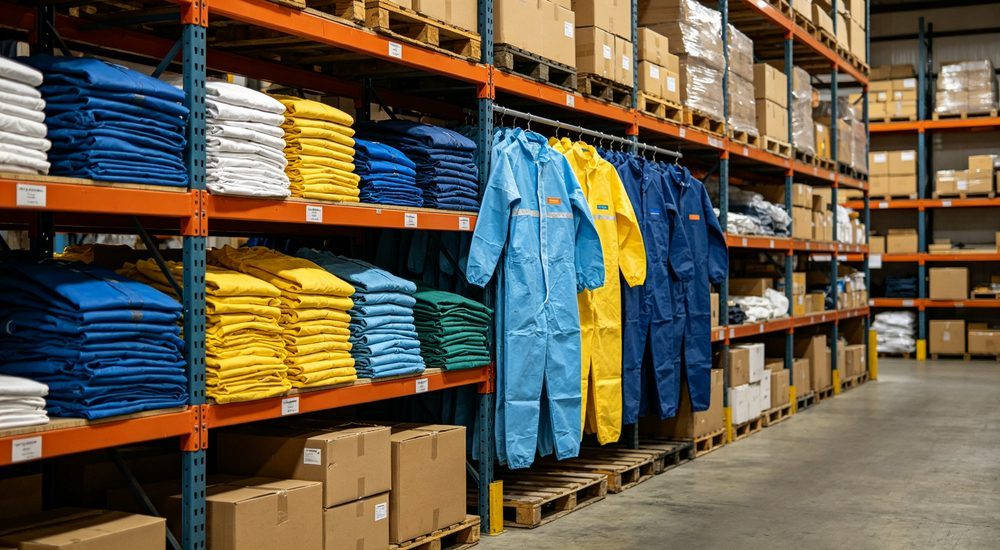
Protective clothing packing specifications include individual polybagging, carton labeling with lot numbers, and palletization optimized for warehouse storage and rapid distribution.
Standard packing and container loading specifications help procurement teams plan logistics efficiently, with carton dimensions, packing quantities, and loading estimates for 20ft and 40ft containers.
Loading figures are estimates for standard packing. Custom packing may change counts. Delivery timing depends on product, quantity and customization — confirmed in each quotation.
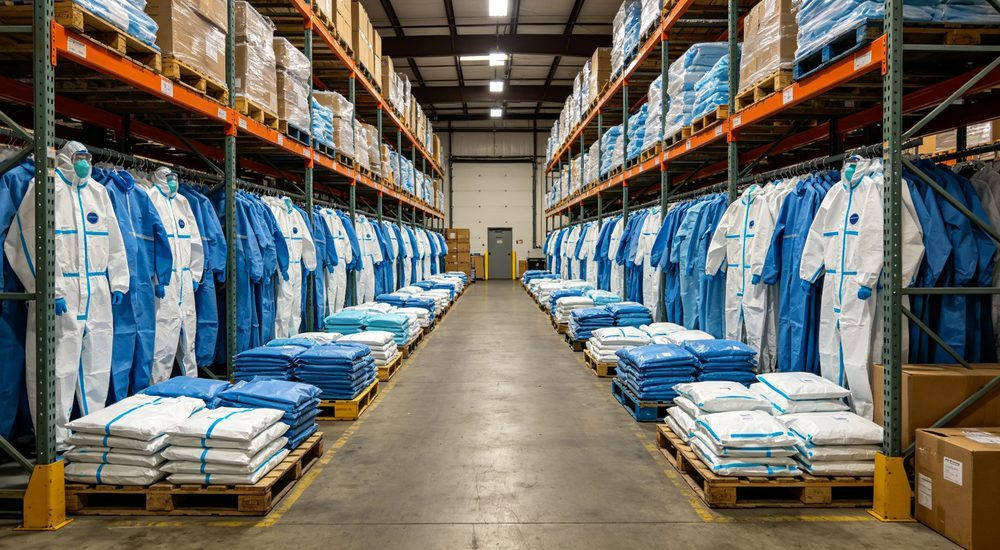
Each batch of protective clothing undergoes multi-stage quality inspection before shipment, with inspection criteria, testing procedures, and documentation provided with every order.
YRF Textile supplies and exports protective clothing alongside our other textile and emergency supply lines. Our quality process has four stages:
We support third-party inspection (SGS, BV, or your own inspector) before shipment — arrange the scope and timing in advance.
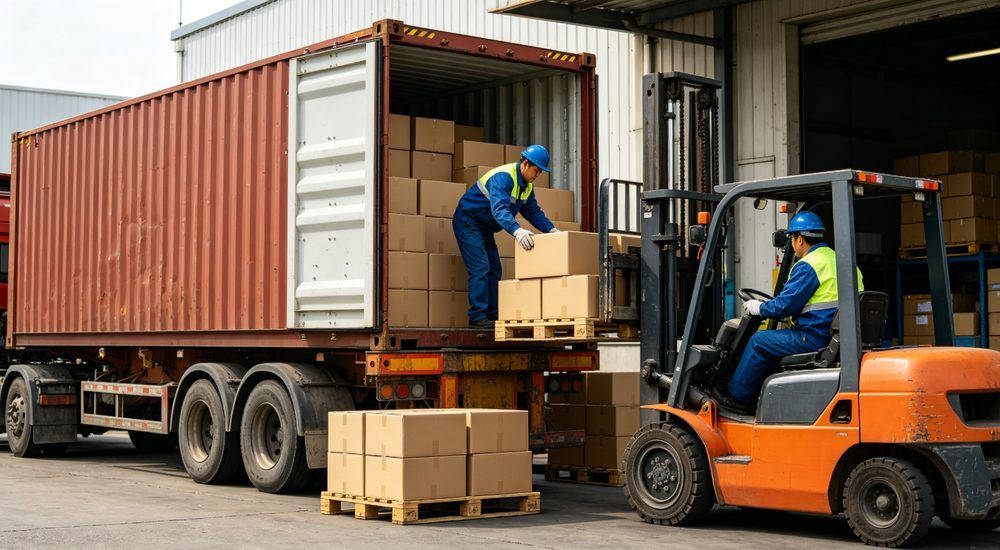
Our track record includes supplying protective clothing to over 30 countries across fire departments, industrial safety programs, government emergency reserves, and international aid organizations. With an annual production capacity exceeding 500,000 units and a 98% on-time delivery rate, we maintain consistent quality through multi-stage inspection protocols including material testing, seam integrity verification, and final product validation before every shipment.
We supply protective clothing for government contracts, international aid organizations, and industrial safety programs with verified quality control and flexible order configurations.
With over 20 years of experience in textile and protective equipment supply, YRF offers verified product quality, flexible customization, global shipping support, and dedicated after-sales service.
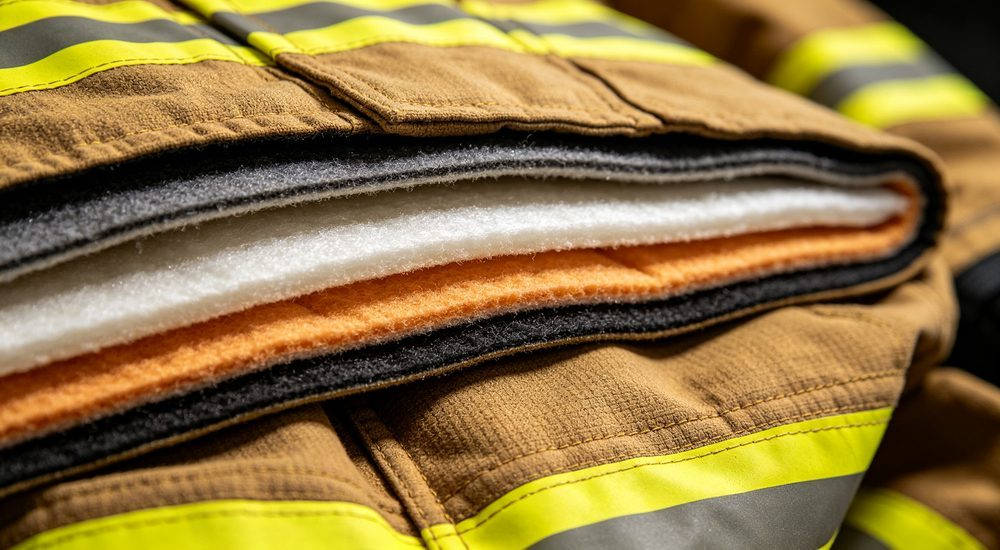
Bulk orders come with customized packaging and clear identification labels for easy inventory management.
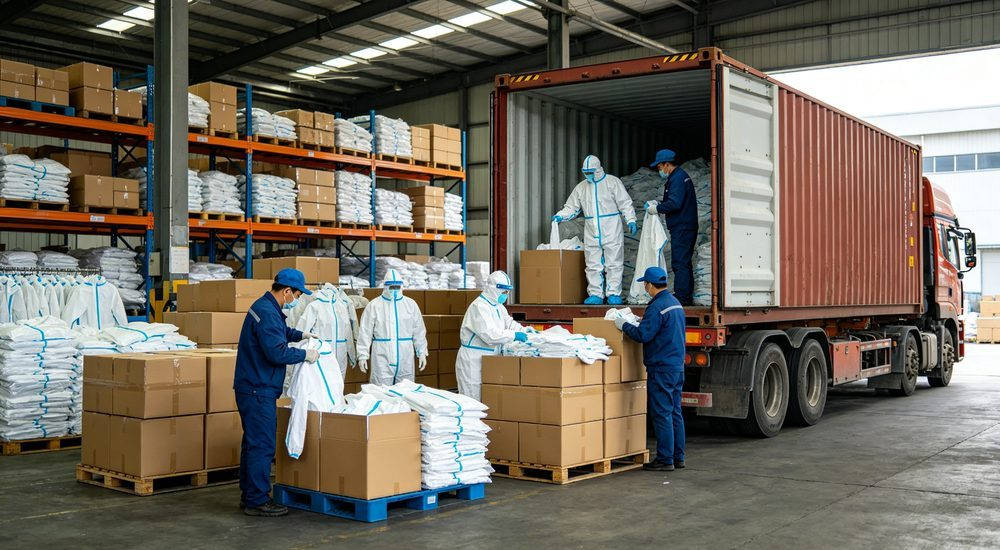
Our PPE clothing wholesale program offers volume pricing tiers, consolidated shipping, and dedicated account management for organizations sourcing multiple protective equipment categories.
Our PPE clothing collection integrates seamlessly with existing personal protective equipment protocols, ensuring complete coverage from head to toe for workers in high-risk environments.
In addition to protective clothing, our wholesale PPE range includes complementary products such as firefighter helmets, safety boots, gloves, and respiratory protection for complete PPE procurement.
Complementary PPE clothing options include protective gown variants, isolation gowns, and additional personal protective equipment clothing for complete coverage.
Dedicated page covering firefighter garments and accessories in depth.
Helmets, gloves, boots and complete fire ensembles.
Tools, kits and accessories for disaster preparedness.
Shelter systems for emergency response and decontamination.
Thermal blankets for victim care and post-incident treatment.
Portable lights and flashlights for emergency response.
Read our guides: How to Choose Protective Clothing · Protective Clothing Standards Guide · Chemical Suit Selection and Compatibility
Our related wholesale PPE categories include firefighter helmets, safety boots, protective gloves, respiratory masks, and eye protection.
Sourcing these complementary products alongside protective clothing simplifies procurement logistics and ensures compatibility across all personal protective equipment components.
How this page differs: This page compares five protective clothing types across different hazard categories — fire, heat, chemical and medical. Our separate firefighter clothing page focuses on fire-specific garments and accessories in depth. Use this page for multi-hazard comparison and ensemble planning.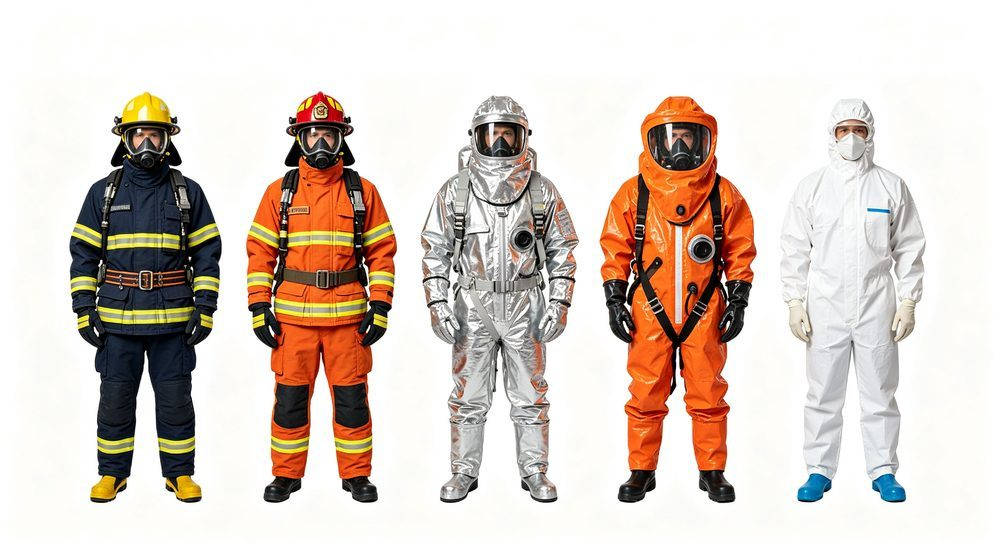
Required certifications depend on your application and jurisdiction.
applicable fire safety standards applies to structural firefighting, EN 14126 covers biological resistance, EN 13982 addresses chemical protective coveralls, and EN 1149 applies to antistatic properties. Always verify which standards your local regulatory authority mandates before procurement.
Measure chest circumference, waist, inseam, and height while wearing typical base layers. Chemical suits should allow full range of motion without excessive fabric that could catch on hazards. Refer to our sizing chart and order a sample set for fit verification before placing bulk orders.
Reusability depends on the garment type and exposure level. Structural firefighting suits are designed for repeated use after proper decontamination and inspection.
Disposable coveralls and Level A chemical suits are single-use only. Always follow supplier guidelines and conduct post-exposure inspection before reuse.
Shelf life varies by material: disposable SMS coveralls typically last 3-5 years in sealed packaging, Nomex firefighting suits can last 10 years with proper care, and rubber chemical suits degrade after 5-7 years.
Storage conditions—cool, dry, away from UV light—significantly impact actual service life.
Store protective clothing in cool, dry areas away from direct sunlight, ozone sources, and chemical vapors.
Hang garments on wide hangers to prevent creasing, keep disposable items in original sealed packaging, and maintain inventory rotation with first-in-first-out practices to ensure stock freshness.
Standard stock items have low minimum order quantities starting from carton-level orders. Custom branding, color modifications, and specialized sizing typically require 500-1000 unit minimums depending on complexity. Contact our team for specific MOQ details based on your customization requirements.
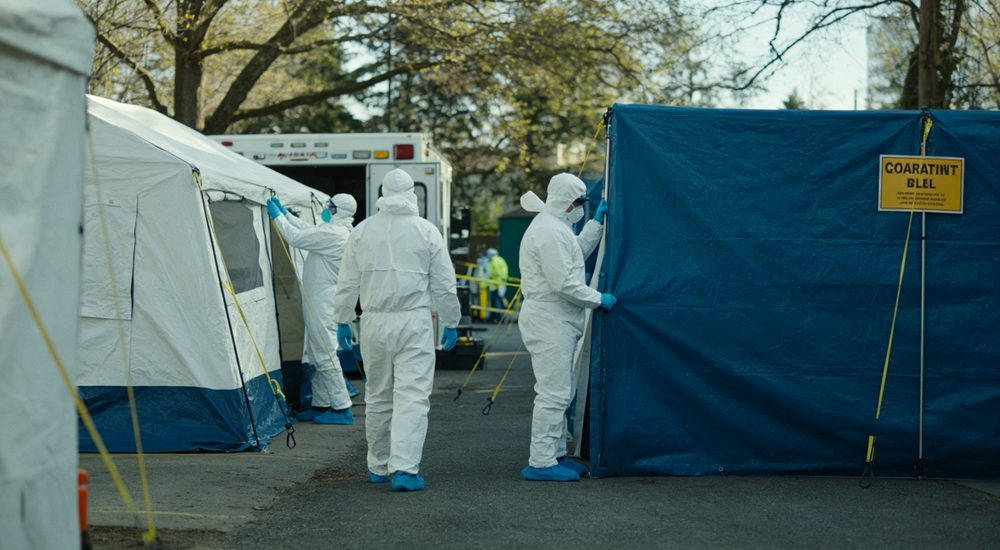
Emergency response organizations often stock protective clothing for emergency scenarios including chemical spills, structural firefighting, and infectious disease containment.
This FAQ section addresses common questions about wholesale protective clothing procurement, including certification verification, minimum order quantities, customization timelines, and inventory compatibility.
Each type addresses different hazards with different materials, standards and testing. A fire suit provides no chemical vapor protection, and a chemical suit is unsuitable for fire exposure. Match the garment to the specific hazard.
It depends on the product. Structural and wildland sets include jacket and trousers. Proximity heat kits include suit, hood, visor, gloves and foot covers.
Level A chemical suits include the suit, visor, gloves and boots (or boot covers). Medical coveralls are a single hooded garment. Helmets, respirators and other PPE are always separate.
Level A is fully encapsulating with SCBA inside — highest vapor protection. Level B uses SCBA outside with a splash-protective suit — lower vapor risk.
Level C uses an air-purifying respirator with a splash suit — known contaminants only. Level D is standard work coveralls — no respiratory protection. Confirm the required level with your safety officer before ordering.
Structural suits use 3-layer construction (outer shell + moisture barrier + thermal liner) for flashover protection and weigh 3.5-5kg.
Wildland clothing uses single-layer aramid for breathability during active fire line work and weighs 1.8-2.8kg. Structural suits meet applicable fire safety standards/EN 469; wildland meets applicable fire safety standards/EN 15614.
Proximity suits are designed for radiant heat approach at a safe distance from the heat source — typically 1-5 meters depending on heat flux. They withstand radiant heat flux up to 40 kW/m².
Direct flame entry requires structural firefighting gear with proper thermal insulation. Always follow a site-specific risk assessment and approach plan.
Provide the specific chemical name, concentration, temperature and expected exposure time.
We match permeation data for the suit fabric, seams, visor, gloves and boots against your chemical. Different chemicals require different barrier materials — chemical compatibility must be verified for each substance.
Level A suits accommodate positive-pressure SCBA worn inside the suit. Check internal cylinder space, visor clearance, hose routing, valves and glove/boot interfaces in the full worn setup.
Always conduct a donning/doffing drill and pressure test before actual use. Training is essential for Level A suit operations.
Match the exact model, standard (EN 13982 for Type 5/6, EN 14126 for microbial), test report, sterilization method (EO), batch number and pack label. Verify documentation to confirm sterile status and barrier performance — white colour and blue seam tape alone are not proof.
Letter sizes vary between suppliers and garment types.
Protective clothing fit requires actual body measurements: height, chest, waist, sleeve length, inseam and body length. Use the supplier size chart and conduct a full fitting test with all supporting equipment (SCBA, gloves, boots) before bulk ordering.
Yes. Provide authorized artwork, position, colour, size and label language. Reflective marking must maintain required visibility standards and must not cover critical seams, closures or structural elements. We provide digital proofs for confirmation before production.
Unopened chemical suits typically last 5-8 years when stored in cool, dark conditions in their original storage bag.
Once opened and used, inspect after each decontamination and pressure-test before reuse. Rubber and barrier film degrade over time — track production date and replace per supplier recommendation.
applicable fire safety standards is the standard for selection, care and maintenance of structural firefighting protective clothing.
It defines cleaning methods, inspection frequency, repair criteria and retirement schedules. Following applicable fire safety standards extends garment life and ensures protective performance is maintained throughout service.
Standard in-stock items can ship within days if available. Production orders typically take 15-30 working days depending on product, quantity and customization.
Custom colours, special fabrics or certification add 10-15 days. Peak season production schedules are tight — order 4-6 weeks ahead when possible. Final timing is confirmed per order.
Sample by product type and carton: check garment count, sizes, fabric/layers, colour, reflective trim, seams, zippers, visor clarity, interface seals, labels and packing.
For chemical suits, conduct a pressure test on sample units. For sterile medical coveralls, verify pack integrity and expiry dates.
Store in a cool, dry, well-ventilated area (15-25°C, below 60% humidity). Keep away from direct sunlight, chemicals and ozone sources.
Hang fire suits on wide hangers for storage. Chemical suits should be stored in their storage bags after decontamination and inspection. Inspect stored garments quarterly.
At minimum: hazard type, garment type, estimated quantity, size distribution and applicable standard.
To speed up the quote, also include: fabric preference, colour/marking, supporting equipment (SCBA type), certification requirements and project timelineline. The more detail you provide, the fewer follow-up questions we need.
Send your hazard type, quantity, size distribution and required protection level. We will confirm suitable products and prepare a project quotation.
YRF Textile · Wholesale Protective Clothing & Emergency Supplies · China
Email: info@yrftextile.com · Tel/WhatsApp: +86 13702995607 · www.yrftextile.com
|
Access our full product document |
Quick real-time chat for urgent project questions |
 |
 |
|
Get full-range product specs and package solutions |
Connect with us for project support |
Links amigáveis :
direito autoral © Custom Disaster - Relief Bedding: Tents, Sleeping Bags, Blankets Todos os direitos reservados
a equipe profissional para o serviço !