Categorias
Last Updated: October 13, 2026
The radio crackles: spot fire at the tree line. The crew grabs packs and moves — wildland firefighting clothing must be light enough to run in and tough enough to hold heat off. This guide covers fabrics, layering and wholesale wildland gear checks.
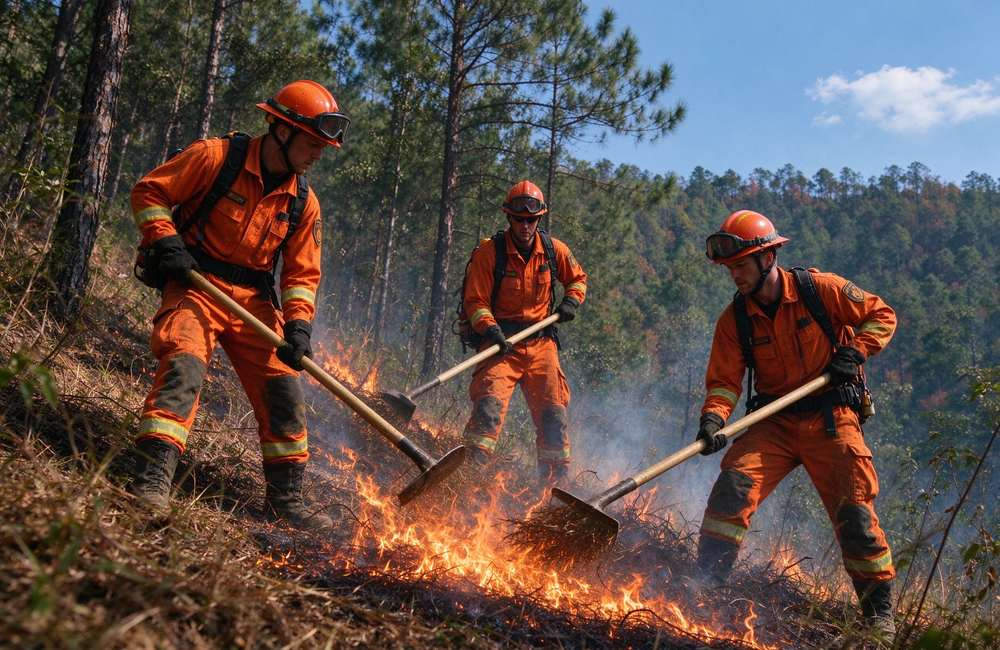
Wildland crews work long shifts in lightweight FR clothing built for heat and movement.
A wildland crew spends the shift on the fire line, not in the station, and the clothing has to carry that reality: lightweight enough to hike in, tough enough for brush and tools, and protective enough to shed embers without trapping body heat. Wildland firefighter clothing is a different species from structural turnout gear — a single breathable FR layer around 200 g/m² instead of a heavy multi-layer shell — and the difference is deliberate, because a firefighter who overheats becomes the casualty the gear was meant to prevent. This guide covers the fabrics, standards and fit decisions that turn a uniform into working protection.
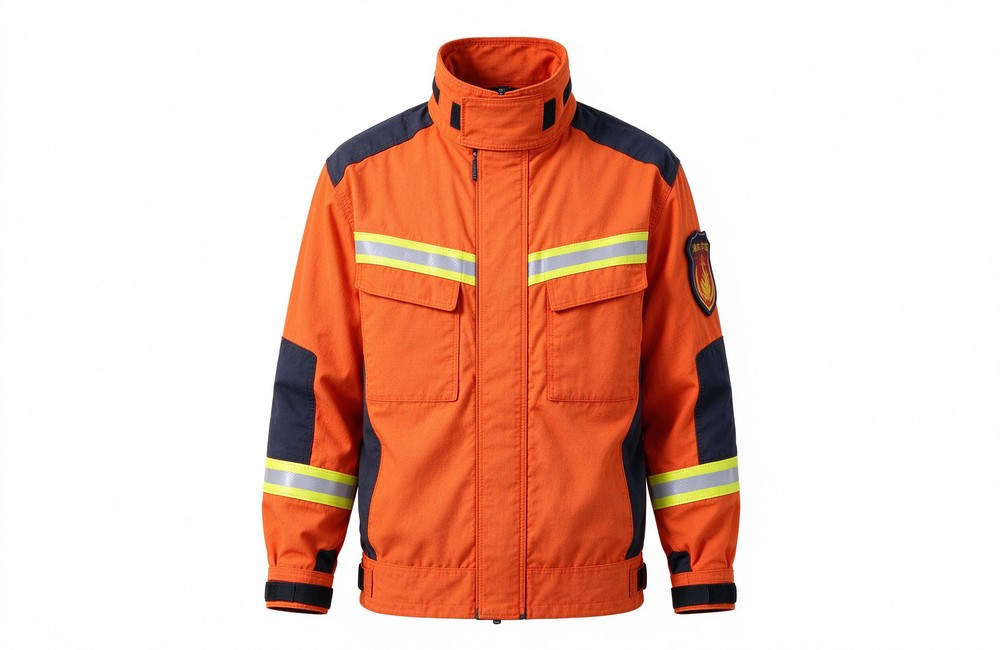
The certified orange forest fire suit combines FR fabric with high-visibility color.
A wildland firefighter carries weight that structural firefighters do not: pack, tools, water, sometimes days of food. Every kilogram of clothing is paid for in heat and fatigue on the fire line. That is why wildland firefighter uniforms trade the thick multi-layer turnout coat for a lighter FR shirt-and-trouser system, and why breathability is treated as a safety feature rather than a comfort extra.
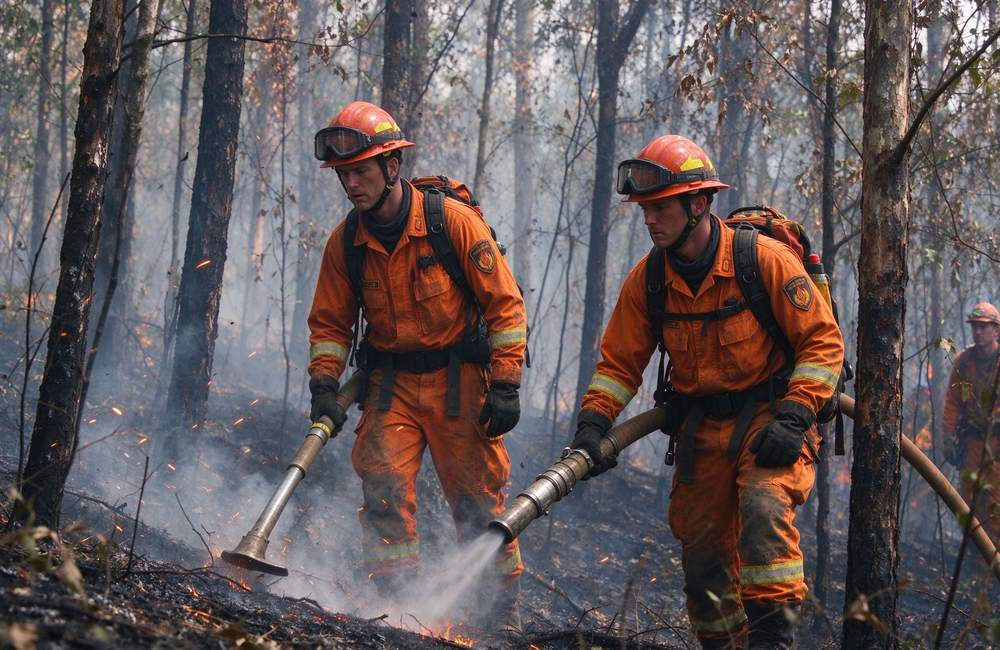
Embers drift ahead of the main fire and ignite clothing far from the flame front.
This article is written for forestry departments, wildland fire brigades, park services and procurement agencies that buy wildland fire gear in quantity. The reference values quoted here come from certified Chinese product lines, including GB/T 33536-2017 family garments, so you can check them against your own tender documents.
The seasons change the job: spring grass fires move fast with low flame, summer timber fires burn deep and throw long ember showers, autumn fires crawl through heavy brush where crews dig in close. A uniform that works all three keeps fabric light, weave tight and closures snug, and lets the same crew move between terrain types without changing their whole kit.
If you are new to wildland gear, start with the two numbers that decide everything: fabric weight and weave density. Weight controls heat stress, weave density controls ember penetration, and both are tested under the standard the suit claims.
The buying cycle matters too. Forest departments order before the dry season, replace the worn suits after it, and keep a standing stock for emergency callouts. Working with a supplier who holds consistent sizes and colors across batches keeps that cycle smooth year after year.
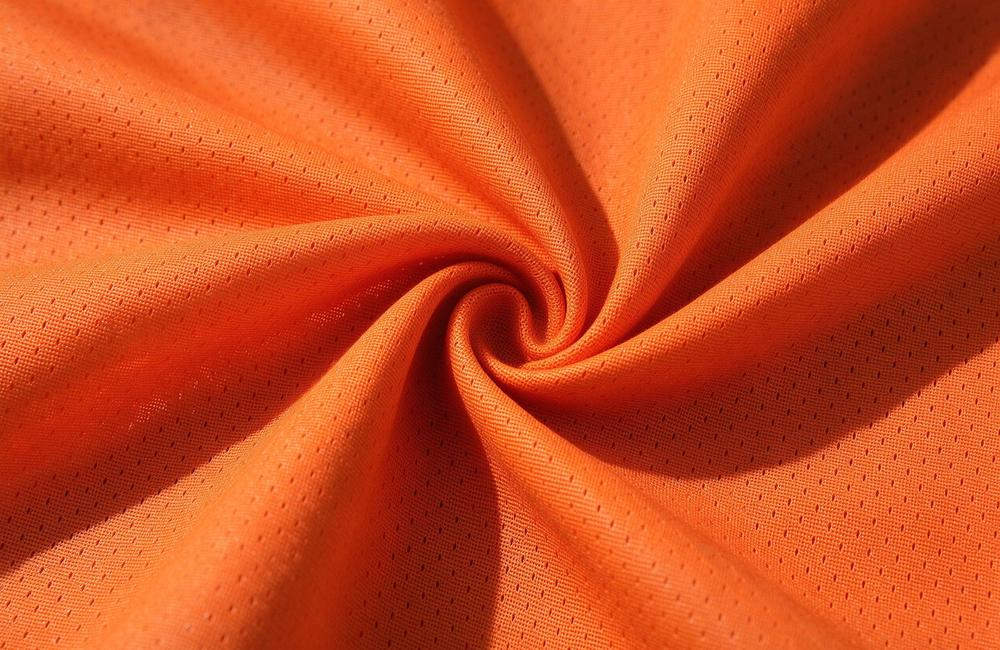
Tight-weave FR fabric stops embers while staying breathable for long work shifts.
A wildland crew trains in the gear it fights in, and the gear is judged by how it behaves on the training ground. Departments that run seasonal rotations — new recruits on lighter brush fires, veterans on deep timber fires — use wildland firefighter uniforms sized and fitted per member, because a jacket that fits one body under a pack strap chafes another after six hours of hiking. Pack weight is the quiet test: add tools, water and rations and a suit that felt fine on the hanger starts pulling at the shoulders. Uniform programs that include a measured fit session at the start of every season catch those problems before the first callout, not after.
Wildland fire clothing is bought against a season, not against a single blaze.
Structural turnout gear protects against high heat and flame for short, intense attacks inside buildings. Wildland clothing protects against embers, radiant heat and UV for hours of open-air work. A wildland forest fire fighting suit uses a single lightweight FR layer — typically around 200 g/m² — instead of the three-layer turnout system, because the crew must move fast and cool over long distances.
The two systems answer different questions. Turnout gear asks: can this rescuer survive a flashover room for the minutes it takes to pull someone out? Wildland gear asks: can this crew member work eight hours, hike ten kilometers and still shed an ember before it burns through? Designing one suit to answer both questions produces a compromise that is too heavy for the trail and too thin for the room, which is why agencies keep the two lines separate.
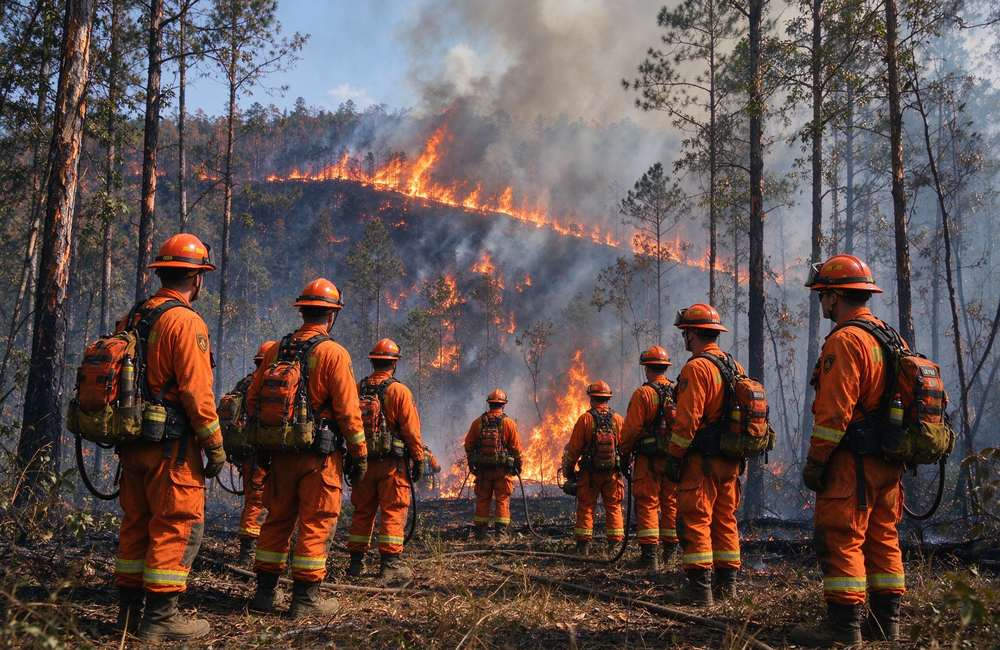
Open-air firefighting demands mobility and heat management that structural gear cannot give.
Forestry fire brigades, grassland protection teams, park services, pipeline and power-line contractors, and military units on fire duty all use wildland firefighter uniforms. The common thread is long outdoor shifts: hiking with tools, digging fire lines, mopping up hotspots and watching for spot fires after the main front passes.
A complete wildland ensemble goes beyond the suit: FR shirt and trousers, FR base layer, helmet with face and neck protection, leather or FR gloves, and boots with lugged soles. The suit does the flame and ember work, but the accessories close the gaps at head, hands and feet — the places where embers find unprotected skin fastest.
Summer and winter wildland suits compared for crew selection.
Heat stress is the leading killer of wildland firefighters, ahead of burns. A crew member in heavy, non-breathable clothing overheats faster, makes worse decisions and cannot evacuate when the fire turns. The table below compares the fabric approaches you will see in wildland tenders.
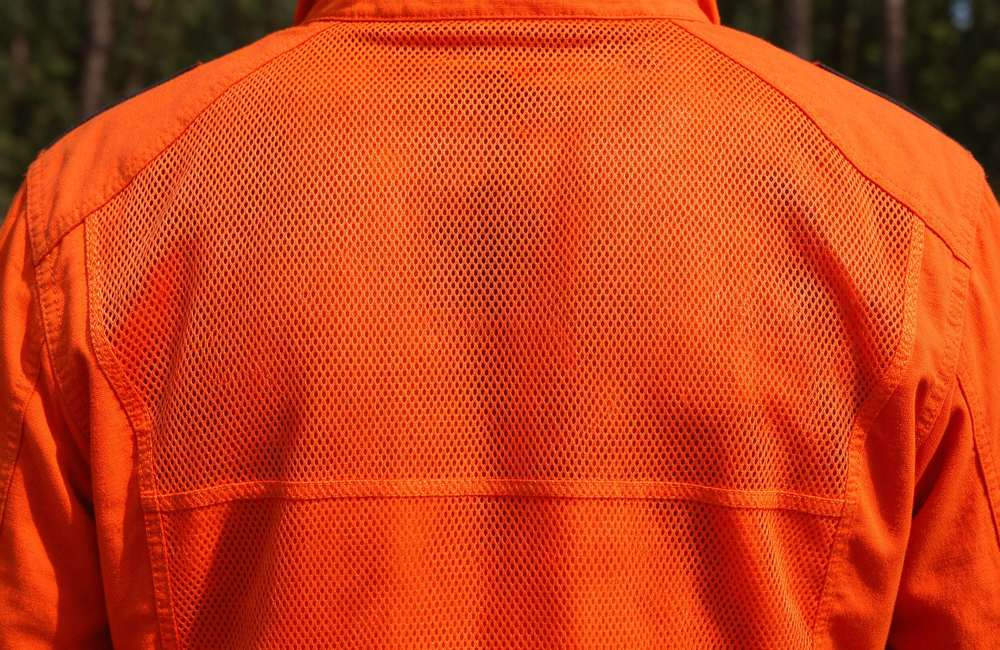
Mesh and vent panels pull heat out while the FR shell keeps embers out.
|
Fabric Type |
Weight |
Strength |
Best Use |
|
Inherent FR aramid (forest suit) |
200 ±5% g/m² |
Flame resistant by structure |
Standard wildland line, summer work |
|
FR aramid coverall |
210 g |
Joint padding, rear pleats |
Heavy mop-up and tool work |
|
Polyester oxford + mesh |
170 g |
Full-body mesh ventilation |
Hottest months, riding and scouting |
Lighter is not automatically safer — the fabric still has to pass flame spread, ember and thermal tests. The right weight for a terrain is the lightest FR fabric that still meets the standard, which is why certified lines publish weight and weave together.
Weight decisions also drive cost and comfort in the tender. A full crew of forty with a matched suit per member and spares adds up to a real line item, so buyers compare weight per garment as seriously as they compare price per unit. The standard answer is a two-tier order: the certified 200 g suit as the baseline for everyone, plus a lighter mesh tier for the roles that move the most.
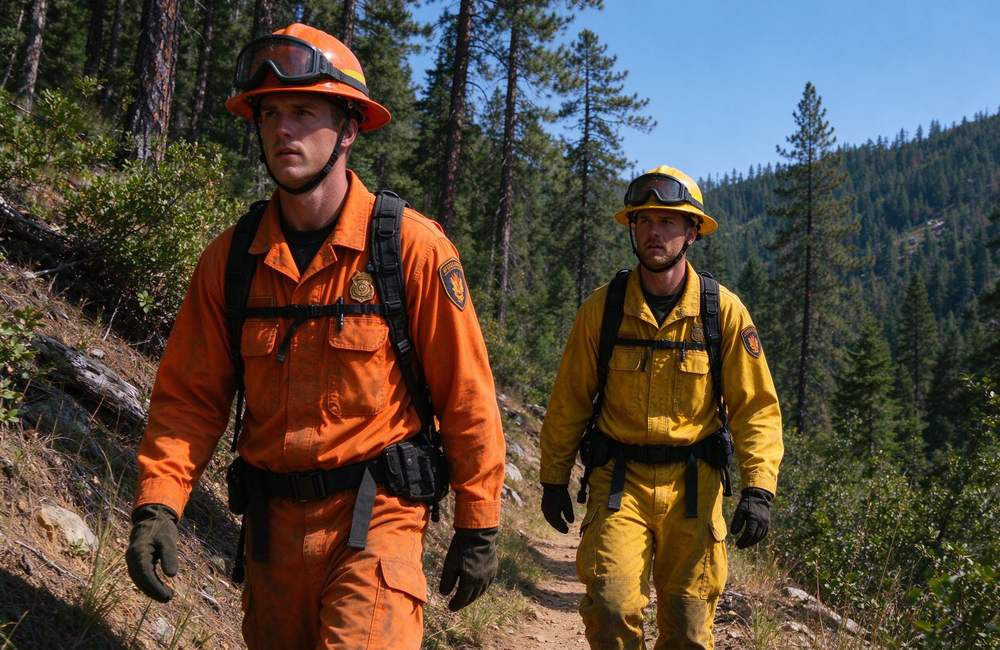
Crew trekking the fire line in lightweight forest suits.
When body heat cannot escape, core temperature climbs and the firefighter loses grip on the situation. Breaks in shade, hydration and lighter clothing are the practical controls. A breathable wildland firefighting clothing system removes sweat and lets air reach the skin, so the crew lasts the full shift.
Recognize the early signals in your crew: heavy sweating that suddenly stops, pale or flushed skin, confusion, slowed tool work, complaints of headache or nausea. The standard response is shade, water and rest before symptoms grow into heat exhaustion. Rotation schedules and clothing choice are the two controls a department can plan in advance.
Heat stress in wildland work is managed on the ground, not just in the fabric. Standard field practice pairs breathable FR shirt-and-trouser systems with a hydration plan: crews drink before they are thirsty, shade up in the heat of the day and rotate short attack segments so the same bodies are not on the line for hours without a break. The clothing side of the plan is the wildland firefighter uniform that vents trapped heat when the crew pauses, because a suit that holds steam against the skin slows recovery and clouds decisions long before the next ember lands. Buying breathability is buying extra minutes of clear judgment at the end of a long shift.
Modern wildland garments add ventilation where it counts: mesh panels under the arms, vents down the back and open cuffs. The mesh riding suit YJ-J13/P13, for example, uses polyester oxford with full-body D241 mesh at 170 g so summer scouts stay cool while still carrying FR and reflective performance.
Ventilation is placed where heat collects first: under the arms, across the back and at the knees. The design moves air without opening a path for embers — vents sit behind flaps, mesh sits behind the shell, and every opening still closes snug. Breathability is measured in the fabric lab, but it is experienced as the difference between a crew that finishes the shift and one that taps out at noon.
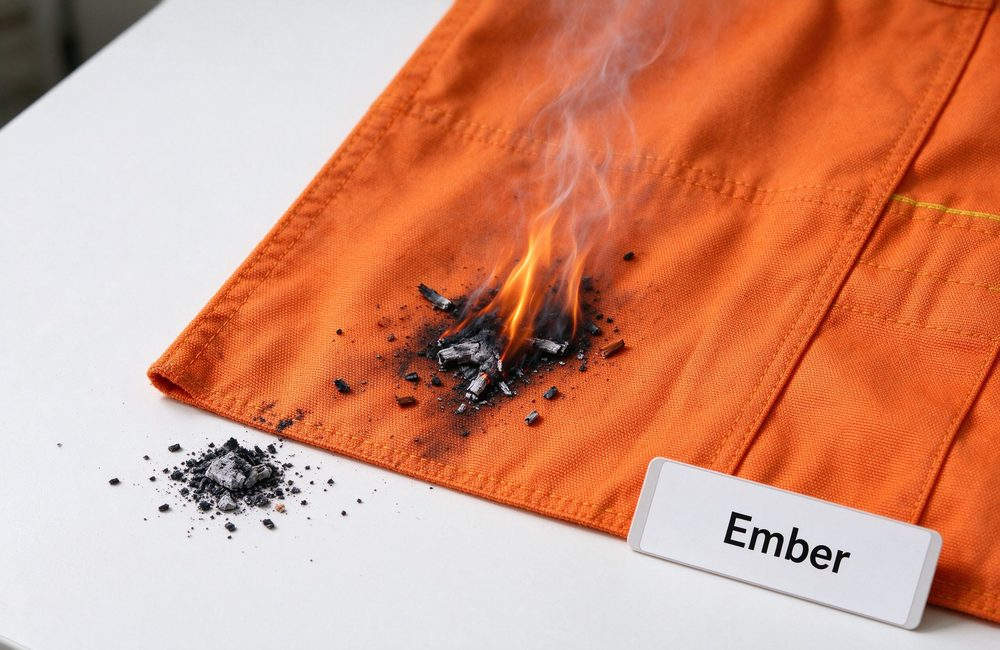
Embers lodge at cuffs, collars and pockets and smolder into the fabric.
Most wildland burns come from embers, not from standing in flame. Embers can travel hundreds of meters ahead of the fire front and lodge in clothing — at the collar, in the cuffs, in a pocket — where they smolder until they break through. Ember protection clothing is engineered around that specific path.
An ember that lands on a loose, fluffy weave glows and grows; one that lands on a tight, smooth FR surface falls off or goes out. Loose shirt tails, open collars and frayed cuffs are entry points. That is why wildland uniforms use long sleeves with snug cuffs, high collars and tuck-in trouser legs.
Fire behavior explains the pattern: in a wildfire, burning bark and twigs are lifted by convection columns and carried downwind, some traveling hundreds of meters before landing. A crew working far ahead of the flame front still walks through falling embers all day. The garment system has to shed that constant rain of small fires, which is a different job from surviving a single blast of flame.
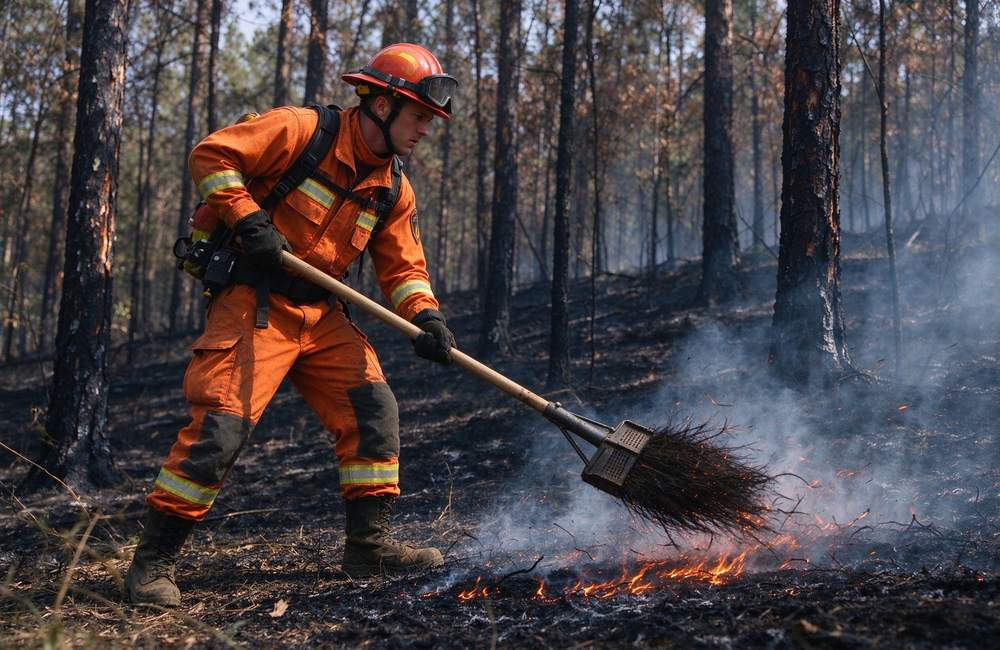
Firefighter suppresses embers wearing a wildland suit.
Ember damage does not always show on the fire line. A single glowing coal can rest against a cuff for minutes without the wearer noticing, and the damage — melted fibres, a pin-sized hole, a weakened seam — shows up at the next wash. That is why good forest fire protective clothing programs add an after-action check to the debrief: each crew member runs hands over sleeves, collar, cuffs and pocket flaps before the suit goes to the laundry. Small scorch marks get logged and patched early; suits with damaged seams move to training stock. The check takes two minutes and turns a silent problem into a documented one.
On windy days the fire front is not the only threat.
The weave matters as much as the fiber. Tightly woven FR aramid stops embers mechanically, and the flame-resistant structure stops them chemically. A certified forest suit model uses inherent FR aramid at around 200 g/m² to GB/T 33536-2017 — light enough for the mountains, tight enough to shed embers.
Ember defense is a system, not a single fabric. Long sleeves with snug cuffs, a high collar that closes over the neck, tuck-in trouser legs and a belt keep the embers sliding off the outside instead of working into the inside. Crews also self-check after every ember shower: pat down the shoulders and back, shake out the sleeves, and report any hole or singe to the supervisor before the next deployment.
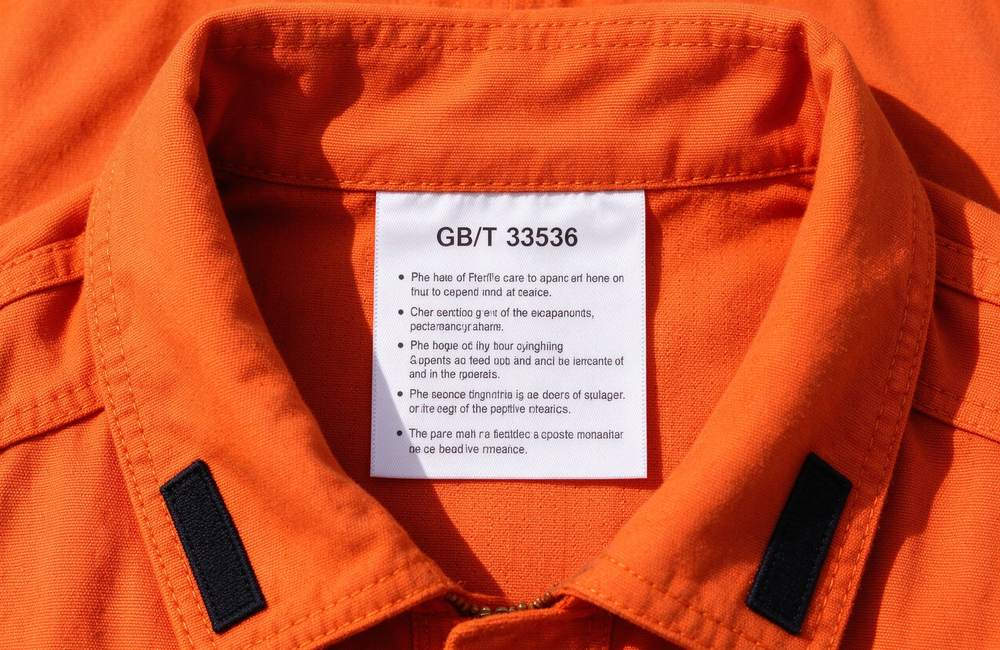
Verify the label names the standard and the model covered by the certificate.
Standards turn "fire resistant" into a testable claim. In China the wildland clothing family is anchored by GB/T 33536-2017, the national standard for protective clothing against forest fire, supported by related FR garment standards. The table below maps the common references.
|
Standard |
Scope |
Typical Claim |
|
GB/T 33536-2017 |
Protective clothing against forest fire |
Wildland suits, shirts, trousers |
|
GA 10-2014 |
Firefighter protective clothing (structural) |
Structural turnout gear |
|
Protective clothing against heat and flame |
Industrial FR workwear |
|
|
Wildland firefighting PPE |
US wildland ensembles |
When a supplier quotes a standard, ask for the test report that names the exact model. The certificate, the label and the garment must line up, and the weight, weave and reflective performance are all part of the tested specification.
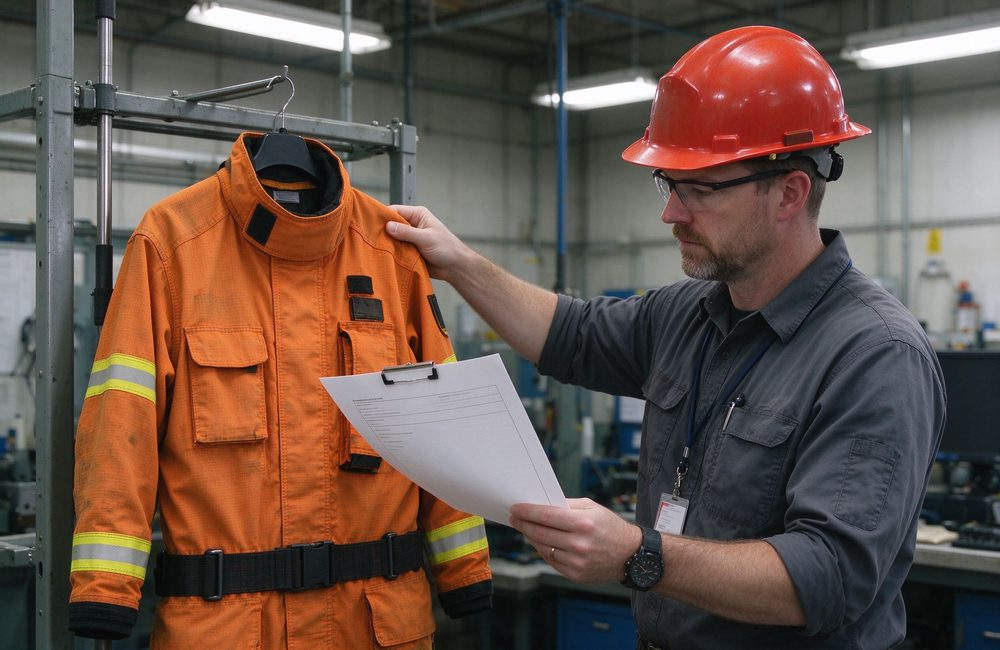
Build a simple verification habit at receiving. Check the label against the certificate: same standard number, same model, same fabric description. Weigh a sample garment on a kitchen scale and compare it to the stated fabric weight. Hold the reflective trim up to a bright light and confirm it flashes. Ten minutes of receiving checks protects a season of deployment.
Buyer checks the GB/T 33536 test report.
GB/T 33536-2017 sets requirements for protective clothing used against forest fire: flame resistance, thermal stability, physical strength and marking. A certified forest suit model is built to this standard in orange-red with inherent FR aramid fabric. For international tenders, NFPA 1977 is the familiar benchmark in North America.
Read the test report the way a buyer should: after-flame time, afterglow time and char length tell you how the fabric behaves in a real ember test; thermal stability tells you it will not shrink or melt under heat; physical strength tells you it survives brush, tools and repeated washing. Every number in the report corresponds to a moment on the fire line, so compare values line by line between quotes.
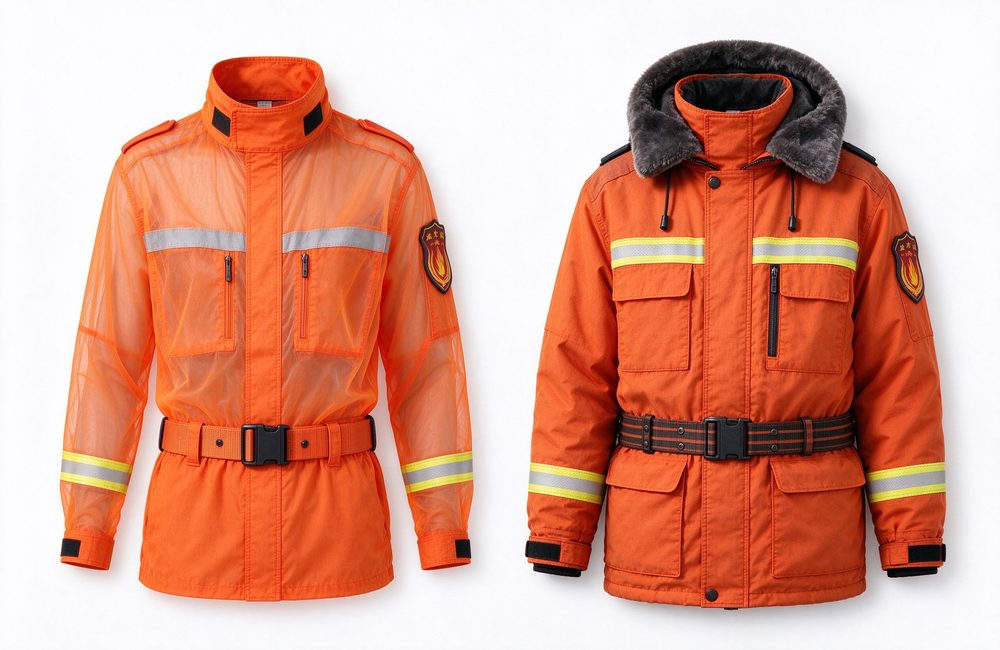
Orange and yellow read against timber and smoke where dark gear disappears.
Color is a safety feature in wildland work. Crews work around smoke, moving machinery and aircraft, and they must be visible against dark timber and burnt ground. The table below is the practical color guide used by forestry suppliers.
|
Color |
Why It Works |
Typical Placement |
|
Orange-red |
Contrasts with green and burnt terrain |
Full suit, standard wildland line |
|
Flame blue / navy |
Duty color, less soil-visible |
Training and station wear |
|
Reflective trim |
Reads in smoke and low light |
Chest, back, shoulders, legs |
Retroreflective trim is not optional decoration. Certified trim such as 3M reflective tape, placed on chest, back, shoulders and legs, keeps the silhouette readable when smoke drops visibility to a few meters.
Color also carries command information. In larger deployments, the standard orange-red identifies line crews, flame blue or navy identifies support and training roles, and marked sleeves or chest patches identify squad leaders. A department that standardizes colors makes a smoke-filled slope readable to an incident commander who is a kilometer away.
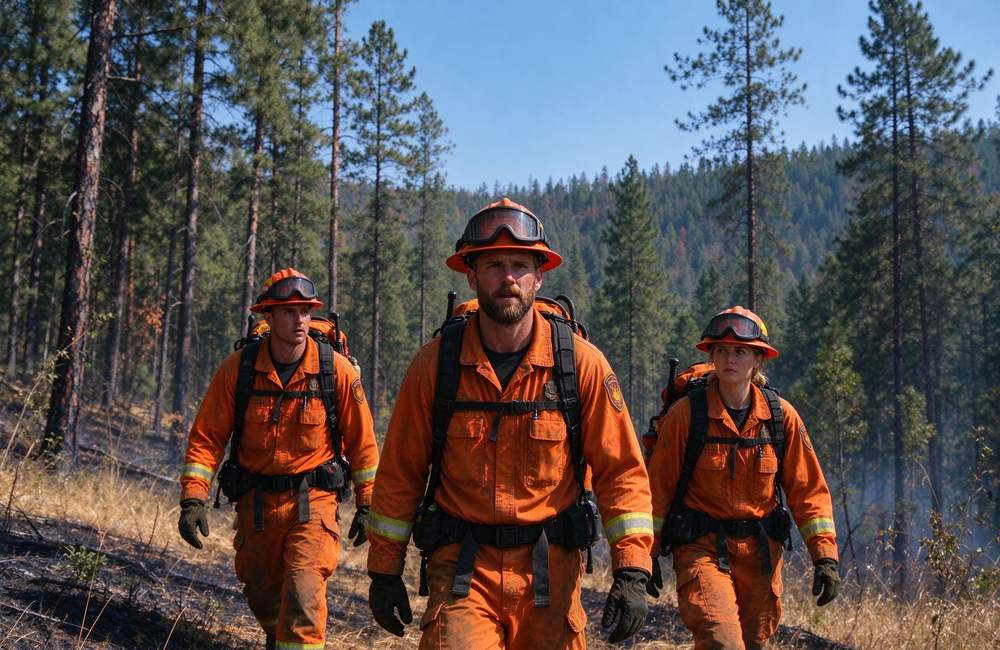
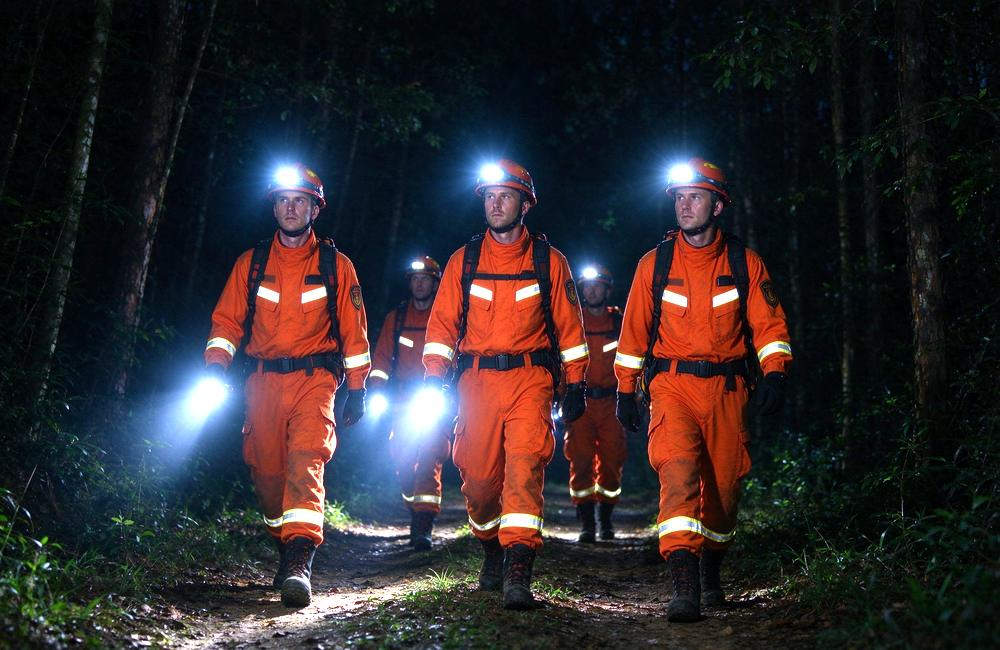
Night visibility of the orange wildland crew.
A certified forest suit ships with more than a label. The package a buyer should request includes the test report naming the exact model, the fabric weight and composition, the seam construction, and the marking that matches the physical garment. Batch consistency matters as much as the first certificate: ask the supplier how dye lots and fabric batches are traced, and whether a new shipment is re-tested or just re-labeled. Departments that keep these documents per order can defend their kit in an audit and compare renewals honestly when the season ends.
A certified forest suit stands on three columns of testing. Flame resistance tells you the fabric resists ignition and self-extinguishes; thermal stability tells you it keeps its strength and shape under heat; physical strength tells you the seams and fabric survive a season of brush, rocks and tool work. Weight is reported too — one certified line is built around 200±5% g/m² so crews can check the number against the tender. When two suppliers quote the same standard, compare the reports behind it: model number, test date and the numeric results, not the phrase "passes GB/T 33536".
Orange and yellow sit opposite the greens and browns of forest terrain, so a crew member stands out instead of merging into the background. High-visibility colors also help aircraft spot crews on the fire line. Most certified wildland lines offer orange-red as the standard duty color with flame blue for support roles.
At night and in thick smoke, color alone is not enough — that is where certified reflective trim carries the job. Trim on the chest, back, shoulders and legs makes the whole silhouette readable to a truck driver or a crew mate a few meters away. Some departments add a second reflective band at the knee and cuff, where the moving leg catches headlights first.
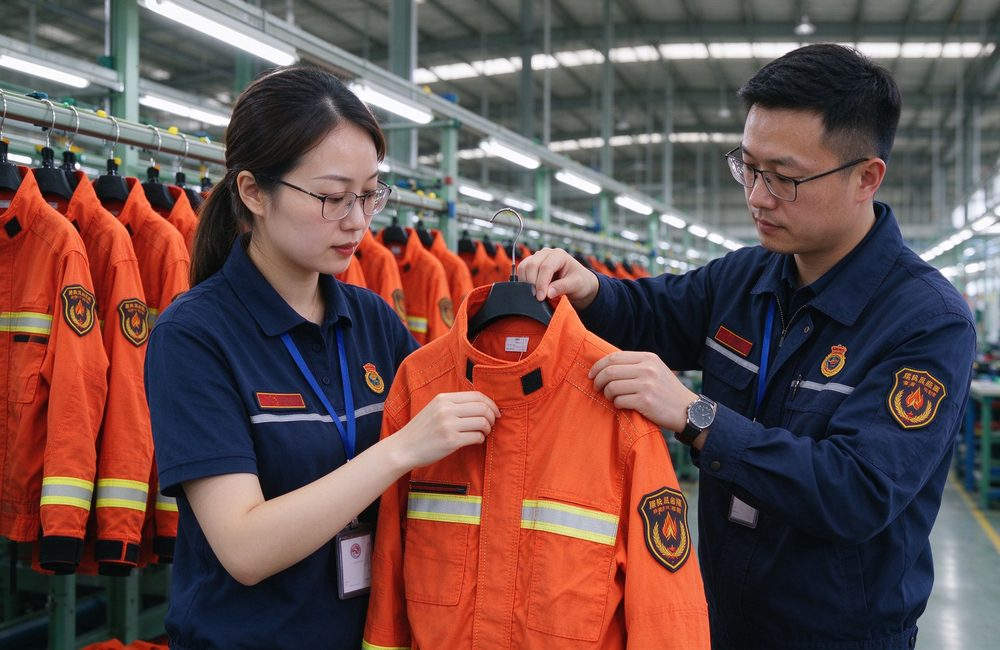
Inspection covers seams, reflective placement and label-standard matching.
Choosing wildland clothing is a checklist exercise: standard, weight, weave, reflective class, sizing and sample testing. We supply firefighter clothing wholesale including forest fire suits, coveralls and FR base layers for forestry departments and agencies.
Wildland work does not stop at sunset. Extended attacks, patrols and overnight stand-by put crews in dark terrain where color alone is not enough — which is why high-visibility wildland uniforms pair orange fabric with reflective trim that catches headlamps and vehicle lights. The trim is tested with the garment: it has to survive washing without cracking and reflect from angles, not just straight on. When crews work along roads and fire-access tracks, reflective bands on shoulders and sleeves also protect them from traffic moving through smoke. Check trim placement in your tender — where it sits decides whether a crew member is seen from above, from the side or not at all.
Color choice becomes a life-safety issue in smoke. Orange and yellow high-visibility wildland uniforms read against dark smoke, grey ash and charred ground where greens and browns disappear; spotter aircraft pick crews out by the same colors, and a crew member who falls in heavy brush stays findable. The dye matters as much as the hue — the color is applied to certified fabric, so wash care that protects FR performance protects the visibility too. Departments that issue one uniform color across crews make search counts easier in an emergency and keep replacements consistent batch after batch.
Wildland crews dress in layers: a wicking base, the FR shirt and trousers, and a pack-compatible shell for cold starts. Fit must allow full axe and shovel strokes, kneeling and crawling, with no loose cloth that embers can catch. Sizes typically run from 165A to 190B so every member of the team has a matched set.
Measure crew members over their normal duty wear, allow room for the pack straps and tool belt, and compare against the supplier's size chart before ordering. Half sizes and tall versions matter more than most buyers expect: a suit that fits at the chest but ends short at the wrist lets embers in exactly where the sleeve meets the glove.
Ask for one suit per size before bulk. Have crew members run the actual motions — swinging a tool, hiking with a pack, kneeling to dig — and check that the collar, cuffs and closures close properly. A suit that binds at the shoulder during a practice stroke will be abandoned on the fire line.
The base layer does the sweating work that the shell cannot: a wicking FR or cotton base pulls moisture off the skin so the suit stays dry inside. In cold starts, crews add an insulating middle layer under the shell and strip it as the day heats up. Planning the three-layer system at purchase time — not improvising it at the truck — is what keeps a crew warm at dawn and cool at noon.
Procurement team samples wildland gear for sizing.
Wildland gear gets dirty in a hurry — ash, sap, dust — and how it is washed decides how long the FR performance lasts. Correct care keeps the flame resistance the certificate promised.
One size chart hides most fit problems. Wildland crews include men and women, tall and short builds, members who layer over cold-weather kit and members who run hot in summer — and a uniform ordered to the median will fit almost nobody perfectly. Forest fire suits in the certified line cover a full range from 160 cm to 190 cm, with separate cuts so trousers and jackets can be ordered independently per member. The practical step is a fit sample session before the bulk order: measure ten crew members, compare against the chart, then order the distribution, not a flat size. Extra trousers for the fastest-wearing body parts belong in the same order.
Wildland work happens in motion: hiking, digging, crawling under smoke, swinging tools. A forest fire protective clothing program starts with fit that allows full stride and shoulder reach, then adds one deliberate layer for cold starts and strips it as heat builds. Order sizing against your actual crew distribution rather than a flat chart — the certified line covers 160 cm to 190 cm with separate tall and short cuts, and a department that buys three sizes for a twenty-person crew will still be re-fitting half of them. Sample one suit on a real crew member before bulk ordering, checking knee flex, sleeve rise and how the jacket behaves over a pack strap.
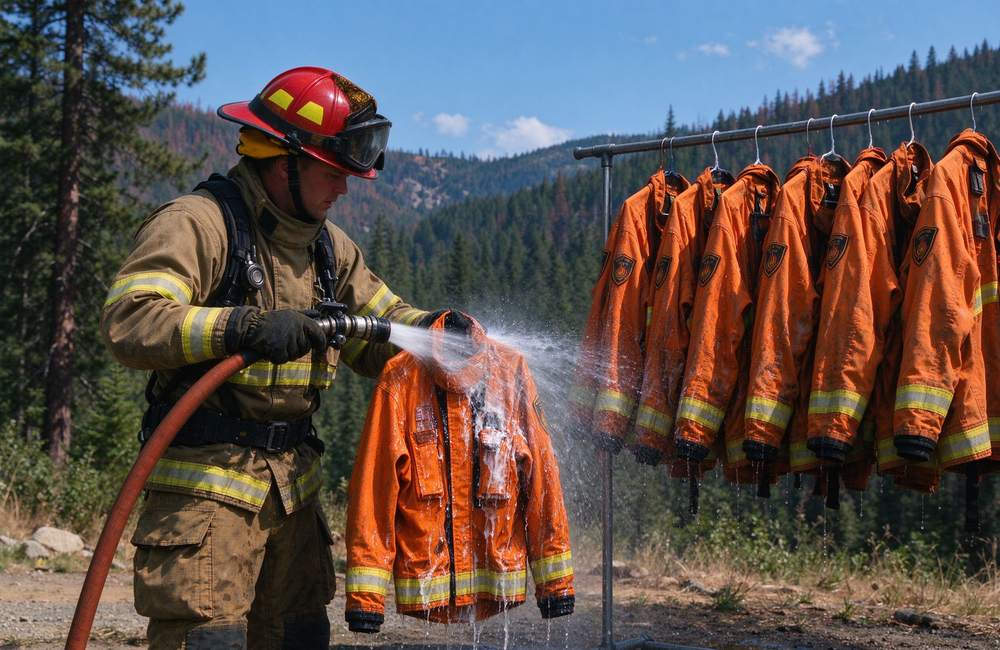
Use neutral detergent, no fabric softener or bleach, and air-dry in shade away from direct sun. High-heat drying ages FR fabric and reflective tape faster than use does. Check seams, zippers, hook-and-loop closures and reflective trim after every deployment, and re-test any garment that has been heavily soiled or chemically exposed.
Store gear dry, loose and away from direct sunlight and chemical containers. Mark each garment with its service start date and keep a simple log: purchase date, certificate number, washing count and inspection notes. When a suit shows charring, tears, delamination or reflective failure, retire it and order the replacement in the same lot, so the crew always works in matched, certified pairs.
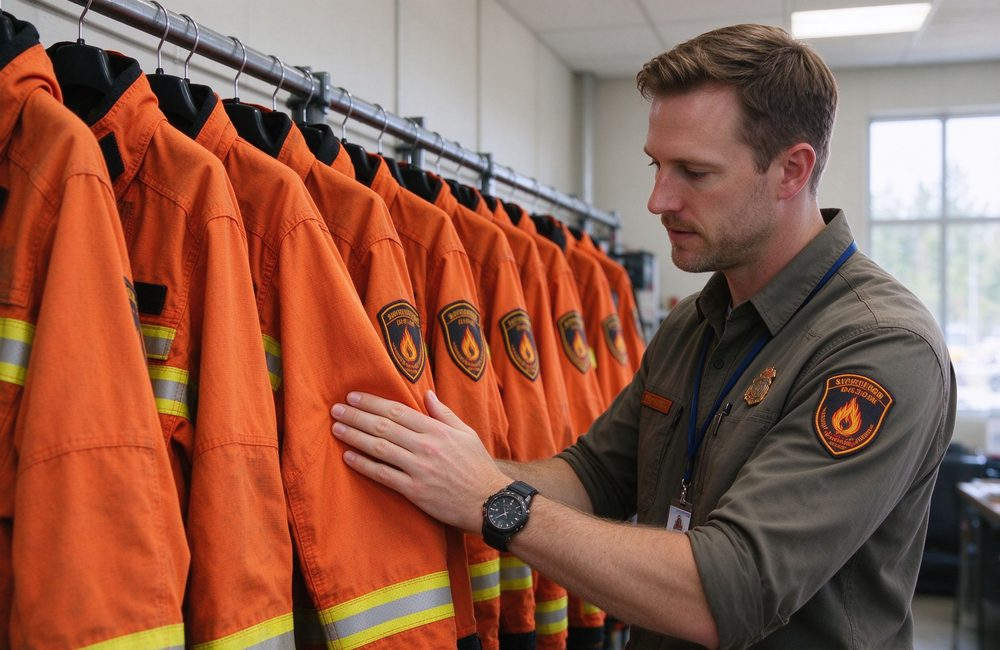
Wildland fire gear washed after deployment.
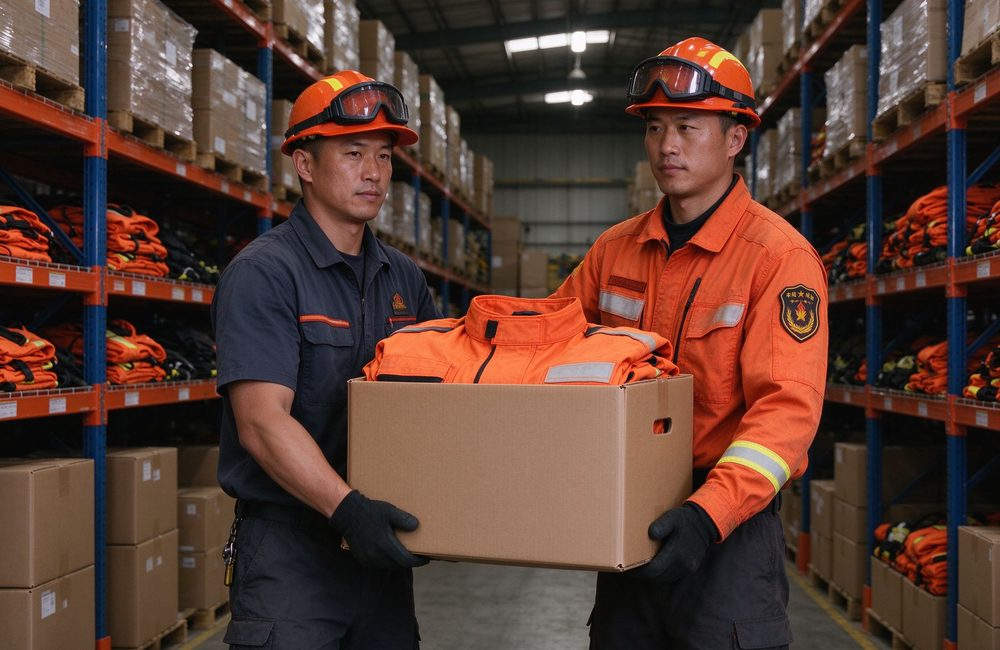
Forestry departments and wildland brigades buy bulk wildland clothing as a system: a matched suit per crew member, spare trousers for the fastest-wearing parts, FR base layers and a color plan that identifies crews and support teams at a glance.
Procurement cycles follow the fire season: orders placed before the dry months arrive in time for training, and replacement stock covers the garments worn out in the previous season. Checking seasonal lead times with the supplier well ahead of the dry months — not at the last minute — keeps the uniform program on schedule.
Tender documents reward specificity. When a forestry department writes "wildland firefighter uniforms per GB/T 33536", the supplier can quote a certified model with its report attached; when the document lists only color and size ranges, every bidder interprets the standard differently and comparison gets hard. The buyers who compare well include the certificate package in the tender: the standard, the model number, fabric weight, the seam and closure spec, and the delivery timeline measured against the fire season. On the supplier side, the same documents make the bulk quote concrete — sample approval, batch testing and spare parts included in one contract instead of renegotiated mid-season.
Wildland fire clothing wears out on a cycle, not on a schedule you can guess once. Sun, heat and repeated washing age FR fabric even when the suit looks whole, which is why departments log deployment hours and replace garments by season rather than by looks. A healthy program keeps a standing stock sized for emergency callouts, rotates the oldest suits into training and holds spare cuffs, zippers and reflective tape for field repairs. When you buy wildland fire gear in bulk, the replacement cycle is part of the order: consistent dye lots and consistent sizing across batches keep the next season's suits matching this season's kit.
Define the size matrix from crew measurements, choose the fabric weight for your terrain and season, and add spares for trousers, gloves and reflective trim kits. A uniform program runs on the fire season: sizing sweeps, color consistency and replacement stock are scheduled with the supplier, and quantity and lead time are confirmed in the contract.
Test reports and certificates travel with the shipment, so the receiving team can check every batch against the documents on arrival. For departments that restock every season, a standing order with fixed sizes and colors keeps the crew uniform year after year.
Match the order to the terrain and season. High mountain brigades that work in cool timber favor the 210 g FR coverall with joint padding; summer scout and riding crews favor the 170 g mesh suits; support roles can take flame-blue training wear. Splitting the order across two fabric weights lets a department protect the whole crew without over-clothing anyone.
Plan the purchase as a deployment system: suits, FR base layers, helmets, gloves and boots from matched lines, plus spare trousers and reflective trim kits. Training belongs in the same budget — crews need to practice donning, self-checks and ember-shedding drills so the gear performs the way the test report promised.
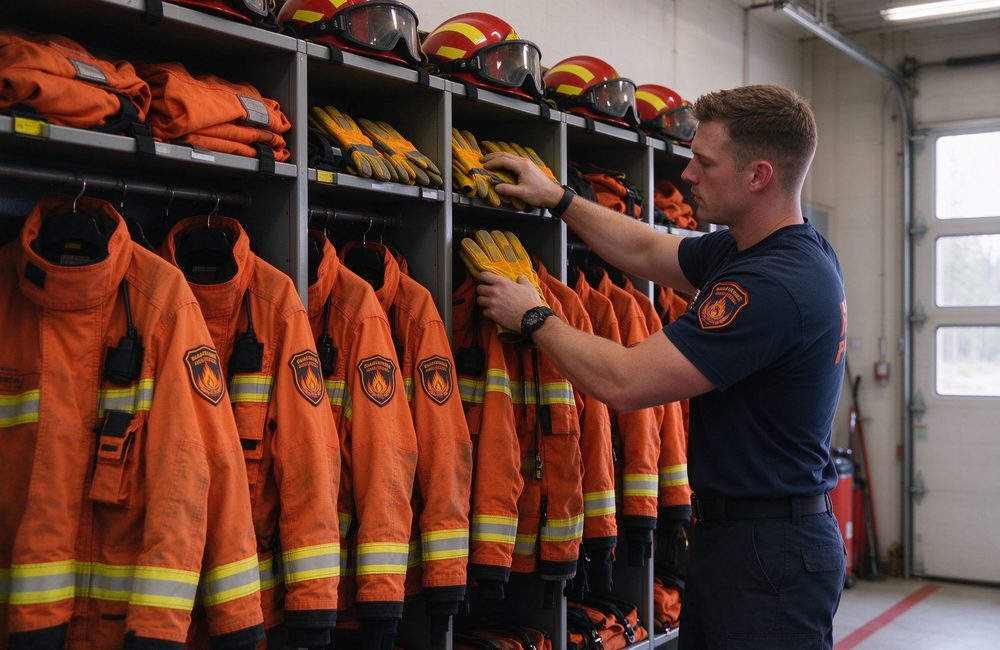
Bulk orders cover matched suits, spare trousers and FR base layers.
Answers to the questions forestry departments and procurement teams ask most when buying wildland fire gear. Most of these come up in real tenders, so the answers are written to be copied straight into a bid response or a purchasing checklist.
Wildland firefighting clothing is lightweight FR protective wear for forest, brush and grassland fires. Unlike structural turnout gear, it uses a single breathable FR layer around 200 g/m² to protect against embers, radiant heat and UV while keeping crews cool for long outdoor shifts.
Structural turnout gear is heavy and multi-layered for short intense attacks inside buildings. Wildland gear is a light FR shirt-and-trouser system for hours of open-air work, prioritizing breathability, mobility and ember defense over direct flame protection.
Anyone whose job puts them in burning vegetation: forestry fire brigades, grassland protection teams, park services, power-line and pipeline contractors, and military units on fire duty. The thread that connects them is not the fire itself but the hours — hiking heavy packs, digging fire lines, mopping up hotspots and watching for spot fires in terrain where a wrong turn means hours from help.
Breathability is the counterweight to protection in wildland firefighting clothing. A fully sealed fabric would stop embers but trap the heat a crew produces on the line, and heat stress — not flame — is the leading cause of wildland firefighter casualties. Open-weave FR fabric with venting balances the two: it sheds embers mechanically while letting sweat and heat escape, so a firefighter who has hiked to the line still has the energy to work it.
Common builds are inherent FR aramid, FR aramid coveralls and polyester oxford with mesh ventilation. A certified forest suit model uses inherent FR aramid at around 200 g/m², while mesh riding suits drop to 170 g for the hottest months.
Wind carries embers far ahead of the fire front, and they settle in the places a moving body creates — collar, cuffs, pocket openings — where they smolder against fabric. Two defenses stop them: the tight weave physically sheds the ember before it lodges, and the FR chemistry stops combustion if one does catch. Design closes the rest: high collars, snug cuffs and trouser legs tucked or sealed so there is no fold of cloth for an ember to rest against.
It is the Chinese national standard written for protective clothing against forest fire, and it tests more than flame resistance: thermal stability, physical strength and marking all have to pass before a suit can claim the standard. When a supplier quotes it, ask for the report naming the exact model — a suit built to the current standard built in orange-red carries its own certificate, and a certificate for one model does not cover another.
Because color is part of the safety system, not decoration. Orange and yellow sit opposite the greens and browns of forest terrain, so a crew member reads as human instead of blending into brush; the same colors make crews visible to spotter aircraft over smoke and against blackened ground. When buying, confirm the color code you want is in the certified range — the dye itself is tested with the fabric, not added as an afterthought.
Correct washing preserves FR performance and reflective trim.
Smoke turns a fire line into a grey wall, and the human silhouette disappears in it. Retroreflective trim is placed to hold that silhouette: chest and back bands for front-and-back visibility, shoulder and leg strips for side angles and for the crew member kneeling at the line. Trim that is part of the certified specification — not an aftermarket addition — keeps its reflectivity after washing and keeps the wearer findable when visibility collapses.
Choose the lightest FR fabric that still passes the standard for your terrain and season. Rough mop-up and tool work favor the heavier certified coverall; the hottest months favor mesh-vented suits around 170 g. Weight and weave must be tested together.
Yes. Team color, chest patches, name bars and pocket layouts can be customized, but customization must not change the certified FR fabric or reflective trim. Approve the final layout on a sample before the line runs.
Wash like the fabric is evidence, because FR performance is. Neutral detergent only — fabric softener coats the fibres and changes how flame tests behave, and bleach attacks the barrier chemistry. Air-dry in shade instead of machine-drying hot, which ages the reflective trim faster than the fire line does. After heavy soiling, re-test the garment or replace it; a suit that looks clean can still have lost its tested protection.
Forestry departments usually order by the fire season — a full crew kit or a replacement batch — and the quantity is confirmed in the sales contract once sizes, colors and lead time are locked. Send your size matrix and color plan for an accurate quote and delivery schedule.
Sizing a wildland crew starts from movement, not the chart. The suit must allow the full range of line work — swinging tools, kneeling, crawling under brush — with nothing loose enough for an ember to catch. Certified forest fire fighting clothing lines run from 165A through 190B and beyond, but the real check is a fitting session: the crew member in the gear, arms overhead, knees down, tools in hand, before the order is placed.
Compare suits on the same test sheet: standard number, certificate, fabric weight, weave density and reflective class, then compare price. A low price that drops the certificate, reflective trim or seam quality is not the same garment.
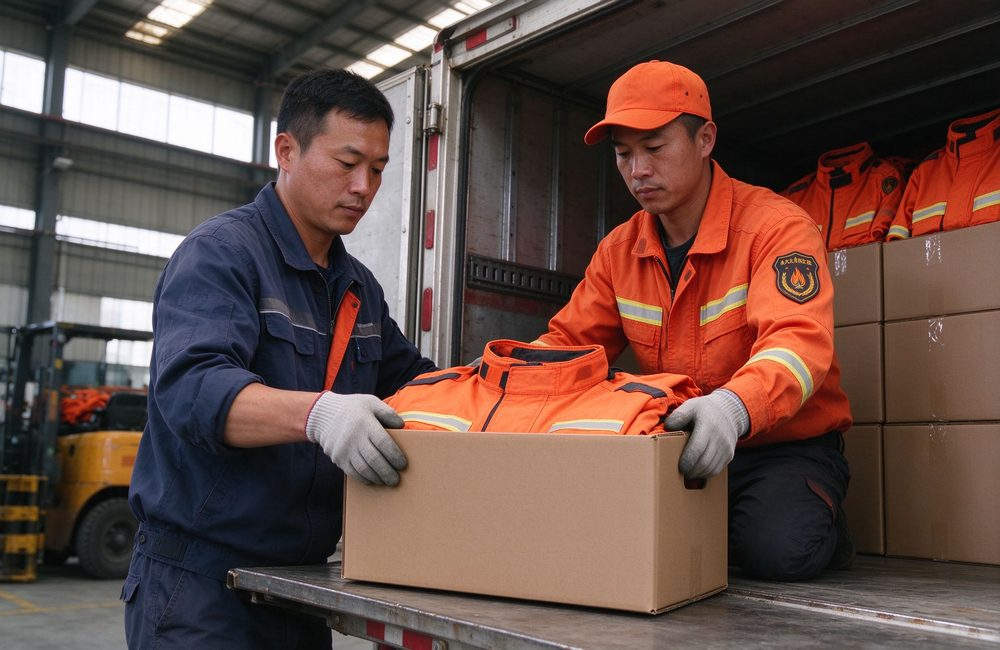
Bulk forest fire suits loaded for export.
 |

|
Links amigáveis :
direito autoral © Custom Disaster - Relief Bedding: Tents, Sleeping Bags, Blankets Todos os direitos reservados
a equipe profissional para o serviço !